
Planeación didáctica por proyectos de tercer grado — Semana 7 de octubre 2026: Los símbolos que me dan identidad
 ChannelKids
Mira lo que los maestros ya crearon con Gamificación Educativa

Tu planeación, en un vistazo
Una ruta clara para llevar el proyecto «Los símbolos que me dan identidad» al aula y adaptarlo a las necesidades de tu grupo.
Ver contexto pedagógico, adaptaciones y materiales
Esta planeación didáctica por proyectos está pensada para tercer grado, Fase 4, durante la semana 7 de octubre del ciclo escolar 2026–2027. El proyecto «Los símbolos que me dan identidad» tiene como propósito students will identify the function and main features of narratives by reading and discussing accounts connected with customs and traditions. They will use oral, written, and creative expression to recognize how cultural symbols contribute to identity and belonging. La secuencia parte del contexto del grupo para convertir sus experiencias, preguntas y saberes previos en oportunidades de aprendizaje significativo.
La propuesta se desarrolla mediante project-based learning through collaborative reading, inquiry, oral narration, and creative representation. y articula principalmente el campo formativo los campos formativos de la Nueva Escuela Mexicana. El contenido central aborda narration of past and present events. Los PDA describen estos aprendizajes: students identify that a narrative recounts events and recognize its main features, including characters, setting, sequence of events, and details that make the account understandable. Students comprehend the function of narratives as a way to share experiences, memories, customs, and traditions, and communicate their understanding orally, in writing, and through creative representation. Las actividades se distribuyen por día con momentos de inicio, desarrollo y cierre, de modo que el docente pueda observar avances, recuperar producciones y ajustar la intervención sin perder el sentido del proyecto.
El producto final será classroom calendar album of narrated customs, traditions, and identity symbols. La evaluación es formativa y considera participación, procesos, producciones y reflexión del alumnado. Se sugieren recursos como textbook, p. 222, Textbook, p. 223, Notebook, Board, Textbook, p. 224, Textbook, p. 225, Notebook, Board, Textbook, p. 226, Textbook, p. 227, Textbook, p. 228, Notebook, Approved reference book or teacher-supervised internet access, Textbook, p. 229, Textbook, p. 230, Textbook, p. 231, Students’ completed tradition-and-symbol tables, Narratives related to selected customs or traditions, Colored or reused paper, Markers, Clock or timer, Optional drink and individual cookies, subject to classroom rules, Textbook, p. 232, Textbook, p. 233, Textbook, p. 234, Symbol representations from Thursday, Blank sheets, Markers, Students’ notebooks. Para atender distintos ritmos de aprendizaje, ofrece apoyos visuales, consignas breves, opciones de respuesta oral o gráfica y acompañamiento entre pares. El documento puede descargarse en Word editable o en PDF listo para imprimir. Ambas versiones permiten adecuar tiempos, materiales, lenguaje, apoyos y evidencias a las necesidades reales de cada escuela.
Ficha curricular de la planeación
Consulta primero los elementos de la NEM. Después encontrarás la secuencia completa organizada por día.
Datos generales y propósito del proyecto
Ciclo escolar 2026–2027 · Fase 4.
Propósito: Students will identify the function and main features of narratives by reading and discussing accounts connected with customs and traditions. They will use oral, written, and creative expression to recognize how cultural symbols contribute to identity and belonging.
Metodología: Project-based learning through collaborative reading, inquiry, oral narration, and creative representation.
Contenido
Narration of past and present events.
Proceso de Desarrollo de Aprendizaje (PDA)
Students identify that a narrative recounts events and recognize its main features, including characters, setting, sequence of events, and details that make the account understandable. Students comprehend the function of narratives as a way to share experiences, memories, customs, and traditions, and communicate their understanding orally, in writing, and through creative representation.
Ejes articuladores oficiales
Inclusión, Pensamiento crítico
Producto final
Classroom calendar album of narrated customs, traditions, and identity symbols.
Evaluacion formativa
Ver criterios y evidencias
Students identify the function of a narrative and recognize its characters, setting, sequence of events, and relevant details. Students explain orally how a narrative communicates the meaning of a custom, tradition, or cultural symbol, supporting their ideas with details from the text. Students record information about a tradition and its symbols in a clear, relevant written entry. Students contribute a creative representation and organize it appropriately in the classroom calendar album. Students listen respectfully, acknowledge cultural diversity, and participate constructively in collaborative discussion.
Materiales
Ver lista completa
Textbook, p. 222, Textbook, p. 223, Notebook, Board, Textbook, p. 224, Textbook, p. 225, Notebook, Board, Textbook, p. 226, Textbook, p. 227, Textbook, p. 228, Notebook, Approved reference book or teacher-supervised internet access, Textbook, p. 229, Textbook, p. 230, Textbook, p. 231, Students’ completed tradition-and-symbol tables, Narratives related to selected customs or traditions, Colored or reused paper, Markers, Clock or timer, Optional drink and individual cookies, subject to classroom rules, Textbook, p. 232, Textbook, p. 233, Textbook, p. 234, Symbol representations from Thursday, Blank sheets, Markers, Students’ notebooks
Adaptaciones para el grupo
Para atender distintos ritmos de aprendizaje, ofrece apoyos visuales, consignas breves, opciones de respuesta oral o gráfica y acompañamiento entre pares.
Desarrollo completo de la planeación
Aquí comienza la organización diaria con inicio, desarrollo, cierre, recursos y evidencias. El contenido y el PDA ya están separados en la ficha anterior.
Los símbolos que me dan identidad
Semana: Semana 7 — Octubre
Languages
Metodología: Project-based learning through collaborative reading, inquiry, oral narration, and creative representation.
Propósito: Students will identify the function and main features of narratives by reading and discussing accounts connected with customs and traditions. They will use oral, written, and creative expression to recognize how cultural symbols contribute to identity and belonging.
Ejes articuladores
- Inclusión
- Pensamiento crítico
| Campo formativo | Contenido | PDA |
|---|---|---|
| Languages | Narration of past and present events. | Students identify that a narrative recounts events and recognize its main features, including characters, setting, sequence of events, and details that make the account understandable. Students comprehend the function of narratives as a way to share experiences, memories, customs, and traditions, and communicate their understanding orally, in writing, and through creative representation. |
| Día | Secuencia de actividades | Recursos |
|---|---|---|
| Monday | Place students in the project by presenting the book’s account of Itzmin and Andrea learning about people of Indigenous origin who migrated to Los Angeles while continuing to speak their language and observe traditions (p. 222). Read the passage aloud, then invite students to identify who is involved, where the events occur, and which details explain how cultural practices are maintained. Ask how a narrative helps readers understand people’s experiences, and record students’ observations in their notebooks. Continue with the account of Itzmin asking her grandmother Yaotzin about the Day of the Dead in her hometown, attending to the sequence of memories and the symbols described (p. 223). Close by having students explain one detail they understood and one question they still have, noting their listening, oral clarity, and recognition of narrative events. | Textbook, p. 222, Textbook, p. 223, Notebook, Board |
| Tuesday | Invite students to revisit the grandmother’s account and describe how its details convey remembrance, celebration, and cultural identity; use the continuation about regional Day of the Dead practices to distinguish the narrator’s information from students’ own interpretations (p. 224). Then guide a discussion using the book’s questions about why people preserve traditions after leaving their place of origin and what they might remember in a new home (p. 225). Ask students to support each response with a detail from the narrative, modeling how evidence makes an oral explanation clear. For a brief written reflection, have each student record one remembered or observed tradition and explain what a narrative could tell a reader about it. Review whether students sequence ideas coherently and connect the account to identity without treating cultural practices as identical. | Textbook, p. 224, Textbook, p. 225, Notebook, Board |
| Wednesday | Use the book’s explanation of symbols, culture, and belonging to introduce the inquiry into how stories communicate the meaning of customs and traditions (p. 226). In a classroom discussion, students examine the book’s illustrations and respond to its questions about the practices represented, the clues that identify them, and whether they celebrate similar customs with their families (p. 227). Next, direct students to consult the suggested student reference book or a teacher-approved source, using the printed questions about what a symbol represents, how symbols relate to traditions, and what cultural diversity means (p. 227). Students record key information and begin the book’s community tradition-and-symbol table, following its Day of the Dead example and identifying relevant foods, plants, or animals when appropriate (p. 228). Conclude by checking that written notes distinguish researched information from personal experience and that students can explain the purpose of a symbol. | Textbook, p. 226, Textbook, p. 227, Textbook, p. 228, Notebook, Approved reference book or teacher-supervised internet access |
| Thursday | Ask students to bring their table entries into a collaborative conversation about symbols that express identity and belonging to a community, region, or country, following the questions in the book (p. 229). Support them in considering how discontinuing a custom or tradition could affect community identity, and invite them to refer to the book’s explanation of Mexico’s cultural diversity rather than making unsupported generalizations. Introduce the Literary Chocolate activity as the book describes it: groups select a custom or tradition and a related narrative, arrange a suitable reading space within the classroom, and prepare the chosen drink and individual snack only when classroom arrangements and school rules permit (p. 230). Students read their selected account quietly, discuss what they found interesting, identify the symbols it contains, and represent those symbols on colored or reused paper, following the book’s sequence and timings as appropriate (p. 231). Observe respectful discussion, accurate identification of narrative details, and the connection between each symbol and the tradition. | Textbook, p. 229, Textbook, p. 230, Textbook, p. 231, Students’ completed tradition-and-symbol tables, Narratives related to selected customs or traditions, Colored or reused paper, Markers, Clock or timer, Optional drink and individual cookies, subject to classroom rules |
| Friday | Begin with students’ symbol representations and ask why the symbols found in customs and traditions are important to preserve, as prompted by the book (p. 232). Guide the class in sorting representations into those associated with their classroom community, those resembling symbols found in the state, and those representing Mexicans, while emphasizing that similarities do not erase cultural differences. Then have students organize the representations by celebration date, number the pages, create a creative title, and prepare a cover and index for the classroom calendar album, following the book’s directions (p. 233). Use the book’s reflection questions to compare similarities and differences among the Literary Chocolate groups, consider how to learn a symbol’s historical origin, and discuss what may happen if traditions are no longer practiced (p. 234). Finish with students writing the classroom agreements for organizing the activity and sharing one way narratives help preserve identity; assess the clarity of their explanations, use of narrative evidence, and contribution to the collective album. | Textbook, p. 232, Textbook, p. 233, Textbook, p. 234, Symbol representations from Thursday, Blank sheets, Markers, Students’ notebooks |
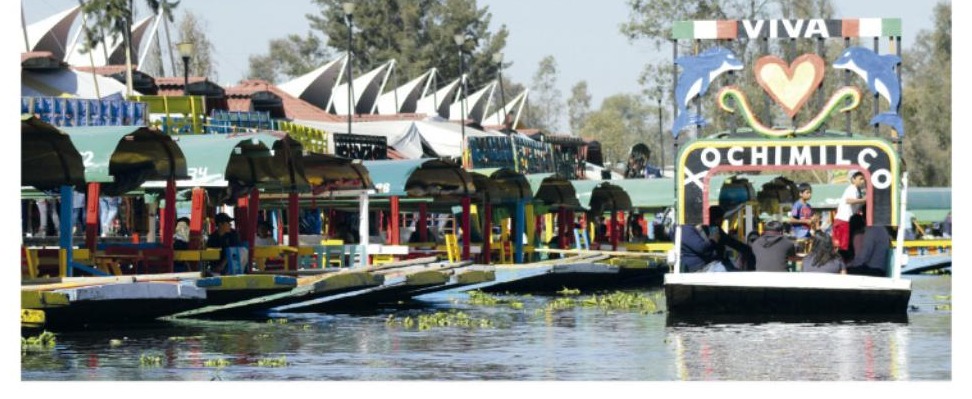
Producto: Classroom calendar album of narrated customs, traditions, and identity symbols.
Instrumento de evaluación de contenidos, PDA y producto del proyecto:
| Criterios de evaluación | Logrado | En proceso | Falta por consolidar |
|---|---|---|---|
| Students identify the function of a narrative and recognize its characters, setting, sequence of events, and relevant details | |||
| Students explain orally how a narrative communicates the meaning of a custom, tradition, or cultural symbol, supporting their ideas with details from the text | |||
| Students record information about a tradition and its symbols in a clear, relevant written entry | |||
| Students contribute a creative representation and organize it appropriately in the classroom calendar album | |||
| Students listen respectfully, acknowledge cultural diversity, and participate constructively in collaborative discussion |
Antes de descargar
Datos, propósito y contenidos
- Students will identify the function and main features of narratives by reading and discussing accounts connected with customs a?
- Narration of past and present events.
Actividades, producto y evaluación
- Textbook, p. 222, Textbook, p. 223, Notebook, Board, Textbook, p. 224, Textbook, p. 225, Notebook, Board, Textbook, p. 226, Tex?
- Classroom calendar album of narrated customs, traditions, and identity symbols.
Tu material está listo para descargar
Elige Word, PDF o anexos desde un solo lugar.
Mira lo que los maestros ya crearon con Gamificación Educativa
Preguntas frecuentes sobre esta planeación
¿Para qué grado y semanas está diseñada esta planeación?
Está diseñada para tercer grado, la semana 7 de octubre de 2026, dentro del ciclo escolar 2026–2027.
¿Qué metodología utiliza la planeación?
La secuencia utiliza project-based learning through collaborative reading, inquiry, oral narration, and creative representation. y organiza actividades situadas con evidencias y un producto final.
¿La planeación incluye contenidos y PDA de la NEM?
Sí. Incluye el campo formativo, el contenido, el proceso de desarrollo de aprendizaje, actividades y evaluación formativa alineados con la NEM.
¿Puedo editar y adaptar el archivo?
Sí. La versión Word es editable para ajustar actividades, materiales, apoyos, tiempos y evidencias. El PDF está listo para imprimir.
