
Planeación didáctica por proyectos de primer grado — Semana 9 de noviembre 2026: ¡Creemos textos en colectivo!
 ChannelKids
Mira lo que los maestros ya crearon con Pirámide de la Lectura
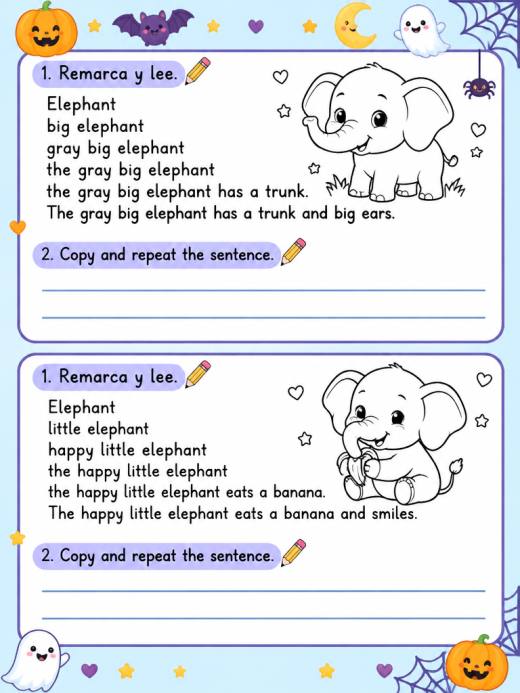
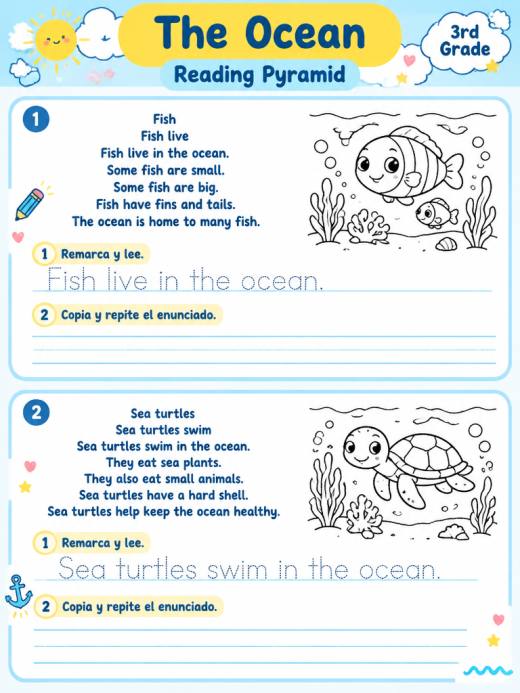
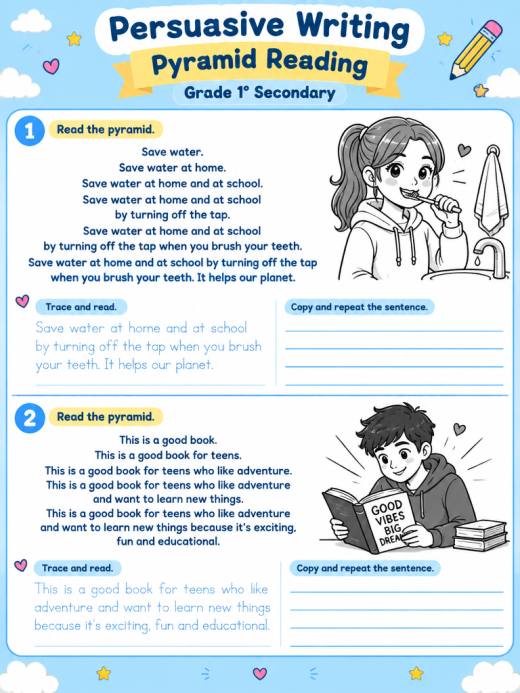
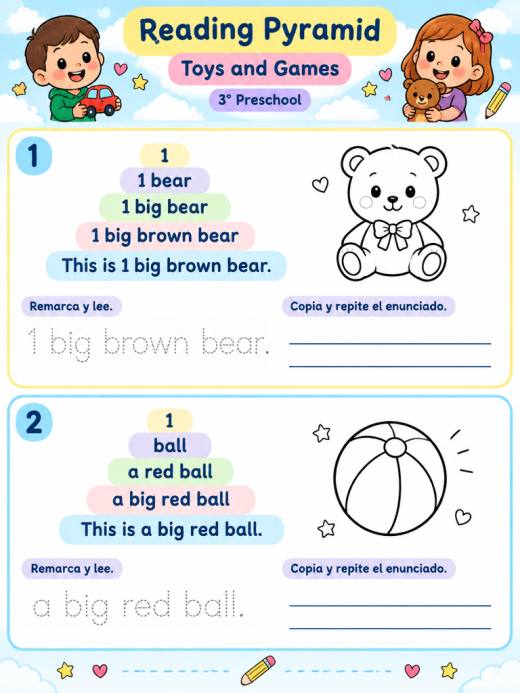

Tu planeación, en un vistazo
Una ruta clara para llevar el proyecto «¡Creemos textos en colectivo!» al aula y adaptarlo a las necesidades de tu grupo.
Ver contexto pedagógico, adaptaciones y materiales
Esta planeación didáctica por proyectos está pensada para primer grado, Fase 3, durante la semana 9 de noviembre del ciclo escolar 2026–2027. El proyecto «¡Creemos textos en colectivo!» tiene como propósito students will use spoken, written, and visual expression to create a collective exquisite corpse, identify and communicate emotions, and recognize their contributions by writing their names on their work. They will practice comparing names and using them to indicate authorship. La secuencia parte del contexto del grupo para convertir sus experiencias, preguntas y saberes previos en oportunidades de aprendizaje significativo.
La propuesta se desarrolla mediante project-based learning through collaborative creation, reflection, and classroom sharing. y articula principalmente el campo formativo los campos formativos de la Nueva Escuela Mexicana. El contenido central aborda writing names in the mother tongue. Los PDA describen estos aprendizajes: students write their own names and compare them with classmates’ names, using their names to identify authorship of their work. Students write their names on their collective exquisite corpse and related work, recognizing that names identify who contributed to each creation. Las actividades se distribuyen por día con momentos de inicio, desarrollo y cierre, de modo que el docente pueda observar avances, recuperar producciones y ajustar la intervención sin perder el sentido del proyecto.
El producto final será named collective exquisite corpse and classroom reflection record. La evaluación es formativa y considera participación, procesos, producciones y reflexión del alumnado. Se sugieren recursos como blank or recycled paper, Pencils, Colored pencils or crayons, Book, p. 48, Book, p. 49, Students’ animal drawings, Notebook, Pencils, Book, p. 50, Notebook, Pencils, Book, p. 51, Book, p. 52, Teacher-selected books or supervised internet access, Notebook, Pencils, Book, p. 53, Book, p. 54, Book, p. 55, Students’ emotion notes, Notebook, Pencils, Colored pencils, markers, crayons, or paint, Paper, Book, p. 56, Book, p. 57. Para atender distintos ritmos de aprendizaje, ofrece apoyos visuales, consignas breves, opciones de respuesta oral o gráfica y acompañamiento entre pares. El documento puede descargarse en Word editable o en PDF listo para imprimir. Ambas versiones permiten adecuar tiempos, materiales, lenguaje, apoyos y evidencias a las necesidades reales de cada escuela.
Ficha curricular de la planeación
Consulta primero los elementos de la NEM. Después encontrarás la secuencia completa organizada por día.
Datos generales y propósito del proyecto
Ciclo escolar 2026–2027 · Fase 3.
Propósito: Students will use spoken, written, and visual expression to create a collective exquisite corpse, identify and communicate emotions, and recognize their contributions by writing their names on their work. They will practice comparing names and using them to indicate authorship.
Metodología: Project-based learning through collaborative creation, reflection, and classroom sharing.
Contenido
Writing names in the mother tongue.
Proceso de Desarrollo de Aprendizaje (PDA)
Students write their own names and compare them with classmates’ names, using their names to identify authorship of their work. Students write their names on their collective exquisite corpse and related work, recognizing that names identify who contributed to each creation.
Ejes articuladores oficiales
Inclusión, Pensamiento crítico
Producto final
Named collective exquisite corpse and classroom reflection record
Evaluacion formativa
Ver criterios y evidencias
Writes their own name legibly on individual work and identifies it as a marker of authorship. Compares their written name with classmates’ names by noticing similarities or differences. Contributes an idea, sentence, or visual element connected to an emotion during the collective creation. Explains an emotion represented in the work and listens respectfully to classmates’ interpretations. Uses classmates’ suggestions to consider an appropriate adjustment to the collective work.
Materiales
Ver lista completa
Blank or recycled paper, Pencils, Colored pencils or crayons, Book, p. 48, Book, p. 49, Students’ animal drawings, Notebook, Pencils, Book, p. 50, Notebook, Pencils, Book, p. 51, Book, p. 52, Teacher-selected books or supervised internet access, Notebook, Pencils, Book, p. 53, Book, p. 54, Book, p. 55, Students’ emotion notes, Notebook, Pencils, Colored pencils, markers, crayons, or paint, Paper, Book, p. 56, Book, p. 57
Adaptaciones para el grupo
Para atender distintos ritmos de aprendizaje, ofrece apoyos visuales, consignas breves, opciones de respuesta oral o gráfica y acompañamiento entre pares.
Desarrollo completo de la planeación
Aquí comienza la organización diaria con inicio, desarrollo, cierre, recursos y evidencias. El contenido y el PDA ya están separados en la ficha anterior.
¡Creemos textos en colectivo!
Semana: Semana 9 — Noviembre
Languages
Metodología: Project-based learning through collaborative creation, reflection, and classroom sharing.
Propósito: Students will use spoken, written, and visual expression to create a collective exquisite corpse, identify and communicate emotions, and recognize their contributions by writing their names on their work. They will practice comparing names and using them to indicate authorship.
Ejes articuladores
- Inclusión
- Pensamiento crítico
| Campo formativo | Contenido | PDA |
|---|---|---|
| Languages | Writing names in the mother tongue. | Students write their own names and compare them with classmates’ names, using their names to identify authorship of their work. Students write their names on their collective exquisite corpse and related work, recognizing that names identify who contributed to each creation. |
| Día | Secuencia de actividades | Recursos |
|---|---|---|
| Monday | Begin by inviting students to recall an animal they know and enjoy drawing, then explain that the class will create together and that each contribution will remain identifiable by its author’s name. Following the book’s opening activity, ask each student to write their name on a blank or recycled sheet and draw a favorite animal; support students who need help forming the letters, then have partners add an unexpected feature to one another’s animal, use vivid colors, and name the new character (pp. 48–49). Guide students to compare the names on their sheets, notice similarities and differences, and explain whose drawing they changed. Close by inviting several pairs to present their named creations and describe how collaborating changed the original drawing, observing name legibility, participation, and respectful listening. | Blank or recycled paper, Pencils, Colored pencils or crayons, Book, p. 48, Book, p. 49 |
| Tuesday | Use the students’ named animal creations to reopen the conversation about making something together, and ask what helped them recognize who drew each original picture. Refer to the book’s prompts for discussing the character’s name, the feelings involved in adding another animal’s features, and the value of collaboration; then display the drawings within the classroom and invite students to share their titles and reflections (p. 50). With teacher support, have students copy the project-planning sequence into their notebooks and identify where the class will explore emotions, investigate examples, create a first exquisite corpse, suggest adjustments, and share a final version. Conclude by checking that students can locate their own written name and explain how it marks authorship, while noting whether they can listen and respond to a classmate’s idea. | Students’ animal drawings, Notebook, Pencils, Book, p. 50 |
| Wednesday | Invite students to consider how a person can show a feeling without naming it, then use the book’s illustrations to identify emotions and discuss why recognizing them matters. Ask each student to express a feeling they have at that moment through a simple drawing or gesture and to write their name beside the representation, offering letter models when needed (p. 51). Continue by guiding a teacher-supported search for examples of exquisite corpses in books or online, as directed in the text; students may copy a brief example into their notebooks and explain in their own words what they understand by the form. Have partners share their examples and definitions, then compare the book’s pictured examples to decide which appear to be collectively created and explain their reasoning (pp. 51–52). Close with a brief check of name writing, emotional vocabulary, and each student’s ability to contribute an idea to the discussion. | Notebook, Pencils, Book, p. 51, Book, p. 52, Teacher-selected books or supervised internet access |
| Thursday | Present the short lines in the book as clues to feelings and invite students to read or listen to them, then record in their notebooks the emotion each one suggests, adding their names to identify their responses (p. 53). In pairs, have students examine the pictured exquisite corpses and discuss what emotions they evoke and what situations they bring to mind; encourage them to explain their interpretations rather than search for a single correct answer. Bring the class together to identify questions about making a literary or artistic exquisite corpse, record the questions and clarifications in the book’s doubt-and-clarification format, and read the story “The Box of Notes” aloud (pp. 53–54). After listening, students reflect on an important memory and the emotion it brings up, then write a brief note in their notebooks; assess whether each response identifies a situation, names an emotion, and bears its author’s name (pp. 54–55). | Notebook, Pencils, Book, p. 53, Book, p. 54, Book, p. 55 |
| Friday | Set out the students’ emotion notes and explain that these will help the class create its collective work while preserving each contributor’s authorship. Following the book, guide the class in choosing a literary or artistic exquisite corpse; for a literary work, students contribute brief sentences expressing emotions, and for an artistic work, they combine colors, lines, backgrounds, objects, animals, or other figures, then title the completed creation (p. 56). Invite students to share the work in a classroom presentation and complete the three-column record with the artwork’s title, the emotion it represents, and a suggestion; support them in sharing recommendations and making appropriate adjustments (p. 57). To conclude, have students complete the book’s reflection prompts about why expressing emotions is useful and how they can express them, then write their names on their contributions and identify how names show authorship. Assess participation, name writing, emotional communication, and constructive response to classmates’ suggestions. | Students’ emotion notes, Notebook, Pencils, Colored pencils, markers, crayons, or paint, Paper, Book, p. 56, Book, p. 57 |
Producto: Named collective exquisite corpse and classroom reflection record
Instrumento de evaluación de contenidos, PDA y producto del proyecto:
| Criterios de evaluación | Logrado | En proceso | Falta por consolidar |
|---|---|---|---|
| Writes their own name legibly on individual work and identifies it as a marker of authorship | |||
| Compares their written name with classmates’ names by noticing similarities or differences | |||
| Contributes an idea, sentence, or visual element connected to an emotion during the collective creation | |||
| Explains an emotion represented in the work and listens respectfully to classmates’ interpretations | |||
| Uses classmates’ suggestions to consider an appropriate adjustment to the collective work |
Antes de descargar
Datos, propósito y contenidos
- Students will use spoken, written, and visual expression to create a collective exquisite corpse, identify and communicate emot?
- Writing names in the mother tongue.
Actividades, producto y evaluación
- Blank or recycled paper, Pencils, Colored pencils or crayons, Book, p. 48, Book, p. 49, Students’ animal drawings, Notebook, Pe?
- Named collective exquisite corpse and classroom reflection record
Tu material está listo para descargar
Elige Word, PDF o anexos desde un solo lugar.
Mira lo que los maestros ya crearon con Pirámide de la Lectura
Preguntas frecuentes sobre esta planeación
¿Para qué grado y semanas está diseñada esta planeación?
Está diseñada para primer grado, la semana 9 de noviembre de 2026, dentro del ciclo escolar 2026–2027.
¿Qué metodología utiliza la planeación?
La secuencia utiliza project-based learning through collaborative creation, reflection, and classroom sharing. y organiza actividades situadas con evidencias y un producto final.
¿La planeación incluye contenidos y PDA de la NEM?
Sí. Incluye el campo formativo, el contenido, el proceso de desarrollo de aprendizaje, actividades y evaluación formativa alineados con la NEM.
¿Puedo editar y adaptar el archivo?
Sí. La versión Word es editable para ajustar actividades, materiales, apoyos, tiempos y evidencias. El PDF está listo para imprimir.
