
Planeación didáctica por proyectos de primer grado — Semana 11 de noviembre 2026: La comida chatarra en mi comunidad
 ChannelKids
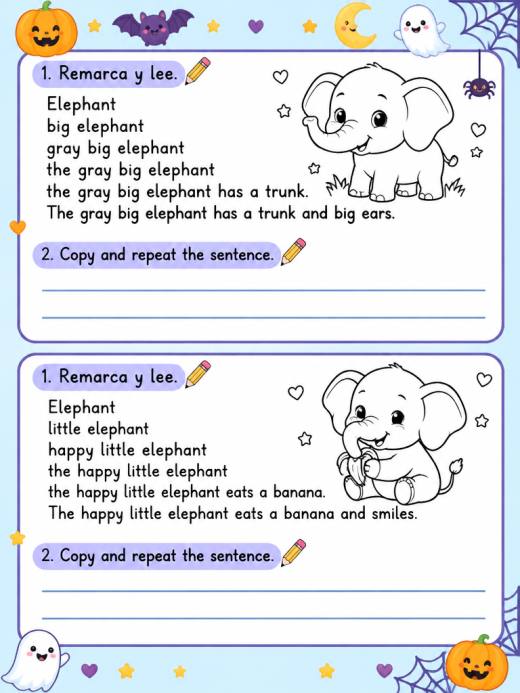
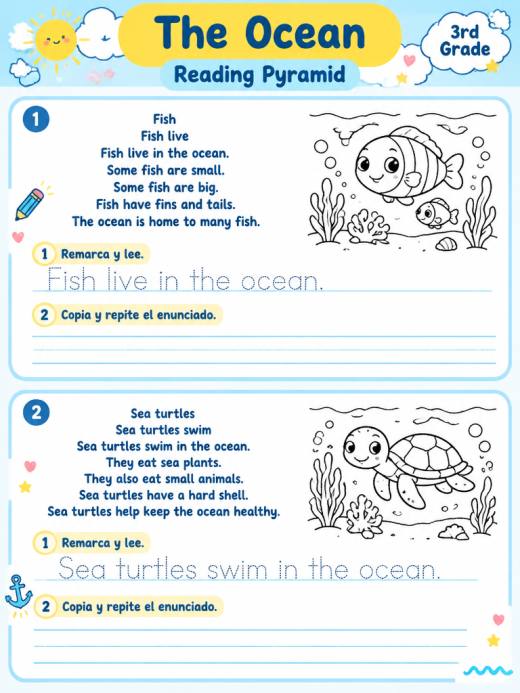
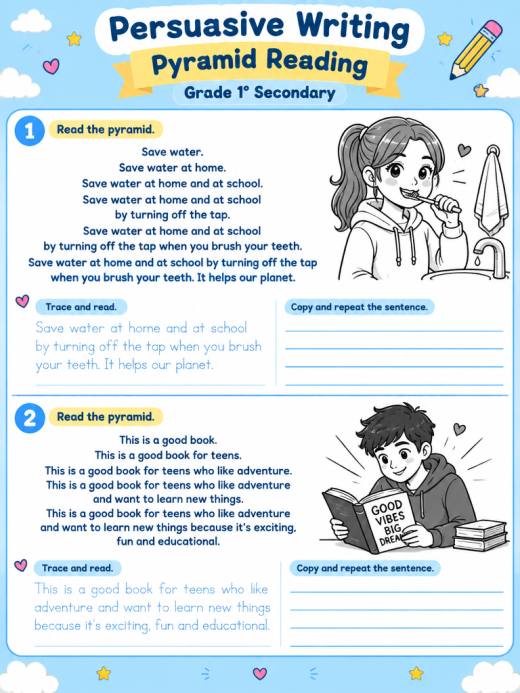
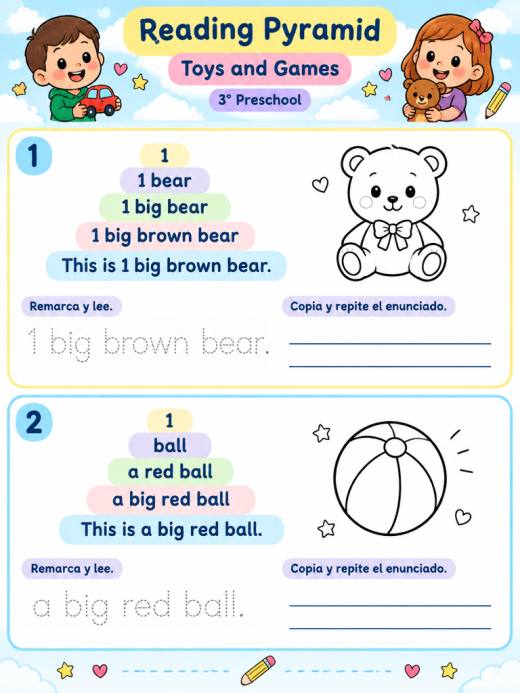
Mira lo que los maestros ya crearon con Pirámide de la Lectura

Tu planeación, en un vistazo
Una ruta clara para llevar el proyecto «La comida chatarra en mi comunidad» al aula y adaptarlo a las necesidades de tu grupo.
Ver contexto pedagógico, adaptaciones y materiales
Esta planeación didáctica por proyectos está pensada para primer grado, Fase 3, durante la semana 11 de noviembre del ciclo escolar 2026–2027. El proyecto «La comida chatarra en mi comunidad» tiene como propósito students will use spoken, written, and creative expression to explore the project about junk food in their community classroom context. They will write and compare their names and use them to identify authorship on their project work. La secuencia parte del contexto del grupo para convertir sus experiencias, preguntas y saberes previos en oportunidades de aprendizaje significativo.
La propuesta se desarrolla mediante community project-based learning y articula principalmente el campo formativo los campos formativos de la Nueva Escuela Mexicana. El contenido central aborda writing names in the home language. Los PDA describen estos aprendizajes: students write their names and compare them with their classmates’ names, using their names to indicate authorship of their work, label their school supplies, record attendance, and for other purposes. Students communicate orally and creatively about the junk food described in the project, connecting their ideas and illustrations to the possible effects of unhealthy foods on the body. Las actividades se distribuyen por día con momentos de inicio, desarrollo y cierre, de modo que el docente pueda observar avances, recuperar producciones y ajustar la intervención sin perder el sentido del proyecto.
El producto final será signed classroom collection of drawings, collages, and written reflections about junk food. La evaluación es formativa y considera participación, procesos, producciones y reflexión del alumnado. Se sugieren recursos como official textbook, page 112, White sheets, Pencils, Crayons, Official textbook, page 113, Notebook, Food pictures from magazines or newspapers, Glue, Safety scissors, Pencils, Official textbook, page 114, Notebook, Pencils, Crayons, Official textbook, pages 115–116, Notebook, Pencils, Crayons, Official textbook, page 117, White sheets, Notebook, Pencils, Crayons. Para atender distintos ritmos de aprendizaje, ofrece apoyos visuales, consignas breves, opciones de respuesta oral o gráfica y acompañamiento entre pares. El documento puede descargarse en Word editable o en PDF listo para imprimir. Ambas versiones permiten adecuar tiempos, materiales, lenguaje, apoyos y evidencias a las necesidades reales de cada escuela.
Ficha curricular de la planeación
Consulta primero los elementos de la NEM. Después encontrarás la secuencia completa organizada por día.
Datos generales y propósito del proyecto
Ciclo escolar 2026–2027 · Fase 3.
Propósito: Students will use spoken, written, and creative expression to explore the project about junk food in their community classroom context. They will write and compare their names and use them to identify authorship on their project work.
Metodología: Community Project-Based Learning
Contenido
Writing names in the home language.
Proceso de Desarrollo de Aprendizaje (PDA)
Students write their names and compare them with their classmates’ names, using their names to indicate authorship of their work, label their school supplies, record attendance, and for other purposes. Students communicate orally and creatively about the junk food described in the project, connecting their ideas and illustrations to the possible effects of unhealthy foods on the body.
Ejes articuladores oficiales
Inclusión, Pensamiento crítico
Producto final
Signed classroom collection of drawings, collages, and written reflections about junk food
Evaluacion formativa
Ver criterios y evidencias
The student writes their name legibly and uses it to identify authorship on project work. The student compares the written form of their name with classmates’ names and identifies their own work. The student explains an illustration or collage orally using an idea connected to the project text. The student represents a project idea about junk food through relevant words, drawings, or selected images. The student listens respectfully and communicates a response that is understandable to classmates.
Materiales
Ver lista completa
Official textbook, page 112, White sheets, Pencils, Crayons, Official textbook, page 113, Notebook, Food pictures from magazines or newspapers, Glue, Safety scissors, Pencils, Official textbook, page 114, Notebook, Pencils, Crayons, Official textbook, pages 115–116, Notebook, Pencils, Crayons, Official textbook, page 117, White sheets, Notebook, Pencils, Crayons
Adaptaciones para el grupo
Para atender distintos ritmos de aprendizaje, ofrece apoyos visuales, consignas breves, opciones de respuesta oral o gráfica y acompañamiento entre pares.
Desarrollo completo de la planeación
Aquí comienza la organización diaria con inicio, desarrollo, cierre, recursos y evidencias. El contenido y el PDA ya están separados en la ficha anterior.
La comida chatarra en mi comunidad
Semana: Semana 11 — Noviembre
Languages
Metodología: Community Project-Based Learning
Propósito: Students will use spoken, written, and creative expression to explore the project about junk food in their community classroom context. They will write and compare their names and use them to identify authorship on their project work.
Ejes articuladores
- Inclusión
- Pensamiento crítico
| Campo formativo | Contenido | PDA |
|---|---|---|
| Languages | Writing names in the home language. | Students write their names and compare them with their classmates’ names, using their names to indicate authorship of their work, label their school supplies, record attendance, and for other purposes. Students communicate orally and creatively about the junk food described in the project, connecting their ideas and illustrations to the possible effects of unhealthy foods on the body. |
| Día | Secuencia de actividades | Recursos |
|---|---|---|
| Monday | Introduce the project through the story of Julia and invite students to consider how the foods and drinks she frequently consumes might relate to her stomach discomfort. Read the story together from the official textbook and pause to clarify the difference between healthy and unhealthy food; then ask students to share what they have seen or eaten in their own classroom experience without judging anyone’s choices. On a white sheet, have each student draw what they imagine may happen in Julia’s body and write their name clearly as the author. Continue by inviting a few students to explain their drawings to the class, listening for clear speech and a connection between the illustration and the story. Close by having classmates notice how names identify the creators of different ideas and provide supportive feedback on legibility and oral expression (p. 112). | Official textbook, page 112, White sheets, Pencils, Crayons |
| Tuesday | Display the students’ signed drawings and use them to begin a discussion about how pictures and words can communicate ideas about food. Guide students in creating the textbook collage with cutouts of unhealthy foods, asking them to select images that connect to the project and arrange them meaningfully in their notebooks. Each student should write their name beside the collage to show authorship, then explain to a partner what the images suggest about healthy or unhealthy food; support emerging speakers with prompts such as, “I chose this picture because…”. Next, invite partners to compare the written forms of their names, noticing similarities and differences without requiring students to copy another person’s spelling. Gather a few examples for a brief class reflection on how names help identify work and how images can strengthen an explanation (p. 113). | Official textbook, page 113, Notebook, Food pictures from magazines or newspapers, Glue, Safety scissors, Pencils |
| Wednesday | Use the project’s two guiding questions to focus classroom inquiry: which junk foods and drinks people consume, and what health effects may be associated with them? Read the relevant textbook prompt aloud, then organize students in small groups to discuss what information they would need and where it could be found, keeping all discussion and planning within the classroom. Have each group record its agreements with words or drawings in a shared notebook page, and ask every contributor to write their name near their contribution. Continue by modeling how to ask a question respectfully and how to listen before responding; students can rehearse a question they might use when learning about food choices. Conclude with a group share-out, checking whether students can state the inquiry clearly and identify their own written names among classmates’ names (p. 114). | Official textbook, page 114, Notebook, Pencils, Crayons |
| Thursday | Present the textbook explanation that unhealthy foods and drinks may contain high amounts of sugar, salt, and other substances, and invite students to connect this information to Julia’s story without making medical diagnoses. Then guide pairs in examining the textbook survey activity and its questions, discussing how a survey can help gather information about food choices; keep the practice within the classroom by having partners role-play asking and answering questions as classmates. Each student records their name as the author of a short written or illustrated response about one food or drink mentioned in the project, while the partner listens and restates the main idea. Bring the class together to compare responses and notice how clear questions, careful listening, and readable names make information easier to share; provide feedback on speaking clarity and whether each student can identify their own work (pp. 115–116). | Official textbook, pages 115–116, Notebook, Pencils, Crayons |
| Friday | Return to the project’s classroom inquiry by reading the textbook explanation of possible effects of junk food on digestion and examining the illustrated experiment procedure as a source for discussion, not as a requirement to conduct the experiment during this session. Ask students to describe what the project has helped them understand, then have each child create a final illustrated response that connects an unhealthy food choice with a possible effect mentioned in the text and write their name as the author. Next, organize a respectful gallery walk within the classroom so students can view classmates’ work and compare how names are written, offering one specific observation about the message or illustration. Close with a group reflection on how speaking, writing, and drawing helped communicate learning about junk food, and assess whether students can identify their own work and explain its connection to the project (p. 117). | Official textbook, page 117, White sheets, Notebook, Pencils, Crayons |
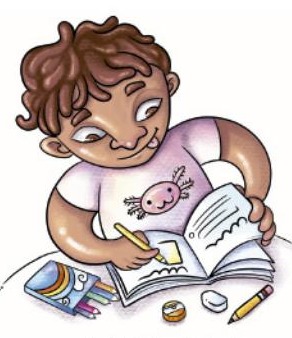
Producto: Signed classroom collection of drawings, collages, and written reflections about junk food
Instrumento de evaluación de contenidos, PDA y producto del proyecto:
| Criterios de evaluación | Logrado | En proceso | Falta por consolidar |
|---|---|---|---|
| The student writes their name legibly and uses it to identify authorship on project work | |||
| The student compares the written form of their name with classmates’ names and identifies their own work | |||
| The student explains an illustration or collage orally using an idea connected to the project text | |||
| The student represents a project idea about junk food through relevant words, drawings, or selected images | |||
| The student listens respectfully and communicates a response that is understandable to classmates |
Antes de descargar
Datos, propósito y contenidos
- Students will use spoken, written, and creative expression to explore the project about junk food in their community classroom ?
- Writing names in the home language.
Actividades, producto y evaluación
- Official textbook, page 112, White sheets, Pencils, Crayons, Official textbook, page 113, Notebook, Food pictures from magazine?
- Signed classroom collection of drawings, collages, and written reflections about junk food
Tu material está listo para descargar
Elige Word, PDF o anexos desde un solo lugar.
Mira lo que los maestros ya crearon con Pirámide de la Lectura
Preguntas frecuentes sobre esta planeación
¿Para qué grado y semanas está diseñada esta planeación?
Está diseñada para primer grado, la semana 11 de noviembre de 2026, dentro del ciclo escolar 2026–2027.
¿Qué metodología utiliza la planeación?
La secuencia utiliza community project-based learning y organiza actividades situadas con evidencias y un producto final.
¿La planeación incluye contenidos y PDA de la NEM?
Sí. Incluye el campo formativo, el contenido, el proceso de desarrollo de aprendizaje, actividades y evaluación formativa alineados con la NEM.
¿Puedo editar y adaptar el archivo?
Sí. La versión Word es editable para ajustar actividades, materiales, apoyos, tiempos y evidencias. El PDF está listo para imprimir.
