
Planeación didáctica por proyectos de tercer grado — Semana 11 de noviembre 2026: Cómo cuidamos los ecosistemas
 ChannelKids
Mira lo que los maestros ya crearon con Pirámide de la Lectura

Tu planeación, en un vistazo
Una ruta clara para llevar el proyecto «Cómo cuidamos los ecosistemas» al aula y adaptarlo a las necesidades de tu grupo.
Ver contexto pedagógico, adaptaciones y materiales
Esta planeación didáctica por proyectos está pensada para tercer grado, Fase 4, durante la semana 11 de noviembre del ciclo escolar 2026–2027. El proyecto «Cómo cuidamos los ecosistemas» tiene como propósito develop students’ understanding of how narratives recount past and present events while strengthening oral, written, and creative expression through the project “How We Care for Ecosystems.” Students will describe the school setting, explain the rainwater wall project, and communicate reflections and agreements grounded in the textbook. La secuencia parte del contexto del grupo para convertir sus experiencias, preguntas y saberes previos en oportunidades de aprendizaje significativo.
La propuesta se desarrolla mediante project-based learning, following the textbook’s sequence for exploring the school ecosystem and communicating the purpose and value of the rainwater wall. y articula principalmente el campo formativo los campos formativos de la Nueva Escuela Mexicana. El contenido central aborda narration of past and present events. Los PDA describen estos aprendizajes: identify the function of a narrative as a text that recounts events and communicates information about people, places, and actions. Recognize key characteristics of a narrative, including an identifiable sequence of events, details about the setting, and language that helps readers understand what happened. Orally and in writing, recount the class’s exploration of the school ecosystem and the planning and construction of the rainwater wall, using relevant details from the textbook project. Share reflections and classroom agreements about caring for ecosystem components through clear oral expression and coherent written statements. Las actividades se distribuyen por día con momentos de inicio, desarrollo y cierre, de modo que el docente pueda observar avances, recuperar producciones y ajustar la intervención sin perder el sentido del proyecto.
El producto final será a written and oral narrative documenting the school ecosystem project, the rainwater wall, and classroom agreements for caring for ecosystem components. La evaluación es formativa y considera participación, procesos, producciones y reflexión del alumnado. Se sugieren recursos como third-grade School Projects textbook, p. 198, Third-grade School Projects textbook, p. 199, Third-grade School Projects textbook, p. 200, Notebook, Third-grade School Projects textbook, p. 201, Third-grade School Projects textbook, p. 202, Notebook, Third-grade School Projects textbook, p. 202, Third-grade School Projects textbook, p. 203, Notebook, Third-grade School Projects textbook, p. 204, Third-grade School Projects textbook, p. 205, Notebook, Third-grade School Projects textbook, p. 206, Third-grade School Projects textbook, p. 207, Third-grade School Projects textbook, p. 208, Third-grade School Projects textbook, p. 209, Third-grade School Projects textbook, p. 210, Third-grade School Projects textbook, p. 211, Third-grade School Projects textbook, p. 212, Notebook. Para atender distintos ritmos de aprendizaje, ofrece apoyos visuales, consignas breves, opciones de respuesta oral o gráfica y acompañamiento entre pares. El documento puede descargarse en Word editable o en PDF listo para imprimir. Ambas versiones permiten adecuar tiempos, materiales, lenguaje, apoyos y evidencias a las necesidades reales de cada escuela.
Ficha curricular de la planeación
Consulta primero los elementos de la NEM. Después encontrarás la secuencia completa organizada por día.
Datos generales y propósito del proyecto
Ciclo escolar 2026–2027 · Fase 4.
Propósito: Develop students’ understanding of how narratives recount past and present events while strengthening oral, written, and creative expression through the project “How We Care for Ecosystems.” Students will describe the school setting, explain the rainwater wall project, and communicate reflections and agreements grounded in the textbook.
Metodología: Project-Based Learning, following the textbook’s sequence for exploring the school ecosystem and communicating the purpose and value of the rainwater wall.
Contenido
Narration of past and present events.
Proceso de Desarrollo de Aprendizaje (PDA)
Identify the function of a narrative as a text that recounts events and communicates information about people, places, and actions. Recognize key characteristics of a narrative, including an identifiable sequence of events, details about the setting, and language that helps readers understand what happened. Orally and in writing, recount the class’s exploration of the school ecosystem and the planning and construction of the rainwater wall, using relevant details from the textbook project. Share reflections and classroom agreements about caring for ecosystem components through clear oral expression and coherent written statements.
Ejes articuladores oficiales
Inclusión, Pensamiento crítico
Producto final
A written and oral narrative documenting the school ecosystem project, the rainwater wall, and classroom agreements for caring for ecosystem components.
Evaluacion formativa
Ver criterios y evidencias
The student identifies the setting, participants, and sequence of events in the textbook narrative and project account. The student writes an understandable narrative that connects the school ecosystem concern with planning and explaining the rainwater wall. The student includes relevant details from the assigned textbook pages and maintains a coherent sequence of ideas. The student communicates a reflection or classroom agreement orally and in writing using clear, project-related language.
Materiales
Ver lista completa
Third-grade School Projects textbook, p. 198, Third-grade School Projects textbook, p. 199, Third-grade School Projects textbook, p. 200, Notebook, Third-grade School Projects textbook, p. 201, Third-grade School Projects textbook, p. 202, Notebook, Third-grade School Projects textbook, p. 202, Third-grade School Projects textbook, p. 203, Notebook, Third-grade School Projects textbook, p. 204, Third-grade School Projects textbook, p. 205, Notebook, Third-grade School Projects textbook, p. 206, Third-grade School Projects textbook, p. 207, Third-grade School Projects textbook, p. 208, Third-grade School Projects textbook, p. 209, Third-grade School Projects textbook, p. 210, Third-grade School Projects textbook, p. 211, Third-grade School Projects textbook, p. 212, Notebook
Adaptaciones para el grupo
Para atender distintos ritmos de aprendizaje, ofrece apoyos visuales, consignas breves, opciones de respuesta oral o gráfica y acompañamiento entre pares.
Desarrollo completo de la planeación
Aquí comienza la organización diaria con inicio, desarrollo, cierre, recursos y evidencias. El contenido y el PDA ya están separados en la ficha anterior.
Cómo cuidamos los ecosistemas
Semana: Semana 11 — Noviembre
Languages
Metodología: Project-Based Learning, following the textbook’s sequence for exploring the school ecosystem and communicating the purpose and value of the rainwater wall.
Propósito: Develop students’ understanding of how narratives recount past and present events while strengthening oral, written, and creative expression through the project “How We Care for Ecosystems.” Students will describe the school setting, explain the rainwater wall project, and communicate reflections and agreements grounded in the textbook.
Ejes articuladores
- Inclusión
- Pensamiento crítico
| Campo formativo | Contenido | PDA |
|---|---|---|
| Languages | Narration of past and present events. | Identify the function of a narrative as a text that recounts events and communicates information about people, places, and actions. Recognize key characteristics of a narrative, including an identifiable sequence of events, details about the setting, and language that helps readers understand what happened. Orally and in writing, recount the class’s exploration of the school ecosystem and the planning and construction of the rainwater wall, using relevant details from the textbook project. Share reflections and classroom agreements about caring for ecosystem components through clear oral expression and coherent written statements. |
| Día | Secuencia de actividades | Recursos |
|---|---|---|
| Monday | Introduce the project by inviting students to consider the textbook’s opening question about how pirates navigated the sea, then read aloud the passage about maps, a compass, and a telescope and ask students to identify who is involved, where the events occur, and what happens first (pp. 198–199). Guide them to explain how the passage recounts events and how its details help readers picture the setting. Next, read the continuation about Mia and Uriel following a map to a school where a neglected treasure is said to exist (p. 200), and have partners retell the events in sequence using their own words. Close by collecting a brief notebook response to the question, “What might the school’s treasure be, and what details in the story support your idea?” Assess whether students recognize the narrative’s setting, characters, and event sequence while expressing an idea clearly. | Third-grade School Projects textbook, p. 198, Third-grade School Projects textbook, p. 199, Third-grade School Projects textbook, p. 200, Notebook |
| Tuesday | Use the illustration of the place where Mia and Uriel arrive to prompt precise oral descriptions of the school setting and possible hidden treasure (p. 201). Then read the textbook explanation of ecosystems and its account of how physical surroundings, living organisms, climate, light, and moisture interact (p. 202); invite students to connect those details to the school setting in the story. Organize a classroom-based retelling in which students describe the setting and explain why caring for its natural resources matters, without leaving the classroom. Have each student write a short narrative paragraph that links the explorers’ arrival to the discovery that water and other ecosystem components deserve care. Conclude with a partner exchange, checking that each paragraph includes a setting, a sequence of related ideas, and details drawn from the reading. | Third-grade School Projects textbook, p. 201, Third-grade School Projects textbook, p. 202, Notebook |
| Wednesday | Invite students to revisit the school-map activity and imagine how a written account can help someone understand a place; use the textbook directions for describing the school from different viewpoints and sharing the resulting sketches as the basis for discussion (pp. 202–203). Keep the work within the classroom by having students examine the textbook directions and describe how a narrator’s viewpoint affects the details included in a school account. Continue with the guided research prompts about cartographic representations and ecosystem components, including the role of water in sustaining life (p. 203), and ask students to record key information in their notebooks. Each student will then compose a short, ordered account connecting the school setting, the information gathered, and the reason water merits attention. Review the writing for relevant details, understandable sequence, and accurate use of information from the book. | Third-grade School Projects textbook, p. 202, Third-grade School Projects textbook, p. 203, Notebook |
| Thursday | Present the project’s central challenge by returning to the textbook’s questions about representing a place, protecting water, and identifying threats to natural resources in the school setting (p. 204). Facilitate an evidence-based classroom discussion in which students use their earlier notes to explain how the school community could help preserve water. Then introduce the rainwater wall and examine the textbook’s materials and planning guidance, including the inquiry about the local rainy season and the identification of school participants who could support the project (p. 205). Ask students to write a narrative account of how the class moves from recognizing a need to planning an action, distinguishing the problem, the proposed response, and the people who may help. Close by inviting several students to read their accounts and assess clarity, sequence, and connection to the project’s purpose. | Third-grade School Projects textbook, p. 204, Third-grade School Projects textbook, p. 205, Notebook |
| Friday | Reconstruct the project’s practical sequence through a shared reading of the textbook directions for selecting a location and mapping the rainwater wall (p. 206), assembling the bottle chains (p. 207), preparing the gutter (p. 208), arranging and sealing the pipes (p. 209), and securing the collection structures and reviewing their performance after rainfall (p. 210). Keep the session focused on reading, recounting, and communicating the documented process rather than carrying out construction in the classroom. Students will create a concise written narrative that explains how the rainwater wall is planned, how it is intended to collect water, and how the class can evaluate its function; then, use the textbook’s guidance on explaining the wall, proposing uses for collected water, assigning responsibilities, and discussing ecosystem care (p. 211). Finish with individual written reflections and a classroom sharing of the evaluation questions and agreements in the final textbook section (p. 212), assessing sequence, relevant details, and clear oral and written expression. | Third-grade School Projects textbook, p. 206, Third-grade School Projects textbook, p. 207, Third-grade School Projects textbook, p. 208, Third-grade School Projects textbook, p. 209, Third-grade School Projects textbook, p. 210, Third-grade School Projects textbook, p. 211, Third-grade School Projects textbook, p. 212, Notebook |
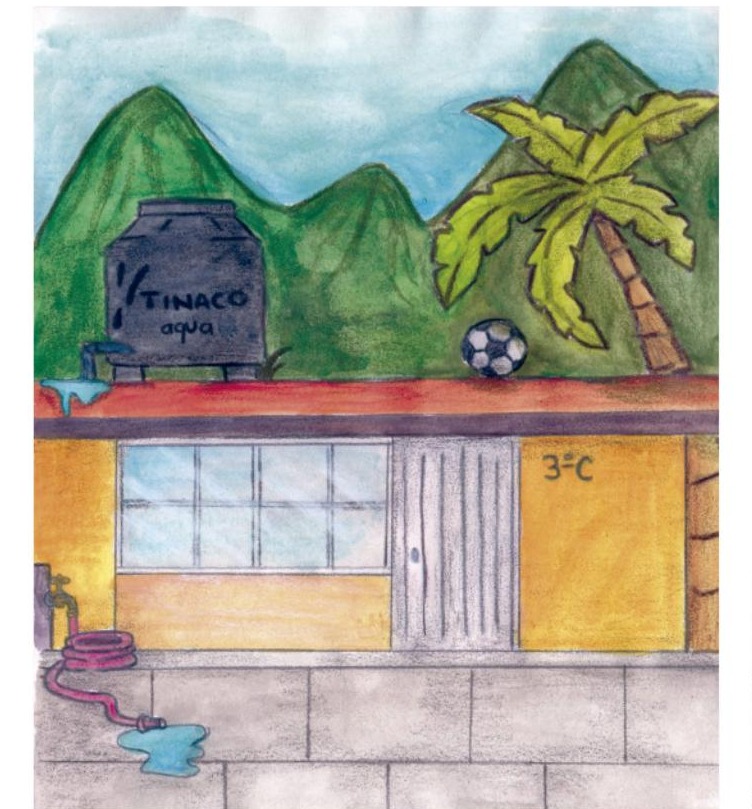
Producto: A written and oral narrative documenting the school ecosystem project, the rainwater wall, and classroom agreements for caring for ecosystem components.
Instrumento de evaluación de contenidos, PDA y producto del proyecto:
| Criterios de evaluación | Logrado | En proceso | Falta por consolidar |
|---|---|---|---|
| The student identifies the setting, participants, and sequence of events in the textbook narrative and project account | |||
| The student writes an understandable narrative that connects the school ecosystem concern with planning and explaining the rainwater wall | |||
| The student includes relevant details from the assigned textbook pages and maintains a coherent sequence of ideas | |||
| The student communicates a reflection or classroom agreement orally and in writing using clear, project-related language |
Antes de descargar
Datos, propósito y contenidos
- Develop students’ understanding of how narratives recount past and present events while strengthening oral, written, and creati?
- Narration of past and present events.
Actividades, producto y evaluación
- Third-grade School Projects textbook, p. 198, Third-grade School Projects textbook, p. 199, Third-grade School Projects textboo?
- A written and oral narrative documenting the school ecosystem project, the rainwater wall, and classroom agreements for caring ?
Tu material está listo para descargar
Elige Word, PDF o anexos desde un solo lugar.
Mira lo que los maestros ya crearon con Pirámide de la Lectura
Preguntas frecuentes sobre esta planeación
¿Para qué grado y semanas está diseñada esta planeación?
Está diseñada para tercer grado, la semana 11 de noviembre de 2026, dentro del ciclo escolar 2026–2027.
¿Qué metodología utiliza la planeación?
La secuencia utiliza project-based learning, following the textbook’s sequence for exploring the school ecosystem and communicating the purpose and value of the rainwater wall. y organiza actividades situadas con evidencias y un producto final.
¿La planeación incluye contenidos y PDA de la NEM?
Sí. Incluye el campo formativo, el contenido, el proceso de desarrollo de aprendizaje, actividades y evaluación formativa alineados con la NEM.
¿Puedo editar y adaptar el archivo?
Sí. La versión Word es editable para ajustar actividades, materiales, apoyos, tiempos y evidencias. El PDF está listo para imprimir.
