
Planeación didáctica por proyectos de segundo grado — Semana 10 de noviembre 2026: Reconozco y represento un estado de mi país
 ChannelKids
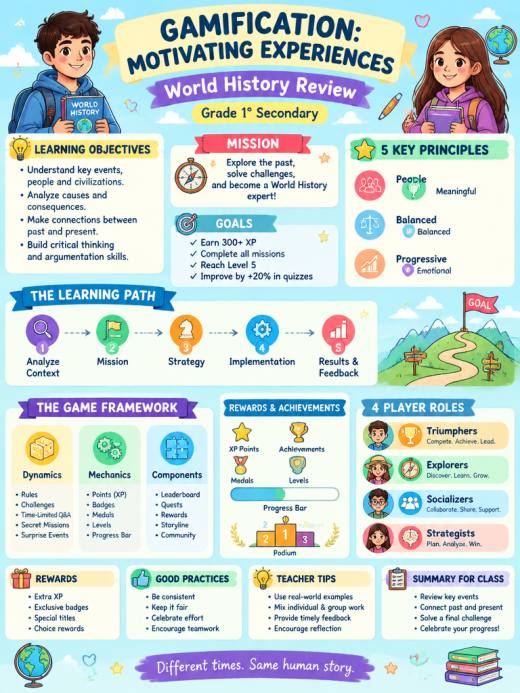
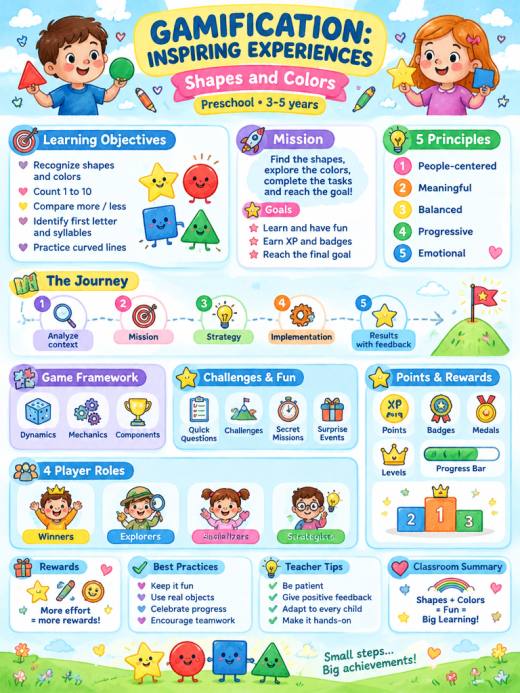
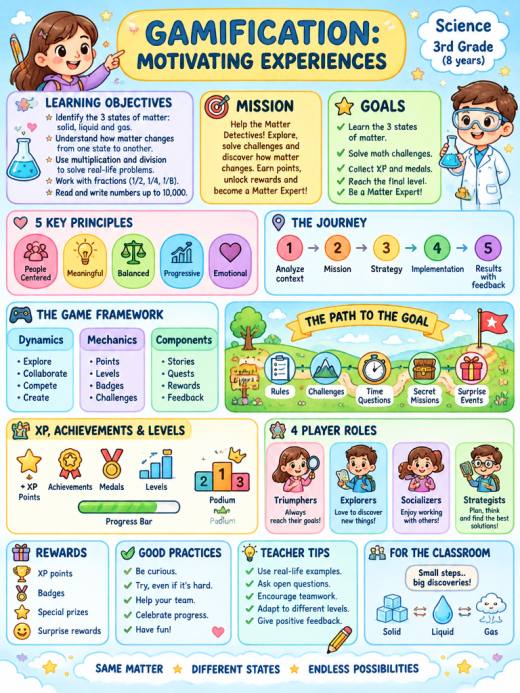
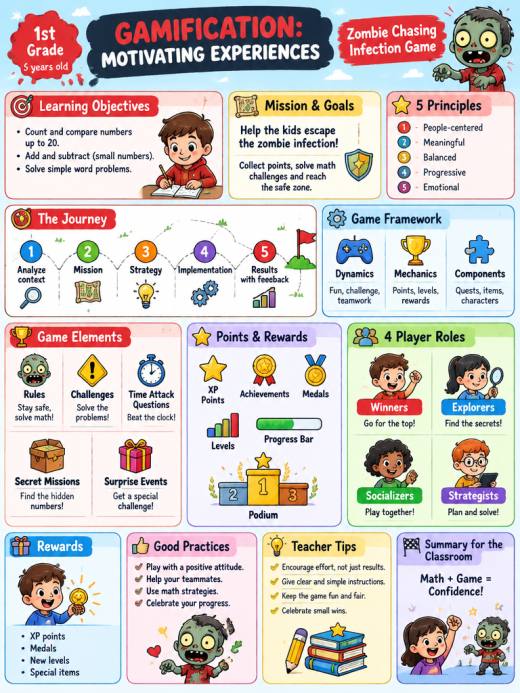
Mira lo que los maestros ya crearon con Gamificación Educativa

Tu planeación, en un vistazo
Una ruta clara para llevar el proyecto «Reconozco y represento un estado de mi país» al aula y adaptarlo a las necesidades de tu grupo.
Ver contexto pedagógico, adaptaciones y materiales
Esta planeación didáctica por proyectos está pensada para segundo grado, Fase 3, durante la semana 10 de noviembre del ciclo escolar 2026–2027. El proyecto «Reconozco y represento un estado de mi país» tiene como propósito students will communicate orally, in writing, and creatively as they investigate and represent a state of Mexico through its traditional clothing, food, and music. They will write their own names and the names of people connected with their work to identify authorship and belonging. La secuencia parte del contexto del grupo para convertir sus experiencias, preguntas y saberes previos en oportunidades de aprendizaje significativo.
La propuesta se desarrolla mediante project-based learning, following the textbook sequence from identifying prior knowledge through research, preparation, presentation, and reflection. y articula principalmente el campo formativo los campos formativos de la Nueva Escuela Mexicana. El contenido central aborda writing names in the mother tongue. Los PDA describen estos aprendizajes: students write their first and last names, as well as the names of family members, teachers, peers, and other people in their surroundings, to indicate authorship, belonging, and identity. Las actividades se distribuyen por día con momentos de inicio, desarrollo y cierre, de modo que el docente pueda observar avances, recuperar producciones y ajustar la intervención sin perder el sentido del proyecto.
El producto final será classroom exhibition poster and individual reflection. La evaluación es formativa y considera participación, procesos, producciones y reflexión del alumnado. Se sugieren recursos como textbook, page 75, Textbook, page 76, Notebook, Pencils, Textbook, page 77, Textbook, page 78, Notebook, Pencils, Classroom or school library resources, Textbook, page 79, Textbook, page 80, Notebook, Pencils, Textbook, page 81, Textbook, page 82, Notebook, Poster paper, Pencils, Markers or colored pencils, Research notes, Textbook, page 83, Textbook, page 84, Textbook, page 85, Group posters, Supporting notes, Notebook, Pencils. Para atender distintos ritmos de aprendizaje, ofrece apoyos visuales, consignas breves, opciones de respuesta oral o gráfica y acompañamiento entre pares. El documento puede descargarse en Word editable o en PDF listo para imprimir. Ambas versiones permiten adecuar tiempos, materiales, lenguaje, apoyos y evidencias a las necesidades reales de cada escuela.
Ficha curricular de la planeación
Consulta primero los elementos de la NEM. Después encontrarás la secuencia completa organizada por día.
Datos generales y propósito del proyecto
Ciclo escolar 2026–2027 · Fase 3.
Propósito: Students will communicate orally, in writing, and creatively as they investigate and represent a state of Mexico through its traditional clothing, food, and music. They will write their own names and the names of people connected with their work to identify authorship and belonging.
Metodología: Project-Based Learning, following the textbook sequence from identifying prior knowledge through research, preparation, presentation, and reflection.
Contenido
Writing names in the mother tongue.
Proceso de Desarrollo de Aprendizaje (PDA)
Students write their first and last names, as well as the names of family members, teachers, peers, and other people in their surroundings, to indicate authorship, belonging, and identity.
Ejes articuladores oficiales
Inclusión, Pensamiento crítico
Producto final
Classroom exhibition poster and individual reflection
Evaluacion formativa
Ver criterios y evidencias
The student writes their first and last name legibly to identify authorship of notes, recipe work, or reflection. The student records collaborators’ names accurately when identifying shared research and contributions. The student communicates researched information about traditional clothing, food, or music in a clear oral presentation. The student produces written project notes or a recipe that includes relevant information from the textbook sequence. The student listens respectfully to classmates’ presentations and expresses a relevant reflection about the project.
Materiales
Ver lista completa
Textbook, page 75, Textbook, page 76, Notebook, Pencils, Textbook, page 77, Textbook, page 78, Notebook, Pencils, Classroom or school library resources, Textbook, page 79, Textbook, page 80, Notebook, Pencils, Textbook, page 81, Textbook, page 82, Notebook, Poster paper, Pencils, Markers or colored pencils, Research notes, Textbook, page 83, Textbook, page 84, Textbook, page 85, Group posters, Supporting notes, Notebook, Pencils
Adaptaciones para el grupo
Para atender distintos ritmos de aprendizaje, ofrece apoyos visuales, consignas breves, opciones de respuesta oral o gráfica y acompañamiento entre pares.
Desarrollo completo de la planeación
Aquí comienza la organización diaria con inicio, desarrollo, cierre, recursos y evidencias. El contenido y el PDA ya están separados en la ficha anterior.
Reconozco y represento un estado de mi país
Semana: Semana 10 — Noviembre
Languages
Metodología: Project-Based Learning, following the textbook sequence from identifying prior knowledge through research, preparation, presentation, and reflection.
Propósito: Students will communicate orally, in writing, and creatively as they investigate and represent a state of Mexico through its traditional clothing, food, and music. They will write their own names and the names of people connected with their work to identify authorship and belonging.
Ejes articuladores
- Inclusión
- Pensamiento crítico
| Campo formativo | Contenido | PDA |
|---|---|---|
| Languages | Writing names in the mother tongue. | Students write their first and last names, as well as the names of family members, teachers, peers, and other people in their surroundings, to indicate authorship, belonging, and identity. |
| Día | Secuencia de actividades | Recursos |
|---|---|---|
| Monday | Introduce the project by inviting students to name cultural and artistic expressions they recognize in their own surroundings, then connect their contributions to the project’s purpose: investigating traditional clothing, food, and music from a state of Mexico and sharing what they learn through an exhibition. Read the project introduction and the questions on page 75, and guide students to discuss what they already know and what they would like to discover. Ask each student to write their full name on the page of notes they will use throughout the project, explaining that this identifies the author of the research. Continue with the traditional clothing images on page 76; invite students to describe visible details and listen respectfully to different observations. Close by checking that each student has recorded their name legibly and can state one question they hope the project will answer. | Textbook, page 75, Textbook, page 76, Notebook, Pencils |
| Tuesday | Build on Monday’s observations by asking students to recall a traditional outfit from the images or from a place they know. Using the questions and small-community research task on page 77, organize students into small groups to select one outfit, identify its name and associated state, and describe its material, colors, shapes, and other visible features. Guide the groups to consult classroom or school library resources when available, and have each student record the group’s findings in a notebook, including their own name as the author of their notes and the names of their collaborators. Then use the plenary questions on page 78 to connect the research with local clothing, dance, and food; invite students to explain their ideas in complete, audible statements. Assess whether they can distinguish observation from information found in a source and write names clearly. | Textbook, page 77, Textbook, page 78, Notebook, Pencils, Classroom or school library resources |
| Wednesday | Focus the class on how food can communicate the identity of a place by examining the traditional dishes shown on page 79. Invite students to choose an image that draws their attention and explain what ingredients they think it may contain, while acknowledging that their ideas are predictions until supported by information. Next, follow the individual recipe-writing task on page 80: students name a typical dish from their own surroundings and record its name, ingredients, and preparation method in the textbook chart. Ask them to write their full name beside their work so that authorship is clear, then pair students to read their recipes aloud and offer one respectful question or observation. Conclude by reviewing whether each recipe includes all three requested elements and whether the writer’s name is legible. | Textbook, page 79, Textbook, page 80, Notebook, Pencils |
| Thursday | Turn students’ attention to the musical expressions that accompany cultural traditions by using the research and images on page 81. In their small communities, have them gather information about one state’s traditional clothing, a dish, and its music, recording the source details and the names of group members responsible for the notes. Continue with the discussion prompts on page 82 so students can agree on which dance or musical performance interests them and identify any steps they already recognize. Then guide each group to review its collected information and prepare the supporting poster materials described in the project sequence, choosing clear text and drawings that represent the selected state. Check that names and labels are readable and that students can explain which information comes from their research. | Textbook, page 81, Textbook, page 82, Notebook, Poster paper, Pencils, Markers or colored pencils, Research notes |
| Friday | Bring the classroom project to its sharing stage by having each group present its poster and explain the state it investigated, using the preparation guidance on pages 83 and 84 while keeping the activity within the classroom. Invite students to identify the traditional clothing, dish, and music represented, and to use their supporting notes rather than relying only on memory; make sure each contributor is credited by name and each speaker has an opportunity to communicate. Establish respectful listening and invite classmates to offer specific comments about information they learned or a visual detail they noticed. Conclude with the reflection prompts on page 85: students write how they felt during the presentation and discuss which states presented by classmates interested them most and why. Review clarity of oral expression, completeness of written reflection, and legibility of names as evidence of learning. | Textbook, page 83, Textbook, page 84, Textbook, page 85, Group posters, Supporting notes, Notebook, Pencils |
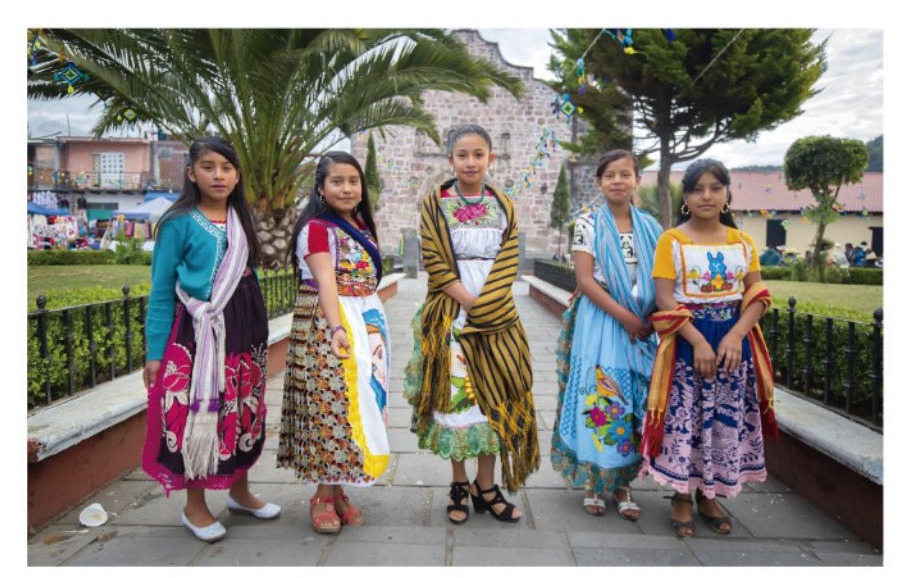
Producto: Classroom exhibition poster and individual reflection
Instrumento de evaluación de contenidos, PDA y producto del proyecto:
| Criterios de evaluación | Logrado | En proceso | Falta por consolidar |
|---|---|---|---|
| The student writes their first and last name legibly to identify authorship of notes, recipe work, or reflection | |||
| The student records collaborators’ names accurately when identifying shared research and contributions | |||
| The student communicates researched information about traditional clothing, food, or music in a clear oral presentation | |||
| The student produces written project notes or a recipe that includes relevant information from the textbook sequence | |||
| The student listens respectfully to classmates’ presentations and expresses a relevant reflection about the project |
Antes de descargar
Datos, propósito y contenidos
- Students will communicate orally, in writing, and creatively as they investigate and represent a state of Mexico through its tr?
- Writing names in the mother tongue.
Actividades, producto y evaluación
- Textbook, page 75, Textbook, page 76, Notebook, Pencils, Textbook, page 77, Textbook, page 78, Notebook, Pencils, Classroom or ?
- Classroom exhibition poster and individual reflection
Tu material está listo para descargar
Elige Word, PDF o anexos desde un solo lugar.
Mira lo que los maestros ya crearon con Gamificación Educativa
Preguntas frecuentes sobre esta planeación
¿Para qué grado y semanas está diseñada esta planeación?
Está diseñada para segundo grado, la semana 10 de noviembre de 2026, dentro del ciclo escolar 2026–2027.
¿Qué metodología utiliza la planeación?
La secuencia utiliza project-based learning, following the textbook sequence from identifying prior knowledge through research, preparation, presentation, and reflection. y organiza actividades situadas con evidencias y un producto final.
¿La planeación incluye contenidos y PDA de la NEM?
Sí. Incluye el campo formativo, el contenido, el proceso de desarrollo de aprendizaje, actividades y evaluación formativa alineados con la NEM.
¿Puedo editar y adaptar el archivo?
Sí. La versión Word es editable para ajustar actividades, materiales, apoyos, tiempos y evidencias. El PDF está listo para imprimir.
