
Planeación didáctica por proyectos de cuarto grado — Semana 10 de noviembre 2026: La aventura de la comida a través del cuerpo
 ChannelKids
Mira lo que los maestros ya crearon con Pirámide de la Lectura


Tu planeación, en un vistazo
Una ruta clara para llevar el proyecto «La aventura de la comida a través del cuerpo» al aula y adaptarlo a las necesidades de tu grupo.
Ver contexto pedagógico, adaptaciones y materiales
Esta planeación didáctica por proyectos está pensada para cuarto grado, Fase 4, durante la semana 10 de noviembre del ciclo escolar 2026–2027. El proyecto «La aventura de la comida a través del cuerpo» tiene como propósito develop students’ oral, written, and creative expression by narrating and explaining the journey of food through the digestive system. Students will use observations, research, discussion, and the project’s model-building activities to communicate accurate information and reflect on digestive health. La secuencia parte del contexto del grupo para convertir sus experiencias, preguntas y saberes previos en oportunidades de aprendizaje significativo.
La propuesta se desarrolla mediante inquiry-based learning with a steam approach, using the official classroom project as the central sequence. y articula principalmente el campo formativo los campos formativos de la Nueva Escuela Mexicana. El contenido central aborda narration of past and present events. Los PDA describen estos aprendizajes: students recognize and use varied narrative styles, resources, and strategies to recount Nicolas’s experience and explain the journey of food through the digestive system. Students organize information from the project’s readings, observations, research, and classroom discussions into clear oral and written explanations that describe digestive organs, their functions, and ways to care for the digestive system. Las actividades se distribuyen por día con momentos de inicio, desarrollo y cierre, de modo que el docente pueda observar avances, recuperar producciones y ajustar la intervención sin perder el sentido del proyecto.
El producto final será oral and written explanatory narrative supported by a labeled digestive-system model. La evaluación es formativa y considera participación, procesos, producciones y reflexión del alumnado. Se sugieren recursos como student notebook, Pencils, Official textbook, pages 126–128, Student notebook, Official textbook, pages 129–133, Cardboard silhouette, Clean reused bottles, tubes, and transparent bag, Colored paper, Adhesive tape, Organ-name cards, Scissors, Our Knowledge reference book, Student notebook, Official textbook, pages 134–135, Reusable plastic container, Transparent resealable bag, Reusable cup, Cooked beans, lentils, or a small piece of cooked meat, Banana, Crackers, Water, Baking soda, Vinegar or lemon juice, Tray or plate, Long stocking, Student notebook, Official textbook, pages 136–141, Our Knowledge reference book, Pencils, Classroom research materials, Student notebook, Official textbook, pages 138–139, Digestive-system classroom model, Team research notes. Para atender distintos ritmos de aprendizaje, ofrece apoyos visuales, consignas breves, opciones de respuesta oral o gráfica y acompañamiento entre pares. El documento puede descargarse en Word editable o en PDF listo para imprimir. Ambas versiones permiten adecuar tiempos, materiales, lenguaje, apoyos y evidencias a las necesidades reales de cada escuela.
Ficha curricular de la planeación
Consulta primero los elementos de la NEM. Después encontrarás la secuencia completa organizada por día.
Datos generales y propósito del proyecto
Ciclo escolar 2026–2027 · Fase 4.
Propósito: Develop students’ oral, written, and creative expression by narrating and explaining the journey of food through the digestive system. Students will use observations, research, discussion, and the project’s model-building activities to communicate accurate information and reflect on digestive health.
Metodología: Inquiry-based learning with a STEAM approach, using the official classroom project as the central sequence.
Contenido
Narration of past and present events.
Proceso de Desarrollo de Aprendizaje (PDA)
Students recognize and use varied narrative styles, resources, and strategies to recount Nicolas’s experience and explain the journey of food through the digestive system. Students organize information from the project’s readings, observations, research, and classroom discussions into clear oral and written explanations that describe digestive organs, their functions, and ways to care for the digestive system.
Ejes articuladores oficiales
Inclusión, Pensamiento crítico
Producto final
Oral and written explanatory narrative supported by a labeled digestive-system model.
Evaluacion formativa
Ver criterios y evidencias
The student recounts events or processes in a logical sequence and uses appropriate narrative transitions. The student accurately names digestive organs and explains their locations, functions, and roles in the route of food. The student communicates observations and research findings in complete, understandable oral and written explanations. The student uses the model, notes, and textbook information to support explanations and distinguish observations from claims. The student listens respectfully, contributes to collaborative work, and revises explanations in response to feedback.
Materiales
Ver lista completa
Student notebook, Pencils, Official textbook, pages 126–128, Student notebook, Official textbook, pages 129–133, Cardboard silhouette, Clean reused bottles, tubes, and transparent bag, Colored paper, Adhesive tape, Organ-name cards, Scissors, Our Knowledge reference book, Student notebook, Official textbook, pages 134–135, Reusable plastic container, Transparent resealable bag, Reusable cup, Cooked beans, lentils, or a small piece of cooked meat, Banana, Crackers, Water, Baking soda, Vinegar or lemon juice, Tray or plate, Long stocking, Student notebook, Official textbook, pages 136–141, Our Knowledge reference book, Pencils, Classroom research materials, Student notebook, Official textbook, pages 138–139, Digestive-system classroom model, Team research notes
Adaptaciones para el grupo
Para atender distintos ritmos de aprendizaje, ofrece apoyos visuales, consignas breves, opciones de respuesta oral o gráfica y acompañamiento entre pares.
Desarrollo completo de la planeación
Aquí comienza la organización diaria con inicio, desarrollo, cierre, recursos y evidencias. El contenido y el PDA ya están separados en la ficha anterior.
La aventura de la comida a través del cuerpo
Semana: Semana 10 — Noviembre
Languages
Metodología: Inquiry-based learning with a STEAM approach, using the official classroom project as the central sequence.
Propósito: Develop students’ oral, written, and creative expression by narrating and explaining the journey of food through the digestive system. Students will use observations, research, discussion, and the project’s model-building activities to communicate accurate information and reflect on digestive health.
Ejes articuladores
- Inclusión
- Pensamiento crítico
| Campo formativo | Contenido | PDA |
|---|---|---|
| Languages | Narration of past and present events. | Students recognize and use varied narrative styles, resources, and strategies to recount Nicolas’s experience and explain the journey of food through the digestive system. Students organize information from the project’s readings, observations, research, and classroom discussions into clear oral and written explanations that describe digestive organs, their functions, and ways to care for the digestive system. |
| Día | Secuencia de actividades | Recursos |
|---|---|---|
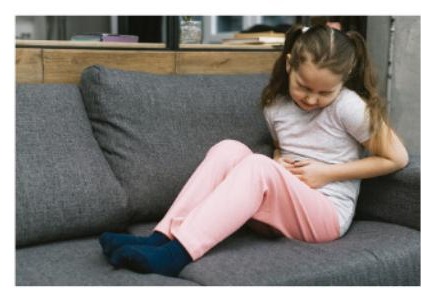
| Monday | Present Nicolas’s experience as a meaningful classroom problem: after eating tacos, he felt unwell but could only say that his stomach hurt. Read the account together and invite students to identify what happened first, what followed, and what Nicolas could not explain; use these details to discuss how a clear narrative helps someone describe an experience. Have each student complete the book’s table about the organs that might hurt and possible causes, then draw a digestive system and label the organs they already know (pp. 126–128). Invite volunteers to explain one part of their drawing using complete sentences, and note whether they distinguish what they know from what they are still wondering. Close by recording the class’s questions about organs, the path of food, and digestive care as the inquiry goals for the week. | Student notebook, Pencils, Official textbook, pages 126–128 |
| Tuesday | Turn the class’s questions into a shared investigation by revisiting the project’s three guiding questions about digestive organs, the route food follows, and ways to care for the system (p. 129). Organize small classroom teams and guide them in constructing the digestive-system model according to the book’s materials and illustrated procedure, assigning students roles for describing, assembling, and checking the placement of each organ (pp. 130–133). As teams work, prompt them to narrate the model’s construction in sequence, using time-order words such as “first,” “next,” and “finally,” and to explain why each labeled organ belongs in its position. Have students consult the recommended “Our Knowledge” reference book for information about ingestion, digestion, absorption, and excretion, then record key findings in their notebooks and identify those processes on the model. Assess sequence, clarity, and accurate use of organ names during team explanations. | Student notebook, Official textbook, pages 129–133, Cardboard silhouette, Clean reused bottles, tubes, and transparent bag, Colored paper, Adhesive tape, Organ-name cards, Scissors, Our Knowledge reference book |
| Wednesday | Invite students to predict how food changes as it travels through the body, then compare their ideas with the book’s hands-on digestion experiment (pp. 134–135). In small teams, follow the printed procedure using the listed food items, bag, water mixture, vinegar or lemon juice, and stocking; remind students to handle materials carefully and to describe observable changes rather than claim that the model reproduces every bodily process. After the investigation, have each student write a short, ordered account of what happened to the food mixture and connect each stage to the route shown on Tuesday’s model. Support revision by asking whether the account names events in a logical order and uses precise words for what was observed. Conclude with a brief oral sharing in which students distinguish observation from explanation and record questions that require further research. | Student notebook, Official textbook, pages 134–135, Reusable plastic container, Transparent resealable bag, Reusable cup, Cooked beans, lentils, or a small piece of cooked meat, Banana, Crackers, Water, Baking soda, Vinegar or lemon juice, Tray or plate, Long stocking |
| Thursday | Shift from the model to the question of digestive care by examining the project’s interview prompts about common digestive illnesses, possible causes, remedies, and preventive care (pp. 136–137). Keep the work within the classroom: students can use the prompts to prepare a written interview record from knowledge already shared with them by family members, or identify questions they would need to ask with family support outside this lesson, without conducting interviews in the school or community. Guide teams to research digestive care using the reference materials named in the book, then organize reliable information in the project’s tables for organs, characteristics, functions, illnesses, causes, remedies, and care (pp. 138–141). Ask students to turn one table entry into a concise explanatory paragraph, checking that claims are attributed to the information source and that the sequence of ideas is easy to follow. Close with peer feedback on clarity, complete sentences, and respectful treatment of local and Indigenous names. | Student notebook, Official textbook, pages 136–141, Our Knowledge reference book, Pencils, Classroom research materials |
| Friday | Bring the week’s learning together by asking each team to present its digestive-system model and explain the organs, their characteristics and functions, and the route food follows, as directed in the project (p. 138). Have individual students complete the process table for ingestion, digestion, nutrient absorption, and excretion, then solve the book’s elapsed-time exercise by explaining how the stated digestion times lead to each finishing time (p. 139). Continue with a short oral account that connects the model, experiment observations, and care information, and invite classmates to ask questions that the presenters answer using evidence from their notes and the book. Finish with a classroom reflection on which narrative strategies made the explanations easiest to understand and which information still needs clarification; assess accurate content, logical sequencing, speaking clarity, and constructive listening. | Student notebook, Official textbook, pages 138–139, Digestive-system classroom model, Team research notes |
Producto: Oral and written explanatory narrative supported by a labeled digestive-system model.
Instrumento de evaluación de contenidos, PDA y producto del proyecto:
| Criterios de evaluación | Logrado | En proceso | Falta por consolidar |
|---|---|---|---|
| The student recounts events or processes in a logical sequence and uses appropriate narrative transitions | |||
| The student accurately names digestive organs and explains their locations, functions, and roles in the route of food | |||
| The student communicates observations and research findings in complete, understandable oral and written explanations | |||
| The student uses the model, notes, and textbook information to support explanations and distinguish observations from claims | |||
| The student listens respectfully, contributes to collaborative work, and revises explanations in response to feedback |
Antes de descargar
Datos, propósito y contenidos
- Develop students’ oral, written, and creative expression by narrating and explaining the journey of food through the digestive ?
- Narration of past and present events.
Actividades, producto y evaluación
- Student notebook, Pencils, Official textbook, pages 126–128, Student notebook, Official textbook, pages 129–133, Cardboard silh?
- Oral and written explanatory narrative supported by a labeled digestive-system model.
Tu material está listo para descargar
Elige Word, PDF o anexos desde un solo lugar.
Mira lo que los maestros ya crearon con Pirámide de la Lectura
Preguntas frecuentes sobre esta planeación
¿Para qué grado y semanas está diseñada esta planeación?
Está diseñada para cuarto grado, la semana 10 de noviembre de 2026, dentro del ciclo escolar 2026–2027.
¿Qué metodología utiliza la planeación?
La secuencia utiliza inquiry-based learning with a steam approach, using the official classroom project as the central sequence. y organiza actividades situadas con evidencias y un producto final.
¿La planeación incluye contenidos y PDA de la NEM?
Sí. Incluye el campo formativo, el contenido, el proceso de desarrollo de aprendizaje, actividades y evaluación formativa alineados con la NEM.
¿Puedo editar y adaptar el archivo?
Sí. La versión Word es editable para ajustar actividades, materiales, apoyos, tiempos y evidencias. El PDF está listo para imprimir.
