
Planeación didáctica por proyectos de tercer grado — Semana 11 de noviembre 2026: Mi amigo el ajolote
 ChannelKids
Mira lo que los maestros ya crearon con Hoja de Trabajo Infantil
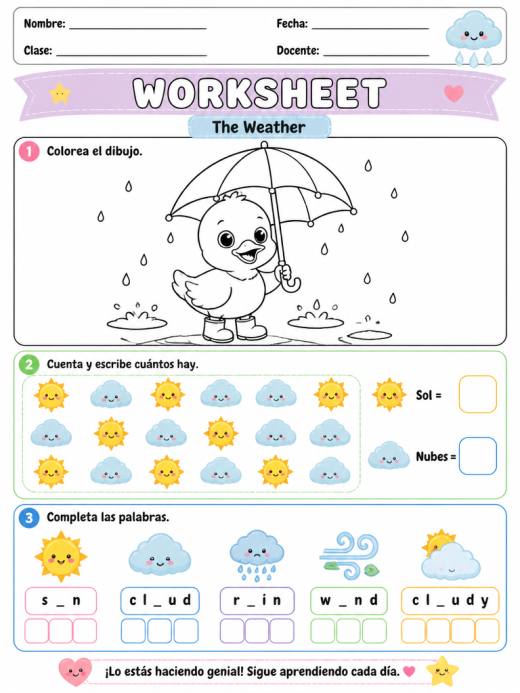
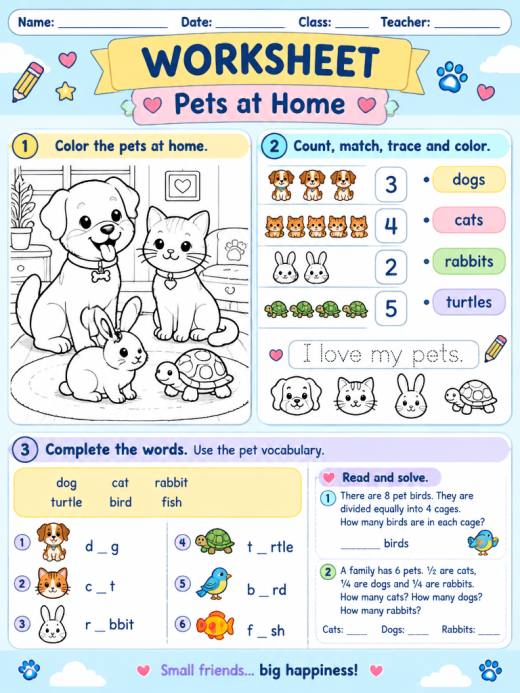
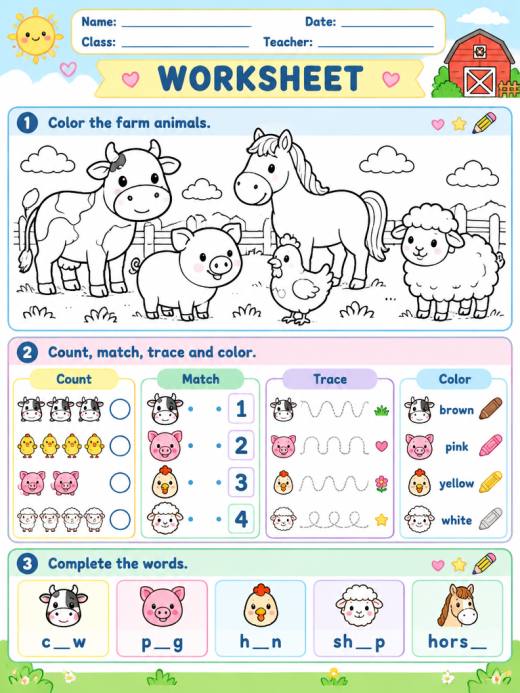
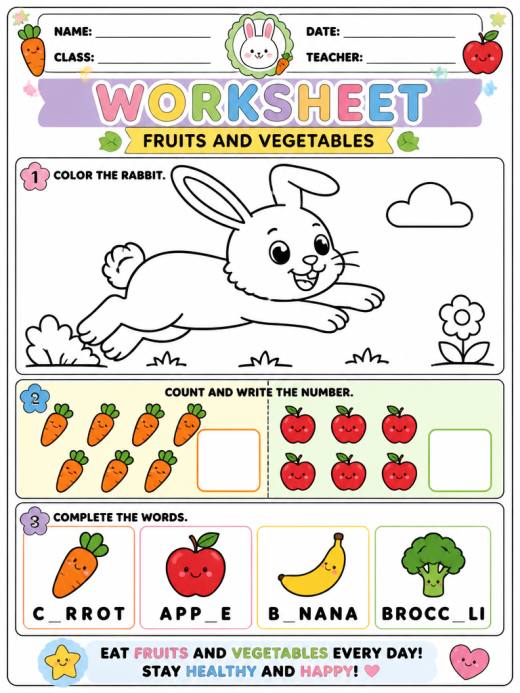

Tu planeación, en un vistazo
Una ruta clara para llevar el proyecto «Mi amigo el ajolote» al aula y adaptarlo a las necesidades de tu grupo.
Ver contexto pedagógico, adaptaciones y materiales
Esta planeación didáctica por proyectos está pensada para tercer grado, Fase 4, durante la semana 11 de noviembre del ciclo escolar 2026–2027. El proyecto «Mi amigo el ajolote» tiene como propósito develop students’ oral, written, and creative expression through the textbook project “My Axolotl Friend.” Students will identify features of narration while gathering and organizing information about the axolotl and communicating ways to help protect it. La secuencia parte del contexto del grupo para convertir sus experiencias, preguntas y saberes previos en oportunidades de aprendizaje significativo.
La propuesta se desarrolla mediante community project-based learning y articula principalmente el campo formativo los campos formativos de la Nueva Escuela Mexicana. El contenido central aborda narration of past and present events. Los PDA describen estos aprendizajes: students identify the function of narration as a way to communicate information and experiences about the axolotl, including its characteristics, habitat, and current challenges. Students recognize key features of narration by listening to, discussing, and organizing information from the textbook reading and interviews. Students communicate researched information about the axolotl through clear oral explanations, written notes, and creative visual products. Las actividades se distribuyen por día con momentos de inicio, desarrollo y cierre, de modo que el docente pueda observar avances, recuperar producciones y ajustar la intervención sin perder el sentido del proyecto.
El producto final será axolotl information poster and oral presentation. La evaluación es formativa y considera participación, procesos, producciones y reflexión del alumnado. Se sugieren recursos como notebook, Textbook, p. 51, Textbook, p. 52, Notebook, Textbook, p. 53, Notebook, Textbook, pp. 54–55, Notebook, Textbook, p. 56, Textbook, p. 57, Notebook, Textbook, p. 58, Textbook, p. 59, Poster board or large paper, Colored markers, Colored pencils, Ruler, Glue, Scissors, Axolotl three-dimensional model. Para atender distintos ritmos de aprendizaje, ofrece apoyos visuales, consignas breves, opciones de respuesta oral o gráfica y acompañamiento entre pares. El documento puede descargarse en Word editable o en PDF listo para imprimir. Ambas versiones permiten adecuar tiempos, materiales, lenguaje, apoyos y evidencias a las necesidades reales de cada escuela.
Ficha curricular de la planeación
Consulta primero los elementos de la NEM. Después encontrarás la secuencia completa organizada por día.
Datos generales y propósito del proyecto
Ciclo escolar 2026–2027 · Fase 4.
Propósito: Develop students’ oral, written, and creative expression through the textbook project “My Axolotl Friend.” Students will identify features of narration while gathering and organizing information about the axolotl and communicating ways to help protect it.
Metodología: Community Project-Based Learning
Contenido
Narration of past and present events.
Proceso de Desarrollo de Aprendizaje (PDA)
Students identify the function of narration as a way to communicate information and experiences about the axolotl, including its characteristics, habitat, and current challenges. Students recognize key features of narration by listening to, discussing, and organizing information from the textbook reading and interviews. Students communicate researched information about the axolotl through clear oral explanations, written notes, and creative visual products.
Ejes articuladores oficiales
Inclusión, Pensamiento crítico
Producto final
Axolotl information poster and oral presentation
Evaluacion formativa
Ver criterios y evidencias
Students identify the purpose and key features of narration when organizing information about the axolotl’s past and present. Students record relevant details from readings and interviews accurately in their notebooks. Students explain axolotl-related problems and communicate solutions that correspond to the information gathered. Students present information orally with clear, audible speech and respond appropriately to classmates’ questions. Students create a readable, visually purposeful poster that uses concise text and relevant images to communicate their learning.
Materiales
Ver lista completa
Notebook, Textbook, p. 51, Textbook, p. 52, Notebook, Textbook, p. 53, Notebook, Textbook, pp. 54–55, Notebook, Textbook, p. 56, Textbook, p. 57, Notebook, Textbook, p. 58, Textbook, p. 59, Poster board or large paper, Colored markers, Colored pencils, Ruler, Glue, Scissors, Axolotl three-dimensional model
Adaptaciones para el grupo
Para atender distintos ritmos de aprendizaje, ofrece apoyos visuales, consignas breves, opciones de respuesta oral o gráfica y acompañamiento entre pares.
Desarrollo completo de la planeación
Aquí comienza la organización diaria con inicio, desarrollo, cierre, recursos y evidencias. El contenido y el PDA ya están separados en la ficha anterior.
Mi amigo el ajolote
Semana: Semana 11 — Noviembre
Languages
Metodología: Community Project-Based Learning
Propósito: Develop students’ oral, written, and creative expression through the textbook project “My Axolotl Friend.” Students will identify features of narration while gathering and organizing information about the axolotl and communicating ways to help protect it.
Ejes articuladores
- Inclusión
- Pensamiento crítico
| Campo formativo | Contenido | PDA |
|---|---|---|
| Languages | Narration of past and present events. | Students identify the function of narration as a way to communicate information and experiences about the axolotl, including its characteristics, habitat, and current challenges. Students recognize key features of narration by listening to, discussing, and organizing information from the textbook reading and interviews. Students communicate researched information about the axolotl through clear oral explanations, written notes, and creative visual products. |
| Día | Secuencia de actividades | Recursos |
|---|---|---|
| Monday | Connect the project to students’ prior knowledge by inviting them to describe what they already know about the axolotl and where they may have encountered information about it. Read the introductory passage aloud and have students identify details that tell about the animal’s past cultural significance and present characteristics, such as its ability to regenerate. Ask how a narration helps a reader learn about a subject, then guide students to record a brief account in their notebooks using details from the reading (p. 51). Continue by examining the illustrations on the following page and completing the “I see, I think, I wonder” chart, encouraging precise observations and questions about the axolotl’s appearance and habitat (p. 52). | Notebook, Textbook, p. 51, Textbook, p. 52 |
| Tuesday | Invite students to revisit one question from their observation chart and explain what evidence would help answer it. Read the textbook’s account of the axolotl’s name and its place in Aztec mythology, then compare information about the past with what students observed about the animal in the present (p. 53). In small classroom groups, have students plan the project’s investigation and conduct an informal interview with a family member about what that person knows about the axolotl; students should listen respectfully, take turns, and note the most important response in their notebooks. Back in class, ask each group to share selected answers and distinguish information learned through the interview from ideas they still need to verify, assessing listening, clarity, and accurate note-taking. | Notebook, Textbook, p. 53 |
| Wednesday | Use students’ interview questions to launch a focused discussion about how formal and informal interviews can contribute different kinds of information to a narration about the axolotl. Guide students through the textbook’s explanations of interview types and conflict resolution, and have them summarize these concepts in their notebooks (p. 54). Next, organize the class information so students can identify what they want to learn from a biology or natural sciences specialist, using the textbook’s suggested questions about the axolotl’s food, characteristics, habitat, lifespan, colors, and risk of extinction (pp. 54–55). Keep the work within the classroom by rehearsing how to ask and answer the questions respectfully; students can add their own questions and practice speaking audibly and recording responses accurately. | Notebook, Textbook, pp. 54–55 |
| Thursday | Present the information gathered through the interviews as evidence for describing the axolotl and its challenges, then direct students to record problems and possible solutions in the textbook table (p. 56). Ask partners to explain how one solution could be communicated to a reader who knows little about the animal, linking the written proposal to the purpose and organization of narration. Continue with a classroom review of draft information for the poster, inviting students to offer constructive suggestions and to record the teacher’s feedback and their main observations (p. 57). Have each student revise the information for accuracy, clarity, and readable wording, while formative assessment focuses on whether the proposed solutions are connected to identified problems and supported by interview information. | Notebook, Textbook, p. 56, Textbook, p. 57 |
| Friday | Arrange a classroom sharing session in which students present their axolotl information and explain how their selected facts and solutions help an audience understand the animal. First, review the textbook’s poster questions about habitat, food, keeping an axolotl as a pet, and its main problems, then have students select concise information and suitable images for their poster (p. 58). Students can use the textbook’s design guidance to create a striking background, make images easy to see, and limit the wording so the message remains clear from a distance (p. 59). Conclude by having classmates listen, ask relevant questions, and reflect on how the poster and three-dimensional model communicate their learning; assess factual accuracy, oral clarity, purposeful writing, and creative presentation. | Notebook, Textbook, p. 58, Textbook, p. 59, Poster board or large paper, Colored markers, Colored pencils, Ruler, Glue, Scissors, Axolotl three-dimensional model |
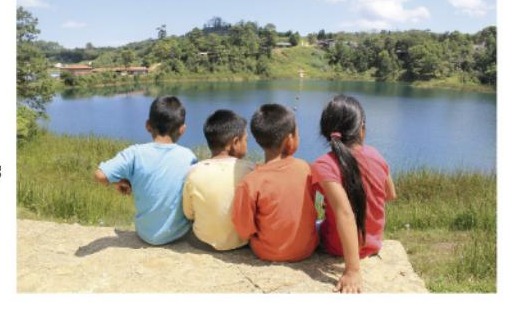
Producto: Axolotl information poster and oral presentation
Instrumento de evaluación de contenidos, PDA y producto del proyecto:
| Criterios de evaluación | Logrado | En proceso | Falta por consolidar |
|---|---|---|---|
| Students identify the purpose and key features of narration when organizing information about the axolotl’s past and present | |||
| Students record relevant details from readings and interviews accurately in their notebooks | |||
| Students explain axolotl-related problems and communicate solutions that correspond to the information gathered | |||
| Students present information orally with clear, audible speech and respond appropriately to classmates’ questions | |||
| Students create a readable, visually purposeful poster that uses concise text and relevant images to communicate their learning |
Antes de descargar
Datos, propósito y contenidos
- Develop students’ oral, written, and creative expression through the textbook project “My Axolotl Friend.” Students will identi?
- Narration of past and present events.
Actividades, producto y evaluación
- Notebook, Textbook, p. 51, Textbook, p. 52, Notebook, Textbook, p. 53, Notebook, Textbook, pp. 54–55, Notebook, Textbook, p. 56?
- Axolotl information poster and oral presentation
Tu material está listo para descargar
Elige Word, PDF o anexos desde un solo lugar.
Mira lo que los maestros ya crearon con Hoja de Trabajo Infantil
Preguntas frecuentes sobre esta planeación
¿Para qué grado y semanas está diseñada esta planeación?
Está diseñada para tercer grado, la semana 11 de noviembre de 2026, dentro del ciclo escolar 2026–2027.
¿Qué metodología utiliza la planeación?
La secuencia utiliza community project-based learning y organiza actividades situadas con evidencias y un producto final.
¿La planeación incluye contenidos y PDA de la NEM?
Sí. Incluye el campo formativo, el contenido, el proceso de desarrollo de aprendizaje, actividades y evaluación formativa alineados con la NEM.
¿Puedo editar y adaptar el archivo?
Sí. La versión Word es editable para ajustar actividades, materiales, apoyos, tiempos y evidencias. El PDF está listo para imprimir.
