
Planeación didáctica por proyectos de tercer grado — Semana 11 de noviembre 2026: Los aportes culturales de mi comunidad
 ChannelKids
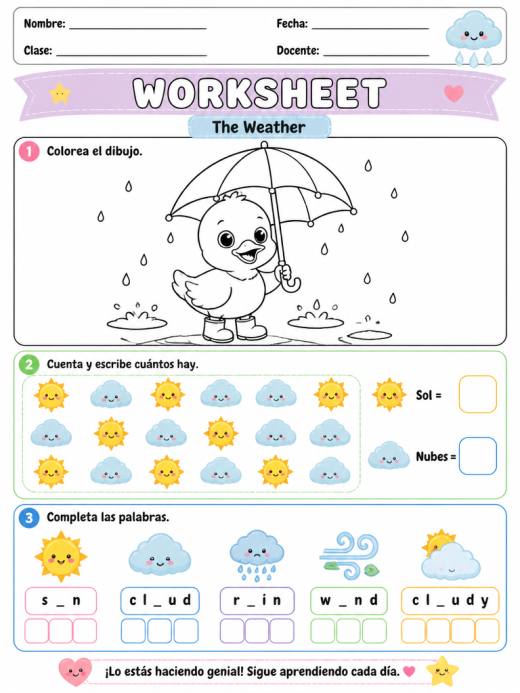
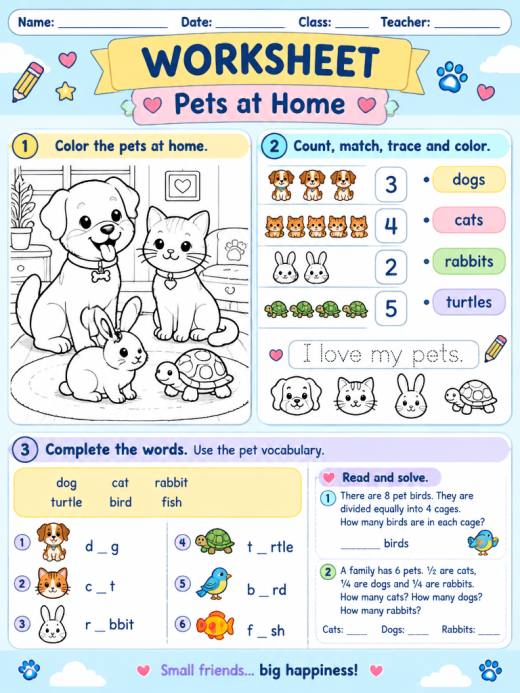
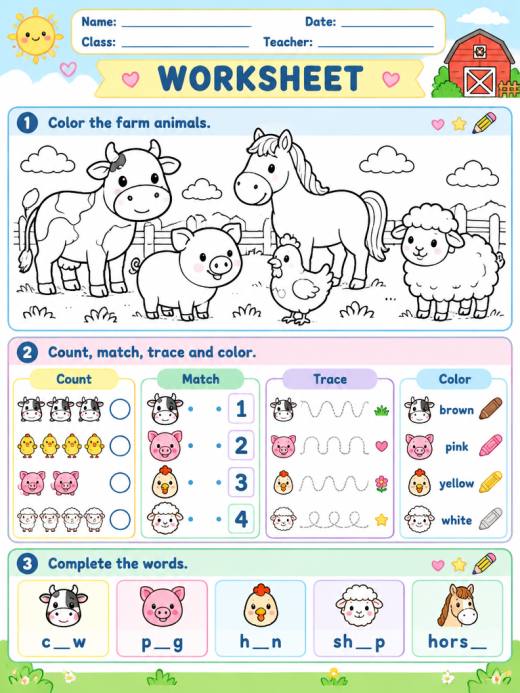
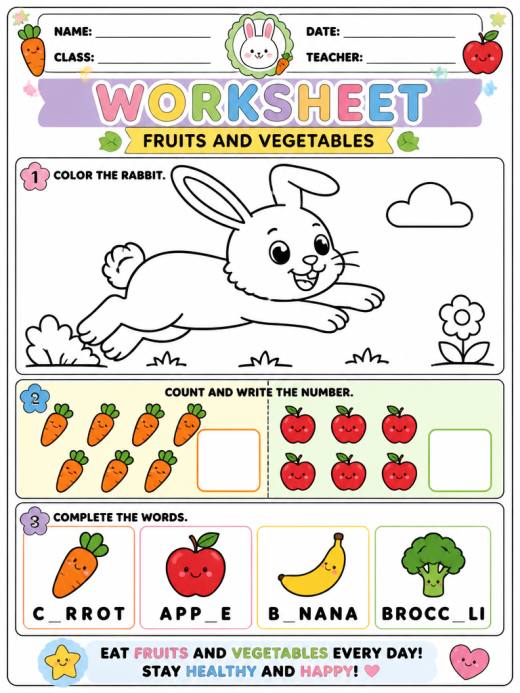
Mira lo que los maestros ya crearon con Hoja de Trabajo Infantil

Tu planeación, en un vistazo
Una ruta clara para llevar el proyecto «Los aportes culturales de mi comunidad» al aula y adaptarlo a las necesidades de tu grupo.
Ver contexto pedagógico, adaptaciones y materiales
Esta planeación didáctica por proyectos está pensada para tercer grado, Fase 4, durante la semana 11 de noviembre del ciclo escolar 2026–2027. El proyecto «Los aportes culturales de mi comunidad» tiene como propósito students will recognize how narratives communicate past and present events and use this understanding to express cultural contributions connected to their community. Through the project’s classroom-based activities, they will develop oral, written, and creative expression while reflecting on how people interact with their environment. La secuencia parte del contexto del grupo para convertir sus experiencias, preguntas y saberes previos en oportunidades de aprendizaje significativo.
La propuesta se desarrolla mediante community project-based learning y articula principalmente el campo formativo los campos formativos de la Nueva Escuela Mexicana. El contenido central aborda narration of past and present events. Los PDA describen estos aprendizajes: students identify the purpose and main characteristics of a narrative by examining how it recounts events from the past or present. Students communicate a community-related account orally, in writing, and creatively, organizing ideas so that listeners or readers can understand the events and their significance. Las actividades se distribuyen por día con momentos de inicio, desarrollo y cierre, de modo que el docente pueda observar avances, recuperar producciones y ajustar la intervención sin perder el sentido del proyecto.
El producto final será illustrated classroom narrative about a community cultural contribution or remembered sustainable practice. La evaluación es formativa y considera participación, procesos, producciones y reflexión del alumnado. Se sugieren recursos como student notebooks, Drawing paper, Pencils, Colored pencils, Textbook, page 196, Student notebooks, Monday’s sketches, Textbook, page 196, Student notebooks, Pencils, Textbook, page 196, Student notebooks, Illustrated narratives, Textbook, page 196. Para atender distintos ritmos de aprendizaje, ofrece apoyos visuales, consignas breves, opciones de respuesta oral o gráfica y acompañamiento entre pares. El documento puede descargarse en Word editable o en PDF listo para imprimir. Ambas versiones permiten adecuar tiempos, materiales, lenguaje, apoyos y evidencias a las necesidades reales de cada escuela.
Ficha curricular de la planeación
Consulta primero los elementos de la NEM. Después encontrarás la secuencia completa organizada por día.
Datos generales y propósito del proyecto
Ciclo escolar 2026–2027 · Fase 4.
Propósito: Students will recognize how narratives communicate past and present events and use this understanding to express cultural contributions connected to their community. Through the project’s classroom-based activities, they will develop oral, written, and creative expression while reflecting on how people interact with their environment.
Metodología: Community Project-Based Learning
Contenido
Narration of past and present events.
Proceso de Desarrollo de Aprendizaje (PDA)
Students identify the purpose and main characteristics of a narrative by examining how it recounts events from the past or present. Students communicate a community-related account orally, in writing, and creatively, organizing ideas so that listeners or readers can understand the events and their significance.
Ejes articuladores oficiales
Inclusión, Pensamiento crítico
Producto final
Illustrated classroom narrative about a community cultural contribution or remembered sustainable practice.
Evaluacion formativa
Ver criterios y evidencias
The student identifies that a narrative recounts an event and distinguishes whether the account concerns the past or present. The student organizes a community-related account so that its events and central meaning are understandable. The student communicates the account orally with audible speech, relevant details, and respectful listening during classmates’ presentations. The student combines writing and visual representation to express a community-related idea without changing the meaning of the account.
Materiales
Ver lista completa
Student notebooks, Drawing paper, Pencils, Colored pencils, Textbook, page 196, Student notebooks, Monday’s sketches, Textbook, page 196, Student notebooks, Pencils, Textbook, page 196, Student notebooks, Illustrated narratives, Textbook, page 196
Adaptaciones para el grupo
Para atender distintos ritmos de aprendizaje, ofrece apoyos visuales, consignas breves, opciones de respuesta oral o gráfica y acompañamiento entre pares.
Desarrollo completo de la planeación
Aquí comienza la organización diaria con inicio, desarrollo, cierre, recursos y evidencias. El contenido y el PDA ya están separados en la ficha anterior.
Los aportes culturales de mi comunidad
Semana: Semana 11 — Noviembre
Languages
Metodología: Community Project-Based Learning
Propósito: Students will recognize how narratives communicate past and present events and use this understanding to express cultural contributions connected to their community. Through the project’s classroom-based activities, they will develop oral, written, and creative expression while reflecting on how people interact with their environment.
Ejes articuladores
- Inclusión
- Pensamiento crítico
| Campo formativo | Contenido | PDA |
|---|---|---|
| Languages | Narration of past and present events. | Students identify the purpose and main characteristics of a narrative by examining how it recounts events from the past or present. Students communicate a community-related account orally, in writing, and creatively, organizing ideas so that listeners or readers can understand the events and their significance. |
| Día | Secuencia de actividades | Recursos |
|---|---|---|
| Monday | Begin by inviting students to recall a place, construction, or feature of their community that helps them understand how people live in relation to their surroundings. Clarify that the week’s project, “Cultural Contributions of My Community,” will use stories and descriptions to strengthen oral, written, and creative expression in the classroom. The supplied excerpt on page 196 concerns observing territory, drawing its characteristics, and considering human-made constructions; its wording is partly corrupted, so do not present uncertain text as a verified book instruction. Instead, use the legible ideas as a prompt for students to sketch one familiar feature and orally explain what it shows about community life. Close by noting whether each student communicates a clear idea and recognizes that an account can describe an observed or remembered event. | Student notebooks, Drawing paper, Pencils, Colored pencils, Textbook, page 196 |
| Tuesday | Use students’ sketches as the starting point for a guided conversation about how a place or construction may have changed over time and what people remember about it. Refer to the legible portion of page 196, which asks students to identify ecosystem deterioration and recover attendees’ stories about sustainable practices; because the transcription is damaged and does not provide the project’s complete sequence, explain only these reliably readable ideas and avoid attributing additional questions or exercises to the book. Have partners tell a brief account linking a remembered or observed change with a community practice, then ask listeners to identify what happened and whether the account concerns the past or present. Offer feedback on clear sequencing, attentive listening, and respectful treatment of different experiences. | Student notebooks, Monday’s sketches, Textbook, page 196 |
| Wednesday | Invite pairs to select one story shared in the classroom about a community place, a change in the surroundings, or a sustainable practice, and to retell it in their own words without adding details they cannot support. Connect the work to page 196, whose readable text refers to recording observed territory, recognizing ecosystem deterioration, and recalling sustainable practices; clarify that the provided extract does not show further pages or a complete narrative-writing task. Ask each pair to arrange its account so that a listener can follow what was remembered or observed and why it matters. As students rehearse, assess whether they distinguish an event from an opinion, speak audibly, and preserve the meaning of the original account. | Student notebooks, Pencils, Textbook, page 196 |
| Thursday | Turn the classroom’s collected accounts into a creative expression workshop by asking each student to choose a remembered or observed community feature and represent it through a short written narrative accompanied by a drawing. Keep the task anchored to the ideas that can be verified on page 196: characteristics of territory, human-made constructions, environmental deterioration, and remembered sustainable practices. Explain that students should make the event understandable to a reader by stating what was seen or remembered and connecting it to community life, while not inventing book directions absent from the supplied extract. Invite partners to exchange drafts and offer one specific suggestion about clarity or sequence; review whether revisions retain the account’s meaning and support the student’s oral explanation. | Student notebooks, Drawing paper, Pencils, Colored pencils, Textbook, page 196 |
| Friday | Arrange a classroom sharing circle in which students present their illustrated narratives about a community feature, a remembered change, or a sustainable practice. Relate the presentations to the final legible instruction on page 196, which asks students to record agreements reached in community about recognizing territory as a living space and acting responsibly and sustainably toward ecosystems. Keep the audience within the classroom, consistent with the stated setting, and invite listeners to identify whether each account describes a past or present event and what contribution or learning it communicates. Close by having students write one reflection on how organizing a narrative helped them express an idea; use the presentations and reflections to assess comprehension, oral clarity, written organization, and creative communication. | Student notebooks, Illustrated narratives, Textbook, page 196 |
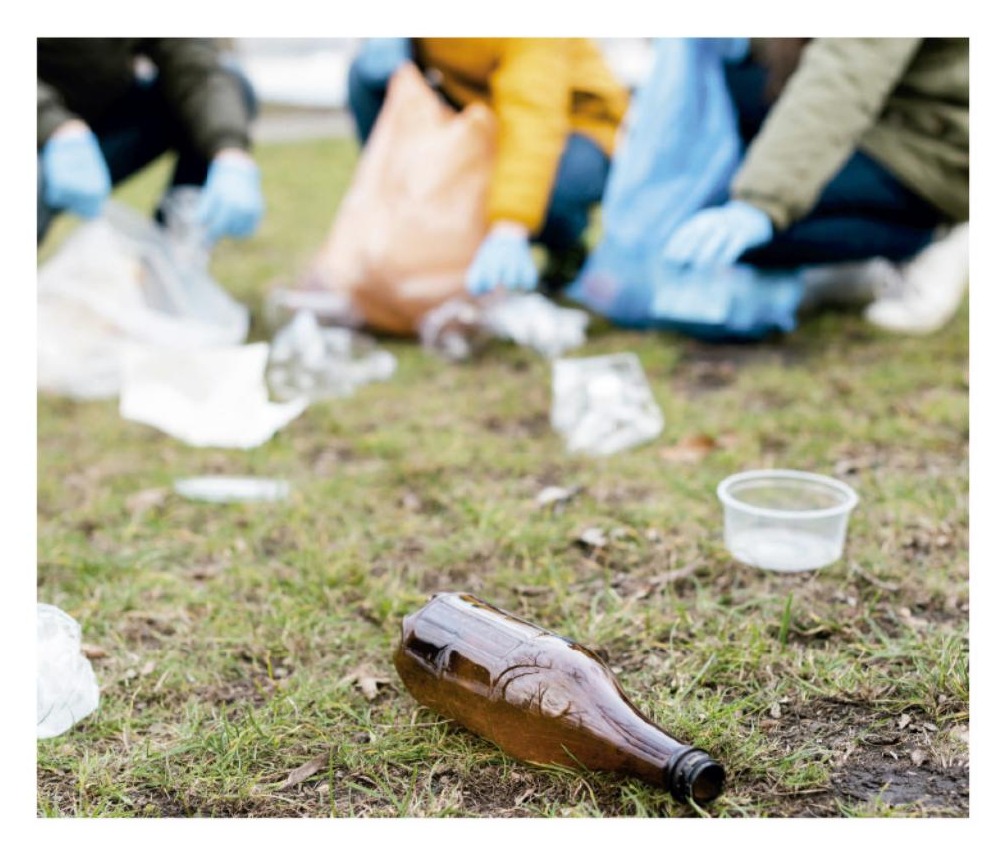
Producto: Illustrated classroom narrative about a community cultural contribution or remembered sustainable practice.
Instrumento de evaluación de contenidos, PDA y producto del proyecto:
| Criterios de evaluación | Logrado | En proceso | Falta por consolidar |
|---|---|---|---|
| The student identifies that a narrative recounts an event and distinguishes whether the account concerns the past or present | |||
| The student organizes a community-related account so that its events and central meaning are understandable | |||
| The student communicates the account orally with audible speech, relevant details, and respectful listening during classmates’ presentations | |||
| The student combines writing and visual representation to express a community-related idea without changing the meaning of the account |
Antes de descargar
Datos, propósito y contenidos
- Students will recognize how narratives communicate past and present events and use this understanding to express cultural contr?
- Narration of past and present events.
Actividades, producto y evaluación
- Student notebooks, Drawing paper, Pencils, Colored pencils, Textbook, page 196, Student notebooks, Monday’s sketches, Textbook,?
- Illustrated classroom narrative about a community cultural contribution or remembered sustainable practice.
Tu material está listo para descargar
Elige Word, PDF o anexos desde un solo lugar.
Mira lo que los maestros ya crearon con Hoja de Trabajo Infantil
Preguntas frecuentes sobre esta planeación
¿Para qué grado y semanas está diseñada esta planeación?
Está diseñada para tercer grado, la semana 11 de noviembre de 2026, dentro del ciclo escolar 2026–2027.
¿Qué metodología utiliza la planeación?
La secuencia utiliza community project-based learning y organiza actividades situadas con evidencias y un producto final.
¿La planeación incluye contenidos y PDA de la NEM?
Sí. Incluye el campo formativo, el contenido, el proceso de desarrollo de aprendizaje, actividades y evaluación formativa alineados con la NEM.
¿Puedo editar y adaptar el archivo?
Sí. La versión Word es editable para ajustar actividades, materiales, apoyos, tiempos y evidencias. El PDF está listo para imprimir.
