
Planeación didáctica por proyectos de primer grado — Semana 9 de noviembre 2026: ¡Una escuela llena de emociones!
 ChannelKids
Mira lo que los maestros ya crearon con Hoja de Trabajo Infantil
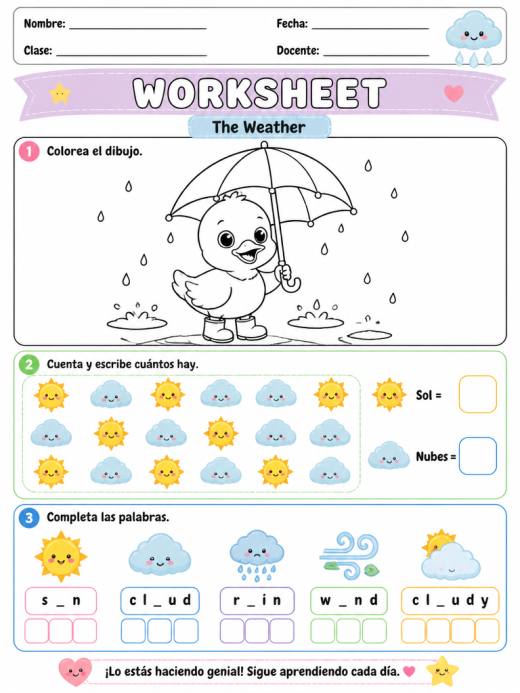
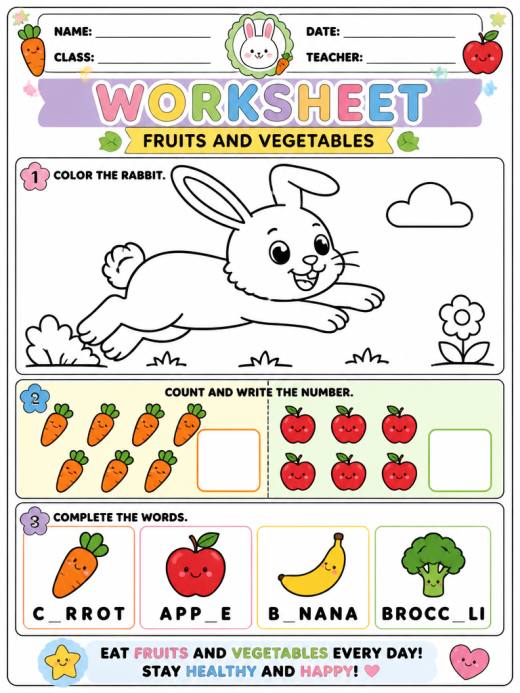
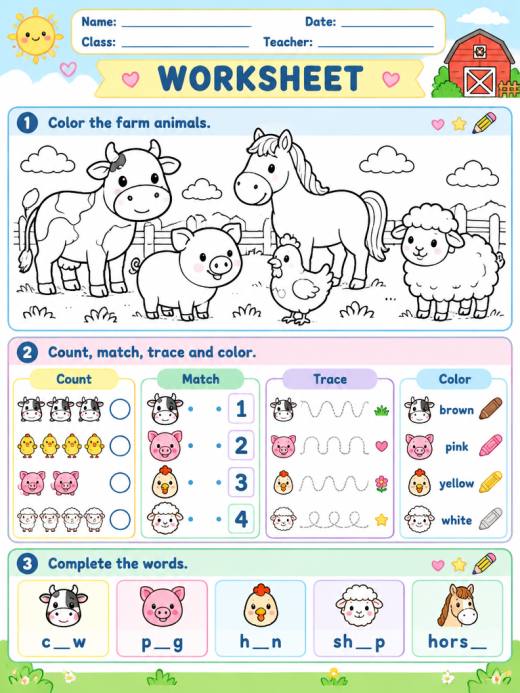
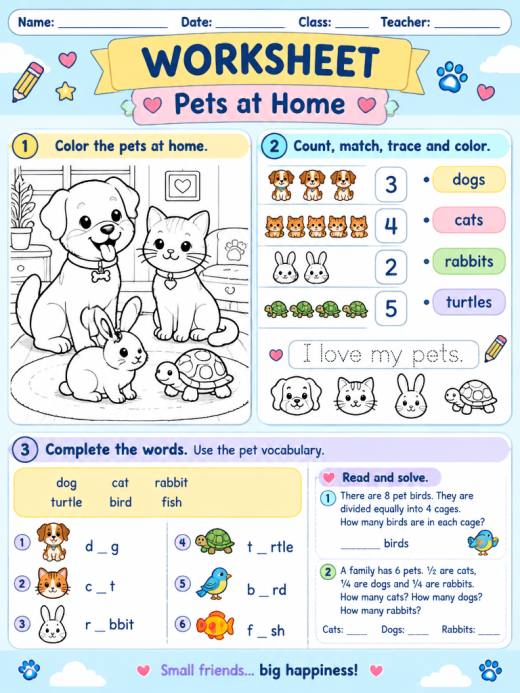

Tu planeación, en un vistazo
Una ruta clara para llevar el proyecto «¡Una escuela llena de emociones!» al aula y adaptarlo a las necesidades de tu grupo.
Ver contexto pedagógico, adaptaciones y materiales
Esta planeación didáctica por proyectos está pensada para primer grado, Fase 3, durante la semana 9 de noviembre del ciclo escolar 2026–2027. El proyecto «¡Una escuela llena de emociones!» tiene como propósito to strengthen students’ oral, written, and creative expression as they recognize and communicate emotions through the classroom project “A School Full of Emotions.” Students will write their names to identify authorship of their work and contribute to a classroom emotions fair that supports peaceful interaction. La secuencia parte del contexto del grupo para convertir sus experiencias, preguntas y saberes previos en oportunidades de aprendizaje significativo.
La propuesta se desarrolla mediante project-based learning, following the textbook project sequence. y articula principalmente el campo formativo los campos formativos de la Nueva Escuela Mexicana. El contenido central aborda writing names in the mother tongue. Los PDA describen estos aprendizajes: students write their names and compare them with classmates’ names, using their names to identify authorship of their work, label their school supplies, record attendance, and for other purposes. Students communicate orally and creatively about emotions and contribute written work to the classroom emotions fair, identifying their authorship with their names. Las actividades se distribuyen por día con momentos de inicio, desarrollo y cierre, de modo que el docente pueda observar avances, recuperar producciones y ajustar la intervención sin perder el sentido del proyecto.
El producto final será classroom emotions fair and signed student reflections. La evaluación es formativa y considera participación, procesos, producciones y reflexión del alumnado. Se sugieren recursos como textbook, p. 234, Textbook, p. 235, Notebook, Pencils, Crayons, Textbook, p. 236, Notebook, Pencils, Crayons, Textbook, p. 237, Recommended student, teacher, and family reference book, Classroom reference books, Board, Chalk or board markers, Notebook, Pencils, Textbook, p. 238, Notebook, Pencils, Textbook, p. 239, Textbook, p. 240, Textbook, p. 241, Textbook, p. 242, Notebook, Pencils, Crayons, Colored paper or cardstock, Markers, Classroom materials selected for the agreed fair activities. Para atender distintos ritmos de aprendizaje, ofrece apoyos visuales, consignas breves, opciones de respuesta oral o gráfica y acompañamiento entre pares. El documento puede descargarse en Word editable o en PDF listo para imprimir. Ambas versiones permiten adecuar tiempos, materiales, lenguaje, apoyos y evidencias a las necesidades reales de cada escuela.
Ficha curricular de la planeación
Consulta primero los elementos de la NEM. Después encontrarás la secuencia completa organizada por día.
Datos generales y propósito del proyecto
Ciclo escolar 2026–2027 · Fase 3.
Propósito: To strengthen students’ oral, written, and creative expression as they recognize and communicate emotions through the classroom project “A School Full of Emotions.” Students will write their names to identify authorship of their work and contribute to a classroom emotions fair that supports peaceful interaction.
Metodología: Project-Based Learning, following the textbook project sequence.
Contenido
Writing names in the mother tongue.
Proceso de Desarrollo de Aprendizaje (PDA)
Students write their names and compare them with classmates’ names, using their names to identify authorship of their work, label their school supplies, record attendance, and for other purposes. Students communicate orally and creatively about emotions and contribute written work to the classroom emotions fair, identifying their authorship with their names.
Ejes articuladores oficiales
Inclusión, Pensamiento crítico
Producto final
Classroom emotions fair and signed student reflections.
Evaluacion formativa
Ver criterios y evidencias
The student writes their name legibly and uses it to identify authorship of drawings, tables, and written reflections. The student compares their written name with classmates’ names and recognizes their own name on classroom work. The student contributes an oral explanation about an emotion and listens respectfully to classmates’ contributions. The student records or represents emotions in a way that connects with the textbook activities and explains whether the expression supports peaceful classroom interaction. The student participates in planning or presenting a classroom emotions fair activity and reflects on what was learned.
Materiales
Ver lista completa
Textbook, p. 234, Textbook, p. 235, Notebook, Pencils, Crayons, Textbook, p. 236, Notebook, Pencils, Crayons, Textbook, p. 237, Recommended student, teacher, and family reference book, Classroom reference books, Board, Chalk or board markers, Notebook, Pencils, Textbook, p. 238, Notebook, Pencils, Textbook, p. 239, Textbook, p. 240, Textbook, p. 241, Textbook, p. 242, Notebook, Pencils, Crayons, Colored paper or cardstock, Markers, Classroom materials selected for the agreed fair activities
Adaptaciones para el grupo
Para atender distintos ritmos de aprendizaje, ofrece apoyos visuales, consignas breves, opciones de respuesta oral o gráfica y acompañamiento entre pares.
Desarrollo completo de la planeación
Aquí comienza la organización diaria con inicio, desarrollo, cierre, recursos y evidencias. El contenido y el PDA ya están separados en la ficha anterior.
¡Una escuela llena de emociones!
Semana: Semana 9 — Noviembre
Languages
Metodología: Project-Based Learning, following the textbook project sequence.
Propósito: To strengthen students’ oral, written, and creative expression as they recognize and communicate emotions through the classroom project “A School Full of Emotions.” Students will write their names to identify authorship of their work and contribute to a classroom emotions fair that supports peaceful interaction.
Ejes articuladores
- Inclusión
- Pensamiento crítico
| Campo formativo | Contenido | PDA |
|---|---|---|
| Languages | Writing names in the mother tongue. | Students write their names and compare them with classmates’ names, using their names to identify authorship of their work, label their school supplies, record attendance, and for other purposes. Students communicate orally and creatively about emotions and contribute written work to the classroom emotions fair, identifying their authorship with their names. |
| Día | Secuencia de actividades | Recursos |
|---|---|---|
| Monday | Introduce the classroom situation in the textbook’s opening story, in which Pepe has argued with his best friend, and invite students to consider how the children may feel and what might have happened (p. 234). Continue with the paired discussion and classroom sharing in which students suggest ways the disagreement could have been resolved, then ask them to recall a time they felt angry with a friend or classmate and draw what happened in their notebooks (p. 235). Have each student write their name beside the drawing before showing it to a partner and explaining what they felt and what changes they noticed in their body. Close by inviting students to compare how classmates wrote their names, affirming that each name identifies its author, and observing whether they can explain their drawing clearly and listen respectfully. | Textbook, p. 234, Textbook, p. 235, Notebook, Pencils, Crayons |
| Tuesday | Use the emotion words in the textbook to help students discover feelings beyond anger by completing the missing vowels in the words shown on the page (p. 236). Then invite the class to stand in a circle and represent the emotions named by the teacher through facial expressions and body movements; guide students to notice similarities and differences without judging how anyone expresses a feeling. Each student will draw themselves showing the emotions and write their name on the page to mark authorship, then share one drawing and explain whether there is only one way to express an emotion. Assess their ability to recognize the words, communicate an idea orally, and write their names legibly. | Textbook, p. 236, Notebook, Pencils, Crayons |
| Wednesday | Invite students to investigate how recognizing and expressing emotions can support peaceful interaction, using the textbook’s questions about why emotions matter, how they can be expressed, and what peaceful coexistence means (p. 237). With teacher guidance, consult the recommended student, teacher, and family reference book or another available book, then organize the findings as a class mind map on the board (p. 237). Ask students to copy the shared map into their notebooks and write their names to identify their work; afterward, discuss which emotional expressions help classmates get along and which may make peaceful interaction harder (p. 237). Check that each student can locate their own name, copy key ideas, and contribute an observation connected to the discussion. | Textbook, p. 237, Recommended student, teacher, and family reference book, Classroom reference books, Board, Chalk or board markers, Notebook, Pencils |
| Thursday | Present the textbook’s observation tables as a way to notice how emotions are expressed, while keeping the observation within the classroom setting rather than sending students to other school areas (p. 238). Ask students to recall expressions they have seen among classmates during classroom interactions and record examples in the table for joy, sadness, anger, fear, disgust, and surprise; then add how each emotion might be shown, using the textbook’s examples of laughter and crying as a starting point (p. 238). In small groups, have students compare their records and discuss whether every expression supports peaceful coexistence. Each student will write their name on the completed table, and the teacher will note whether entries correspond to an emotion and whether students can explain their choices respectfully. | Textbook, p. 238, Notebook, Pencils |
| Friday | Turn the week’s discussion into a classroom emotions fair by revisiting the textbook proposals for emotion stories, emotion games, and songs, and asking students to choose an activity or write a related proposal of their own (p. 239). In a class circle, share the proposals and agree on activities, materials, classroom responsibilities, and who will attend, recording the decisions in the fair-planning table (p. 240). Prepare the selected classroom displays and write recommendations for expressing emotions peacefully, then carry out the planned fair within the classroom, following the group agreements (pp. 241–242). Close with a class reflection on what students learned and how the activities may improve relationships; have each student draw or write one learning and sign it with their name, checking that names identify authorship and that students can share their ideas clearly. | Textbook, p. 239, Textbook, p. 240, Textbook, p. 241, Textbook, p. 242, Notebook, Pencils, Crayons, Colored paper or cardstock, Markers, Classroom materials selected for the agreed fair activities |
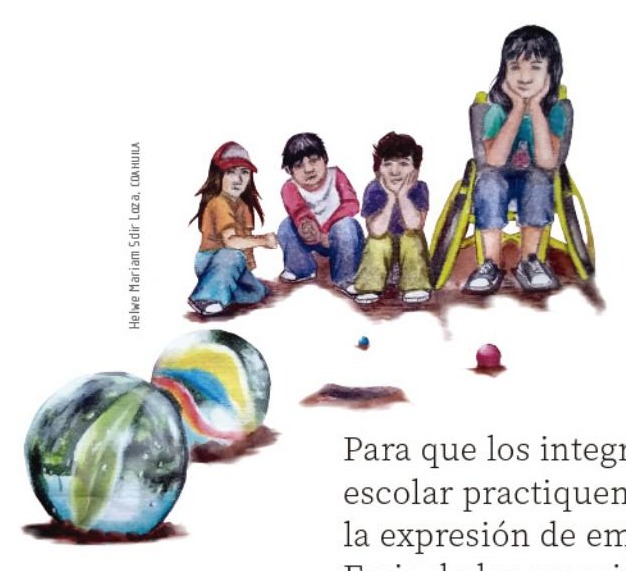
Producto: Classroom emotions fair and signed student reflections.
Instrumento de evaluación de contenidos, PDA y producto del proyecto:
| Criterios de evaluación | Logrado | En proceso | Falta por consolidar |
|---|---|---|---|
| The student writes their name legibly and uses it to identify authorship of drawings, tables, and written reflections | |||
| The student compares their written name with classmates’ names and recognizes their own name on classroom work | |||
| The student contributes an oral explanation about an emotion and listens respectfully to classmates’ contributions | |||
| The student records or represents emotions in a way that connects with the textbook activities and explains whether the expression supports peaceful classroom interaction | |||
| The student participates in planning or presenting a classroom emotions fair activity and reflects on what was learned |
Antes de descargar
Datos, propósito y contenidos
- To strengthen students’ oral, written, and creative expression as they recognize and communicate emotions through the classroom?
- Writing names in the mother tongue.
Actividades, producto y evaluación
- Textbook, p. 234, Textbook, p. 235, Notebook, Pencils, Crayons, Textbook, p. 236, Notebook, Pencils, Crayons, Textbook, p. 237,?
- Classroom emotions fair and signed student reflections.
Tu material está listo para descargar
Elige Word, PDF o anexos desde un solo lugar.
Mira lo que los maestros ya crearon con Hoja de Trabajo Infantil
Preguntas frecuentes sobre esta planeación
¿Para qué grado y semanas está diseñada esta planeación?
Está diseñada para primer grado, la semana 9 de noviembre de 2026, dentro del ciclo escolar 2026–2027.
¿Qué metodología utiliza la planeación?
La secuencia utiliza project-based learning, following the textbook project sequence. y organiza actividades situadas con evidencias y un producto final.
¿La planeación incluye contenidos y PDA de la NEM?
Sí. Incluye el campo formativo, el contenido, el proceso de desarrollo de aprendizaje, actividades y evaluación formativa alineados con la NEM.
¿Puedo editar y adaptar el archivo?
Sí. La versión Word es editable para ajustar actividades, materiales, apoyos, tiempos y evidencias. El PDF está listo para imprimir.
