
Planeación didáctica por proyectos de primer grado — Semana 11 de noviembre 2026: ¡Bailamos palabras musicalizadas!
 ChannelKids
Mira lo que los maestros ya crearon con Pirámide de la Lectura
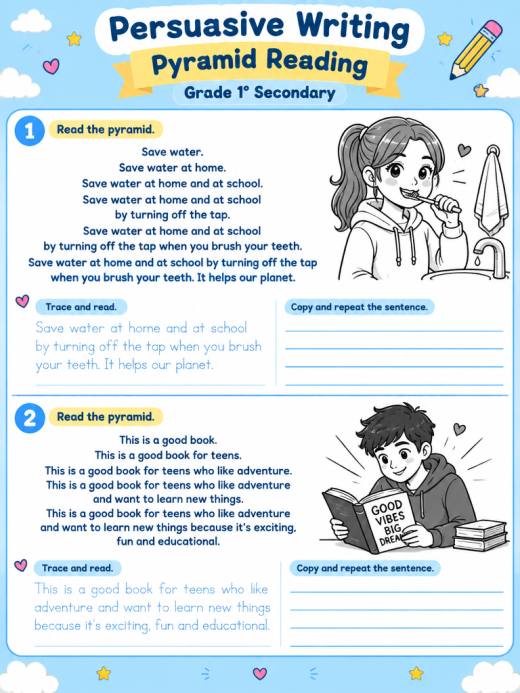
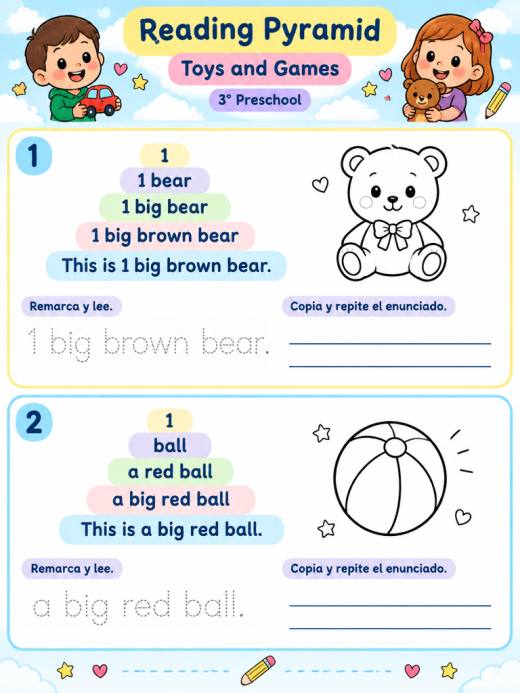
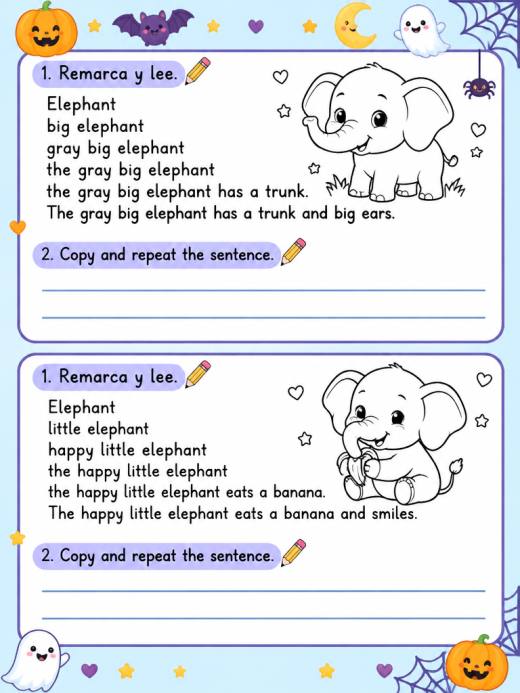
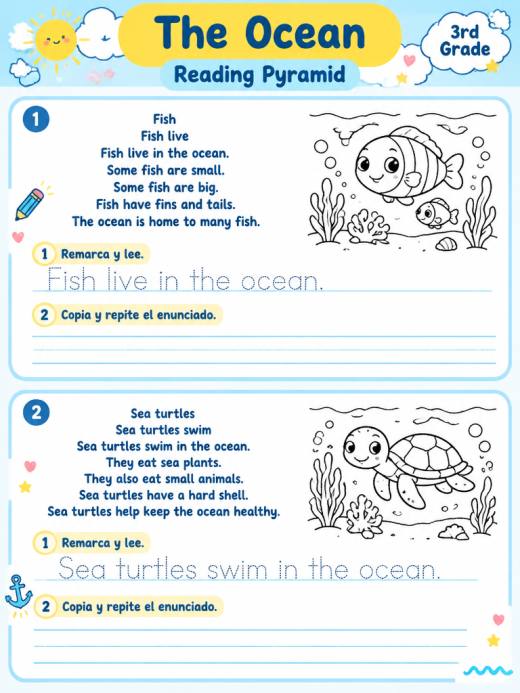

Tu planeación, en un vistazo
Una ruta clara para llevar el proyecto «¡Bailamos palabras musicalizadas!» al aula y adaptarlo a las necesidades de tu grupo.
Ver contexto pedagógico, adaptaciones y materiales
Esta planeación didáctica por proyectos está pensada para primer grado, Fase 3, durante la semana 11 de noviembre del ciclo escolar 2026–2027. El proyecto «¡Bailamos palabras musicalizadas!» tiene como propósito students will explore how song lyrics, rhymes, rhythm, and movement can support positive oral and creative expression in the classroom. They will also write their names to identify and claim authorship of their work, comparing their names with classmates’ names. La secuencia parte del contexto del grupo para convertir sus experiencias, preguntas y saberes previos en oportunidades de aprendizaje significativo.
La propuesta se desarrolla mediante community project-based learning y articula principalmente el campo formativo los campos formativos de la Nueva Escuela Mexicana. El contenido central aborda writing names in the home language. Los PDA describen estos aprendizajes: students write their names and compare them with classmates’ names, using their names to indicate authorship of their work. Students write their names legibly on their song and rhyme materials and identify their own work among the group’s contributions. Las actividades se distribuyen por día con momentos de inicio, desarrollo y cierre, de modo que el docente pueda observar avances, recuperar producciones y ajustar la intervención sin perder el sentido del proyecto.
El producto final será signed classroom rhyme card bank and group song performance. La evaluación es formativa y considera participación, procesos, producciones y reflexión del alumnado. Se sugieren recursos como textbook, p. 56, Textbook, p. 57, Notebook, Pencils, Board, Markers, Textbook, p. 57, Textbook, p. 58, Notebook, Pencils, Board, Music player, if available, Textbook, p. 59, Notebook, Pencils, Board, Markers, Textbook, p. 59, Textbook, p. 60, Index cards or paper slips, Pencils, Markers, Classroom container for the card bank, Textbook, p. 61, Textbook, p. 62, Classroom card bank, Notebook, Pencils, Board, Music player, if available. Para atender distintos ritmos de aprendizaje, ofrece apoyos visuales, consignas breves, opciones de respuesta oral o gráfica y acompañamiento entre pares. El documento puede descargarse en Word editable o en PDF listo para imprimir. Ambas versiones permiten adecuar tiempos, materiales, lenguaje, apoyos y evidencias a las necesidades reales de cada escuela.
Ficha curricular de la planeación
Consulta primero los elementos de la NEM. Después encontrarás la secuencia completa organizada por día.
Datos generales y propósito del proyecto
Ciclo escolar 2026–2027 · Fase 3.
Propósito: Students will explore how song lyrics, rhymes, rhythm, and movement can support positive oral and creative expression in the classroom. They will also write their names to identify and claim authorship of their work, comparing their names with classmates’ names.
Metodología: Community Project-Based Learning
Contenido
Writing names in the home language.
Proceso de Desarrollo de Aprendizaje (PDA)
Students write their names and compare them with classmates’ names, using their names to indicate authorship of their work. Students write their names legibly on their song and rhyme materials and identify their own work among the group’s contributions.
Ejes articuladores oficiales
Inclusión, Pensamiento crítico
Producto final
Signed classroom rhyme card bank and group song performance
Evaluacion formativa
Ver criterios y evidencias
Students write their names legibly on their rhyme cards or group records to identify authorship. Students compare their written names with classmates’ names and recognize their own contributions. Students share musical preferences and explain how a lyric or word supports a positive, respectful message. Students identify rhyming words and contribute them to the classroom card bank. Students participate in singing or rhythmic movement while respecting classmates’ space and contributions.
Materiales
Ver lista completa
Textbook, p. 56, Textbook, p. 57, Notebook, Pencils, Board, Markers, Textbook, p. 57, Textbook, p. 58, Notebook, Pencils, Board, Music player, if available, Textbook, p. 59, Notebook, Pencils, Board, Markers, Textbook, p. 59, Textbook, p. 60, Index cards or paper slips, Pencils, Markers, Classroom container for the card bank, Textbook, p. 61, Textbook, p. 62, Classroom card bank, Notebook, Pencils, Board, Music player, if available
Adaptaciones para el grupo
Para atender distintos ritmos de aprendizaje, ofrece apoyos visuales, consignas breves, opciones de respuesta oral o gráfica y acompañamiento entre pares.
Desarrollo completo de la planeación
Aquí comienza la organización diaria con inicio, desarrollo, cierre, recursos y evidencias. El contenido y el PDA ya están separados en la ficha anterior.
¡Bailamos palabras musicalizadas!
Semana: Semana 11 — Noviembre
Languages
Metodología: Community Project-Based Learning
Propósito: Students will explore how song lyrics, rhymes, rhythm, and movement can support positive oral and creative expression in the classroom. They will also write their names to identify and claim authorship of their work, comparing their names with classmates’ names.
Ejes articuladores
- Inclusión
- Pensamiento crítico
| Campo formativo | Contenido | PDA |
|---|---|---|
| Languages | Writing names in the home language. | Students write their names and compare them with classmates’ names, using their names to indicate authorship of their work. Students write their names legibly on their song and rhyme materials and identify their own work among the group’s contributions. |
| Día | Secuencia de actividades | Recursos |
|---|---|---|
| Monday | Introduce the project by inviting students to consider how songs heard in their classroom and everyday surroundings can make people feel included or hurt. Read and discuss the project’s opening text about avoiding lyrics that demean women or offend people’s dignity, emphasizing that the class will create positive musical expression (p. 56). Ask students individually which music they enjoy, how it makes them feel, and what music they prefer for dancing; then organize a respectful sharing circle and record selected responses. As students contribute, model writing each speaker’s name beside an idea and invite the class to notice how names identify authorship. Close by having students write their own names in their notebooks and compare letter shapes or lengths with a partner, checking that each can recognize and claim their entry. | Textbook, p. 56, Textbook, p. 57, Notebook, Pencils, Board, Markers |
| Tuesday | Build on the class’s musical preferences by guiding students to find three children’s songs, as suggested in the project, and listen to them together or learn their rhythm and lyrics through teacher modeling (p. 57). Invite students to identify words they recognize, discuss unfamiliar words, and describe which lyrics communicate kind, respectful messages (p. 58). Record student observations on the board with each contributor’s name, then have students copy one selected word or idea into their notebooks and sign their work. Pair students to compare the names they wrote, supporting them in noticing similarities and differences without ranking them. Formatively assess whether students can express a preference orally, connect a lyric to a positive message, and write their name to mark their contribution. | Textbook, p. 57, Textbook, p. 58, Notebook, Pencils, Board, Music player, if available |
| Wednesday | Turn the class’s attention to the sounds that make songs memorable by leading students through the book’s group activity: stand in a classroom circle, repeat vowel sounds or other proposed sounds, and then try rhyming word pairs such as “heart” and “start” or “cat” and “hat” (p. 59). Have students record rhymes in their notebooks while the teacher gathers examples on the board, writing the contributor’s name beside each entry so authorship remains visible. Invite families, through a brief home inquiry, to help students find examples of rhymes in English or another language they know, following the book’s suggestion (p. 59). Close with volunteers reading a rhyme aloud and explaining how its ending sounds match; check name legibility and whether each student can locate their own contribution. | Textbook, p. 59, Notebook, Pencils, Board, Markers |
| Thursday | Use the class rhyme collection to create the card bank that the project will draw on later: students write the words they found on cards or paper slips, including examples in English and, when available, a community language, then add the cards to a shared classroom collection (p. 59). Before organizing the collection, review the project organizer’s sequence for exploring musical styles, sharing songs, identifying rhymes and rhythms, and writing a song with words from the bank (p. 60). Ask each student to write their name on their cards, compare names with a partner to distinguish ownership, and place the cards together without changing their wording. Conclude by selecting several cards for oral reading and checking that students can pronounce their words, recognize rhymes, and identify their own written contributions. | Textbook, p. 59, Textbook, p. 60, Index cards or paper slips, Pencils, Markers, Classroom container for the card bank |
| Friday | Bring the project’s sound, word, and movement explorations together by inviting students to discuss what music represents in their lives, then record their ideas on the board with contributors’ names (p. 61). Guide the class in moving safely to selected music or agreed rhythmic patterns, taking care to leave space for classmates, and invite a student choreographer to propose movements for peers to imitate (pp. 61–62). In small classroom groups, have students choose a previously heard song, find rhyming words that fit its rhythm, and add those words to the card bank (p. 62). Ask each group to sing its chosen song for classmates, as the book directs, and have students write their names on the group’s word record to show authorship. Close with brief feedback on clear oral expression, respectful lyrics, rhythm, participation, and accurate name writing. | Textbook, p. 61, Textbook, p. 62, Classroom card bank, Notebook, Pencils, Board, Music player, if available |
Producto: Signed classroom rhyme card bank and group song performance
Instrumento de evaluación de contenidos, PDA y producto del proyecto:
| Criterios de evaluación | Logrado | En proceso | Falta por consolidar |
|---|---|---|---|
| Students write their names legibly on their rhyme cards or group records to identify authorship | |||
| Students compare their written names with classmates’ names and recognize their own contributions | |||
| Students share musical preferences and explain how a lyric or word supports a positive, respectful message | |||
| Students identify rhyming words and contribute them to the classroom card bank | |||
| Students participate in singing or rhythmic movement while respecting classmates’ space and contributions |
Antes de descargar
Datos, propósito y contenidos
- Students will explore how song lyrics, rhymes, rhythm, and movement can support positive oral and creative expression in the cl?
- Writing names in the home language.
Actividades, producto y evaluación
- Textbook, p. 56, Textbook, p. 57, Notebook, Pencils, Board, Markers, Textbook, p. 57, Textbook, p. 58, Notebook, Pencils, Board?
- Signed classroom rhyme card bank and group song performance
Tu material está listo para descargar
Elige Word, PDF o anexos desde un solo lugar.
Mira lo que los maestros ya crearon con Pirámide de la Lectura
Preguntas frecuentes sobre esta planeación
¿Para qué grado y semanas está diseñada esta planeación?
Está diseñada para primer grado, la semana 11 de noviembre de 2026, dentro del ciclo escolar 2026–2027.
¿Qué metodología utiliza la planeación?
La secuencia utiliza community project-based learning y organiza actividades situadas con evidencias y un producto final.
¿La planeación incluye contenidos y PDA de la NEM?
Sí. Incluye el campo formativo, el contenido, el proceso de desarrollo de aprendizaje, actividades y evaluación formativa alineados con la NEM.
¿Puedo editar y adaptar el archivo?
Sí. La versión Word es editable para ajustar actividades, materiales, apoyos, tiempos y evidencias. El PDF está listo para imprimir.
