
Planeación didáctica por proyectos de quinto grado — Semana 9 de noviembre 2026: Sonidos e imágenes de nuestro entorno
 ChannelKids
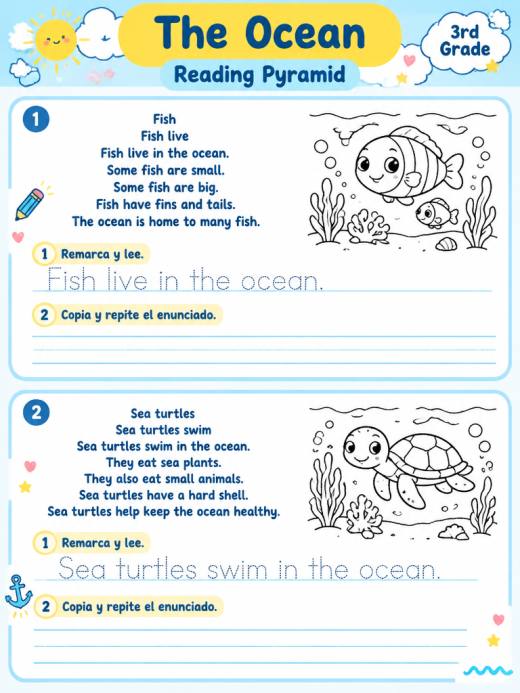
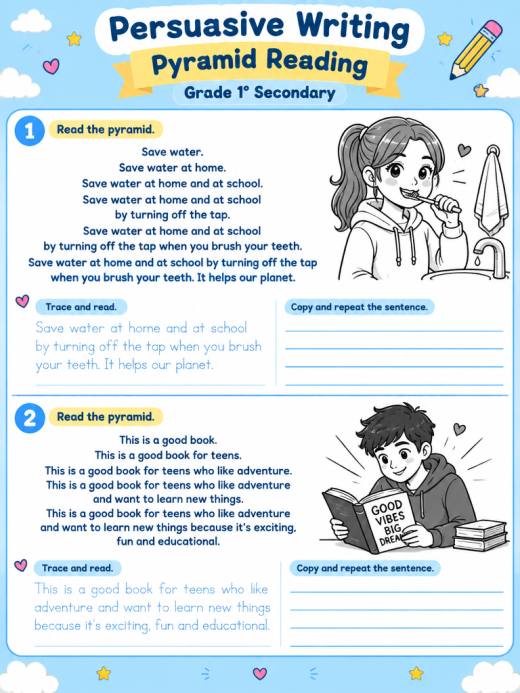
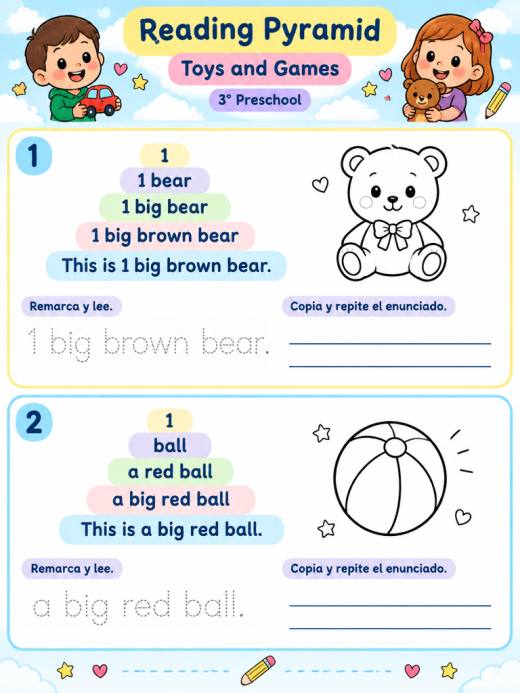
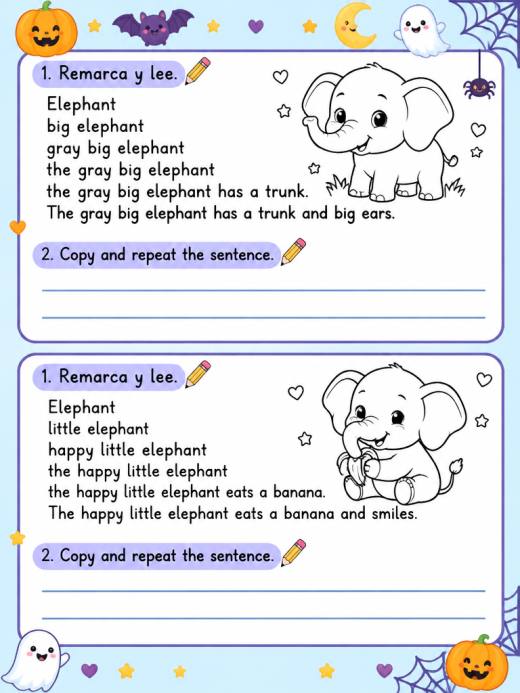
Mira lo que los maestros ya crearon con Pirámide de la Lectura

Tu planeación, en un vistazo
Una ruta clara para llevar el proyecto «Sonidos e imágenes de nuestro entorno» al aula y adaptarlo a las necesidades de tu grupo.
Ver contexto pedagógico, adaptaciones y materiales
Esta planeación didáctica por proyectos está pensada para quinto grado, Fase 5, durante la semana 9 de noviembre del ciclo escolar 2026–2027. El proyecto «Sonidos e imágenes de nuestro entorno» tiene como propósito students will use oral, written, and creative expression to explore environmental sounds and images in their classroom context. They will develop a narrative proposal that addresses visual and auditory pollution while valuing pleasant features of their surroundings. La secuencia parte del contexto del grupo para convertir sus experiencias, preguntas y saberes previos en oportunidades de aprendizaje significativo.
La propuesta se desarrolla mediante project-based learning y articula principalmente el campo formativo los campos formativos de la Nueva Escuela Mexicana. El contenido central aborda narration of past and present events. Los PDA describen estos aprendizajes: students recognize and use varied narrative styles, resources, and strategies to create a story based on visual and auditory elements of their classroom environment. Students organize narrative events into a beginning, development, and ending, and communicate proposals to reduce visual and auditory pollution and preserve pleasant environmental features. Las actividades se distribuyen por día con momentos de inicio, desarrollo y cierre, de modo que el docente pueda observar avances, recuperar producciones y ajustar la intervención sin perder el sentido del proyecto.
El producto final será classroom-context comic strip or animated sequence with proposals to reduce visual and auditory pollution and preserve pleasant environmental features. La evaluación es formativa y considera participación, procesos, producciones y reflexión del alumnado. Se sugieren recursos como student notebook, Pencils, Official textbook, pp. 72–74, Student notebook, Pencils, Official textbook, pp. 75, 77, Student notebook, Pencils, Official textbook, pp. 78–79, Student notebook, Pencils, Official textbook, pp. 80–82, Student notebook, Pencils, Paper for comic strips or storyboards, Drawing and coloring materials, Everyday objects for animation, if selected, Official textbook, pp. 82–85. Para atender distintos ritmos de aprendizaje, ofrece apoyos visuales, consignas breves, opciones de respuesta oral o gráfica y acompañamiento entre pares. El documento puede descargarse en Word editable o en PDF listo para imprimir. Ambas versiones permiten adecuar tiempos, materiales, lenguaje, apoyos y evidencias a las necesidades reales de cada escuela.
Ficha curricular de la planeación
Consulta primero los elementos de la NEM. Después encontrarás la secuencia completa organizada por día.
Datos generales y propósito del proyecto
Ciclo escolar 2026–2027 · Fase 5.
Propósito: Students will use oral, written, and creative expression to explore environmental sounds and images in their classroom context. They will develop a narrative proposal that addresses visual and auditory pollution while valuing pleasant features of their surroundings.
Metodología: Project-Based Learning
Contenido
Narration of past and present events.
Proceso de Desarrollo de Aprendizaje (PDA)
Students recognize and use varied narrative styles, resources, and strategies to create a story based on visual and auditory elements of their classroom environment. Students organize narrative events into a beginning, development, and ending, and communicate proposals to reduce visual and auditory pollution and preserve pleasant environmental features.
Ejes articuladores oficiales
Inclusión, Pensamiento crítico
Producto final
Classroom-context comic strip or animated sequence with proposals to reduce visual and auditory pollution and preserve pleasant environmental features.
Evaluacion formativa
Ver criterios y evidencias
The student identifies and explains visual and auditory features of the classroom as disruptive or pleasant using relevant observations. The narrative presents events in a coherent beginning, development, and ending. The comic strip or animated sequence uses appropriate narrative resources, such as character actions, sound qualities, onomatopoeias, or environmental images. The story communicates feasible proposals to reduce disruptive features and preserve pleasant ones in the classroom. The student listens to peer feedback, contributes respectfully, and makes a purposeful revision or explains a narrative choice.
Materiales
Ver lista completa
Student notebook, Pencils, Official textbook, pp. 72–74, Student notebook, Pencils, Official textbook, pp. 75, 77, Student notebook, Pencils, Official textbook, pp. 78–79, Student notebook, Pencils, Official textbook, pp. 80–82, Student notebook, Pencils, Paper for comic strips or storyboards, Drawing and coloring materials, Everyday objects for animation, if selected, Official textbook, pp. 82–85
Adaptaciones para el grupo
Para atender distintos ritmos de aprendizaje, ofrece apoyos visuales, consignas breves, opciones de respuesta oral o gráfica y acompañamiento entre pares.
Desarrollo completo de la planeación
Aquí comienza la organización diaria con inicio, desarrollo, cierre, recursos y evidencias. El contenido y el PDA ya están separados en la ficha anterior.
Sonidos e imágenes de nuestro entorno
Semana: Semana 9 — Noviembre
Languages
Metodología: Project-Based Learning
Propósito: Students will use oral, written, and creative expression to explore environmental sounds and images in their classroom context. They will develop a narrative proposal that addresses visual and auditory pollution while valuing pleasant features of their surroundings.
Ejes articuladores
- Inclusión
- Pensamiento crítico
| Campo formativo | Contenido | PDA |
|---|---|---|
| Languages | Narration of past and present events. | Students recognize and use varied narrative styles, resources, and strategies to create a story based on visual and auditory elements of their classroom environment. Students organize narrative events into a beginning, development, and ending, and communicate proposals to reduce visual and auditory pollution and preserve pleasant environmental features. |
| Día | Secuencia de actividades | Recursos |
|---|---|---|
| Monday | Open the project by inviting students to recall images and sounds they encounter inside the classroom, distinguishing features that contribute to well-being from those that cause discomfort. Read the project introduction and the explanation of environmental visual and auditory pollution, then guide a classroom brainstorm about relevant examples, such as a pleasing mural, cluttered displays, scraping chairs, or voices that interrupt listening (pp. 72–73). Ask students to explain why each example feels pleasant or disruptive, and record their reasoning so the class can compare perspectives rather than label an element without evidence. Continue with the book’s discussion prompts about the benefits of reducing pollution and preserving positive features, then have students copy and complete the two-column table in their notebooks (p. 74). Close by checking whether entries are specific to the classroom and whether students can justify their classifications orally. | Student notebook, Pencils, Official textbook, pp. 72–74 |
| Tuesday | Use the book’s contrasting images to prompt students to identify which scenes resemble familiar surroundings and which portray a different environment, without extending the inquiry beyond the classroom setting (p. 75). Invite them to discuss visible or audible forms of pollution, suggest ways to reduce or avoid them, and explain which proposals could apply to their own classroom and why. Ask students to revisit yesterday’s table and add concrete examples, then select one disruptive visual feature, one disruptive sound, one pleasant visual feature, and one pleasant sound for closer consideration (pp. 75, 77). In turn, students share personal reactions and listen for similarities and differences in how classmates respond. Assess whether each contribution names an observable feature, communicates its effect clearly, and offers a reason connected to classroom well-being. | Student notebook, Pencils, Official textbook, pp. 75, 77 |
| Wednesday | Invite students to examine how environmental images and sounds affect people, using the book’s prompts to describe reactions such as turning away, covering one’s ears, or moving away from an unpleasant stimulus (p. 78). Have each student complete the selection table for the four chosen examples, recording a proposal to address each disruptive feature and a way to preserve each pleasant one. Then organize a structured exchange among classroom groups: students explain their examples, listen to classmates’ accounts of their effects, and identify bodily responses without dismissing differing experiences. Transition from discussion to narrative planning by asking each student to imagine a story that includes solutions for both kinds of pollution and protection of pleasant features; have them map events across the beginning, development, and ending in the book’s story outline (pp. 78–79). Review plans for a clear sequence and a solution grounded in the classroom context. | Student notebook, Pencils, Official textbook, pp. 78–79 |
| Thursday | Present the book’s examples of animated sequences and comic strips as models for considering narrative resources, including sound effects, everyday objects as characters, and ways of representing sound (p. 80). Guide students in completing the sound-characteristics chart and in describing classroom sounds through qualities such as high or low, fast or slow, loud or soft, long or short, and interrupted or accented (pp. 80–81). Next, ask groups to connect these qualities to body movements and possible onomatopoeias, then rehearse how a character’s voice and actions could communicate the story’s conflict and response. Before production, facilitate the proposal-sharing discussion from the book so students can offer useful suggestions and improve one another’s measures (p. 82). Formatively assess whether students select narrative resources purposefully and incorporate peer feedback into their plans. | Student notebook, Pencils, Official textbook, pp. 80–82 |
| Friday | Set aside the classroom session for groups to complete and share their planned comic strip or animated sequence, following the book’s guidance to include distinctive environmental features, character traits, sound choices, onomatopoeias where appropriate, and bodily reactions to visual or auditory stimuli (pp. 82–83). Have groups review their opening scenes and adjust details such as character voices, materials, movements, or drawing style after receiving classmates’ feedback; then let them present their completed work to the class, keeping the audience within the classroom scope (pp. 83–84). After each presentation, invite brief responses about how the story communicates its proposals and how the creators felt sharing it, drawing on the reflection prompts in the book (p. 85). Conclude with a written classroom commitment that identifies one measure to reduce a disruptive feature and one way to preserve a pleasant feature, and assess narrative coherence, clarity of expression, and responsiveness to feedback. | Student notebook, Pencils, Paper for comic strips or storyboards, Drawing and coloring materials, Everyday objects for animation, if selected, Official textbook, pp. 82–85 |
Producto: Classroom-context comic strip or animated sequence with proposals to reduce visual and auditory pollution and preserve pleasant environmental features.
Instrumento de evaluación de contenidos, PDA y producto del proyecto:
| Criterios de evaluación | Logrado | En proceso | Falta por consolidar |
|---|---|---|---|
| The student identifies and explains visual and auditory features of the classroom as disruptive or pleasant using relevant observations | |||
| The narrative presents events in a coherent beginning, development, and ending | |||
| The comic strip or animated sequence uses appropriate narrative resources, such as character actions, sound qualities, onomatopoeias, or environmental images | |||
| The story communicates feasible proposals to reduce disruptive features and preserve pleasant ones in the classroom | |||
| The student listens to peer feedback, contributes respectfully, and makes a purposeful revision or explains a narrative choice |
Antes de descargar
Datos, propósito y contenidos
- Students will use oral, written, and creative expression to explore environmental sounds and images in their classroom context.?
- Narration of past and present events.
Actividades, producto y evaluación
- Student notebook, Pencils, Official textbook, pp. 72–74, Student notebook, Pencils, Official textbook, pp. 75, 77, Student note?
- Classroom-context comic strip or animated sequence with proposals to reduce visual and auditory pollution and preserve pleasant?
Tu material está listo para descargar
Elige Word, PDF o anexos desde un solo lugar.
Mira lo que los maestros ya crearon con Pirámide de la Lectura
Preguntas frecuentes sobre esta planeación
¿Para qué grado y semanas está diseñada esta planeación?
Está diseñada para quinto grado, la semana 9 de noviembre de 2026, dentro del ciclo escolar 2026–2027.
¿Qué metodología utiliza la planeación?
La secuencia utiliza project-based learning y organiza actividades situadas con evidencias y un producto final.
¿La planeación incluye contenidos y PDA de la NEM?
Sí. Incluye el campo formativo, el contenido, el proceso de desarrollo de aprendizaje, actividades y evaluación formativa alineados con la NEM.
¿Puedo editar y adaptar el archivo?
Sí. La versión Word es editable para ajustar actividades, materiales, apoyos, tiempos y evidencias. El PDF está listo para imprimir.
