
Planeación didáctica por proyectos de cuarto grado — Semana 8 de octubre 2026: El papel de las mujeres en la alimentación y el cuidado
 ChannelKids
Mira lo que los maestros ya crearon con Hoja de Trabajo Infantil
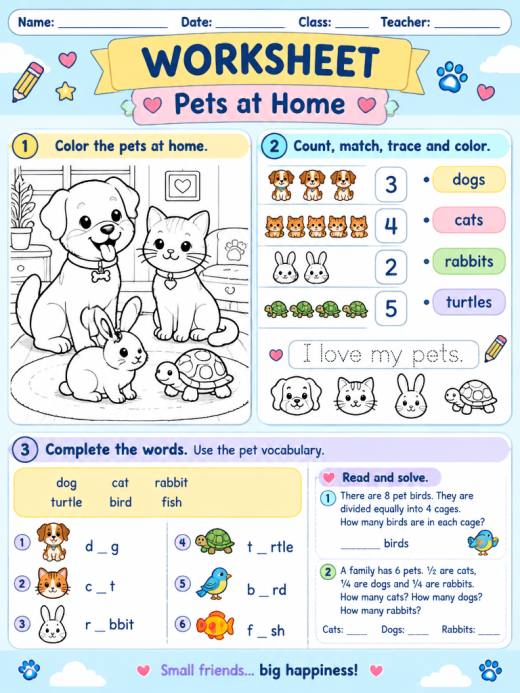
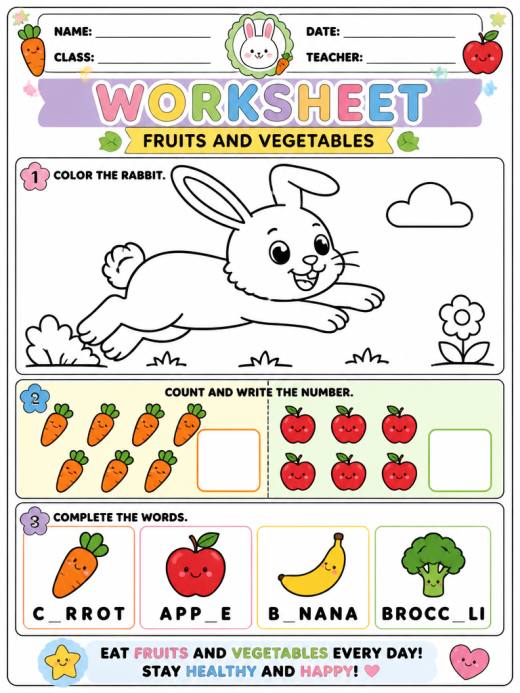
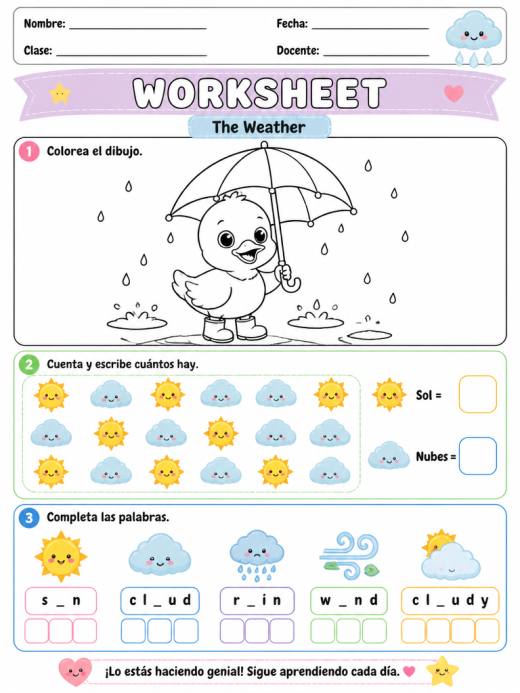
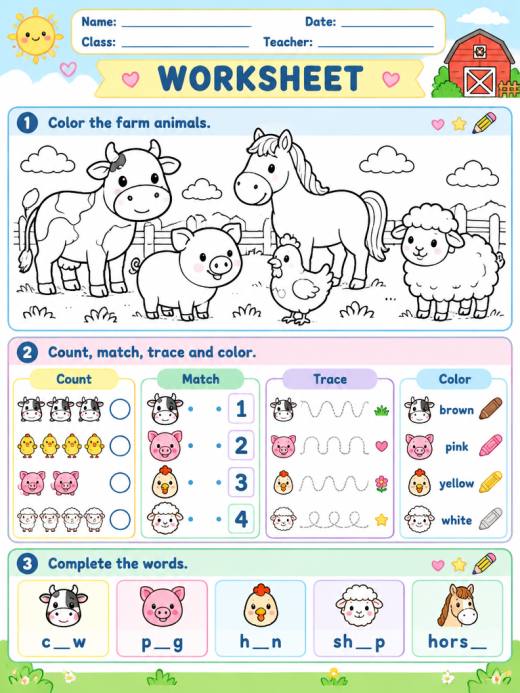

Tu planeación, en un vistazo
Una ruta clara para llevar el proyecto «El papel de las mujeres en la alimentación y el cuidado» al aula y adaptarlo a las necesidades de tu grupo.
Ver contexto pedagógico, adaptaciones y materiales
Esta planeación didáctica por proyectos está pensada para cuarto grado, Fase 4, durante la semana 8 de octubre del ciclo escolar 2026–2027. El proyecto «El papel de las mujeres en la alimentación y el cuidado» tiene como propósito develop students’ oral, written, and creative expression by narrating information about women’s roles in food and health care through the classroom puppet theater project. Students will use narrative resources to communicate research about native maize, Indigenous knowledge, healthy eating, and women’s contributions. La secuencia parte del contexto del grupo para convertir sus experiencias, preguntas y saberes previos en oportunidades de aprendizaje significativo.
La propuesta se desarrolla mediante project-based learning y articula principalmente el campo formativo los campos formativos de la Nueva Escuela Mexicana. El contenido central aborda narration of past and present events. Los PDA describen estos aprendizajes: students recognize and use varied narrative styles, resources, and strategies to explain the historical and present-day contributions of women to food preparation and health care. Students organize information from the project readings and guided research into clear oral and written narratives connecting native maize, Indigenous agricultural knowledge, healthy eating, and care for health and the environment. Las actividades se distribuyen por día con momentos de inicio, desarrollo y cierre, de modo que el docente pueda observar avances, recuperar producciones y ajustar la intervención sin perder el sentido del proyecto.
El producto final será research-based classroom puppet theater and narrative script. La evaluación es formativa y considera participación, procesos, producciones y reflexión del alumnado. Se sugieren recursos como notebook, Official textbook, pp. 198–199, Board, Markers, Notebook, Official textbook, pp. 200–202, Pencils, Notebook, Official textbook, p. 203, Classroom library or student and family reference book, Pencils, Research notes, Official textbook, pp. 204–205, Board, Notebook or script paper, Pencils, Markers or colored pencils, Recyclable materials, White glue, Scissors, Official textbook, pp. 206–208, Completed puppets and scenery, Team scripts, Notebook, Pencils. Para atender distintos ritmos de aprendizaje, ofrece apoyos visuales, consignas breves, opciones de respuesta oral o gráfica y acompañamiento entre pares. El documento puede descargarse en Word editable o en PDF listo para imprimir. Ambas versiones permiten adecuar tiempos, materiales, lenguaje, apoyos y evidencias a las necesidades reales de cada escuela.
Ficha curricular de la planeación
Consulta primero los elementos de la NEM. Después encontrarás la secuencia completa organizada por día.
Datos generales y propósito del proyecto
Ciclo escolar 2026–2027 · Fase 4.
Propósito: Develop students’ oral, written, and creative expression by narrating information about women’s roles in food and health care through the classroom puppet theater project. Students will use narrative resources to communicate research about native maize, Indigenous knowledge, healthy eating, and women’s contributions.
Metodología: Project-Based Learning
Contenido
Narration of past and present events.
Proceso de Desarrollo de Aprendizaje (PDA)
Students recognize and use varied narrative styles, resources, and strategies to explain the historical and present-day contributions of women to food preparation and health care. Students organize information from the project readings and guided research into clear oral and written narratives connecting native maize, Indigenous agricultural knowledge, healthy eating, and care for health and the environment.
Ejes articuladores oficiales
Inclusión, Pensamiento crítico
Producto final
Research-based classroom puppet theater and narrative script
Evaluacion formativa
Ver criterios y evidencias
Students organize researched information into a coherent narrative that connects Indigenous knowledge of maize with women’s roles in food and health care. Students use appropriate narrative resources, including characters, setting, sequence of events, and dialogue, in their scripts and performances. Students communicate ideas orally with understandable diction and explain how their narrative is supported by the project readings or research. Students represent women and Indigenous peoples respectfully and contribute equitably to the team’s writing, puppet making, scenery, or performance. Students reflect on how healthy eating, health care, and care for the environment are connected in the project.
Materiales
Ver lista completa
Notebook, Official textbook, pp. 198–199, Board, Markers, Notebook, Official textbook, pp. 200–202, Pencils, Notebook, Official textbook, p. 203, Classroom library or student and family reference book, Pencils, Research notes, Official textbook, pp. 204–205, Board, Notebook or script paper, Pencils, Markers or colored pencils, Recyclable materials, White glue, Scissors, Official textbook, pp. 206–208, Completed puppets and scenery, Team scripts, Notebook, Pencils
Adaptaciones para el grupo
Para atender distintos ritmos de aprendizaje, ofrece apoyos visuales, consignas breves, opciones de respuesta oral o gráfica y acompañamiento entre pares.
Desarrollo completo de la planeación
Aquí comienza la organización diaria con inicio, desarrollo, cierre, recursos y evidencias. El contenido y el PDA ya están separados en la ficha anterior.
El papel de las mujeres en la alimentación y el cuidado de la salud
Semana: Semana 8 — Octubre
Languages
Metodología: Project-Based Learning
Propósito: Develop students’ oral, written, and creative expression by narrating information about women’s roles in food and health care through the classroom puppet theater project. Students will use narrative resources to communicate research about native maize, Indigenous knowledge, healthy eating, and women’s contributions.
Ejes articuladores
- Inclusión
- Pensamiento crítico
| Campo formativo | Contenido | PDA |
|---|---|---|
| Languages | Narration of past and present events. | Students recognize and use varied narrative styles, resources, and strategies to explain the historical and present-day contributions of women to food preparation and health care. Students organize information from the project readings and guided research into clear oral and written narratives connecting native maize, Indigenous agricultural knowledge, healthy eating, and care for health and the environment. |
| Día | Secuencia de actividades | Recursos |
|---|---|---|
| Monday | Invite students to examine the project’s opening images and consider how maize, food, and health are connected in the lives of Indigenous peoples; ask them to describe what they notice and what they already know, making space for different experiences within the classroom. Read and discuss the introductory statement about the project’s puppet theater, then guide students through the text and illustrations about maize and Indigenous traditions, emphasizing details that could become the setting, characters, or events in a narrative (pp. 198–199). Record students’ questions and observations in their notebooks, and close by asking each student to state one idea clearly and listen respectfully to a classmate, noting oral clarity and the relevance of each contribution. | Notebook, Official textbook, pp. 198–199, Board, Markers |
| Tuesday | Use the class’s questions from the previous session to focus attention on why maize matters to Indigenous peoples and why their knowledge of ecosystems deserves consideration. Read the relevant passages together and facilitate a discussion of the text’s account of milpa agriculture, native seeds, traditional practices, food, and the complementary roles described in production and preparation (pp. 200–201). Next, have students complete the book’s “What I know / What I want to know” table individually, addressing cultivation and maize-based dishes as well as the importance of healthy eating, and then compare responses with a partner before sharing similarities and differences with the class (p. 202). Review whether entries are understandable, connected to the reading, and expressed in complete sentences. | Notebook, Official textbook, pp. 200–202, Pencils |
| Wednesday | Present the investigation questions as the next source of material for the puppet theater, explaining that the class is gathering evidence for a narrative rather than inventing claims about women or Indigenous peoples. Organize students into classroom teams and assign the book’s three research strands: who belongs to Indigenous peoples and what native maize means; women’s role in the discovery of agriculture and their contributions to food preparation and care for health; and the rights to health and a healthy environment (p. 203). Direct teams to consult the sources suggested in the book, such as the student and family reference book, the school library, or age-appropriate internet research with adult guidance, and to record findings in a table like the one completed earlier. Close with a brief team report, checking that students distinguish sourced information from personal opinion. | Notebook, Official textbook, p. 203, Classroom library or student and family reference book, Pencils, Research notes |
| Thursday | Transform the teams’ collected evidence into a shared narrative plan by asking students to identify which facts best explain the importance of native maize, women’s contributions to food and health, and the right to health and a healthy environment. Following the book’s assembly discussion, help the class synthesize findings on the board and consider the project questions before organizing the puppet theater (p. 204). Establish classroom agreements and distribute responsibilities equitably for dialogue writing, puppet making, and scenery, taking account of planning and performance time (p. 205). Teams then define characters and their traits, choose the story’s setting and time, and draft dialogue grounded in their research; review sequence, clear narration, respectful representation, and balanced participation as students refine their scripts. | Official textbook, pp. 204–205, Board, Notebook or script paper, Pencils, Markers or colored pencils, Recyclable materials, White glue, Scissors |
| Friday | Arrange the classroom for the teams to present their puppet plays, ensuring that each performance communicates the research through characters, dialogue, and a setting developed during the previous session. After the presentations, guide students in discussing how the narratives connect Indigenous knowledge of milpa cultivation with women’s roles in healthy eating and care for the environment, using the book’s reflection questions to support evidence-based responses (p. 206). Have students complete the individual reflection provided in the project and then participate in the closing assembly about possible related projects, equality in food preparation and health care, and ways to share learning within the classroom (pp. 207–208). Finish by having the class record its agreements for carrying out the puppet theater, and assess narrative clarity, use of research, oral expression, and respectful collaboration. | Official textbook, pp. 206–208, Completed puppets and scenery, Team scripts, Notebook, Pencils |
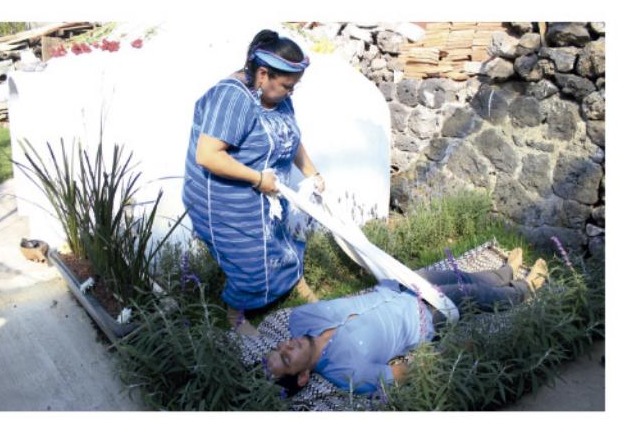
Producto: Research-based classroom puppet theater and narrative script
Instrumento de evaluación de contenidos, PDA y producto del proyecto:
| Criterios de evaluación | Logrado | En proceso | Falta por consolidar |
|---|---|---|---|
| Students organize researched information into a coherent narrative that connects Indigenous knowledge of maize with women’s roles in food and health care | |||
| Students use appropriate narrative resources, including characters, setting, sequence of events, and dialogue, in their scripts and performances | |||
| Students communicate ideas orally with understandable diction and explain how their narrative is supported by the project readings or research | |||
| Students represent women and Indigenous peoples respectfully and contribute equitably to the team’s writing, puppet making, scenery, or performance | |||
| Students reflect on how healthy eating, health care, and care for the environment are connected in the project |
Antes de descargar
Datos, propósito y contenidos
- Develop students’ oral, written, and creative expression by narrating information about women’s roles in food and health care t?
- Narration of past and present events.
Actividades, producto y evaluación
- Notebook, Official textbook, pp. 198–199, Board, Markers, Notebook, Official textbook, pp. 200–202, Pencils, Notebook, Official?
- Research-based classroom puppet theater and narrative script
Tu material está listo para descargar
Elige Word, PDF o anexos desde un solo lugar.
Mira lo que los maestros ya crearon con Hoja de Trabajo Infantil
Preguntas frecuentes sobre esta planeación
¿Para qué grado y semanas está diseñada esta planeación?
Está diseñada para cuarto grado, la semana 8 de octubre de 2026, dentro del ciclo escolar 2026–2027.
¿Qué metodología utiliza la planeación?
La secuencia utiliza project-based learning y organiza actividades situadas con evidencias y un producto final.
¿La planeación incluye contenidos y PDA de la NEM?
Sí. Incluye el campo formativo, el contenido, el proceso de desarrollo de aprendizaje, actividades y evaluación formativa alineados con la NEM.
¿Puedo editar y adaptar el archivo?
Sí. La versión Word es editable para ajustar actividades, materiales, apoyos, tiempos y evidencias. El PDF está listo para imprimir.
