
Planeación didáctica por proyectos de segundo grado — Semana 10 de noviembre 2026: Luces y sombras
 ChannelKids
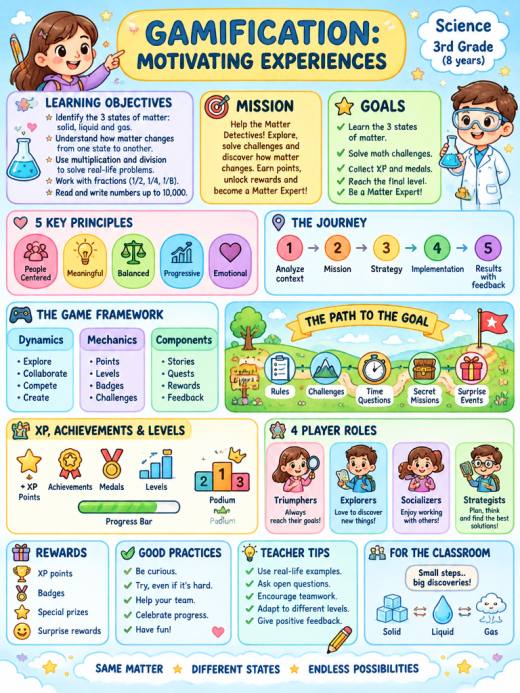
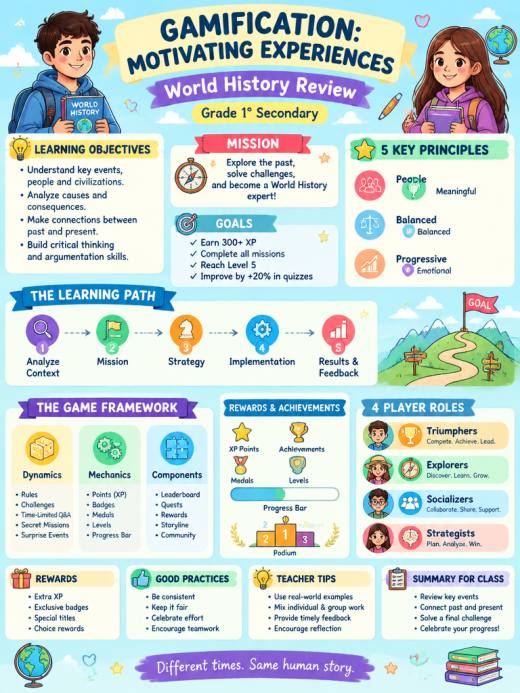
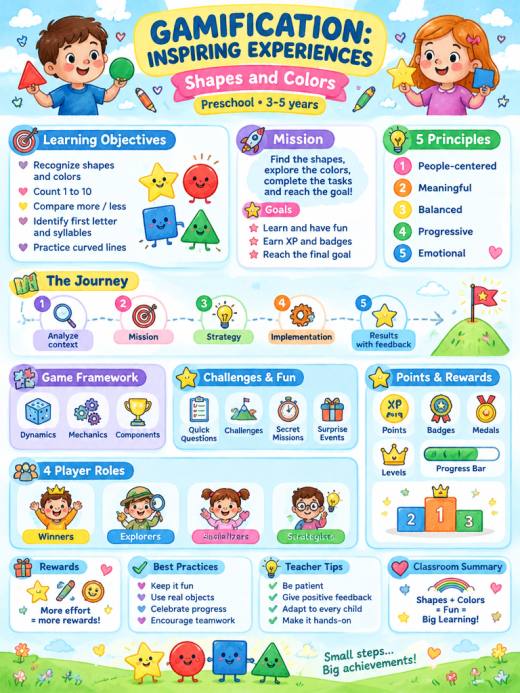
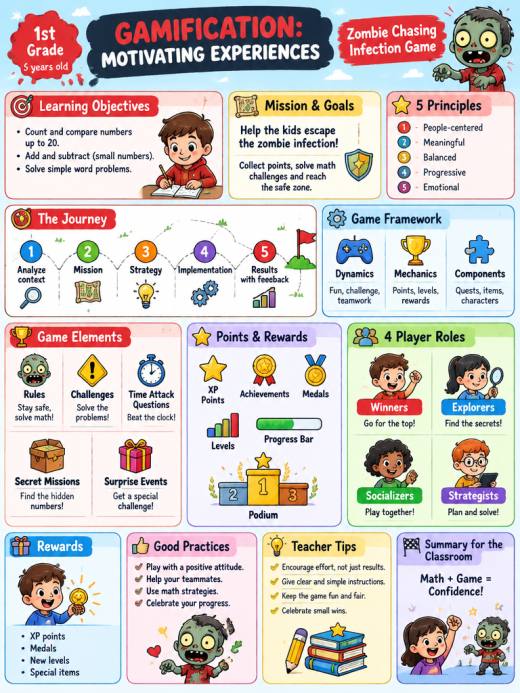
Mira lo que los maestros ya crearon con Gamificación Educativa

Tu planeación, en un vistazo
Una ruta clara para llevar el proyecto «Luces y sombras» al aula y adaptarlo a las necesidades de tu grupo.
Ver contexto pedagógico, adaptaciones y materiales
Esta planeación didáctica por proyectos está pensada para segundo grado, Fase 3, durante la semana 10 de noviembre del ciclo escolar 2026–2027. El proyecto «Luces y sombras» tiene como propósito students will communicate orally and in writing about how light passes through different objects and how sunlight lamps can illuminate a home. They will write their own names and the names of classmates and other people in their classroom community to identify authorship and participation in the project. La secuencia parte del contexto del grupo para convertir sus experiencias, preguntas y saberes previos en oportunidades de aprendizaje significativo.
La propuesta se desarrolla mediante community project-based learning, supported by guided inquiry and collaborative communication. y articula principalmente el campo formativo los campos formativos de la Nueva Escuela Mexicana. El contenido central aborda writing names in the home language. Los PDA describen estos aprendizajes: students write their first and last names and the names of family members, teachers, classmates, and other people in their surroundings to indicate authorship, belonging, and identity. Las actividades se distribuyen por día con momentos de inicio, desarrollo y cierre, de modo que el docente pueda observar avances, recuperar producciones y ajustar la intervención sin perder el sentido del proyecto.
El producto final será signed sunlight-lamp proposal drawing and classroom reflection record. La evaluación es formativa y considera participación, procesos, producciones y reflexión del alumnado. Se sugieren recursos como student notebook, Book, page 128, Book, page 130, Board, Markers, Student notebook, Book, page 129, Book, page 130, Listed project materials: dark-lined cardboard boxes, bottles, modeling clay, and small toys, Name reference cards, Student notebook, Book, pages 130–132, Dark-lined cardboard boxes, Bottles specified in the book, Small toys, Modeling clay, Sunlight-accessible classroom area, Student notebook, Book, pages 132–135, Colored cellophane, Acetate sheet, Ruler or measuring tape marked in centimeters, Flashlight, Small toy or doll, Curtains or black cardstock, Student notebook, Book, pages 136–137, Drawing paper, Pencils, Colored pencils or crayons, Markers. Para atender distintos ritmos de aprendizaje, ofrece apoyos visuales, consignas breves, opciones de respuesta oral o gráfica y acompañamiento entre pares. El documento puede descargarse en Word editable o en PDF listo para imprimir. Ambas versiones permiten adecuar tiempos, materiales, lenguaje, apoyos y evidencias a las necesidades reales de cada escuela.
Ficha curricular de la planeación
Consulta primero los elementos de la NEM. Después encontrarás la secuencia completa organizada por día.
Datos generales y propósito del proyecto
Ciclo escolar 2026–2027 · Fase 3.
Propósito: Students will communicate orally and in writing about how light passes through different objects and how sunlight lamps can illuminate a home. They will write their own names and the names of classmates and other people in their classroom community to identify authorship and participation in the project.
Metodología: Community Project-Based Learning, supported by guided inquiry and collaborative communication.
Contenido
Writing names in the home language.
Proceso de Desarrollo de Aprendizaje (PDA)
Students write their first and last names and the names of family members, teachers, classmates, and other people in their surroundings to indicate authorship, belonging, and identity.
Ejes articuladores oficiales
Inclusión, Pensamiento crítico
Producto final
Signed sunlight-lamp proposal drawing and classroom reflection record.
Evaluacion formativa
Ver criterios y evidencias
The student writes their first and last name legibly to identify authorship of a prediction, observation, or drawing. The student accurately writes or checks classmates’ names when recording collaborative participation. The student communicates orally and in writing how an observed material affects the passage of light. The student labels the proposed object and explains its connection to sunlight illumination using evidence from the classroom investigation. The student contributes respectfully to the collaborative reflection and records a clear classroom agreement.
Materiales
Ver lista completa
Student notebook, Book, page 128, Book, page 130, Board, Markers, Student notebook, Book, page 129, Book, page 130, Listed project materials: dark-lined cardboard boxes, bottles, modeling clay, and small toys, Name reference cards, Student notebook, Book, pages 130–132, Dark-lined cardboard boxes, Bottles specified in the book, Small toys, Modeling clay, Sunlight-accessible classroom area, Student notebook, Book, pages 132–135, Colored cellophane, Acetate sheet, Ruler or measuring tape marked in centimeters, Flashlight, Small toy or doll, Curtains or black cardstock, Student notebook, Book, pages 136–137, Drawing paper, Pencils, Colored pencils or crayons, Markers
Adaptaciones para el grupo
Para atender distintos ritmos de aprendizaje, ofrece apoyos visuales, consignas breves, opciones de respuesta oral o gráfica y acompañamiento entre pares.
Desarrollo completo de la planeación
Aquí comienza la organización diaria con inicio, desarrollo, cierre, recursos y evidencias. El contenido y el PDA ya están separados en la ficha anterior.
Luces y sombras
Semana: Semana 10 — Noviembre
Languages
Metodología: Community Project-Based Learning, supported by guided inquiry and collaborative communication.
Propósito: Students will communicate orally and in writing about how light passes through different objects and how sunlight lamps can illuminate a home. They will write their own names and the names of classmates and other people in their classroom community to identify authorship and participation in the project.
Ejes articuladores
- Inclusión
- Pensamiento crítico
| Campo formativo | Contenido | PDA |
|---|---|---|
| Languages | Writing names in the home language. | Students write their first and last names and the names of family members, teachers, classmates, and other people in their surroundings to indicate authorship, belonging, and identity. |
| Día | Secuencia de actividades | Recursos |
|---|---|---|
| Monday | Introduce the project through the situation described in the textbook: Arnulfo’s home lacks electricity and windows that admit sunlight, so he uses fuel lamps and candles during the day and at night. Read and discuss the account on page 128, inviting students to explain what they imagine it would be like to need a candle during daylight and to identify the people named in the story. Model writing the author’s name and the names of the characters or people mentioned, then have students write their own first and last names beside a short oral or written response about the problem. Continue with the brainstorming prompt on page 130, recording students’ ideas about objects that might block light; invite each contributor to write their name next to an idea so that authorship is visible. Close by checking whether students can read their own names and explain which idea they contributed. | Student notebook, Book, page 128, Book, page 130, Board, Markers |
| Tuesday | Invite the class to revisit its predictions about which objects allow light to pass, and connect those ideas to the investigation question on page 130. Read the materials and preparation guidance on page 129, then organize classroom teams to examine the listed materials and agree on how to record their predictions in their notebooks. Ask each student to write their first and last name as the author of a prediction, and to include the names of the classmates who contributed to the team’s discussion, supporting accurate spelling by consulting classroom name references. As teams prepare to represent Arnulfo’s home with the dark-lined boxes described on page 130, prompt them to explain their choices orally and listen respectfully to different predictions. Conclude with a brief peer check: students verify that names are legible and that each prediction can be matched to its author. | Student notebook, Book, page 129, Book, page 130, Listed project materials: dark-lined cardboard boxes, bottles, modeling clay, and small toys, Name reference cards |
| Wednesday | Set up the classroom investigation by guiding teams through the model of Arnulfo’s home described on pages 130–131: use dark-lined boxes, make the openings as directed with adult assistance, label each box, place a toy inside, secure the assigned bottle, and position the models in sunlight when feasible within the classroom setting. Before observing, have students write their names on the team record and identify the classmates responsible for each observation, reinforcing the connection between written names, participation, and authorship. Continue with the prediction and viewing prompts on page 132, asking students to complete the sentence about which labeled box they expect to be better illuminated and then to look through the small opening to distinguish the toy. Support oral explanations with questions such as, “What evidence helped you decide?” Close by having each team share its observation and check that the recorded names and statements are understandable. | Student notebook, Book, pages 130–132, Dark-lined cardboard boxes, Bottles specified in the book, Small toys, Modeling clay, Sunlight-accessible classroom area |
| Thursday | Use students’ observations to extend the investigation from the bottle models to other materials, following the directions on pages 132–133 to replace the bottles with colored cellophane or acetate and reflect on which materials let sunlight reach the boxes. Then guide the class through the shadow investigation on pages 133–134, arranging the ruler and lamp as shown, dimming the classroom if possible, moving the toy, and recording the distance from the wall and the shadow’s height in the book’s table. Ask students to write their names beside their individual records and to state orally how the toy blocks light to produce a shadow. After comparing observations, use the classification table on page 135 to record an object’s name and decide whether it is transparent, translucent, or opaque. Provide feedback on legibility, accurate naming, and clear explanations supported by observed evidence. | Student notebook, Book, pages 132–135, Colored cellophane, Acetate sheet, Ruler or measuring tape marked in centimeters, Flashlight, Small toy or doll, Curtains or black cardstock |
| Friday | Ask students to use the evidence gathered during the week to draw the object they think would help Arnulfo illuminate his home and make use of sunlight, following page 136. Have each student label the drawing with the object’s name and their own first and last name, then invite classmates to explain how the proposed object relates to the observations about light and shadows. Continue with the classroom discussion prompted on page 137 about whether a sunlight lamp needs replacement, using the book’s account of its useful life as the basis for respectful oral exchange without extending the project beyond the classroom. Finally, complete the collaborative learning reflection on page 137 and write classroom agreements about which objects are opaque and which allow light to pass, as directed on page 137. Review whether students can identify their work as their own, read names accurately, and communicate a conclusion clearly. | Student notebook, Book, pages 136–137, Drawing paper, Pencils, Colored pencils or crayons, Markers |
Producto: Signed sunlight-lamp proposal drawing and classroom reflection record.
Instrumento de evaluación de contenidos, PDA y producto del proyecto:
| Criterios de evaluación | Logrado | En proceso | Falta por consolidar |
|---|---|---|---|
| The student writes their first and last name legibly to identify authorship of a prediction, observation, or drawing | |||
| The student accurately writes or checks classmates’ names when recording collaborative participation | |||
| The student communicates orally and in writing how an observed material affects the passage of light | |||
| The student labels the proposed object and explains its connection to sunlight illumination using evidence from the classroom investigation | |||
| The student contributes respectfully to the collaborative reflection and records a clear classroom agreement |
Antes de descargar
Datos, propósito y contenidos
- Students will communicate orally and in writing about how light passes through different objects and how sunlight lamps can ill?
- Writing names in the home language.
Actividades, producto y evaluación
- Student notebook, Book, page 128, Book, page 130, Board, Markers, Student notebook, Book, page 129, Book, page 130, Listed proj?
- Signed sunlight-lamp proposal drawing and classroom reflection record.
Tu material está listo para descargar
Elige Word, PDF o anexos desde un solo lugar.
Mira lo que los maestros ya crearon con Gamificación Educativa
Preguntas frecuentes sobre esta planeación
¿Para qué grado y semanas está diseñada esta planeación?
Está diseñada para segundo grado, la semana 10 de noviembre de 2026, dentro del ciclo escolar 2026–2027.
¿Qué metodología utiliza la planeación?
La secuencia utiliza community project-based learning, supported by guided inquiry and collaborative communication. y organiza actividades situadas con evidencias y un producto final.
¿La planeación incluye contenidos y PDA de la NEM?
Sí. Incluye el campo formativo, el contenido, el proceso de desarrollo de aprendizaje, actividades y evaluación formativa alineados con la NEM.
¿Puedo editar y adaptar el archivo?
Sí. La versión Word es editable para ajustar actividades, materiales, apoyos, tiempos y evidencias. El PDF está listo para imprimir.
