
Planeación didáctica por proyectos de segundo grado — Semana 12 de noviembre 2026: Los sentidos de mi cuerpo
 ChannelKids
Mira lo que los maestros ya crearon con Gamificación Educativa
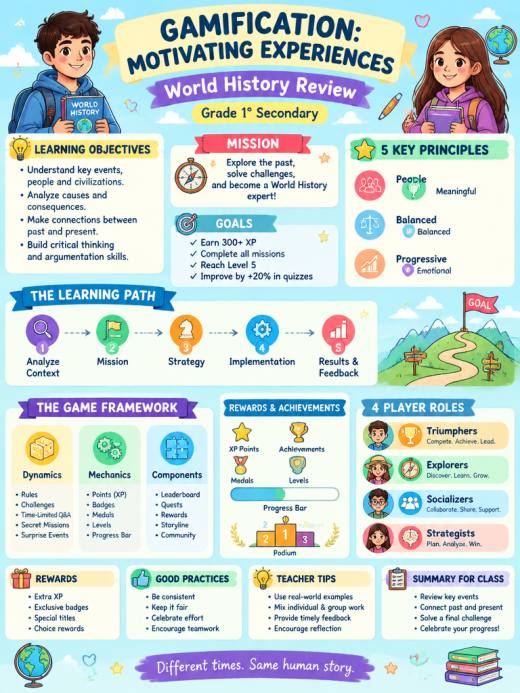
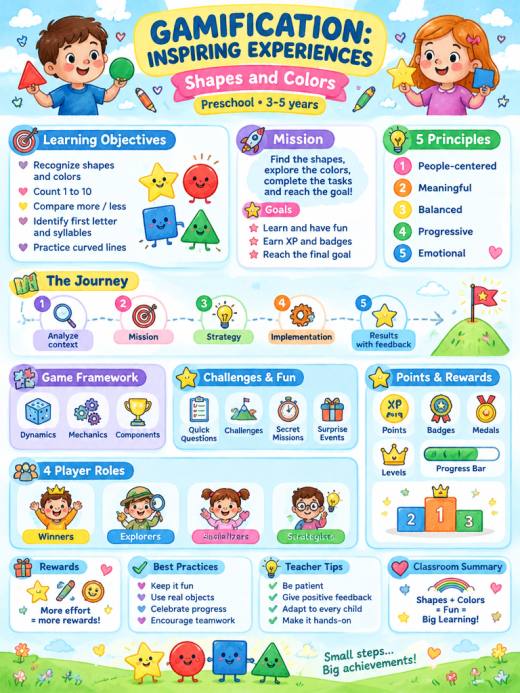
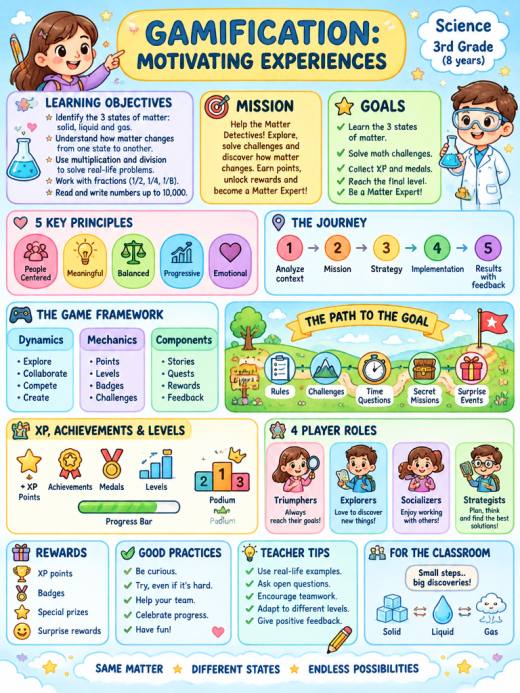
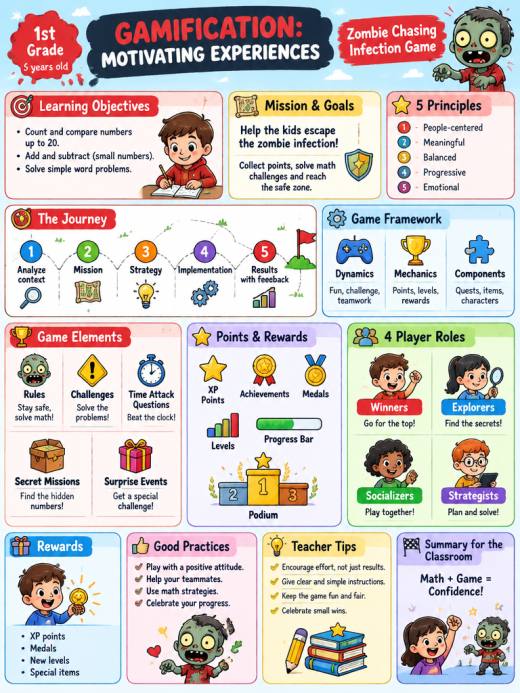

Tu planeación, en un vistazo
Una ruta clara para llevar el proyecto «Los sentidos de mi cuerpo» al aula y adaptarlo a las necesidades de tu grupo.
Ver contexto pedagógico, adaptaciones y materiales
Esta planeación didáctica por proyectos está pensada para segundo grado, Fase 3, durante la semana 12 de noviembre del ciclo escolar 2026–2027. El proyecto «Los sentidos de mi cuerpo» tiene como propósito students will communicate their observations about the five senses through oral discussion, drawings, and brief written records. They will write their own names and the names of classmates to identify authorship and ownership of their contributions to the classroom project. La secuencia parte del contexto del grupo para convertir sus experiencias, preguntas y saberes previos en oportunidades de aprendizaje significativo.
La propuesta se desarrolla mediante project-based learning through guided classroom inquiry, collaborative discussion, and written and oral communication. y articula principalmente el campo formativo Lenguajes. El contenido central aborda writing names in the mother tongue. Los PDA describen estos aprendizajes: students write their first and last names and the names of family members, teachers, peers, and other people in their environment to indicate authorship, belonging, and identity. Students communicate orally and in writing what they know and want to learn about the senses, using their drawings, observations, and experiment records from the project as meaningful contexts for expression. Las actividades se distribuyen por día con momentos de inicio, desarrollo y cierre, de modo que el docente pueda observar avances, recuperar producciones y ajustar la intervención sin perder el sentido del proyecto.
El producto final será a signed classroom senses journal containing an initial drawing, questions, and observation records from the project. La evaluación es formativa y considera participación, procesos, producciones y reflexión del alumnado. Se sugieren recursos como notebook, Pencils, Colored pencils, Textbook, pp. 110–111, Notebook, Pencils, Textbook, p. 112, Notebook, Pencils, Blindfold, Covered, labeled containers with the listed scent materials, Textbook, pp. 112–114, Notebook, Pencils, Soap and water, Spoon, Strawberry jam, Bread pieces, Other listed foods, as available and appropriate, Two disposable paper cups per pair, String, Pencil, Textbook, pp. 115–116, Notebook, Pencils, Clothespins, Cotton ball or pom-pom, Feather, Short piece of rope, Grass, Craft stick, Blindfold, Colored cellophane, Textbook, pp. 117–118. Para atender distintos ritmos de aprendizaje, ofrece apoyos visuales, consignas breves, opciones de respuesta oral o gráfica y acompañamiento entre pares. El documento puede descargarse en Word editable o en PDF listo para imprimir. Ambas versiones permiten adecuar tiempos, materiales, lenguaje, apoyos y evidencias a las necesidades reales de cada escuela.
Ficha curricular de la planeación
Consulta primero los elementos de la NEM. Después encontrarás la secuencia completa organizada por día.
Datos generales y propósito del proyecto
Ciclo escolar 2026–2027 · Fase 3. Campo formativo: Lenguajes.
Propósito: Students will communicate their observations about the five senses through oral discussion, drawings, and brief written records. They will write their own names and the names of classmates to identify authorship and ownership of their contributions to the classroom project.
Metodología: Project-based learning through guided classroom inquiry, collaborative discussion, and written and oral communication.
Contenido
Writing names in the mother tongue.
Proceso de Desarrollo de Aprendizaje (PDA)
Students write their first and last names and the names of family members, teachers, peers, and other people in their environment to indicate authorship, belonging, and identity. Students communicate orally and in writing what they know and want to learn about the senses, using their drawings, observations, and experiment records from the project as meaningful contexts for expression.
Ejes articuladores oficiales
Apropiación de las culturas a través de la lectura y la escritura, Inclusión
Producto final
A signed classroom senses journal containing an initial drawing, questions, and observation records from the project.
Evaluacion formativa
Ver criterios y evidencias
The student writes their first and last name legibly to identify authorship of the drawing and project records. The student records observations about sensory experiences using words that make the meaning understandable. The student communicates at least one observation orally and listens respectfully to classmates’ contributions. The student identifies the author of a peer’s written contribution by reading the name recorded with it. The student relates the drawing or written records to the senses and activities explored in the textbook project.
Materiales
Ver lista completa
Notebook, Pencils, Colored pencils, Textbook, pp. 110–111, Notebook, Pencils, Textbook, p. 112, Notebook, Pencils, Blindfold, Covered, labeled containers with the listed scent materials, Textbook, pp. 112–114, Notebook, Pencils, Soap and water, Spoon, Strawberry jam, Bread pieces, Other listed foods, as available and appropriate, Two disposable paper cups per pair, String, Pencil, Textbook, pp. 115–116, Notebook, Pencils, Clothespins, Cotton ball or pom-pom, Feather, Short piece of rope, Grass, Craft stick, Blindfold, Colored cellophane, Textbook, pp. 117–118
Adaptaciones para el grupo
Para atender distintos ritmos de aprendizaje, ofrece apoyos visuales, consignas breves, opciones de respuesta oral o gráfica y acompañamiento entre pares.
Desarrollo completo de la planeación
Aquí comienza la organización diaria con inicio, desarrollo, cierre, recursos y evidencias. El contenido y el PDA ya están separados en la ficha anterior.
Los sentidos de mi cuerpo
Semana: Semana 12 — Noviembre
Lenguajes
Metodología: Project-based learning through guided classroom inquiry, collaborative discussion, and written and oral communication.
Propósito: Students will communicate their observations about the five senses through oral discussion, drawings, and brief written records. They will write their own names and the names of classmates to identify authorship and ownership of their contributions to the classroom project.
Ejes articuladores
- Inclusión
- Pensamiento crítico
- Apropiación de las culturas a través de la lectura y la escritura
| Campo formativo | Contenido | PDA |
|---|---|---|
| Lenguajes | Writing names in the mother tongue. | Students write their first and last names and the names of family members, teachers, peers, and other people in their environment to indicate authorship, belonging, and identity. Students communicate orally and in writing what they know and want to learn about the senses, using their drawings, observations, and experiment records from the project as meaningful contexts for expression. |
| Día | Secuencia de actividades | Recursos |
|---|---|---|
| Monday | Invite students to connect the project with familiar experiences by asking what they notice when they smell food, taste a snack, hear a sound, touch an object, or look at something colorful. Read the opening account about Amelia and her second-grade class together, then guide students to identify the project’s purpose: exploring objects and foods to learn how the sense organs help us perceive the world (pp. 110–111). Ask each student to draw what they already know about the senses and their corresponding organs in a notebook, then write their first and last name clearly beside the drawing to show authorship. In pairs, have students describe one part of their drawing and listen respectfully to a classmate. Close by collecting evidence of name writing, oral clarity, and whether each drawing communicates an idea about the senses. | Notebook, Pencils, Colored pencils, Textbook, pp. 110–111 |
| Tuesday | Use the students’ drawings as a starting point for a classroom conversation about what they would like to discover through the project. Organize small classroom groups to discuss the questions in the book about the purpose of the senses and what they want to know, then invite groups to share their ideas with everyone (p. 112). Record students’ questions using their own wording and support them in naming the senses and the sensations each may help us perceive. Have each student add one question to the notebook and sign it with their first and last name; classmates can then read the questions aloud and identify their authors. Guide reflection on respectful listening, understandable speech, and accurate copying of names, without treating spelling attempts as a reason to discourage participation. | Notebook, Pencils, Textbook, p. 112 |
| Wednesday | Present the classroom groups with the materials listed for the smell investigation and ask how students might recognize a scent without seeing its source. Follow the book’s “Mysterious smells” procedure: take turns wearing a blindfold, carefully smelling the covered containers, guessing their contents, and recording whether each guess was correct; after each turn, discuss which smells seemed pleasant or unpleasant (pp. 112–114). Keep the activity within the classroom, use only the prepared and labeled containers, and allow students to decline smelling any item. Ask each recorder to write the participant’s name beside the observations so the record has clear authorship and identifies whose responses are represented. Conclude with a brief oral report from each group and formative feedback on listening, descriptive vocabulary, and readable name writing. | Notebook, Pencils, Blindfold, Covered, labeled containers with the listed scent materials, Textbook, pp. 112–114 |
| Thursday | Invite students to compare how the senses of taste and hearing provide different information, then carry out the book’s tasting activity in small classroom groups. After washing hands with soap and water, students observe the strawberry jam’s color and smell, taste a small amount with bread, identify its flavor, and record their observations; they then classify the flavors of the other listed foods in the table and discuss which seemed most or least pleasant (pp. 115–116). Follow the textbook’s homemade telephone procedure with a partner, taking turns speaking and listening through the connected paper cups before noting why hearing matters. Have students label their individual records with their names and share one observation aloud, checking that food safety, clear descriptions, and name-based authorship are maintained. | Notebook, Pencils, Soap and water, Spoon, Strawberry jam, Bread pieces, Other listed foods, as available and appropriate, Two disposable paper cups per pair, String, Pencil, Textbook, pp. 115–116 |
| Friday | Ask students to recall which observations from the week depended on touch or sight, and invite them to explain how they know. In classroom groups, follow the book’s texture investigation by taking turns wearing a blindfold while the cotton ball, feather, short piece of rope, grass, and craft stick gently touch the hands, arms, or cheeks; students describe each texture and guess the object, recording responses under the participant’s name (p. 117). Continue with the “Windows of light” activity using colored cellophane: students observe classroom objects, look again through different colors, and record how the objects appear to change (p. 118). Bring the week together by having each student present one written observation and identify its author; assess whether names are legible, observations are understandable, and oral sharing reflects attentive listening. Keep all activities in the classroom, adapting the visual observation to objects visible from the room. | Notebook, Pencils, Clothespins, Cotton ball or pom-pom, Feather, Short piece of rope, Grass, Craft stick, Blindfold, Colored cellophane, Textbook, pp. 117–118 |
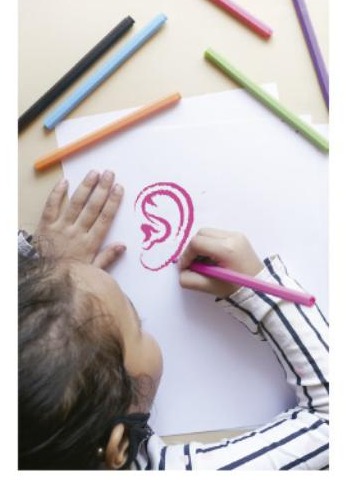
Producto: A signed classroom senses journal containing an initial drawing, questions, and observation records from the project.
Instrumento de evaluación de contenidos, PDA y producto del proyecto:
| Criterios de evaluación | Logrado | En proceso | Falta por consolidar |
|---|---|---|---|
| The student writes their first and last name legibly to identify authorship of the drawing and project records | |||
| The student records observations about sensory experiences using words that make the meaning understandable | |||
| The student communicates at least one observation orally and listens respectfully to classmates’ contributions | |||
| The student identifies the author of a peer’s written contribution by reading the name recorded with it | |||
| The student relates the drawing or written records to the senses and activities explored in the textbook project |
Antes de descargar
Datos, propósito y contenidos
- Lenguajes
- Students will communicate their observations about the five senses through oral discussion, drawings, and brief written records?
Actividades, producto y evaluación
- Notebook, Pencils, Colored pencils, Textbook, pp. 110–111, Notebook, Pencils, Textbook, p. 112, Notebook, Pencils, Blindfold, C?
- A signed classroom senses journal containing an initial drawing, questions, and observation records from the project.
Tu material está listo para descargar
Elige Word, PDF o anexos desde un solo lugar.
Mira lo que los maestros ya crearon con Gamificación Educativa
Preguntas frecuentes sobre esta planeación
¿Para qué grado y semanas está diseñada esta planeación?
Está diseñada para segundo grado, la semana 12 de noviembre de 2026, dentro del ciclo escolar 2026–2027.
¿Qué metodología utiliza la planeación?
La secuencia utiliza project-based learning through guided classroom inquiry, collaborative discussion, and written and oral communication. y organiza actividades situadas con evidencias y un producto final.
¿La planeación incluye contenidos y PDA de la NEM?
Sí. Incluye el campo formativo, el contenido, el proceso de desarrollo de aprendizaje, actividades y evaluación formativa alineados con la NEM.
¿Puedo editar y adaptar el archivo?
Sí. La versión Word es editable para ajustar actividades, materiales, apoyos, tiempos y evidencias. El PDF está listo para imprimir.
