
Planeación didáctica por proyectos de cuarto grado — Semana 10 de noviembre 2026: Mi cuerpo está cambiando
 ChannelKids
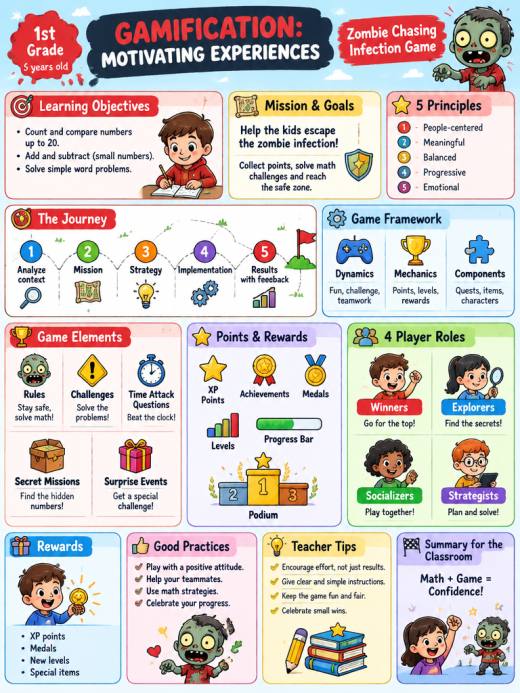
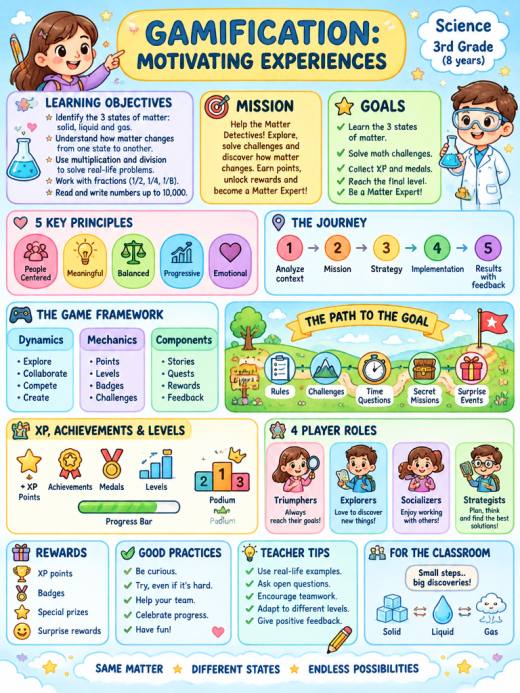
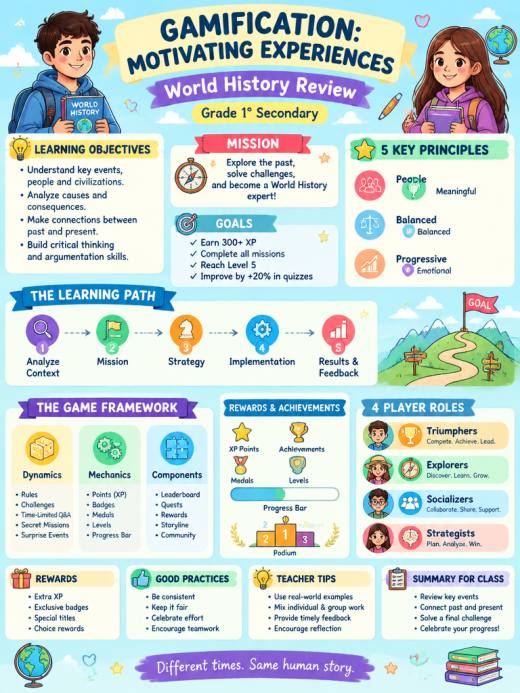
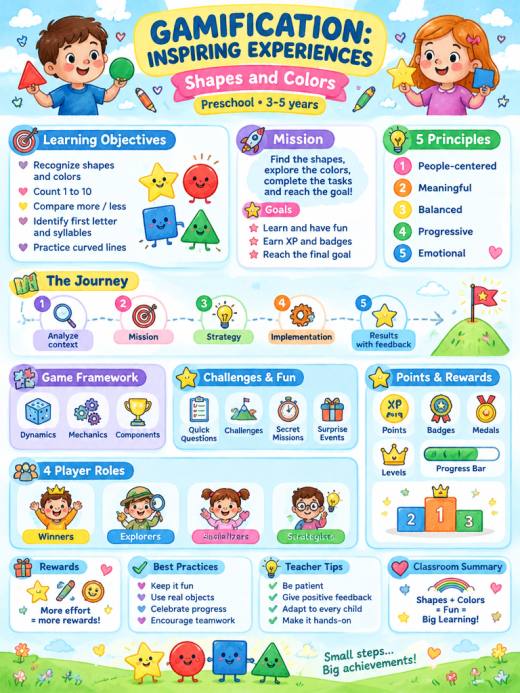
Mira lo que los maestros ya crearon con Gamificación Educativa

Tu planeación, en un vistazo
Una ruta clara para llevar el proyecto «Mi cuerpo está cambiando» al aula y adaptarlo a las necesidades de tu grupo.
Ver contexto pedagógico, adaptaciones y materiales
Esta planeación didáctica por proyectos está pensada para cuarto grado, Fase 4, durante la semana 10 de noviembre del ciclo escolar 2026–2027. El proyecto «Mi cuerpo está cambiando» tiene como propósito students will strengthen oral, written, and creative expression by narrating past and present experiences related to changes in the human body. They will use the textbook’s closing activities to organize information, communicate advice, and record shared agreements. La secuencia parte del contexto del grupo para convertir sus experiencias, preguntas y saberes previos en oportunidades de aprendizaje significativo.
La propuesta se desarrolla mediante classroom-based project work using the official textbook sequence and collaborative narrative practice. y articula principalmente el campo formativo los campos formativos de la Nueva Escuela Mexicana. El contenido central aborda narration of past and present events. Los PDA describen estos aprendizajes: students recognize and use different narrative styles, resources, and strategies to communicate past and present events related to the project. Students organize ideas and express them orally and in writing with clarity while contributing to the classroom project about changes in the human body. Las actividades se distribuyen por día con momentos de inicio, desarrollo y cierre, de modo que el docente pueda observar avances, recuperar producciones y ajustar la intervención sin perder el sentido del proyecto.
El producto final será ten-tip digestive health poster and classroom agreements. La evaluación es formativa y considera participación, procesos, producciones y reflexión del alumnado. Se sugieren recursos como notebook, Official textbook, page 142, Notebook, Official textbook, page 142, Colored pencils or markers, Poster paper, Colored pencils or markers, Adhesive tape, Official textbook, page 142, Completed classroom posters, Adhesive tape, Official textbook, page 142, Notebook, Completed classroom posters, Official textbook, page 142. Para atender distintos ritmos de aprendizaje, ofrece apoyos visuales, consignas breves, opciones de respuesta oral o gráfica y acompañamiento entre pares. El documento puede descargarse en Word editable o en PDF listo para imprimir. Ambas versiones permiten adecuar tiempos, materiales, lenguaje, apoyos y evidencias a las necesidades reales de cada escuela.
Ficha curricular de la planeación
Consulta primero los elementos de la NEM. Después encontrarás la secuencia completa organizada por día.
Datos generales y propósito del proyecto
Ciclo escolar 2026–2027 · Fase 4.
Propósito: Students will strengthen oral, written, and creative expression by narrating past and present experiences related to changes in the human body. They will use the textbook’s closing activities to organize information, communicate advice, and record shared agreements.
Metodología: Classroom-based project work using the official textbook sequence and collaborative narrative practice.
Contenido
Narration of past and present events.
Proceso de Desarrollo de Aprendizaje (PDA)
Students recognize and use different narrative styles, resources, and strategies to communicate past and present events related to the project. Students organize ideas and express them orally and in writing with clarity while contributing to the classroom project about changes in the human body.
Ejes articuladores oficiales
Inclusión, Pensamiento crítico
Producto final
Ten-tip digestive health poster and classroom agreements
Evaluacion formativa
Ver criterios y evidencias
The student communicates the textbook’s assigned purpose of creating ten tips to prevent digestive system illnesses. The student writes recommendations that are understandable, relevant to the assigned topic, and organized for readers. The student presents ideas orally with audible delivery, clear wording, and a logical explanation. The student uses peer feedback to improve clarity, spelling, or legibility in the poster. The student records classroom agreements and reflects in writing on a communication strategy used during the project.
Materiales
Ver lista completa
Notebook, Official textbook, page 142, Notebook, Official textbook, page 142, Colored pencils or markers, Poster paper, Colored pencils or markers, Adhesive tape, Official textbook, page 142, Completed classroom posters, Adhesive tape, Official textbook, page 142, Notebook, Completed classroom posters, Official textbook, page 142
Adaptaciones para el grupo
Para atender distintos ritmos de aprendizaje, ofrece apoyos visuales, consignas breves, opciones de respuesta oral o gráfica y acompañamiento entre pares.
Desarrollo completo de la planeación
Aquí comienza la organización diaria con inicio, desarrollo, cierre, recursos y evidencias. El contenido y el PDA ya están separados en la ficha anterior.
Mi cuerpo está cambiando
Semana: Semana 10 — Noviembre
Languages
Metodología: Classroom-based project work using the official textbook sequence and collaborative narrative practice.
Propósito: Students will strengthen oral, written, and creative expression by narrating past and present experiences related to changes in the human body. They will use the textbook’s closing activities to organize information, communicate advice, and record shared agreements.
Ejes articuladores
- Inclusión
- Pensamiento crítico
| Campo formativo | Contenido | PDA |
|---|---|---|
| Languages | Narration of past and present events. | Students recognize and use different narrative styles, resources, and strategies to communicate past and present events related to the project. Students organize ideas and express them orally and in writing with clarity while contributing to the classroom project about changes in the human body. |
| Día | Secuencia de actividades | Recursos |
|---|---|---|
| Monday | Invite students to consider how people describe changes they have experienced over time, and connect their answers to the project, “My Body Is Changing,” emphasizing respectful language and the choice not to share personal details. Explain that the available textbook excerpt begins with the closing activities on page 142, so the class will use its actual directions as the basis for this week’s work rather than assume content from unprovided pages. Read the instruction to prepare a classroom poster with ten tips for preventing digestive system illnesses, then ask students to identify the purpose, intended readers, and key action words in that direction. Have them orally retell the task in their own words and record a brief plan in their notebooks; assess whether they distinguish the stated health topic from personal body narratives and communicate the task clearly. | Notebook, Official textbook, page 142 |
| Tuesday | Use the question, “How can a short message help someone care for the digestive system?” to focus students on the textbook’s ten-tip poster task. Revisit page 142 and guide small groups to interpret its directions: prepare a poster, write ten tips for preventing digestive system illnesses, and use colored pencils or markers. Ask each group to draft tips in language appropriate for classmates, checking that each sentence communicates one understandable recommendation and stays faithful to the book’s stated topic. Then have partners read the drafts aloud and suggest revisions for clarity, word choice, and spelling. Collect the drafts for formative review, noting whether students use their own wording without changing the health purpose specified in the source. | Notebook, Official textbook, page 142, Colored pencils or markers |
| Wednesday | Present the poster as a form of purposeful writing that combines concise language and visual organization, then direct groups to continue the exact production described on page 142. Ask them to divide a sheet of poster paper into a clear layout, write their ten digestive-health prevention tips legibly, and add color only where it supports readability. As they work, prompt students to explain orally why a particular tip belongs on the poster and to revise any sentence that is unclear or repetitive. Invite groups to exchange drafts before completing the display version, using respectful feedback focused on accuracy to the assigned topic, sentence clarity, spelling, and legibility; close by having each group state one improvement it made after peer review. | Poster paper, Colored pencils or markers, Adhesive tape, Official textbook, page 142 |
| Thursday | Shift from composing to communicating by asking students how a reader can quickly find and understand advice on a classroom poster. Following the page 142 direction to place the posters outside the classroom to share them with the school community, keep the activity within the classroom scenario by arranging a simulated gallery for classmates rather than taking the project beyond the room. Each group presents its ten tips aloud, while listeners identify one clearly expressed recommendation and ask a relevant question. Guide presenters to use an audible voice, complete sentences, and an explanatory sequence; assess oral clarity, listening, and whether the spoken explanation accurately reflects the group’s written poster. | Completed classroom posters, Adhesive tape, Official textbook, page 142 |
| Friday | Conclude the week by returning to the textbook’s final reflection on page 142, which asks students to write in their notebooks the agreements reached in their community for learning about the digestive system and its care. Clarify that, within this classroom project, “community” refers to the class group. Invite students to recall the poster-writing and presentation process, then collaboratively formulate agreements about how they will communicate health information respectfully and clearly. Each student records the agreed statements in a complete written form and adds a brief reflection describing one oral or written strategy used during the project. Review the entries for relevance to the class discussion, readable writing, and evidence that students can reflect on how their communication developed. | Notebook, Completed classroom posters, Official textbook, page 142 |
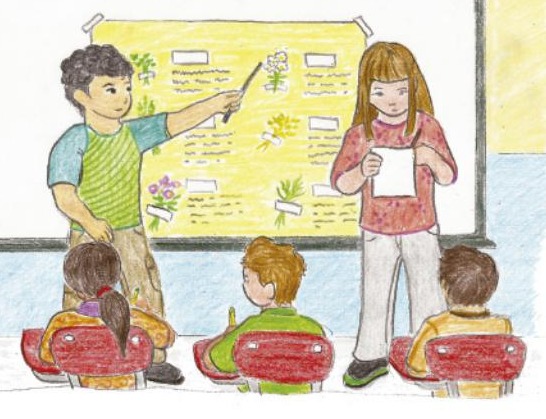
Producto: Ten-tip digestive health poster and classroom agreements
Instrumento de evaluación de contenidos, PDA y producto del proyecto:
| Criterios de evaluación | Logrado | En proceso | Falta por consolidar |
|---|---|---|---|
| The student communicates the textbook’s assigned purpose of creating ten tips to prevent digestive system illnesses | |||
| The student writes recommendations that are understandable, relevant to the assigned topic, and organized for readers | |||
| The student presents ideas orally with audible delivery, clear wording, and a logical explanation | |||
| The student uses peer feedback to improve clarity, spelling, or legibility in the poster | |||
| The student records classroom agreements and reflects in writing on a communication strategy used during the project |
Antes de descargar
Datos, propósito y contenidos
- Students will strengthen oral, written, and creative expression by narrating past and present experiences related to changes in?
- Narration of past and present events.
Actividades, producto y evaluación
- Notebook, Official textbook, page 142, Notebook, Official textbook, page 142, Colored pencils or markers, Poster paper, Colored?
- Ten-tip digestive health poster and classroom agreements
Tu material está listo para descargar
Elige Word, PDF o anexos desde un solo lugar.
Mira lo que los maestros ya crearon con Gamificación Educativa
Preguntas frecuentes sobre esta planeación
¿Para qué grado y semanas está diseñada esta planeación?
Está diseñada para cuarto grado, la semana 10 de noviembre de 2026, dentro del ciclo escolar 2026–2027.
¿Qué metodología utiliza la planeación?
La secuencia utiliza classroom-based project work using the official textbook sequence and collaborative narrative practice. y organiza actividades situadas con evidencias y un producto final.
¿La planeación incluye contenidos y PDA de la NEM?
Sí. Incluye el campo formativo, el contenido, el proceso de desarrollo de aprendizaje, actividades y evaluación formativa alineados con la NEM.
¿Puedo editar y adaptar el archivo?
Sí. La versión Word es editable para ajustar actividades, materiales, apoyos, tiempos y evidencias. El PDF está listo para imprimir.
