
Planeación didáctica por proyectos de tercer grado — Semana 15 de diciembre 2026: El placer de aprender a través de un instructivo
 ChannelKids
Mira lo que los maestros ya crearon con Pirámide de la Lectura
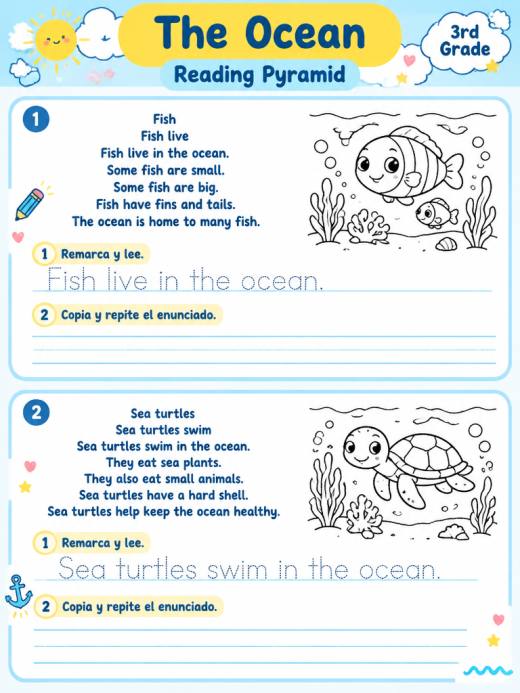
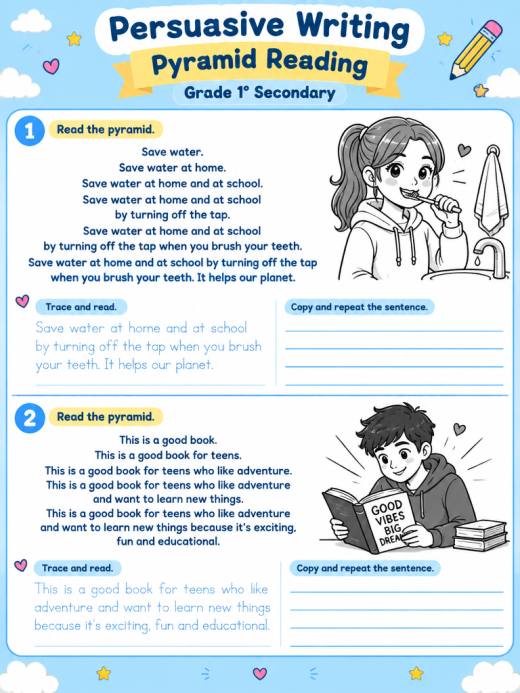
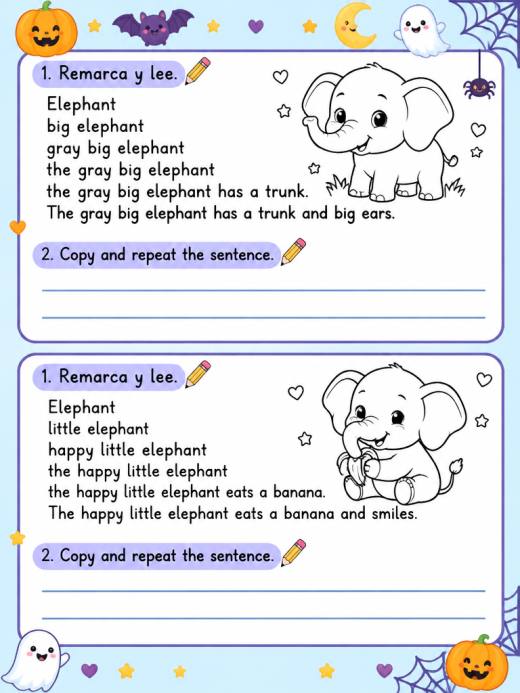
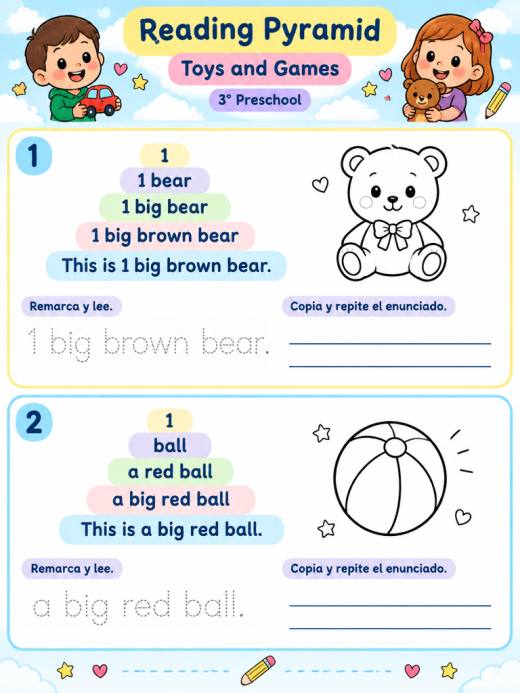

Tu planeación, en un vistazo
Una ruta clara para llevar el proyecto «El placer de aprender a través de un instructivo» al aula y adaptarlo a las necesidades de tu grupo.
Ver contexto pedagógico, adaptaciones y materiales
Esta planeación didáctica por proyectos está pensada para tercer grado, Fase 4, durante la semana 15 de diciembre del ciclo escolar 2026–2027. El proyecto «El placer de aprender a través de un instructivo» tiene como propósito strengthen students’ oral, written, and creative expression by examining how instructions communicate a process and collaboratively producing clear instructional posters. Students will reflect on how following instructions supports shared classroom routines and learning. La secuencia parte del contexto del grupo para convertir sus experiencias, preguntas y saberes previos en oportunidades de aprendizaje significativo.
La propuesta se desarrolla mediante project-based learning focused on creating, refining, and presenting classroom instructional texts. y articula principalmente el campo formativo los campos formativos de la Nueva Escuela Mexicana. El contenido central aborda narration of past and present events. Los PDA describen estos aprendizajes: students identify and explain the purpose of narration by distinguishing how a text communicates events or actions in an understandable sequence. Students recognize and describe key features of instructional texts, including a title, materials when needed, ordered directions, action verbs, and illustrations that clarify a process. Students collaboratively draft, revise, and present an instructional text, expressing ideas orally and in writing with clear sequencing and attention to classmates’ feedback. Las actividades se distribuyen por día con momentos de inicio, desarrollo y cierre, de modo que el docente pueda observar avances, recuperar producciones y ajustar la intervención sin perder el sentido del proyecto.
El producto final será collaborative classroom instructional poster and oral presentation. La evaluación es formativa y considera participación, procesos, producciones y reflexión del alumnado. Se sugieren recursos como student notebook, Official textbook, pages 28–32, Student notebook, Official textbook, pages 33–34, Student notebook, Pencils, Official textbook, pages 35–36, Student notebook, Index cards, Classroom library or teacher-selected reference materials, Pencils, Official textbook, pages 37–38, Student notebook, Poster paper or reusable paper, Colored pencils or markers, Pencils, Official textbook, pages 40–42. Para atender distintos ritmos de aprendizaje, ofrece apoyos visuales, consignas breves, opciones de respuesta oral o gráfica y acompañamiento entre pares. El documento puede descargarse en Word editable o en PDF listo para imprimir. Ambas versiones permiten adecuar tiempos, materiales, lenguaje, apoyos y evidencias a las necesidades reales de cada escuela.
Ficha curricular de la planeación
Consulta primero los elementos de la NEM. Después encontrarás la secuencia completa organizada por día.
Datos generales y propósito del proyecto
Ciclo escolar 2026–2027 · Fase 4.
Propósito: Strengthen students’ oral, written, and creative expression by examining how instructions communicate a process and collaboratively producing clear instructional posters. Students will reflect on how following instructions supports shared classroom routines and learning.
Metodología: Project-Based Learning focused on creating, refining, and presenting classroom instructional texts.
Contenido
Narration of past and present events.
Proceso de Desarrollo de Aprendizaje (PDA)
Students identify and explain the purpose of narration by distinguishing how a text communicates events or actions in an understandable sequence. Students recognize and describe key features of instructional texts, including a title, materials when needed, ordered directions, action verbs, and illustrations that clarify a process. Students collaboratively draft, revise, and present an instructional text, expressing ideas orally and in writing with clear sequencing and attention to classmates’ feedback.
Ejes articuladores oficiales
Inclusión, Pensamiento crítico
Producto final
Collaborative classroom instructional poster and oral presentation.
Evaluacion formativa
Ver criterios y evidencias
Students explain the purpose and key features of an instructional text using examples from the official textbook. Each team presents directions in a clear, logical sequence and uses action verbs that guide the reader. The poster includes a title, concise instructions, materials when needed, and illustrations that support understanding. Students communicate the poster’s purpose orally with understandable wording and contribute appropriately to the team presentation. Students use peer feedback to revise the text and reflect on how the instructions may support classroom routines.
Materiales
Ver lista completa
Student notebook, Official textbook, pages 28–32, Student notebook, Official textbook, pages 33–34, Student notebook, Pencils, Official textbook, pages 35–36, Student notebook, Index cards, Classroom library or teacher-selected reference materials, Pencils, Official textbook, pages 37–38, Student notebook, Poster paper or reusable paper, Colored pencils or markers, Pencils, Official textbook, pages 40–42
Adaptaciones para el grupo
Para atender distintos ritmos de aprendizaje, ofrece apoyos visuales, consignas breves, opciones de respuesta oral o gráfica y acompañamiento entre pares.
Desarrollo completo de la planeación
Aquí comienza la organización diaria con inicio, desarrollo, cierre, recursos y evidencias. El contenido y el PDA ya están separados en la ficha anterior.
El placer de aprender a través de un instructivo
Semana: Semana 15 — Diciembre
Languages
Metodología: Project-Based Learning focused on creating, refining, and presenting classroom instructional texts.
Propósito: Strengthen students’ oral, written, and creative expression by examining how instructions communicate a process and collaboratively producing clear instructional posters. Students will reflect on how following instructions supports shared classroom routines and learning.
Ejes articuladores
- Inclusión
- Pensamiento crítico
| Campo formativo | Contenido | PDA |
|---|---|---|
| Languages | Narration of past and present events. | Students identify and explain the purpose of narration by distinguishing how a text communicates events or actions in an understandable sequence. Students recognize and describe key features of instructional texts, including a title, materials when needed, ordered directions, action verbs, and illustrations that clarify a process. Students collaboratively draft, revise, and present an instructional text, expressing ideas orally and in writing with clear sequencing and attention to classmates’ feedback. |
| Día | Secuencia de actividades | Recursos |
|---|---|---|
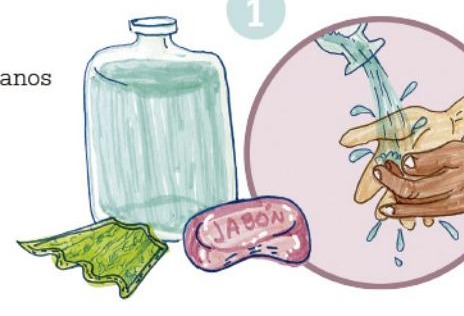
| Monday | Introduce the project through a classroom conversation about times students have needed clear directions to prepare something, make an object, or complete a useful routine. Ask what might happen if instructions were missing or out of order, then direct attention to the gelatin, paper airplane, and handwashing examples in the official book. Have students observe the images and explain what each text helps a reader do, using the questions on pages 28–32 to guide their discussion. Invite them to notice the materials, numbered actions, and illustrations, and to describe how the sequence makes each process understandable. Record representative observations in the class notebook and check whether students can explain the purpose of an instructional text in their own words. | Student notebook, Official textbook, pages 28–32 |
| Tuesday | Build on Monday’s observations by asking students to recall the order of actions in one of the book’s examples and explain how they know what comes first, next, and last. Use the questions and explanation on page 33 to distinguish instructional texts from other texts and discuss why their steps must be clear. Continue with the verb guidance on page 34, helping students identify infinitive forms such as “fold” and command forms such as “fold the paper.” In pairs, students select one familiar process from the examples or a classroom routine they can explain accurately, orally rehearse its actions in sequence, and note the verbs they would use. Listen for clear sequencing and appropriate action words, then invite pairs to share one observation with the class. | Student notebook, Official textbook, pages 33–34 |
| Wednesday | Present the classroom need that will give the project a practical purpose: identify a place in the classroom where a clear instructional text could help classmates use materials or follow a routine. Keeping the work within the classroom, adapt the observation and recording approach on page 35 by having students name a classroom location and complete a notebook table with “Place” and “Instruction needed”; for example, a materials area may need directions for returning supplies. Next, use the planning model on page 36 to agree on the project actions and classroom schedule, including defining the instructional text, preparing its presentation, and sharing it with the class. Have teams explain why their proposed text would help classmates, and assess whether each need is specific and connected to an actual classroom use. | Student notebook, Pencils, Official textbook, pages 35–36 |
| Thursday | Invite teams to become text investigators by comparing the instructional-text examples and research process described on pages 37–38. Within the classroom, provide access to the available classroom library or teacher-selected reference materials, then guide students to classify examples such as recipes, assembly procedures, hygiene steps, and game rules. Ask them to discuss how actions are ordered, which words direct the reader, and what illustrations contribute; each team records its most important findings on a card and presents them for class discussion. After gathering feedback, have teams draft the instructional text chosen for their classroom need, using brief, ordered directions and identifying any materials or illustrations required. Review drafts for sequence, readable wording, and accurate action verbs, and encourage students to revise unclear directions before the next session. | Student notebook, Index cards, Classroom library or teacher-selected reference materials, Pencils, Official textbook, pages 37–38 |
| Friday | Turn the revised drafts into classroom-ready instructional posters, following the final-product requirements on page 40: a suitable size, color, large drawings, brief text, a title, materials when needed, and instructions. Have teams rehearse their explanations and use peer feedback to confirm that the sequence is understandable and that every member’s ideas are represented. Then use the reflection and communication prompts on pages 41–42 to let teams present their posters to classmates, explain each poster’s purpose, and discuss the benefits of following its directions. Close with a class reflection on how the instructions may improve classroom routines, what other classroom instruction could be useful, and how collaboration felt; record agreed-upon conclusions in notebooks and assess clarity, participation, and responsiveness to feedback. | Student notebook, Poster paper or reusable paper, Colored pencils or markers, Pencils, Official textbook, pages 40–42 |
Producto: Collaborative classroom instructional poster and oral presentation.
Instrumento de evaluación de contenidos, PDA y producto del proyecto:
| Criterios de evaluación | Logrado | En proceso | Falta por consolidar |
|---|---|---|---|
| Students explain the purpose and key features of an instructional text using examples from the official textbook | |||
| Each team presents directions in a clear, logical sequence and uses action verbs that guide the reader | |||
| The poster includes a title, concise instructions, materials when needed, and illustrations that support understanding | |||
| Students communicate the poster’s purpose orally with understandable wording and contribute appropriately to the team presentation | |||
| Students use peer feedback to revise the text and reflect on how the instructions may support classroom routines |
Antes de descargar
Datos, propósito y contenidos
- Strengthen students’ oral, written, and creative expression by examining how instructions communicate a process and collaborati?
- Narration of past and present events.
Actividades, producto y evaluación
- Student notebook, Official textbook, pages 28–32, Student notebook, Official textbook, pages 33–34, Student notebook, Pencils, ?
- Collaborative classroom instructional poster and oral presentation.
Tu material está listo para descargar
Elige Word, PDF o anexos desde un solo lugar.
Mira lo que los maestros ya crearon con Pirámide de la Lectura
Preguntas frecuentes sobre esta planeación
¿Para qué grado y semanas está diseñada esta planeación?
Está diseñada para tercer grado, la semana 15 de diciembre de 2026, dentro del ciclo escolar 2026–2027.
¿Qué metodología utiliza la planeación?
La secuencia utiliza project-based learning focused on creating, refining, and presenting classroom instructional texts. y organiza actividades situadas con evidencias y un producto final.
¿La planeación incluye contenidos y PDA de la NEM?
Sí. Incluye el campo formativo, el contenido, el proceso de desarrollo de aprendizaje, actividades y evaluación formativa alineados con la NEM.
¿Puedo editar y adaptar el archivo?
Sí. La versión Word es editable para ajustar actividades, materiales, apoyos, tiempos y evidencias. El PDF está listo para imprimir.
