
Planeación didáctica por proyectos de segundo grado — Semana 12 de noviembre 2026: Los sentidos de mi cuerpo
 ChannelKids
Mira lo que los maestros ya crearon con Hoja de Trabajo Infantil
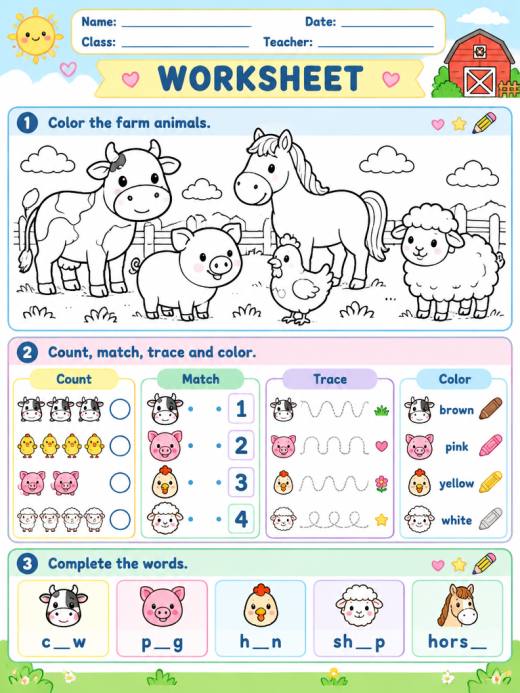
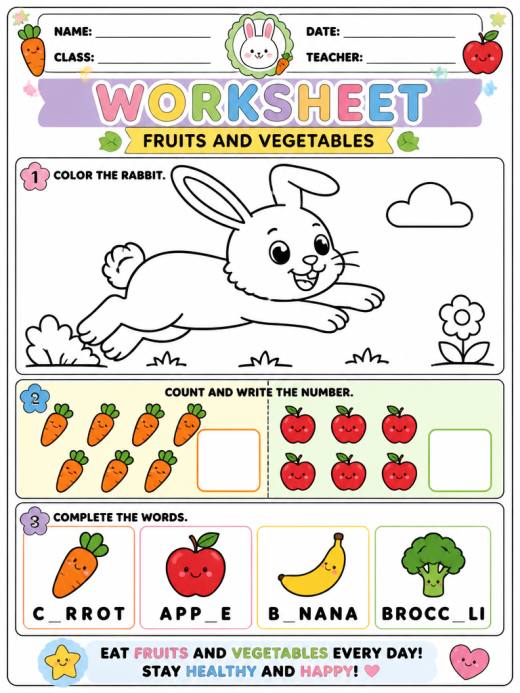
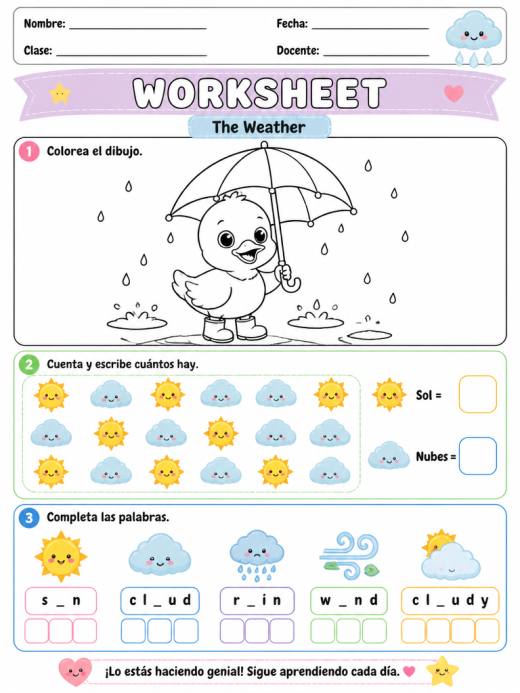
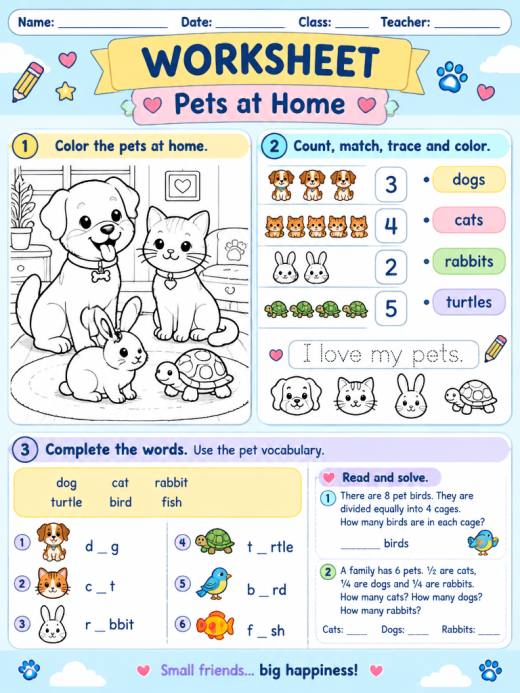

Tu planeación, en un vistazo
Una ruta clara para llevar el proyecto «Los sentidos de mi cuerpo» al aula y adaptarlo a las necesidades de tu grupo.
Ver contexto pedagógico, adaptaciones y materiales
Esta planeación didáctica por proyectos está pensada para segundo grado, Fase 3, durante la semana 12 de noviembre del ciclo escolar 2026–2027. El proyecto «Los sentidos de mi cuerpo» tiene como propósito support students in expressing ideas orally, in writing, and creatively as they explore the senses through the textbook project. Strengthen their ability to write their own names and the names of familiar people to identify authorship, belonging, and identity. La secuencia parte del contexto del grupo para convertir sus experiencias, preguntas y saberes previos en oportunidades de aprendizaje significativo.
La propuesta se desarrolla mediante project-based learning through guided inquiry, collaborative discussion, and classroom documentation. y articula principalmente el campo formativo los campos formativos de la Nueva Escuela Mexicana. El contenido central aborda writing names in the mother tongue. Los PDA describen estos aprendizajes: students write their first and last names and the names of family members, teachers, peers, and other people in their surroundings to indicate authorship, belonging, and identity. Las actividades se distribuyen por día con momentos de inicio, desarrollo y cierre, de modo que el docente pueda observar avances, recuperar producciones y ajustar la intervención sin perder el sentido del proyecto.
El producto final será signed sensory investigation notebook. La evaluación es formativa y considera participación, procesos, producciones y reflexión del alumnado. Se sugieren recursos como notebook, Pencils, Textbook, p. 110, Notebook, Pencils, Textbook, pp. 111–112, Notebook, Pencils, Blindfold, Covered containers with the listed scents, Textbook, pp. 112–114, Notebook, Pencils, Soap and water, Spoon, Strawberry jam, Bread, Other foods listed in the textbook, Two paper cups, String, Textbook, pp. 114–116, Notebook, Pencils, Clothespins, Cotton ball or pom-pom, Feather, Short piece of rope, Grass, Tongue depressor, Blindfold, Colored cellophane, Adhesive tape, Classroom objects, Textbook, pp. 117–118. Para atender distintos ritmos de aprendizaje, ofrece apoyos visuales, consignas breves, opciones de respuesta oral o gráfica y acompañamiento entre pares. El documento puede descargarse en Word editable o en PDF listo para imprimir. Ambas versiones permiten adecuar tiempos, materiales, lenguaje, apoyos y evidencias a las necesidades reales de cada escuela.
Ficha curricular de la planeación
Consulta primero los elementos de la NEM. Después encontrarás la secuencia completa organizada por día.
Datos generales y propósito del proyecto
Ciclo escolar 2026–2027 · Fase 3.
Propósito: Support students in expressing ideas orally, in writing, and creatively as they explore the senses through the textbook project. Strengthen their ability to write their own names and the names of familiar people to identify authorship, belonging, and identity.
Metodología: Project-based learning through guided inquiry, collaborative discussion, and classroom documentation.
Contenido
Writing names in the mother tongue.
Proceso de Desarrollo de Aprendizaje (PDA)
Students write their first and last names and the names of family members, teachers, peers, and other people in their surroundings to indicate authorship, belonging, and identity.
Ejes articuladores oficiales
Inclusión, Pensamiento crítico
Producto final
Signed sensory investigation notebook
Evaluacion formativa
Ver criterios y evidencias
The student writes their first and last name legibly to identify authorship of drawings, observations, and the final notebook entry. The student writes classmates’ names accurately when identifying or attributing their contributions. The student communicates observations about the senses clearly and listens respectfully to peers during classroom discussions. The student records observations from the textbook investigations in a way that distinguishes personal responses from classmates’ responses.
Materiales
Ver lista completa
Notebook, Pencils, Textbook, p. 110, Notebook, Pencils, Textbook, pp. 111–112, Notebook, Pencils, Blindfold, Covered containers with the listed scents, Textbook, pp. 112–114, Notebook, Pencils, Soap and water, Spoon, Strawberry jam, Bread, Other foods listed in the textbook, Two paper cups, String, Textbook, pp. 114–116, Notebook, Pencils, Clothespins, Cotton ball or pom-pom, Feather, Short piece of rope, Grass, Tongue depressor, Blindfold, Colored cellophane, Adhesive tape, Classroom objects, Textbook, pp. 117–118
Adaptaciones para el grupo
Para atender distintos ritmos de aprendizaje, ofrece apoyos visuales, consignas breves, opciones de respuesta oral o gráfica y acompañamiento entre pares.
Desarrollo completo de la planeación
Aquí comienza la organización diaria con inicio, desarrollo, cierre, recursos y evidencias. El contenido y el PDA ya están separados en la ficha anterior.
Los sentidos de mi cuerpo
Semana: Semana 12 — Noviembre
Languages
Metodología: Project-based learning through guided inquiry, collaborative discussion, and classroom documentation.
Propósito: Support students in expressing ideas orally, in writing, and creatively as they explore the senses through the textbook project. Strengthen their ability to write their own names and the names of familiar people to identify authorship, belonging, and identity.
Ejes articuladores
- Inclusión
- Pensamiento crítico
| Campo formativo | Contenido | PDA |
|---|---|---|
| Languages | Writing names in the mother tongue. | Students write their first and last names and the names of family members, teachers, peers, and other people in their surroundings to indicate authorship, belonging, and identity. |
| Día | Secuencia de actividades | Recursos |
|---|---|---|
| Monday | Introduce the project question by inviting students to describe what they already know about the senses and the body parts associated with them. Read the opening account about Amelia and her second-grade class together, then clarify that the class will explore the senses through the activities in the project, “The Senses of My Body” (textbook, p. 110). Ask students to draw in their notebooks what they know about the senses and their corresponding organs, and to write their first and last names as the authors of their drawings. Next, organize small classroom groups to discuss their pictures respectfully and consider what they would like to learn. Close by collecting a few examples of clear oral explanations and checking whether each drawing is labeled with its author’s name. | Notebook, Pencils, Textbook, p. 110 |
| Tuesday | Use the students’ questions from the previous session to focus attention on what each sense allows a person to perceive. Guide small groups in discussing the questions listed in the project and sharing their ideas in a classroom plenary (textbook, p. 111). Have each student record one question and one current idea in the notebook, signing the entry with a first and last name; invite students to include the names of classmates whose contributions they quote, checking spelling against the names those classmates provide. Then help groups agree on how they will approach the upcoming investigations and record their agreements, as directed in the project (textbook, p. 112). Conclude by reviewing whether students listened respectfully, expressed an idea clearly, and identified the author of each written contribution. | Notebook, Pencils, Textbook, pp. 111–112 |
| Wednesday | Present the mystery-container investigation as an opportunity to describe and record what the sense of smell helps people perceive. Arrange the classroom groups and follow the textbook procedure: one student wears a blindfold while classmates carefully present the covered containers, record the guesses, and ask which smells seemed more or less pleasant; rotate roles so each group member can participate (textbook, pp. 112–114). Ask students to write observations in their notebooks and identify the recorder by first and last name, while using classmates’ names accurately when attributing a response. After the investigation, invite groups to share a finding and explain how they know whose observation is being reported. Assess attentive listening, clarity of oral descriptions, and legible, correctly attributed notes. | Notebook, Pencils, Blindfold, Covered containers with the listed scents, Textbook, pp. 112–114 |
| Thursday | Build on the previous observations by inviting students to compare how the sense of taste contributes to describing food. Follow the textbook’s “Tasting Along” activity: students wash their hands, observe and smell the strawberry jam, taste it with bread, identify the flavor, and record the results for the other foods provided; then they complete the flavor table in their notebooks (textbook, pp. 114–115). Emphasize precise oral vocabulary and have each student sign the table with a first and last name so the author of the record is clear. Continue with the homemade telephone procedure in pairs, using the cups and string to listen to a partner’s voice, and record a brief reflection about hearing (textbook, p. 116). Close with a comparison of students’ descriptions, checking that they communicate respectfully and distinguish their own writing from a partner’s. | Notebook, Pencils, Soap and water, Spoon, Strawberry jam, Bread, Other foods listed in the textbook, Two paper cups, String, Textbook, pp. 114–116 |
| Friday | Invite students to use evidence from the week to explain how touch and sight provide information. In small groups, conduct the textbook’s texture investigation with the sensory clothespins, taking turns identifying textures while a classmate records responses and attributes them by name (textbook, p. 117). Then adapt the “Windows of Light” activity to the classroom by observing available objects through colored cellophane, recording how their appearance changes, and discussing the observations without moving the activity beyond the classroom setting (textbook, p. 118). Have students prepare a final notebook entry that brings together one observation from the week, a clearly written first and last name, and the names of classmates whose ideas they cite. Conclude with a classroom sharing circle and formative review of accurate name writing, clear oral explanations, and respectful attribution; note that the textbook also proposes consulting information about the senses and caring for them with an adult (textbook, p. 118). | Notebook, Pencils, Clothespins, Cotton ball or pom-pom, Feather, Short piece of rope, Grass, Tongue depressor, Blindfold, Colored cellophane, Adhesive tape, Classroom objects, Textbook, pp. 117–118 |
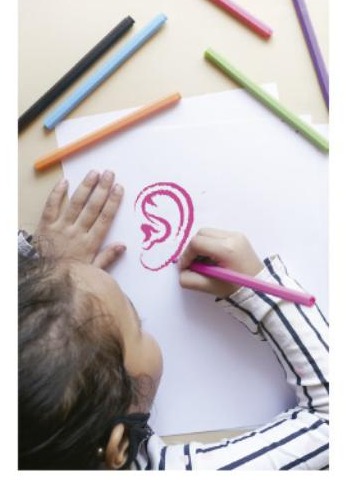
Producto: Signed sensory investigation notebook
Instrumento de evaluación de contenidos, PDA y producto del proyecto:
| Criterios de evaluación | Logrado | En proceso | Falta por consolidar |
|---|---|---|---|
| The student writes their first and last name legibly to identify authorship of drawings, observations, and the final notebook entry | |||
| The student writes classmates’ names accurately when identifying or attributing their contributions | |||
| The student communicates observations about the senses clearly and listens respectfully to peers during classroom discussions | |||
| The student records observations from the textbook investigations in a way that distinguishes personal responses from classmates’ responses |
Antes de descargar
Datos, propósito y contenidos
- Support students in expressing ideas orally, in writing, and creatively as they explore the senses through the textbook project?
- Writing names in the mother tongue.
Actividades, producto y evaluación
- Notebook, Pencils, Textbook, p. 110, Notebook, Pencils, Textbook, pp. 111–112, Notebook, Pencils, Blindfold, Covered containers?
- Signed sensory investigation notebook
Tu material está listo para descargar
Elige Word, PDF o anexos desde un solo lugar.
Mira lo que los maestros ya crearon con Hoja de Trabajo Infantil
Preguntas frecuentes sobre esta planeación
¿Para qué grado y semanas está diseñada esta planeación?
Está diseñada para segundo grado, la semana 12 de noviembre de 2026, dentro del ciclo escolar 2026–2027.
¿Qué metodología utiliza la planeación?
La secuencia utiliza project-based learning through guided inquiry, collaborative discussion, and classroom documentation. y organiza actividades situadas con evidencias y un producto final.
¿La planeación incluye contenidos y PDA de la NEM?
Sí. Incluye el campo formativo, el contenido, el proceso de desarrollo de aprendizaje, actividades y evaluación formativa alineados con la NEM.
¿Puedo editar y adaptar el archivo?
Sí. La versión Word es editable para ajustar actividades, materiales, apoyos, tiempos y evidencias. El PDF está listo para imprimir.
