
Planeación didáctica por proyectos de primer grado — Semana 9 de noviembre 2026: ¡Creemos textos en colectivo!
 ChannelKids
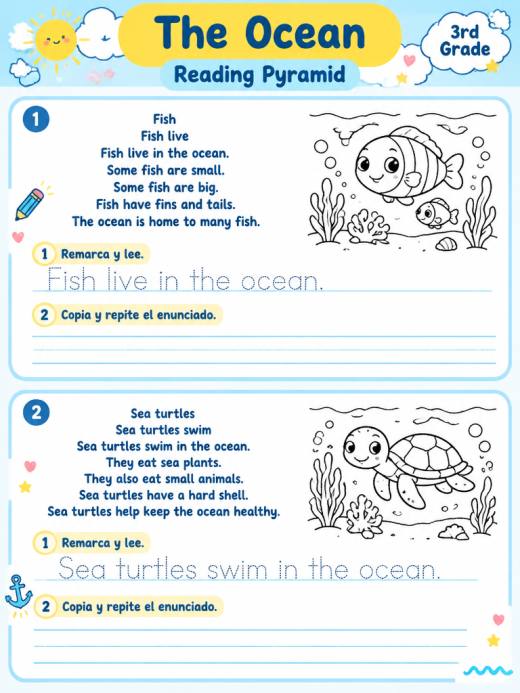
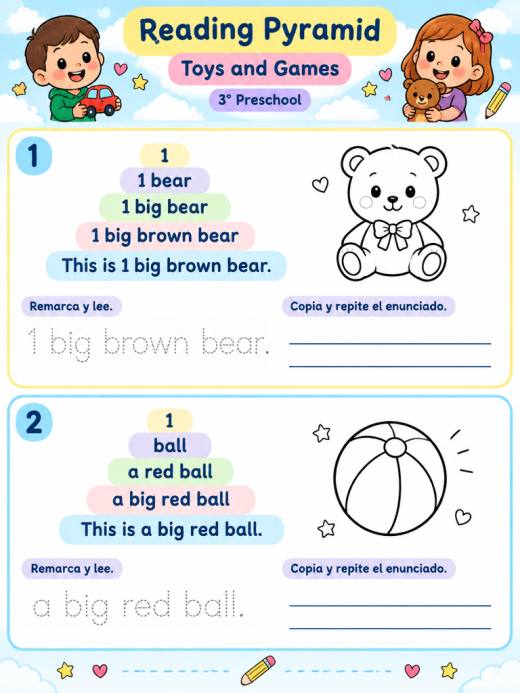
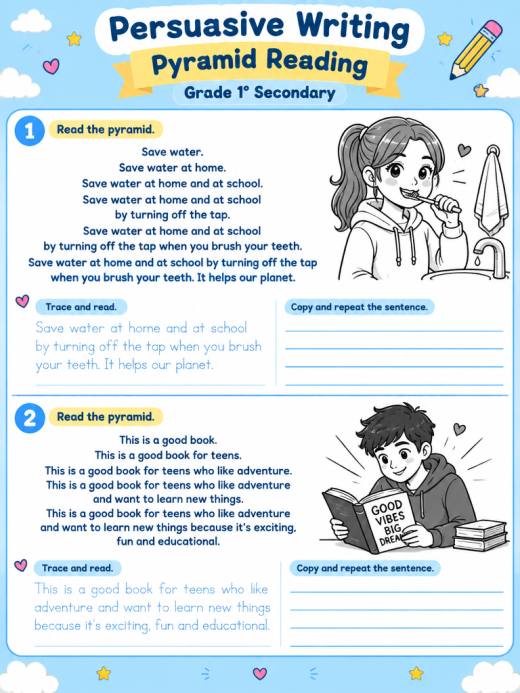
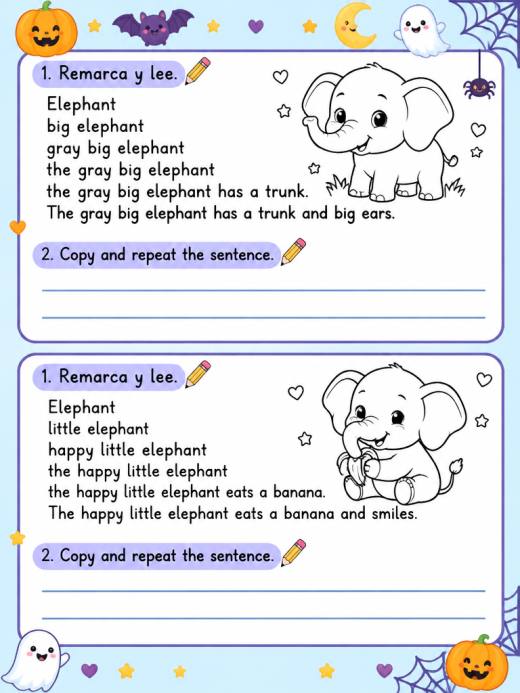
Mira lo que los maestros ya crearon con Pirámide de la Lectura

Tu planeación, en un vistazo
Una ruta clara para llevar el proyecto «¡Creemos textos en colectivo!» al aula y adaptarlo a las necesidades de tu grupo.
Ver contexto pedagógico, adaptaciones y materiales
Esta planeación didáctica por proyectos está pensada para primer grado, Fase 3, durante la semana 9 de noviembre del ciclo escolar 2026–2027. El proyecto «¡Creemos textos en colectivo!» tiene como propósito students will express emotions and ideas orally, in writing, and through creative work while collaboratively creating and discussing an exquisite corpse. They will also write their names and use them to identify authorship of their contributions. La secuencia parte del contexto del grupo para convertir sus experiencias, preguntas y saberes previos en oportunidades de aprendizaje significativo.
La propuesta se desarrolla mediante project-based learning through collaborative classroom exploration, creation, revision, and sharing. y articula principalmente el campo formativo los campos formativos de la Nueva Escuela Mexicana. El contenido central aborda writing names in the home language. Los PDA describen estos aprendizajes: students write their names and compare them with classmates’ names, using their names to identify authorship of their work, label their school supplies, record attendance, and for other purposes. Las actividades se distribuyen por día con momentos de inicio, desarrollo y cierre, de modo que el docente pueda observar avances, recuperar producciones y ajustar la intervención sin perder el sentido del proyecto.
El producto final será classroom collaborative exquisite corpse with titled, signed contributions and peer suggestions. La evaluación es formativa y considera participación, procesos, producciones y reflexión del alumnado. Se sugieren recursos como textbook, pp. 48–49, Blank sheets, Colored pencils or crayons, Student notebooks, Textbook, p. 50, Student notebooks, Monday’s drawings, Board and markers, Textbook, p. 51, Student notebooks, Classroom books or teacher-guided internet examples, Pencils, Textbook, pp. 52–53, Student notebooks, Classroom chart paper, Markers, Textbook, pp. 54–57, Student notebooks, Large sheet of paper, Colored pencils, crayons, or markers, Classroom chart paper. Para atender distintos ritmos de aprendizaje, ofrece apoyos visuales, consignas breves, opciones de respuesta oral o gráfica y acompañamiento entre pares. El documento puede descargarse en Word editable o en PDF listo para imprimir. Ambas versiones permiten adecuar tiempos, materiales, lenguaje, apoyos y evidencias a las necesidades reales de cada escuela.
Ficha curricular de la planeación
Consulta primero los elementos de la NEM. Después encontrarás la secuencia completa organizada por día.
Datos generales y propósito del proyecto
Ciclo escolar 2026–2027 · Fase 3.
Propósito: Students will express emotions and ideas orally, in writing, and through creative work while collaboratively creating and discussing an exquisite corpse. They will also write their names and use them to identify authorship of their contributions.
Metodología: Project-based learning through collaborative classroom exploration, creation, revision, and sharing.
Contenido
Writing names in the home language.
Proceso de Desarrollo de Aprendizaje (PDA)
Students write their names and compare them with classmates’ names, using their names to identify authorship of their work, label their school supplies, record attendance, and for other purposes.
Ejes articuladores oficiales
Inclusión, Pensamiento crítico
Producto final
Classroom collaborative exquisite corpse with titled, signed contributions and peer suggestions.
Evaluacion formativa
Ver criterios y evidencias
The student writes their name legibly to identify authorship of an individual or collaborative contribution. The student compares their written name with classmates’ names and recognizes that names identify different authors. The student communicates an emotion or idea orally, in writing, or through an artistic contribution connected to the exquisite corpse. The student listens to classmates’ interpretations and offers or considers a respectful suggestion for improving the shared work. The student contributes to the group creation and explains how collaboration shaped its title, meaning, or emotional expression.
Materiales
Ver lista completa
Textbook, pp. 48–49, Blank sheets, Colored pencils or crayons, Student notebooks, Textbook, p. 50, Student notebooks, Monday’s drawings, Board and markers, Textbook, p. 51, Student notebooks, Classroom books or teacher-guided internet examples, Pencils, Textbook, pp. 52–53, Student notebooks, Classroom chart paper, Markers, Textbook, pp. 54–57, Student notebooks, Large sheet of paper, Colored pencils, crayons, or markers, Classroom chart paper
Adaptaciones para el grupo
Para atender distintos ritmos de aprendizaje, ofrece apoyos visuales, consignas breves, opciones de respuesta oral o gráfica y acompañamiento entre pares.
Desarrollo completo de la planeación
Aquí comienza la organización diaria con inicio, desarrollo, cierre, recursos y evidencias. El contenido y el PDA ya están separados en la ficha anterior.
¡Creemos textos en colectivo!
Semana: Semana 9 — Noviembre
Languages
Metodología: Project-based learning through collaborative classroom exploration, creation, revision, and sharing.
Propósito: Students will express emotions and ideas orally, in writing, and through creative work while collaboratively creating and discussing an exquisite corpse. They will also write their names and use them to identify authorship of their contributions.
Ejes articuladores
- Inclusión
- Pensamiento crítico
| Campo formativo | Contenido | PDA |
|---|---|---|
| Languages | Writing names in the home language. | Students write their names and compare them with classmates’ names, using their names to identify authorship of their work, label their school supplies, record attendance, and for other purposes. |
| Día | Secuencia de actividades | Recursos |
|---|---|---|
| Monday | Invite students to consider how a shared drawing can combine different ideas and feelings, connecting this question to the classroom project, “Let’s Create Texts Together!” Read the opening of the project and guide each student to draw a favorite animal on a blank sheet, then exchange drawings with a classmate so each partner can add an unexpected feature, such as wings to a dog or chicken legs to a cat. Have students use bright colors, give the transformed character a name, and write their own names clearly as the authors of their contributions. As students present their drawings, prompt them to explain their character’s name and how it felt to add to someone else’s work; observe whether they identify their authorship and listen respectfully (pp. 48–49). | Textbook, pp. 48–49, Blank sheets, Colored pencils or crayons, Student notebooks |
| Tuesday | Use the students’ newly named characters to revisit how collaboration helps a group reach a shared goal. Organize a classroom conversation in which students show their drawings, say the title or name they chose, and describe what they contributed to a classmate’s animal; support each child in writing their name beside their work so authorship remains visible. Then guide the class in copying and discussing the project sequence shown in the book, including research, identifying emotions, creating the first exquisite corpse, suggestions and adjustments, and presenting the final version. Have students help determine the order of these activities and record the agreed plan, checking that they can recognize their own names and compare how classmates’ names are written (p. 50). | Textbook, p. 50, Student notebooks, Monday’s drawings, Board and markers |
| Wednesday | Begin with the question of how people can recognize and communicate an emotion, then use the book’s emotion images to prompt paired observation and discussion. Ask students to name an emotion they notice, express how they feel at that moment, and represent it with a simple gesture or drawing; encourage them to explain why recognizing emotions matters. Continue with the guided search for examples of exquisite corpses in books or on the internet, using teacher-selected classroom materials and supporting students as they copy an example and write, in their own words, what they understand by the term. In the group share, invite students to read their explanations and sign their notebook entries, noting whether they communicate an idea clearly and identify their written work (p. 51). | Textbook, p. 51, Student notebooks, Classroom books or teacher-guided internet examples, Pencils |
| Thursday | Present the book’s examples and short text combinations as material for deciding what makes an exquisite corpse collective and how words or images can evoke emotions. Have students observe the examples, discuss which ones they consider exquisite corpses and explain why, then read the short combinations and record the emotion each one brings to mind. In pairs, ask them to connect the examples with situations or feelings they recognize, while making space for different interpretations. Gather questions about creating an exquisite corpse in the classroom chart and clarify them together; as students contribute, ask them to write their names beside their recorded ideas, reinforcing the use of names to show authorship while assessing attentive listening and the clarity of oral explanations (pp. 52–53). | Textbook, pp. 52–53, Student notebooks, Classroom chart paper, Markers |
| Friday | Read “The Box of Notes” aloud and pause to help students identify the important event Miguel remembers and the emotion it inspires, linking the story to their own ideas without requiring them to share anything they prefer to keep private. Guide students to choose collaboratively whether the class will create a literary or artistic exquisite corpse, following the book’s directions: brief sentences that express emotions for a literary work, or combined lines, colors, backgrounds, objects, animals, and other figures for an artistic work. Have the group title the creation and ensure each student writes their name to identify their contribution. Share the work in the classroom, invite classmates to name emotions represented, and record respectful suggestions for revision; close by discussing how the group can express feelings in different ways and writing the classroom agreements for future collective creations (pp. 54–57). | Textbook, pp. 54–57, Student notebooks, Large sheet of paper, Colored pencils, crayons, or markers, Classroom chart paper |
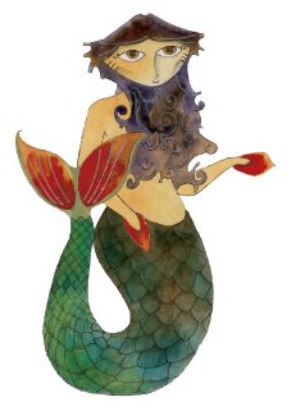
Producto: Classroom collaborative exquisite corpse with titled, signed contributions and peer suggestions.
Instrumento de evaluación de contenidos, PDA y producto del proyecto:
| Criterios de evaluación | Logrado | En proceso | Falta por consolidar |
|---|---|---|---|
| The student writes their name legibly to identify authorship of an individual or collaborative contribution | |||
| The student compares their written name with classmates’ names and recognizes that names identify different authors | |||
| The student communicates an emotion or idea orally, in writing, or through an artistic contribution connected to the exquisite corpse | |||
| The student listens to classmates’ interpretations and offers or considers a respectful suggestion for improving the shared work | |||
| The student contributes to the group creation and explains how collaboration shaped its title, meaning, or emotional expression |
Antes de descargar
Datos, propósito y contenidos
- Students will express emotions and ideas orally, in writing, and through creative work while collaboratively creating and discu?
- Writing names in the home language.
Actividades, producto y evaluación
- Textbook, pp. 48–49, Blank sheets, Colored pencils or crayons, Student notebooks, Textbook, p. 50, Student notebooks, Monday’s ?
- Classroom collaborative exquisite corpse with titled, signed contributions and peer suggestions.
Tu material está listo para descargar
Elige Word, PDF o anexos desde un solo lugar.
Mira lo que los maestros ya crearon con Pirámide de la Lectura
Preguntas frecuentes sobre esta planeación
¿Para qué grado y semanas está diseñada esta planeación?
Está diseñada para primer grado, la semana 9 de noviembre de 2026, dentro del ciclo escolar 2026–2027.
¿Qué metodología utiliza la planeación?
La secuencia utiliza project-based learning through collaborative classroom exploration, creation, revision, and sharing. y organiza actividades situadas con evidencias y un producto final.
¿La planeación incluye contenidos y PDA de la NEM?
Sí. Incluye el campo formativo, el contenido, el proceso de desarrollo de aprendizaje, actividades y evaluación formativa alineados con la NEM.
¿Puedo editar y adaptar el archivo?
Sí. La versión Word es editable para ajustar actividades, materiales, apoyos, tiempos y evidencias. El PDF está listo para imprimir.
