
Planeación didáctica por proyectos de primer grado — Semana 13 de diciembre 2026: Así festejan las familias de mi comunidad
 ChannelKids
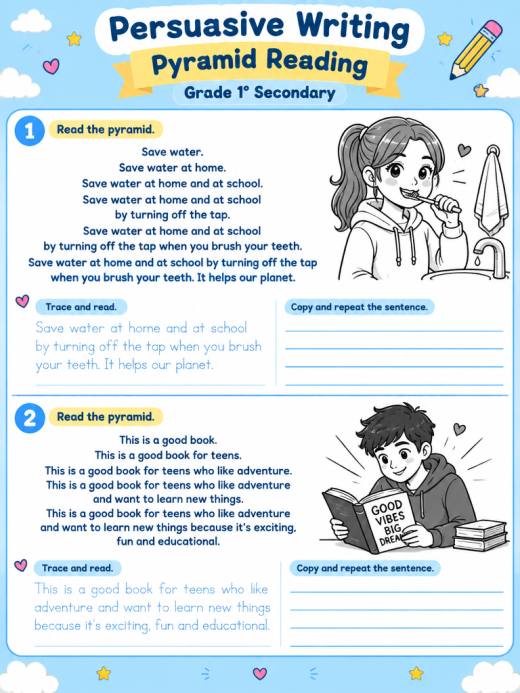
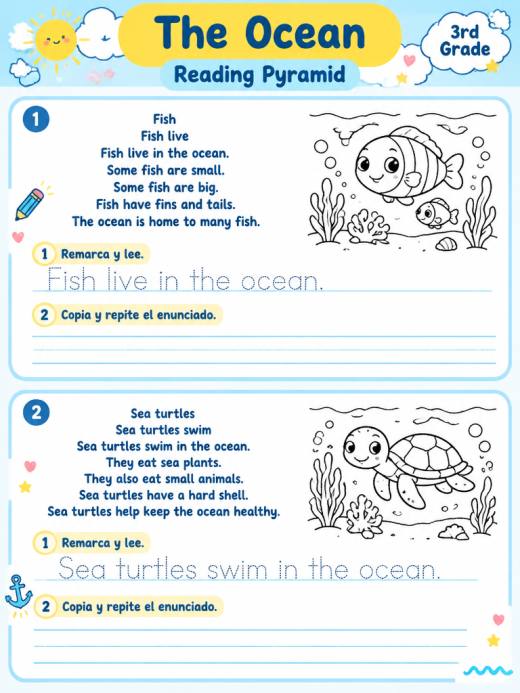
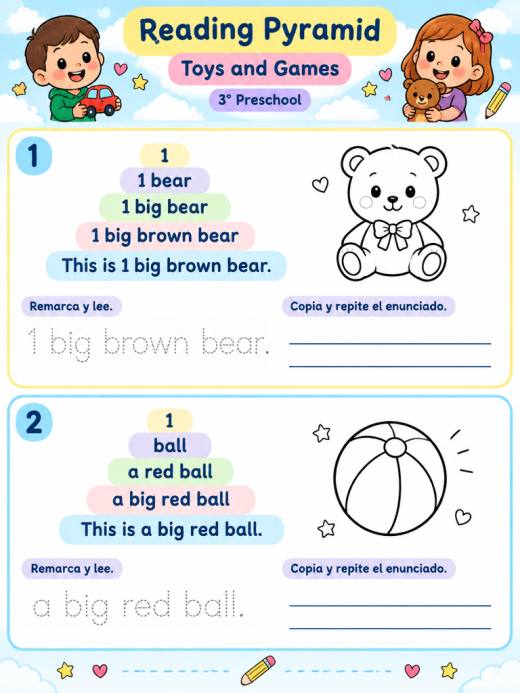
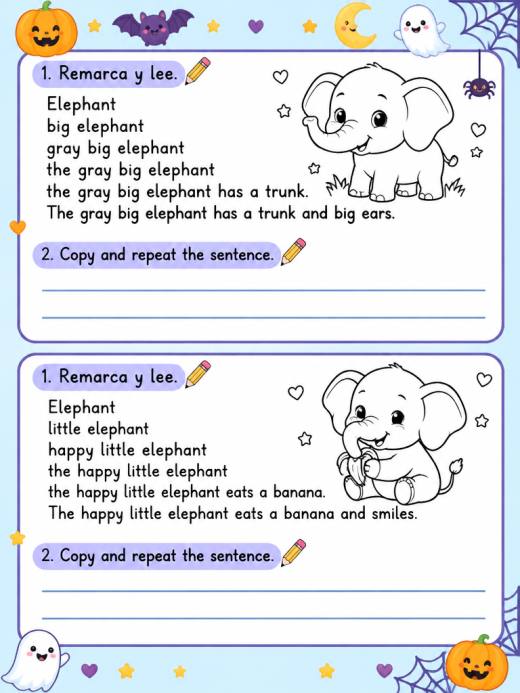
Mira lo que los maestros ya crearon con Pirámide de la Lectura

Tu planeación, en un vistazo
Una ruta clara para llevar el proyecto «Así festejan las familias de mi comunidad» al aula y adaptarlo a las necesidades de tu grupo.
Ver contexto pedagógico, adaptaciones y materiales
Esta planeación didáctica por proyectos está pensada para primer grado, Fase 3, durante la semana 13 de diciembre del ciclo escolar 2026–2027. El proyecto «Así festejan las familias de mi comunidad» tiene como propósito to strengthen students’ oral, written, and creative expression by reflecting on the learning and collective agreements described in the project. Students will write their names to identify their work and share ideas respectfully within the classroom community. La secuencia parte del contexto del grupo para convertir sus experiencias, preguntas y saberes previos en oportunidades de aprendizaje significativo.
La propuesta se desarrolla mediante community project-based learning y articula principalmente el campo formativo los campos formativos de la Nueva Escuela Mexicana. El contenido central aborda writing names in the mother tongue. Los PDA describen estos aprendizajes: students write their names and compare them with classmates’ names, using them to indicate authorship of their work, label their school supplies, record attendance, and for other meaningful purposes. Students express orally and in writing what they learned from the lessons and describe the importance of dialogue, agreement, collaboration, and mutual support when addressing a shared problem. Las actividades se distribuyen por día con momentos de inicio, desarrollo y cierre, de modo que el docente pueda observar avances, recuperar producciones y ajustar la intervención sin perder el sentido del proyecto.
El producto final será signed classroom reflections on learning and collaboration. La evaluación es formativa y considera participación, procesos, producciones y reflexión del alumnado. Se sugieren recursos como notebook, Textbook, page 24, Pencils, Notebooks, Textbook, page 24, Pencils, Signed notebooks, Textbook, page 24, Pencils. Para atender distintos ritmos de aprendizaje, ofrece apoyos visuales, consignas breves, opciones de respuesta oral o gráfica y acompañamiento entre pares. El documento puede descargarse en Word editable o en PDF listo para imprimir. Ambas versiones permiten adecuar tiempos, materiales, lenguaje, apoyos y evidencias a las necesidades reales de cada escuela.
Ficha curricular de la planeación
Consulta primero los elementos de la NEM. Después encontrarás la secuencia completa organizada por día.
Datos generales y propósito del proyecto
Ciclo escolar 2026–2027 · Fase 3.
Propósito: To strengthen students’ oral, written, and creative expression by reflecting on the learning and collective agreements described in the project. Students will write their names to identify their work and share ideas respectfully within the classroom community.
Metodología: Community Project-Based Learning
Contenido
Writing names in the mother tongue.
Proceso de Desarrollo de Aprendizaje (PDA)
Students write their names and compare them with classmates’ names, using them to indicate authorship of their work, label their school supplies, record attendance, and for other meaningful purposes. Students express orally and in writing what they learned from the lessons and describe the importance of dialogue, agreement, collaboration, and mutual support when addressing a shared problem.
Ejes articuladores oficiales
Inclusión, Pensamiento crítico
Producto final
Signed classroom reflections on learning and collaboration
Evaluacion formativa
Ver criterios y evidencias
The student writes their name legibly and uses it to identify authorship of a project reflection. The student records or dictates a relevant idea about learning, dialogue, agreement, collaboration, or mutual support. The student communicates an idea about family celebrations clearly enough for classmates to understand. The student listens to classmates and responds respectfully during the classroom sharing and notebook exchange.
Materiales
Ver lista completa
Notebook, Textbook, page 24, Pencils, Notebooks, Textbook, page 24, Pencils, Signed notebooks, Textbook, page 24, Pencils
Adaptaciones para el grupo
Para atender distintos ritmos de aprendizaje, ofrece apoyos visuales, consignas breves, opciones de respuesta oral o gráfica y acompañamiento entre pares.
Desarrollo completo de la planeación
Aquí comienza la organización diaria con inicio, desarrollo, cierre, recursos y evidencias. El contenido y el PDA ya están separados en la ficha anterior.
Así festejan las familias de mi comunidad
Semana: Semana 13 — Diciembre
Languages
Metodología: Community Project-Based Learning
Propósito: To strengthen students’ oral, written, and creative expression by reflecting on the learning and collective agreements described in the project. Students will write their names to identify their work and share ideas respectfully within the classroom community.
Ejes articuladores
- Inclusión
- Pensamiento crítico
| Campo formativo | Contenido | PDA |
|---|---|---|
| Languages | Writing names in the mother tongue. | Students write their names and compare them with classmates’ names, using them to indicate authorship of their work, label their school supplies, record attendance, and for other meaningful purposes. Students express orally and in writing what they learned from the lessons and describe the importance of dialogue, agreement, collaboration, and mutual support when addressing a shared problem. |
| Día | Secuencia de actividades | Recursos |
|---|---|---|
| Monday | Invite students to recall a family celebration that matters to them and explain how listening to one another helps a classroom group learn about different experiences. Read the closing section of the project on page 24, where students are asked to write in their notebooks what they learned from the lessons to address the identified problem. Support first graders in dictating or writing a brief idea, then have each student write their name clearly as the author. Continue by inviting volunteers to read their ideas aloud; observe whether they can communicate a relevant learning and identify their own written work. Keep the discussion within the classroom and connect each contribution to the project’s purpose of expressing ideas about how families celebrate. | Notebook, Textbook, page 24, Pencils |
| Tuesday | Use students’ written reflections from the previous session to open a conversation about what it means to learn with others while exploring how families celebrate. Return to the prompt on page 24 about working collaboratively, and guide a classroom discussion of the people named in the text, such as classmates, teachers, family members, neighbors, and local authorities, without extending the activity beyond the classroom. Ask students to explain which ideas from this prompt can be discussed together in class and why listening matters. Have them record one short thought in their notebooks and sign it; pair students to compare how their names are written, offering supportive feedback on letter formation and legibility before sharing selected ideas aloud. | Notebook, Textbook, page 24, Pencils |
| Wednesday | Present the project’s account of the community agreements as a model for explaining how a group reaches a shared understanding. Read the “Moving Forward” passage on page 24 and pause at its ideas about dialogue, reaching agreement, organizing an assembly, finding a solution, and checking whether the results were as expected. Ask students to connect these ideas to respectful classroom conversations about family celebrations, while making clear that the book’s community-wide references are being discussed rather than carried out beyond the classroom. In their notebooks, students write or dictate one agreement they believe supports listening and sharing; they add their names to show authorship, then explain their choice to a partner for formative feedback on clarity and oral expression. | Notebook, Textbook, page 24, Pencils |
| Thursday | Arrange a classroom exchange of notebooks so students can notice that names are written in different ways and that each name identifies its author. Revisit page 24 and its reflection on teamwork, responsible participation, and solidarity, then invite students to read a partner’s signed reflection with care and return the notebook respectfully. Guide them to share one idea they understood and one question they still have about how families celebrate, keeping the exchange focused on the project and within the classroom. Students revise their own reflection if needed, checking that their name is visible and their message can be understood; assess legibility, accurate identification of authorship, attentive listening, and respectful responses. | Notebooks, Textbook, page 24, Pencils |
| Friday | Bring the week’s signed reflections together for a classroom sharing circle that concludes the project work available in the provided source. Read the final message on page 24 about seeking support and helping one another, then ask students to explain how dialogue and collaboration can help classmates share what they know about family celebrations. Each student presents a selected reflection, states their name as its author, and listens while peers respond with a related idea. Close by inviting the group to identify which classroom agreements helped everyone participate; use their oral explanations and written evidence to assess expression, name writing, clarity of ideas, and respectful engagement, without implying activities or pages beyond the supplied source. | Signed notebooks, Textbook, page 24, Pencils |
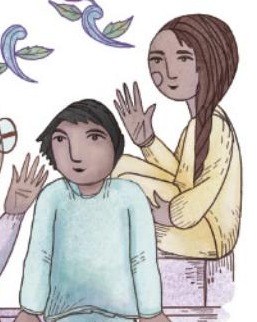
Producto: Signed classroom reflections on learning and collaboration
Instrumento de evaluación de contenidos, PDA y producto del proyecto:
| Criterios de evaluación | Logrado | En proceso | Falta por consolidar |
|---|---|---|---|
| The student writes their name legibly and uses it to identify authorship of a project reflection | |||
| The student records or dictates a relevant idea about learning, dialogue, agreement, collaboration, or mutual support | |||
| The student communicates an idea about family celebrations clearly enough for classmates to understand | |||
| The student listens to classmates and responds respectfully during the classroom sharing and notebook exchange |
Antes de descargar
Datos, propósito y contenidos
- To strengthen students’ oral, written, and creative expression by reflecting on the learning and collective agreements describe?
- Writing names in the mother tongue.
Actividades, producto y evaluación
- Notebook, Textbook, page 24, Pencils, Notebooks, Textbook, page 24, Pencils, Signed notebooks, Textbook, page 24, Pencils
- Signed classroom reflections on learning and collaboration
Tu material está listo para descargar
Elige Word, PDF o anexos desde un solo lugar.
Mira lo que los maestros ya crearon con Pirámide de la Lectura
Preguntas frecuentes sobre esta planeación
¿Para qué grado y semanas está diseñada esta planeación?
Está diseñada para primer grado, la semana 13 de diciembre de 2026, dentro del ciclo escolar 2026–2027.
¿Qué metodología utiliza la planeación?
La secuencia utiliza community project-based learning y organiza actividades situadas con evidencias y un producto final.
¿La planeación incluye contenidos y PDA de la NEM?
Sí. Incluye el campo formativo, el contenido, el proceso de desarrollo de aprendizaje, actividades y evaluación formativa alineados con la NEM.
¿Puedo editar y adaptar el archivo?
Sí. La versión Word es editable para ajustar actividades, materiales, apoyos, tiempos y evidencias. El PDF está listo para imprimir.
