
Planeación didáctica por proyectos de cuarto grado — Semana 12 de noviembre 2026: México lindo, ¡qué ritmo!
 ChannelKids
Mira lo que los maestros ya crearon con Hoja de Trabajo Infantil
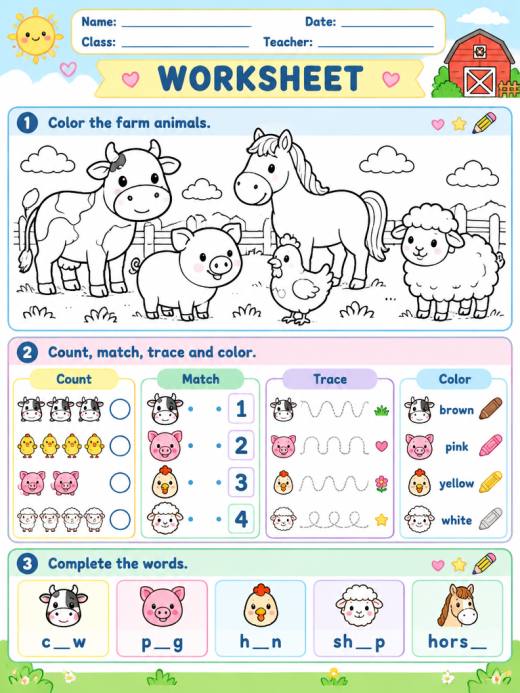
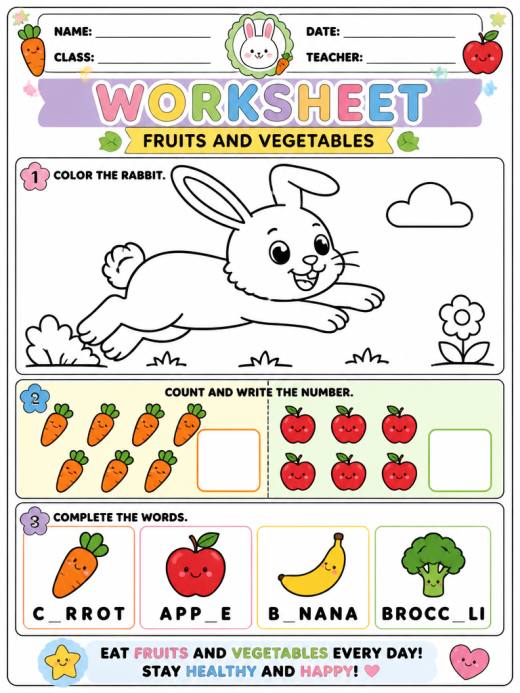
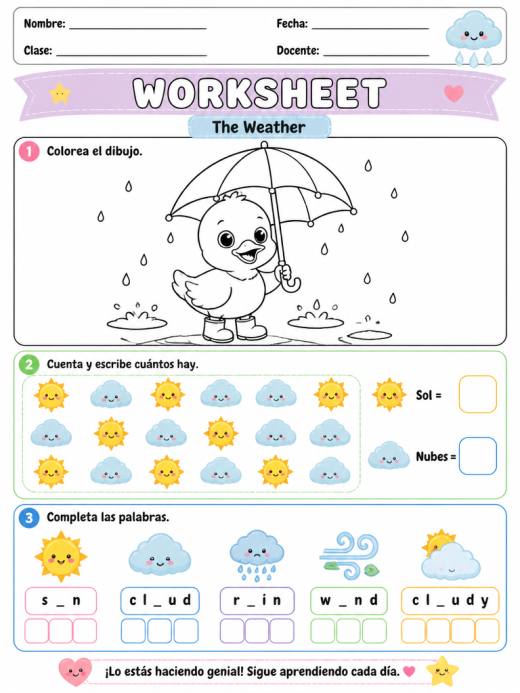
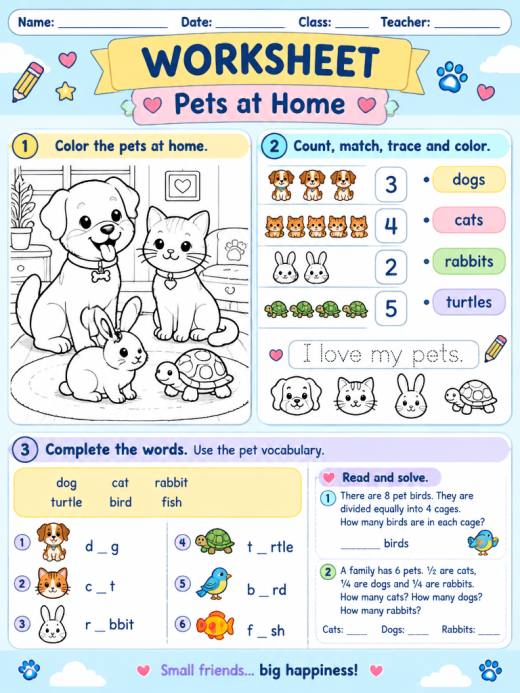

Tu planeación, en un vistazo
Una ruta clara para llevar el proyecto «México lindo, ¡qué ritmo!» al aula y adaptarlo a las necesidades de tu grupo.
Ver contexto pedagógico, adaptaciones y materiales
Esta planeación didáctica por proyectos está pensada para cuarto grado, Fase 4, durante la semana 12 de noviembre del ciclo escolar 2026–2027. El proyecto «México lindo, ¡qué ritmo!» tiene como propósito develop students’ oral, written, and creative expression through the exploration of poems, songs, rhythm, rhyme, and figurative language. Support them in creating and sharing a classroom collection of poems and songs, following the learning sequence in the official textbook. La secuencia parte del contexto del grupo para convertir sus experiencias, preguntas y saberes previos en oportunidades de aprendizaje significativo.
La propuesta se desarrolla mediante project-based learning through collaborative reading, inquiry, composition, revision, and classroom sharing. y articula principalmente el campo formativo Lenguajes. El contenido central aborda narration of past and present events. Los PDA describen estos aprendizajes: students recognize diverse narrative styles and resources by distinguishing the characteristics of poems, songs, and wordplay and by considering how these texts relate to life experiences and express feelings. Students use narrative strategies and poetic resources by interpreting rhythm, rhyme, musicality, punctuation, and figurative comparisons, then applying selected resources when composing and revising a poem for the classroom collection. Las actividades se distribuyen por día con momentos de inicio, desarrollo y cierre, de modo que el docente pueda observar avances, recuperar producciones y ajustar la intervención sin perder el sentido del proyecto.
El producto final será classroom magic notebook of poems and songs, with an original illustrated poem developed collaboratively and shared through a classroom presentation. La evaluación es formativa y considera participación, procesos, producciones y reflexión del alumnado. Se sugieren recursos como cuaderno, Libro de texto, pages 98–99, Colored pencils, Cuaderno, Libro de texto, pages 100–101, Our Knowledge book, Chart paper, Markers, Cuaderno, Libro de texto, pages 101–103, Pencils, Colored pencils, Reference book or dictionary, Cuaderno, Libro de texto, pages 103–105, Pencils, Cuaderno, Libro de texto, pages 106–110, Drawing paper, Colored pencils or markers, Classroom collection materials, Available musical instruments. Para atender distintos ritmos de aprendizaje, ofrece apoyos visuales, consignas breves, opciones de respuesta oral o gráfica y acompañamiento entre pares. El documento puede descargarse en Word editable o en PDF listo para imprimir. Ambas versiones permiten adecuar tiempos, materiales, lenguaje, apoyos y evidencias a las necesidades reales de cada escuela.
Ficha curricular de la planeación
Consulta primero los elementos de la NEM. Después encontrarás la secuencia completa organizada por día.
Datos generales y propósito del proyecto
Ciclo escolar 2026–2027 · Fase 4. Campo formativo: Lenguajes.
Propósito: Develop students’ oral, written, and creative expression through the exploration of poems, songs, rhythm, rhyme, and figurative language. Support them in creating and sharing a classroom collection of poems and songs, following the learning sequence in the official textbook.
Metodología: Project-based learning through collaborative reading, inquiry, composition, revision, and classroom sharing.
Contenido
Narration of past and present events.
Proceso de Desarrollo de Aprendizaje (PDA)
Students recognize diverse narrative styles and resources by distinguishing the characteristics of poems, songs, and wordplay and by considering how these texts relate to life experiences and express feelings. Students use narrative strategies and poetic resources by interpreting rhythm, rhyme, musicality, punctuation, and figurative comparisons, then applying selected resources when composing and revising a poem for the classroom collection.
Ejes articuladores oficiales
Apropiación de las culturas a través de la lectura y la escritura, Inclusión
Producto final
Classroom magic notebook of poems and songs, with an original illustrated poem developed collaboratively and shared through a classroom presentation.
Evaluacion formativa
Ver criterios y evidencias
Identifies characteristics of poems and songs and supports explanations with details from the textbook readings. Recognizes rhyme, rhythm, musicality, punctuation, and figurative comparisons in the texts studied. Expresses an interpretation of a poem by connecting textual details with feelings, images, or life experiences. Composes and revises a poem using relevant poetic resources and contributes constructively to the shared classroom collection. Reads or presents the work clearly and reflects on learning through the textbook self-assessment.
Materiales
Ver lista completa
Cuaderno, Libro de texto, pages 98–99, Colored pencils, Cuaderno, Libro de texto, pages 100–101, Our Knowledge book, Chart paper, Markers, Cuaderno, Libro de texto, pages 101–103, Pencils, Colored pencils, Reference book or dictionary, Cuaderno, Libro de texto, pages 103–105, Pencils, Cuaderno, Libro de texto, pages 106–110, Drawing paper, Colored pencils or markers, Classroom collection materials, Available musical instruments
Adaptaciones para el grupo
Para atender distintos ritmos de aprendizaje, ofrece apoyos visuales, consignas breves, opciones de respuesta oral o gráfica y acompañamiento entre pares.
Desarrollo completo de la planeación
Aquí comienza la organización diaria con inicio, desarrollo, cierre, recursos y evidencias. El contenido y el PDA ya están separados en la ficha anterior.
México lindo, ¡qué ritmo!
Semana: Semana 12 — Noviembre
Lenguajes
Metodología: Project-based learning through collaborative reading, inquiry, composition, revision, and classroom sharing.
Propósito: Develop students’ oral, written, and creative expression through the exploration of poems, songs, rhythm, rhyme, and figurative language. Support them in creating and sharing a classroom collection of poems and songs, following the learning sequence in the official textbook.
Ejes articuladores
- Inclusión
- Pensamiento crítico
- Apropiación de las culturas a través de la lectura y la escritura
| Campo formativo | Contenido | PDA |
|---|---|---|
| Lenguajes | Narration of past and present events. | Students recognize diverse narrative styles and resources by distinguishing the characteristics of poems, songs, and wordplay and by considering how these texts relate to life experiences and express feelings. Students use narrative strategies and poetic resources by interpreting rhythm, rhyme, musicality, punctuation, and figurative comparisons, then applying selected resources when composing and revising a poem for the classroom collection. |
| Día | Secuencia de actividades | Recursos |
|---|---|---|
| Monday | Connect the project to students’ experiences by inviting them to recall a poem, song, or wordplay they know and to explain what makes it memorable. Read aloud the texts presented in the textbook and have students identify which selection is a riddle and which are songs, then record three characteristics of a poet and a song and name a text they already know (pp. 98–99). Continue with the classroom scenario about the fourth-grade group preparing a cultural event, using its questions to frame the week’s inquiry: how do poetic texts communicate meaning, rhythm, and feeling? Guide students to begin the “magic notebook” project by discussing the required materials and possible contributions. Close by listening for clear oral explanations and noting which students distinguish the text types and support their ideas with evidence from the readings. | Cuaderno, Libro de texto, pages 98–99, Colored pencils |
| Tuesday | Invite students to take the role of text investigators as they organize the work for their classroom poetry-and-song notebook. In small groups, use the planning prompts in the textbook to agree on participation, activities, timing, materials, and needed support, recording the agreements in their notebooks (p. 100). Then direct students to consult the designated “Our Knowledge” book for information about poems and songs and complete the comparison chart on their characteristics and relationship to life experience. Extend the inquiry with the textbook’s questions about rhyme, emotions, intended audiences, and who speaks in a poem; students record answers, compare findings, and contribute a concise shared explanation to a visible classroom chart (pp. 100–101). Conclude by checking whether the notes are understandable and whether students can explain how their research will help them create the project’s final collection. | Cuaderno, Libro de texto, pages 100–101, Our Knowledge book, Chart paper, Markers |
| Wednesday | Set up a close-reading workshop by asking students to listen for the sounds at the ends of lines in the song excerpts and the poems presented in the textbook. Have them underline words whose final syllables rhyme, record the pairs, and complete the word-rhyme exercise using the provided vocabulary, first individually and then by comparing ideas with classmates (pp. 101–102). Next, read the poem “We Came to Dream” together; students identify the feelings it conveys, clarify unfamiliar words using an available reference, and draw what they imagined while listening (pp. 102–103). Invite volunteers to explain which words or images shaped their interpretation, while classmates respond respectfully. Assess students’ ability to connect textual evidence with emotion, recognize rhyme, and communicate an interpretation orally or through their drawing. | Cuaderno, Libro de texto, pages 101–103, Pencils, Colored pencils, Reference book or dictionary |
| Thursday | Transform the classroom into a poetry reading circle by having small groups read “Do Not Forget Me” aloud and experiment with expressive intonation. Pause to discuss how punctuation supports meaning and phrasing, then use the textbook’s questions to identify the poem’s experience and protagonists (pp. 103–104). Continue with the “Oh, Love” poem: students count its lines, suggest words that could replace “love,” and compare how each substitution changes the meaning or feeling. Guide the class to notice rhythm, rhyme, unfamiliar vocabulary, and figurative comparisons, then invite each student to describe three objects and three places through comparisons modeled in the book (pp. 104–105). Close with partner feedback focused on whether the comparison is clear and evocative and whether oral reading conveys the intended feeling. | Cuaderno, Libro de texto, pages 103–105, Pencils |
| Friday | Open the final workshop by returning to the students’ drawings and notes, asking them to select an idea or feeling from the poems explored during the week. In small groups, compose original poems using the collected observations and poetic resources; individually, illustrate a poem that expresses a response to the readings, then share the drawings and write a poem inspired by the group’s creations (p. 106). Revisit the textbook’s song-analysis prompts to consider verses, comparisons, message, characters, audience, setting, and how rhythm helps a song stay in memory; students may discuss whether a song could be reshaped as a poem (p. 107). Each student drafts a poem to be developed as a song, joins classmates with a related theme to extend and revise the composition, and contributes it to the classroom “magic notebook”; groups may add music with available instruments and present their work within the classroom (pp. 108–109). Finish with the textbook’s self-assessment, asking students to justify what they can recognize about feelings, rhyme, figurative meaning, and musicality, and record the classroom agreements for completing the collection (p. 110). | Cuaderno, Libro de texto, pages 106–110, Drawing paper, Colored pencils or markers, Classroom collection materials, Available musical instruments |
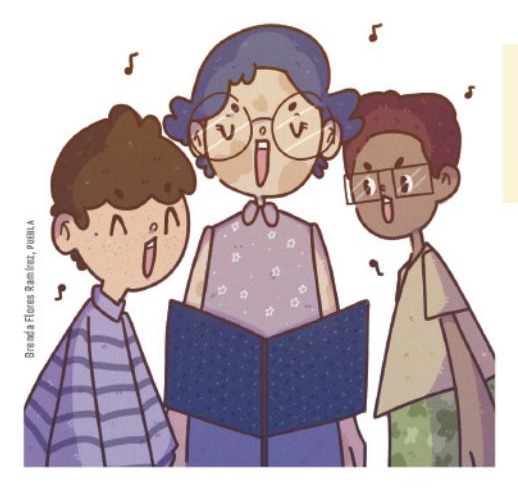
Producto: Classroom magic notebook of poems and songs, with an original illustrated poem developed collaboratively and shared through a classroom presentation.
Instrumento de evaluación de contenidos, PDA y producto del proyecto:
| Criterios de evaluación | Logrado | En proceso | Falta por consolidar |
|---|---|---|---|
| Identifies characteristics of poems and songs and supports explanations with details from the textbook readings | |||
| Recognizes rhyme, rhythm, musicality, punctuation, and figurative comparisons in the texts studied | |||
| Expresses an interpretation of a poem by connecting textual details with feelings, images, or life experiences | |||
| Composes and revises a poem using relevant poetic resources and contributes constructively to the shared classroom collection | |||
| Reads or presents the work clearly and reflects on learning through the textbook self-assessment |
Antes de descargar
Datos, propósito y contenidos
- Lenguajes
- Develop students’ oral, written, and creative expression through the exploration of poems, songs, rhythm, rhyme, and figurative?
Actividades, producto y evaluación
- Cuaderno, Libro de texto, pages 98–99, Colored pencils, Cuaderno, Libro de texto, pages 100–101, Our Knowledge book, Chart pape?
- Classroom magic notebook of poems and songs, with an original illustrated poem developed collaboratively and shared through a c?
Tu material está listo para descargar
Elige Word, PDF o anexos desde un solo lugar.
Mira lo que los maestros ya crearon con Hoja de Trabajo Infantil
Preguntas frecuentes sobre esta planeación
¿Para qué grado y semanas está diseñada esta planeación?
Está diseñada para cuarto grado, la semana 12 de noviembre de 2026, dentro del ciclo escolar 2026–2027.
¿Qué metodología utiliza la planeación?
La secuencia utiliza project-based learning through collaborative reading, inquiry, composition, revision, and classroom sharing. y organiza actividades situadas con evidencias y un producto final.
¿La planeación incluye contenidos y PDA de la NEM?
Sí. Incluye el campo formativo, el contenido, el proceso de desarrollo de aprendizaje, actividades y evaluación formativa alineados con la NEM.
¿Puedo editar y adaptar el archivo?
Sí. La versión Word es editable para ajustar actividades, materiales, apoyos, tiempos y evidencias. El PDF está listo para imprimir.
