
Planeación didáctica por proyectos de cuarto grado — Semana 10 de noviembre 2026: Mi cuerpo está cambiando
 ChannelKids
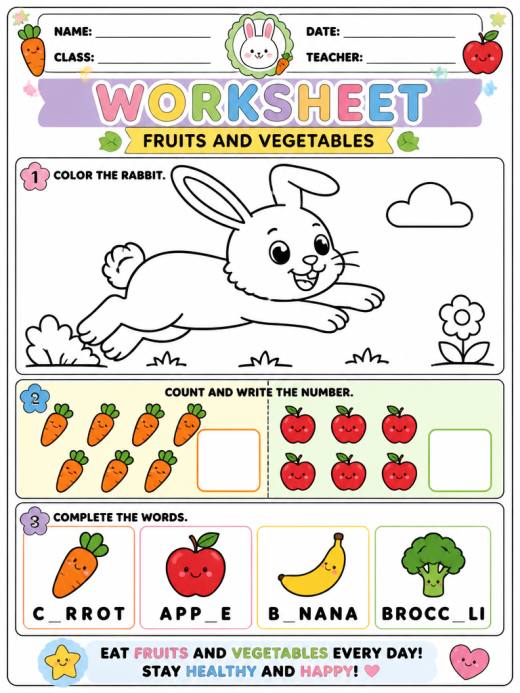
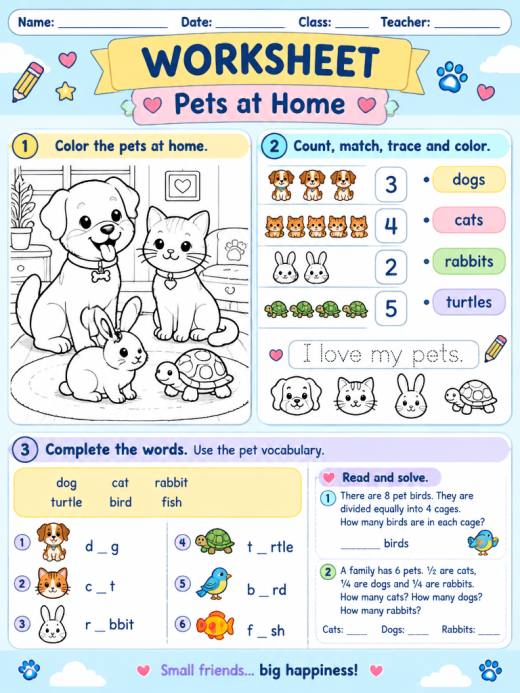
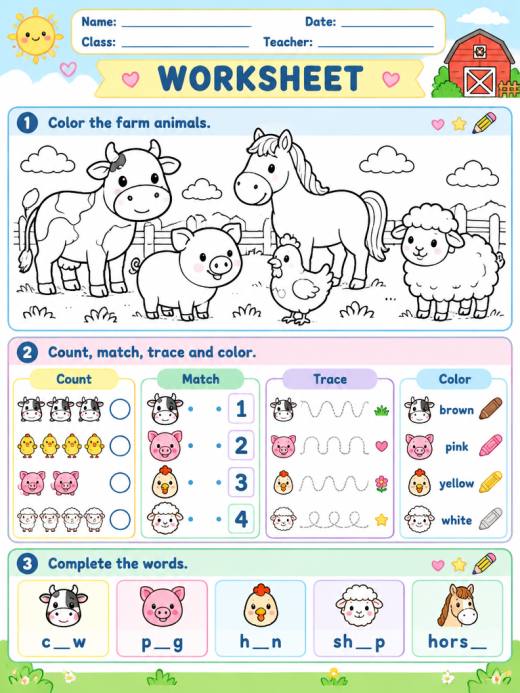
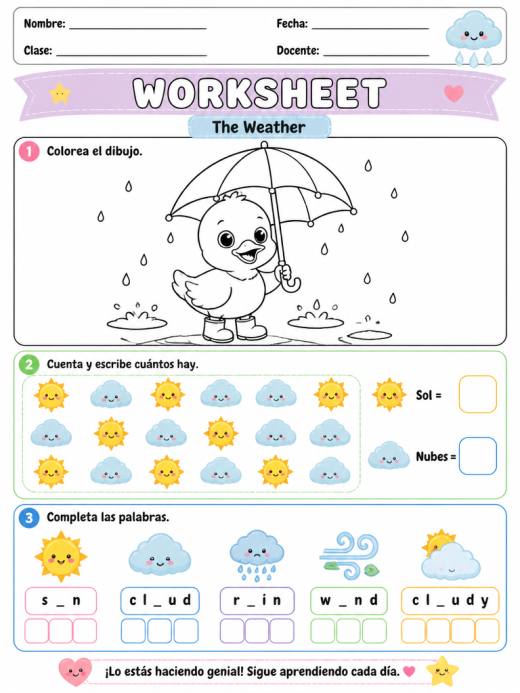
Mira lo que los maestros ya crearon con Hoja de Trabajo Infantil

Tu planeación, en un vistazo
Una ruta clara para llevar el proyecto «Mi cuerpo está cambiando» al aula y adaptarlo a las necesidades de tu grupo.
Ver contexto pedagógico, adaptaciones y materiales
Esta planeación didáctica por proyectos está pensada para cuarto grado, Fase 4, durante la semana 10 de noviembre del ciclo escolar 2026–2027. El proyecto «Mi cuerpo está cambiando» tiene como propósito students will communicate orally, in writing, and creatively as they explore the project “My Body Is Changing.” They will narrate relevant past and present experiences while developing respectful language for discussing health and bodily changes. La secuencia parte del contexto del grupo para convertir sus experiencias, preguntas y saberes previos en oportunidades de aprendizaje significativo.
La propuesta se desarrolla mediante text-centered project-based learning with collaborative discussion, oral narration, and creative writing. y articula principalmente el campo formativo los campos formativos de la Nueva Escuela Mexicana. El contenido central aborda narration of past and present events. Los PDA describen estos aprendizajes: students recognize and use varied narrative styles, resources, and strategies to communicate past and present experiences related to the project “My Body Is Changing.”. Students organize and share ideas orally and in writing with clarity, respectful language, and attention to their audience. Las actividades se distribuyen por día con momentos de inicio, desarrollo y cierre, de modo que el docente pueda observar avances, recuperar producciones y ajustar la intervención sin perder el sentido del proyecto.
El producto final será classroom health-advice poster and written group agreements. La evaluación es formativa y considera participación, procesos, producciones y reflexión del alumnado. Se sugieren recursos como notebook, Official textbook, Projects in the Classroom, page 142, Official textbook, Projects in the Classroom, page 142, Bond paper or poster board, Colored pencils or markers, Notebook, Official textbook, Projects in the Classroom, page 142, Bond paper or poster board, Colored pencils or markers, Adhesive tape, Notebook, Official textbook, Projects in the Classroom, page 142, Notebook, Completed classroom poster. Para atender distintos ritmos de aprendizaje, ofrece apoyos visuales, consignas breves, opciones de respuesta oral o gráfica y acompañamiento entre pares. El documento puede descargarse en Word editable o en PDF listo para imprimir. Ambas versiones permiten adecuar tiempos, materiales, lenguaje, apoyos y evidencias a las necesidades reales de cada escuela.
Ficha curricular de la planeación
Consulta primero los elementos de la NEM. Después encontrarás la secuencia completa organizada por día.
Datos generales y propósito del proyecto
Ciclo escolar 2026–2027 · Fase 4.
Propósito: Students will communicate orally, in writing, and creatively as they explore the project “My Body Is Changing.” They will narrate relevant past and present experiences while developing respectful language for discussing health and bodily changes.
Metodología: Text-centered project-based learning with collaborative discussion, oral narration, and creative writing.
Contenido
Narration of past and present events.
Proceso de Desarrollo de Aprendizaje (PDA)
Students recognize and use varied narrative styles, resources, and strategies to communicate past and present experiences related to the project “My Body Is Changing.”. Students organize and share ideas orally and in writing with clarity, respectful language, and attention to their audience.
Ejes articuladores oficiales
Inclusión, Pensamiento crítico
Producto final
Classroom health-advice poster and written group agreements
Evaluacion formativa
Ver criterios y evidencias
Students narrate the sequence of the selected book activity using clear time-order language and distinguish readable source information from unclear text. Students contribute relevant, understandable written tips for preventing digestive-system illnesses without presenting unsupported claims as facts. Students communicate their ideas orally with audible diction, coherent sequencing, and respectful language. Students revise written and visual work in response to peer feedback, attending to spelling, legibility, and clarity. Students record group agreements that accurately reflect the classroom discussion and show consideration for differing experiences.
Materiales
Ver lista completa
Notebook, Official textbook, Projects in the Classroom, page 142, Official textbook, Projects in the Classroom, page 142, Bond paper or poster board, Colored pencils or markers, Notebook, Official textbook, Projects in the Classroom, page 142, Bond paper or poster board, Colored pencils or markers, Adhesive tape, Notebook, Official textbook, Projects in the Classroom, page 142, Notebook, Completed classroom poster
Adaptaciones para el grupo
Para atender distintos ritmos de aprendizaje, ofrece apoyos visuales, consignas breves, opciones de respuesta oral o gráfica y acompañamiento entre pares.
Desarrollo completo de la planeación
Aquí comienza la organización diaria con inicio, desarrollo, cierre, recursos y evidencias. El contenido y el PDA ya están separados en la ficha anterior.
Mi cuerpo está cambiando
Semana: Semana 10 — Noviembre
Languages
Metodología: Text-centered project-based learning with collaborative discussion, oral narration, and creative writing.
Propósito: Students will communicate orally, in writing, and creatively as they explore the project “My Body Is Changing.” They will narrate relevant past and present experiences while developing respectful language for discussing health and bodily changes.
Ejes articuladores
- Inclusión
- Pensamiento crítico
| Campo formativo | Contenido | PDA |
|---|---|---|
| Languages | Narration of past and present events. | Students recognize and use varied narrative styles, resources, and strategies to communicate past and present experiences related to the project “My Body Is Changing.”. Students organize and share ideas orally and in writing with clarity, respectful language, and attention to their audience. |
| Día | Secuencia de actividades | Recursos |
|---|---|---|
| Monday | Invite students to connect the project “My Body Is Changing” with what they already know about caring for the digestive system, emphasizing that clear, respectful communication helps classmates understand health information. Explain that the available book excerpt begins with the preparation of a medicinal herbarium and then turns to advice for preventing digestive-system illnesses; it does not include the project’s opening pages or the requested body-change activities. Read the instructions for the herbarium aloud as a model of how written directions organize information, and ask students to identify what the directions tell a reader to do. Have them record a brief oral or written account of one health-care idea they already know, then assess whether they can express it clearly without making assumptions about classmates’ bodies. | Notebook, Official textbook, Projects in the Classroom, page 142 |
| Tuesday | Use the herbarium directions on page 142 to focus attention on how factual details support an explanation. Guide students to examine the instruction to divide a sheet into sections, add each medicinal plant’s taxonomic information and medicinal properties, and attach the plants; clarify that the source excerpt is partly corrupted and does not reliably identify the plants or all taxonomic labels. In pairs, students will orally retell the sequence using time-order words, then write a short account distinguishing the directions they can read from details that remain unclear. Invite partners to give feedback on sequence, precise wording, and respectful discussion of health, and note whether students adapt their narration for a listener rather than inventing missing book content. | Notebook, Official textbook, Projects in the Classroom, page 142 |
| Wednesday | Present the book’s final reflection as a model for turning health information into concise advice. Read the instruction on page 142 to create a poster with ten tips for preventing digestive-system illnesses, noting that the printed direction says the poster is to be placed outside the classroom for the school community; because this plan is limited to the classroom, keep the draft and its sharing within the group. In small teams, students will compose ten clear, evidence-conscious tips based on what they can responsibly state, without adding unsupported claims about bodily changes. Ask each team to read its wording aloud and revise for clarity, spelling, and an appropriate advisory tone; use the quality of the oral explanation and the written tips as formative evidence. | Official textbook, Projects in the Classroom, page 142, Bond paper or poster board, Colored pencils or markers, Notebook |
| Thursday | Shift from composing advice to rehearsing how it will be understood by an audience of classmates. Have teams arrange their ten digestive-health tips on poster board, following the book’s poster task on page 142, and prepare a brief oral narration explaining how they selected and organized the advice. Keep the presentation and display inside the classroom, rather than carrying out the book’s direction to post it outside the classroom. Invite listeners to identify one clearly expressed tip and one place where wording could be more precise, then give teams time to revise their poster and narration. Observe voice projection, diction, sequencing, legibility, and the ability to respond respectfully to feedback. | Official textbook, Projects in the Classroom, page 142, Bond paper or poster board, Colored pencils or markers, Adhesive tape, Notebook |
| Friday | Conclude the week by returning to the book’s reflection prompt on page 142, which asks students to write in their notebooks the agreements reached as a group for learning about the digestive system and caring for it. Facilitate a classroom discussion in which students explain which communication choices helped the group understand the poster advice and how respectful language supports conversations about health and bodily changes. Each student will write the group agreements as a short, coherent account and share one sentence aloud; classmates will listen for clear wording and a logical sequence. Review the posters and written agreements for completeness, readable presentation, accurate retelling of the work completed, and consideration for different experiences, while making clear that the supplied excerpt does not provide pages 143–155 or further activities for this project. | Official textbook, Projects in the Classroom, page 142, Notebook, Completed classroom poster |
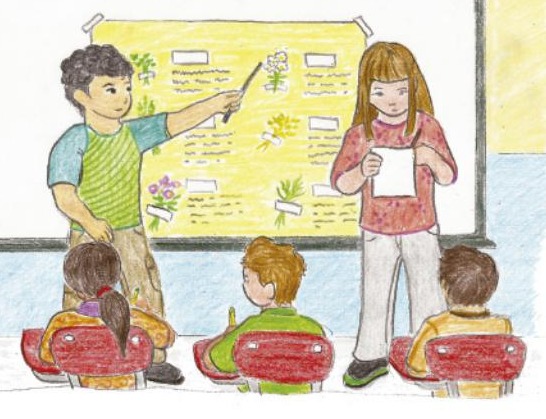
Producto: Classroom health-advice poster and written group agreements
Instrumento de evaluación de contenidos, PDA y producto del proyecto:
| Criterios de evaluación | Logrado | En proceso | Falta por consolidar |
|---|---|---|---|
| Students narrate the sequence of the selected book activity using clear time-order language and distinguish readable source information from unclear text | |||
| Students contribute relevant, understandable written tips for preventing digestive-system illnesses without presenting unsupported claims as facts | |||
| Students communicate their ideas orally with audible diction, coherent sequencing, and respectful language | |||
| Students revise written and visual work in response to peer feedback, attending to spelling, legibility, and clarity | |||
| Students record group agreements that accurately reflect the classroom discussion and show consideration for differing experiences |
Antes de descargar
Datos, propósito y contenidos
- Students will communicate orally, in writing, and creatively as they explore the project “My Body Is Changing.” They will narra?
- Narration of past and present events.
Actividades, producto y evaluación
- Notebook, Official textbook, Projects in the Classroom, page 142, Official textbook, Projects in the Classroom, page 142, Bond ?
- Classroom health-advice poster and written group agreements
Tu material está listo para descargar
Elige Word, PDF o anexos desde un solo lugar.
Mira lo que los maestros ya crearon con Hoja de Trabajo Infantil
Preguntas frecuentes sobre esta planeación
¿Para qué grado y semanas está diseñada esta planeación?
Está diseñada para cuarto grado, la semana 10 de noviembre de 2026, dentro del ciclo escolar 2026–2027.
¿Qué metodología utiliza la planeación?
La secuencia utiliza text-centered project-based learning with collaborative discussion, oral narration, and creative writing. y organiza actividades situadas con evidencias y un producto final.
¿La planeación incluye contenidos y PDA de la NEM?
Sí. Incluye el campo formativo, el contenido, el proceso de desarrollo de aprendizaje, actividades y evaluación formativa alineados con la NEM.
¿Puedo editar y adaptar el archivo?
Sí. La versión Word es editable para ajustar actividades, materiales, apoyos, tiempos y evidencias. El PDF está listo para imprimir.
