
Planeación didáctica por proyectos de sexto grado — Semana 10 de noviembre 2026: Disfrutemos textos del lugar donde vivimos
 ChannelKids
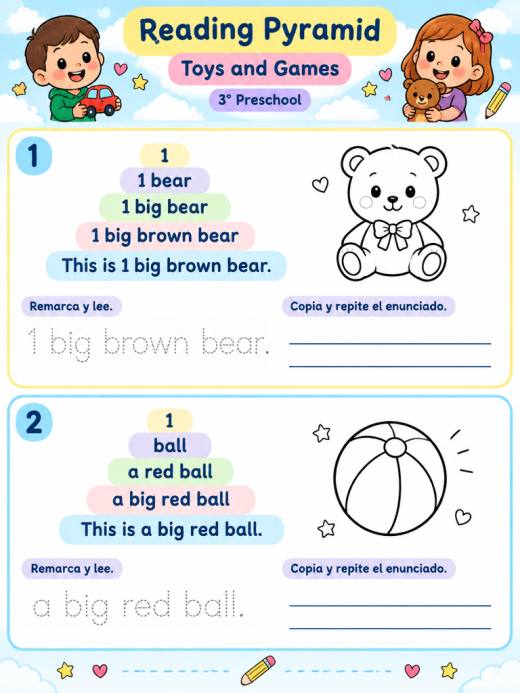
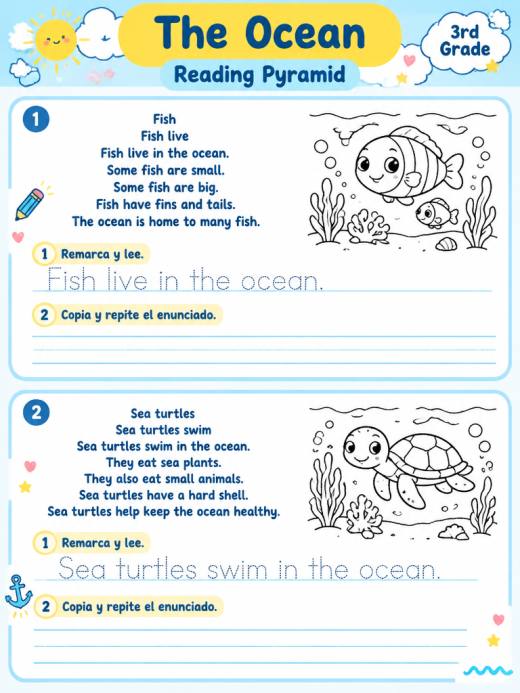
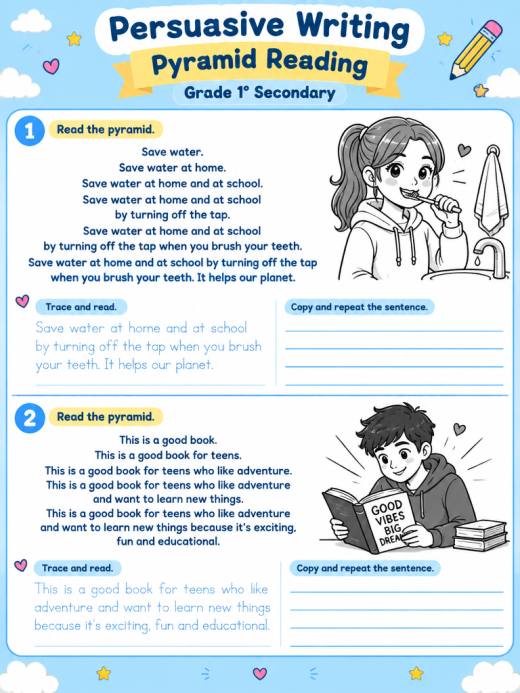
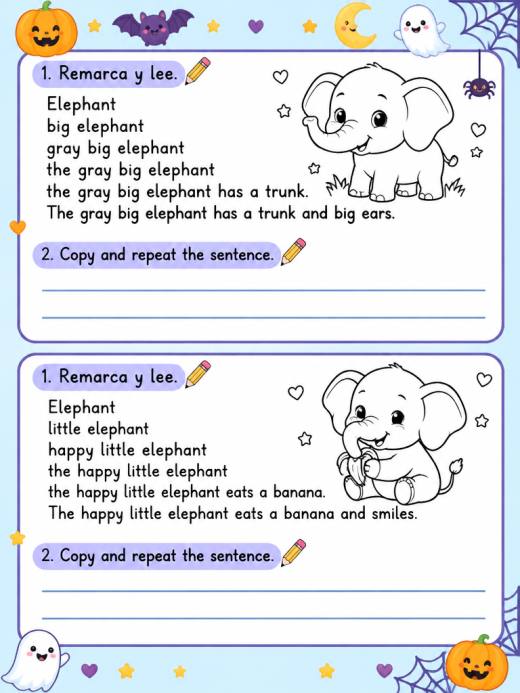
Mira lo que los maestros ya crearon con Pirámide de la Lectura

Tu planeación, en un vistazo
Una ruta clara para llevar el proyecto «Disfrutemos textos del lugar donde vivimos» al aula y adaptarlo a las necesidades de tu grupo.
Ver contexto pedagógico, adaptaciones y materiales
Esta planeación didáctica por proyectos está pensada para sexto grado, Fase 5, durante la semana 10 de noviembre del ciclo escolar 2026–2027. El proyecto «Disfrutemos textos del lugar donde vivimos» tiene como propósito students will select, interpret, write, and illustrate literary fragments connected to the place where they live. They will strengthen oral expression and their ability to identify temporal sequence, simultaneity, and duration while creating and sharing a classroom anthology. La secuencia parte del contexto del grupo para convertir sus experiencias, preguntas y saberes previos en oportunidades de aprendizaje significativo.
La propuesta se desarrolla mediante community project-based learning y articula principalmente el campo formativo los campos formativos de la Nueva Escuela Mexicana. El contenido central aborda narration of past and present events. Los PDA describen estos aprendizajes: students read autobiographical texts and identify temporal relationships of sequence, simultaneity, and duration. Students identify and describe temporal relationships in selected literary texts about their region, using the events and settings recorded in their reading analyses. Students communicate interpretations of representative literary fragments orally and in writing, and revise their contributions for inclusion in a classroom anthology. Las actividades se distribuyen por día con momentos de inicio, desarrollo y cierre, de modo que el docente pueda observar avances, recuperar producciones y ajustar la intervención sin perder el sentido del proyecto.
El producto final será classroom anthology of illustrated regional literary fragments. La evaluación es formativa y considera participación, procesos, producciones y reflexión del alumnado. Se sugieren recursos como student notebooks, Drawing paper, Pencils, Colored pencils, Official textbook, p. 78, Official textbook, p. 79, Student notebooks, Official textbook, p. 80, Official textbook, p. 81, Official textbook, p. 82, Classroom library books, School library books, Internet-enabled classroom device, if available, Student notebooks, Selected regional literary texts, Official textbook, p. 83, Official textbook, p. 84, Pencils, Student notebooks, Letter-size paper or other suitable classroom materials, Pencils, Colored pencils, Markers, Scissors, White glue, Official textbook, p. 84, Official textbook, p. 85, Revised literary fragments, Cardstock or letter-size paper, Drawing and coloring materials, Scissors, White glue, Student notebooks, Official textbook, p. 85, Official textbook, p. 86, Official textbook, p. 87. Para atender distintos ritmos de aprendizaje, ofrece apoyos visuales, consignas breves, opciones de respuesta oral o gráfica y acompañamiento entre pares. El documento puede descargarse en Word editable o en PDF listo para imprimir. Ambas versiones permiten adecuar tiempos, materiales, lenguaje, apoyos y evidencias a las necesidades reales de cada escuela.
Ficha curricular de la planeación
Consulta primero los elementos de la NEM. Después encontrarás la secuencia completa organizada por día.
Datos generales y propósito del proyecto
Ciclo escolar 2026–2027 · Fase 5.
Propósito: Students will select, interpret, write, and illustrate literary fragments connected to the place where they live. They will strengthen oral expression and their ability to identify temporal sequence, simultaneity, and duration while creating and sharing a classroom anthology.
Metodología: Community Project-Based Learning
Contenido
Narration of past and present events.
Proceso de Desarrollo de Aprendizaje (PDA)
Students read autobiographical texts and identify temporal relationships of sequence, simultaneity, and duration. Students identify and describe temporal relationships in selected literary texts about their region, using the events and settings recorded in their reading analyses. Students communicate interpretations of representative literary fragments orally and in writing, and revise their contributions for inclusion in a classroom anthology.
Ejes articuladores oficiales
Inclusión, Pensamiento crítico
Producto final
Classroom anthology of illustrated regional literary fragments
Evaluacion formativa
Ver criterios y evidencias
The student records the main events, characters, setting, and time represented in a selected literary text. The student identifies temporal sequence, simultaneity, or duration using evidence from the selected text. The student transcribes a representative fragment accurately and presents it with legible writing and a purposeful illustration. The student explains the fragment’s selection and interpretation orally, using clear diction and attentive listening during peer feedback. The student revises the contribution in response to relevant suggestions and collaborates in organizing the classroom anthology.
Materiales
Ver lista completa
Student notebooks, Drawing paper, Pencils, Colored pencils, Official textbook, p. 78, Official textbook, p. 79, Student notebooks, Official textbook, p. 80, Official textbook, p. 81, Official textbook, p. 82, Classroom library books, School library books, Internet-enabled classroom device, if available, Student notebooks, Selected regional literary texts, Official textbook, p. 83, Official textbook, p. 84, Pencils, Student notebooks, Letter-size paper or other suitable classroom materials, Pencils, Colored pencils, Markers, Scissors, White glue, Official textbook, p. 84, Official textbook, p. 85, Revised literary fragments, Cardstock or letter-size paper, Drawing and coloring materials, Scissors, White glue, Student notebooks, Official textbook, p. 85, Official textbook, p. 86, Official textbook, p. 87
Adaptaciones para el grupo
Para atender distintos ritmos de aprendizaje, ofrece apoyos visuales, consignas breves, opciones de respuesta oral o gráfica y acompañamiento entre pares.
Desarrollo completo de la planeación
Aquí comienza la organización diaria con inicio, desarrollo, cierre, recursos y evidencias. El contenido y el PDA ya están separados en la ficha anterior.
Disfrutemos textos del lugar donde vivimos
Semana: Semana 10 — Noviembre
Languages
Metodología: Community Project-Based Learning
Propósito: Students will select, interpret, write, and illustrate literary fragments connected to the place where they live. They will strengthen oral expression and their ability to identify temporal sequence, simultaneity, and duration while creating and sharing a classroom anthology.
Ejes articuladores
- Inclusión
- Pensamiento crítico
| Campo formativo | Contenido | PDA |
|---|---|---|
| Languages | Narration of past and present events. | Students read autobiographical texts and identify temporal relationships of sequence, simultaneity, and duration. Students identify and describe temporal relationships in selected literary texts about their region, using the events and settings recorded in their reading analyses. Students communicate interpretations of representative literary fragments orally and in writing, and revise their contributions for inclusion in a classroom anthology. |
| Día | Secuencia de actividades | Recursos |
|---|---|---|
| Monday | Invite students to recall stories they have heard about local natural phenomena, fantastic beings, deities, animals, or plants, and connect these accounts to the project’s purpose: selecting, writing, and illustrating literary fragments that help readers learn about the place where they live. Read aloud the example about the tlaloques and ask students to sketch how they imagine these beings, then explain which details in the text shaped their interpretation (p. 78). Next, have small groups share accounts they remember and identify who tells such stories at home or in their surroundings, without inviting people from outside the classroom. Record how each account marks events that happened before, happen repeatedly, or occur at the same time; close by listening for clear oral descriptions and respectful attention to differing local perspectives (p. 79). | Student notebooks, Drawing paper, Pencils, Colored pencils, Official textbook, p. 78, Official textbook, p. 79 |
| Tuesday | Use students’ shared accounts to frame the question of how a classroom anthology can preserve stories and literary writing connected to the place where they live. Ask each student to copy the project-planning table into a notebook, then have groups discuss and agree on the actions needed to select, analyze, and prepare texts for the anthology (p. 80). Continue with the book’s explanation of metaphor and discuss how figurative language adds expression and aesthetic meaning; invite students to identify a metaphor in a familiar local story or poem and explain what it suggests (p. 81). Have students examine the literary-text genre diagram, choose three types that interest them, and identify possible regional stories, myths, legends, poems, or tales to seek in classroom-accessible books or approved online sources, noting which choices may reveal past and present events (p. 82). | Student notebooks, Official textbook, p. 80, Official textbook, p. 81, Official textbook, p. 82, Classroom library books, School library books, Internet-enabled classroom device, if available |
| Wednesday | Present the text-analysis table as a tool for understanding how a literary work represents its place, people, events, and time. Have students complete a separate table for each selected text, recording its title, author, type, characters, main events, setting, and the time in which the actions occur; then add a synthesis, the most representative fragment, their interest in the text, a possible change, and an alternative ending (p. 83). Guide students to distinguish events that follow one another from events that happen simultaneously or extend over time, grounding each observation in the text rather than relying on guesswork. In small groups, students read their representative fragments aloud and listen for shared interests and different interpretations; assess the completeness of the analysis and the clarity of oral explanations before they begin drafting anthology contributions (p. 84). | Student notebooks, Selected regional literary texts, Official textbook, p. 83, Official textbook, p. 84, Pencils |
| Thursday | Arrange a classroom workshop in which students turn the fragments selected and analyzed earlier in the week into illustrated anthology pieces. Have each student choose a suitable material and prepare a letter-size surface, transcribe a representative fragment legibly, check spelling and cleanliness, and plan lettering and images that communicate the fragment’s meaning (p. 84). Once drafts are ready, organize a peer-sharing round: each student reads the fragment, explains the illustration and material choices, and listens to classmates’ comments and suggestions; record useful feedback in a notebook table, as directed in the project (p. 85). Students then revise their fragments by integrating appropriate suggestions while preserving the text’s meaning. Observe accuracy of transcription, legibility, purposeful illustration, and the ability to explain how the fragment’s events relate to the place and time represented (p. 85). | Student notebooks, Letter-size paper or other suitable classroom materials, Pencils, Colored pencils, Markers, Scissors, White glue, Official textbook, p. 84, Official textbook, p. 85 |
| Friday | Bring the revised contributions together and guide the class in assembling a shared anthology with a cover, back cover, index, and three blank pages titled “A Small Community Contribution of Words,” following the book’s directions (p. 85). Invite students to decorate the covers, review design and spelling, agree on an order for the texts, and prepare the index; have selected student reviewers explain suggested corrections so authors can confirm and apply appropriate changes (pp. 85–86). For the classroom sharing, students introduce why they chose their fragments, briefly describe the work in which each appears, and read aloud with clear diction; classmates respond with attentive, specific comments. Close by discussing how the selected texts and their sequence of events helped the class learn about its place, and record individual reflections on the anthology-making process (p. 87). | Revised literary fragments, Cardstock or letter-size paper, Drawing and coloring materials, Scissors, White glue, Student notebooks, Official textbook, p. 85, Official textbook, p. 86, Official textbook, p. 87 |
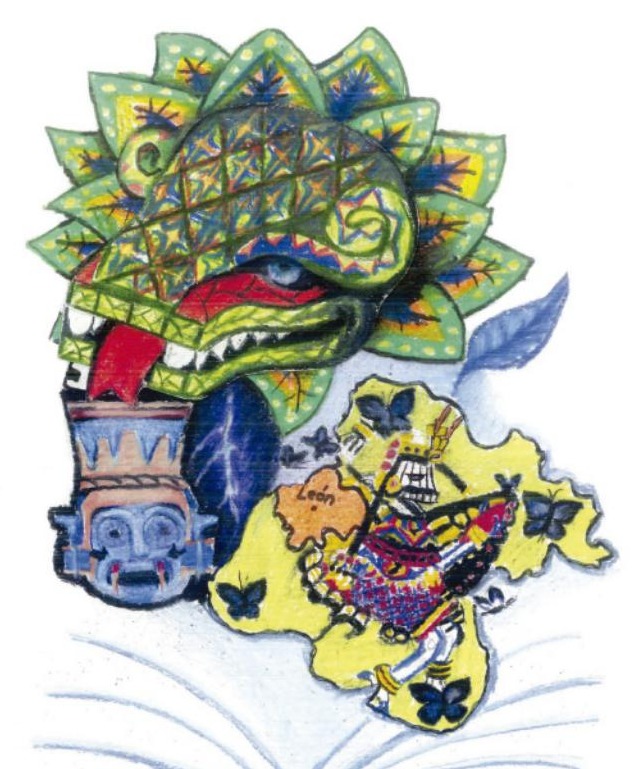
Producto: Classroom anthology of illustrated regional literary fragments
Instrumento de evaluación de contenidos, PDA y producto del proyecto:
| Criterios de evaluación | Logrado | En proceso | Falta por consolidar |
|---|---|---|---|
| The student records the main events, characters, setting, and time represented in a selected literary text | |||
| The student identifies temporal sequence, simultaneity, or duration using evidence from the selected text | |||
| The student transcribes a representative fragment accurately and presents it with legible writing and a purposeful illustration | |||
| The student explains the fragment’s selection and interpretation orally, using clear diction and attentive listening during peer feedback | |||
| The student revises the contribution in response to relevant suggestions and collaborates in organizing the classroom anthology |
Antes de descargar
Datos, propósito y contenidos
- Students will select, interpret, write, and illustrate literary fragments connected to the place where they live. They will str?
- Narration of past and present events.
Actividades, producto y evaluación
- Student notebooks, Drawing paper, Pencils, Colored pencils, Official textbook, p. 78, Official textbook, p. 79, Student noteboo?
- Classroom anthology of illustrated regional literary fragments
Tu material está listo para descargar
Elige Word, PDF o anexos desde un solo lugar.
Mira lo que los maestros ya crearon con Pirámide de la Lectura
Preguntas frecuentes sobre esta planeación
¿Para qué grado y semanas está diseñada esta planeación?
Está diseñada para sexto grado, la semana 10 de noviembre de 2026, dentro del ciclo escolar 2026–2027.
¿Qué metodología utiliza la planeación?
La secuencia utiliza community project-based learning y organiza actividades situadas con evidencias y un producto final.
¿La planeación incluye contenidos y PDA de la NEM?
Sí. Incluye el campo formativo, el contenido, el proceso de desarrollo de aprendizaje, actividades y evaluación formativa alineados con la NEM.
¿Puedo editar y adaptar el archivo?
Sí. La versión Word es editable para ajustar actividades, materiales, apoyos, tiempos y evidencias. El PDF está listo para imprimir.
