
Planeación didáctica por proyectos de sexto grado — Semana 12 de noviembre 2026: Salud sexual y reproductiva
 ChannelKids
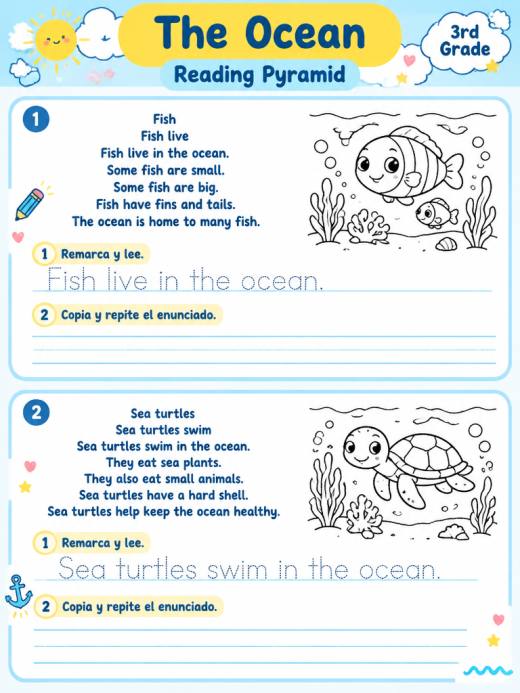
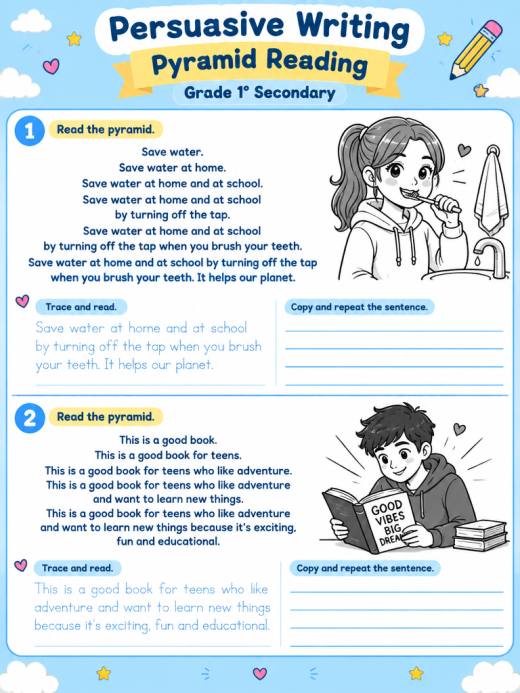
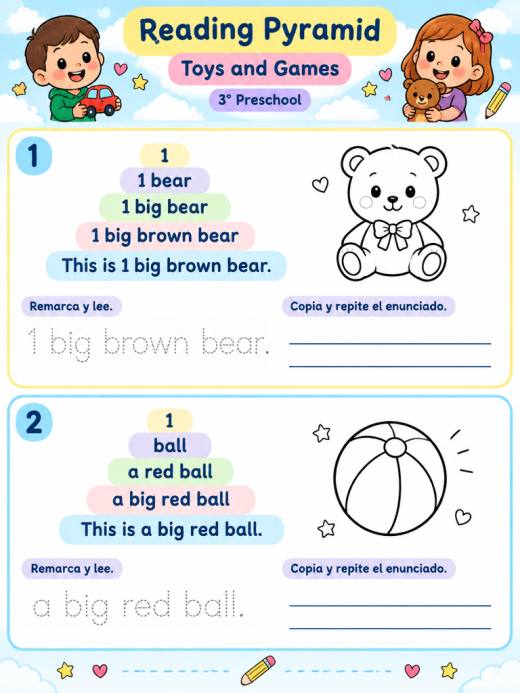
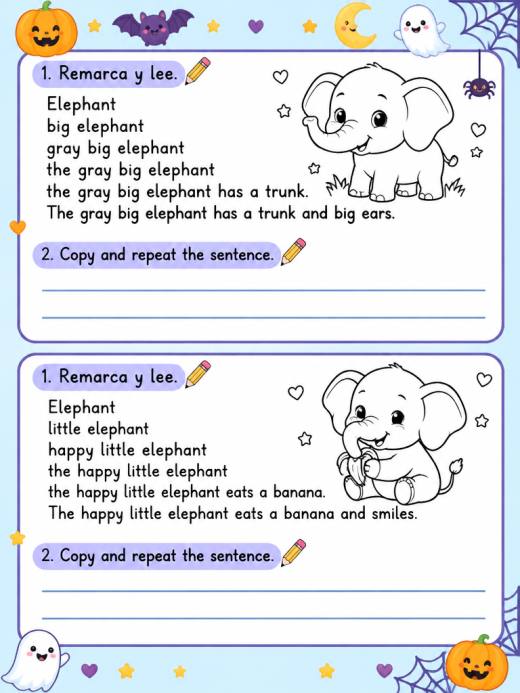
Mira lo que los maestros ya crearon con Pirámide de la Lectura

Tu planeación, en un vistazo
Una ruta clara para llevar el proyecto «Salud sexual y reproductiva» al aula y adaptarlo a las necesidades de tu grupo.
Ver contexto pedagógico, adaptaciones y materiales
Esta planeación didáctica por proyectos está pensada para sexto grado, Fase 5, durante la semana 12 de noviembre del ciclo escolar 2026–2027. El proyecto «Salud sexual y reproductiva» tiene como propósito students will interpret the project’s autobiographical diary entry and use its account of past and present events to identify sequence, simultaneity, and duration. They will communicate their understanding of sexual and reproductive health through clear oral contributions and written reflections grounded in the textbook. La secuencia parte del contexto del grupo para convertir sus experiencias, preguntas y saberes previos en oportunidades de aprendizaje significativo.
La propuesta se desarrolla mediante inquiry-based learning with guided reading, collaborative investigation, and evidence-based communication. y articula principalmente el campo formativo los campos formativos de la Nueva Escuela Mexicana. El contenido central aborda narration of past and present events. Los PDA describen estos aprendizajes: students read the autobiographical diary entry in the project and identify temporal relationships of sequence, simultaneity, and duration in the events it narrates. Students explain orally and in writing how the narrator’s questions about menstruation, genital hygiene, adolescent pregnancy, and sexually transmitted infections connect the past experiences described in the diary with present learning. Las actividades se distribuyen por día con momentos de inicio, desarrollo y cierre, de modo que el docente pueda observar avances, recuperar producciones y ajustar la intervención sin perder el sentido del proyecto.
El producto final será written and oral reflection connecting the diary narrative with project learning. La evaluación es formativa y considera participación, procesos, producciones y reflexión del alumnado. Se sugieren recursos como student notebook, Project textbook, pages 130–131, Pencils, Student notebook, Project textbook, page 132, Pencils, Student notebook, Project textbook, page 130, Pencils, Loose-leaf paper, Student notebook, Project textbook, page 132, Pencils, Loose-leaf paper, Student notebook, Project textbook, pages 141 and 143, Pencils. Para atender distintos ritmos de aprendizaje, ofrece apoyos visuales, consignas breves, opciones de respuesta oral o gráfica y acompañamiento entre pares. El documento puede descargarse en Word editable o en PDF listo para imprimir. Ambas versiones permiten adecuar tiempos, materiales, lenguaje, apoyos y evidencias a las necesidades reales de cada escuela.
Ficha curricular de la planeación
Consulta primero los elementos de la NEM. Después encontrarás la secuencia completa organizada por día.
Datos generales y propósito del proyecto
Ciclo escolar 2026–2027 · Fase 5.
Propósito: Students will interpret the project’s autobiographical diary entry and use its account of past and present events to identify sequence, simultaneity, and duration. They will communicate their understanding of sexual and reproductive health through clear oral contributions and written reflections grounded in the textbook.
Metodología: Inquiry-based learning with guided reading, collaborative investigation, and evidence-based communication.
Contenido
Narration of past and present events.
Proceso de Desarrollo de Aprendizaje (PDA)
Students read the autobiographical diary entry in the project and identify temporal relationships of sequence, simultaneity, and duration in the events it narrates. Students explain orally and in writing how the narrator’s questions about menstruation, genital hygiene, adolescent pregnancy, and sexually transmitted infections connect the past experiences described in the diary with present learning.
Ejes articuladores oficiales
Inclusión, Pensamiento crítico
Producto final
Written and oral reflection connecting the diary narrative with project learning.
Evaluacion formativa
Ver criterios y evidencias
Identifies sequence, simultaneity, and duration in events narrated in the project diary. Supports interpretations with relevant details from the assigned textbook pages. Organizes written explanations coherently and uses temporal expressions appropriately. Communicates ideas orally with clarity and respectful, non-stigmatizing language. Distinguishes reported beliefs in the diary from information presented for inquiry and learning.
Materiales
Ver lista completa
Student notebook, Project textbook, pages 130–131, Pencils, Student notebook, Project textbook, page 132, Pencils, Student notebook, Project textbook, page 130, Pencils, Loose-leaf paper, Student notebook, Project textbook, page 132, Pencils, Loose-leaf paper, Student notebook, Project textbook, pages 141 and 143, Pencils
Adaptaciones para el grupo
Para atender distintos ritmos de aprendizaje, ofrece apoyos visuales, consignas breves, opciones de respuesta oral o gráfica y acompañamiento entre pares.
Desarrollo completo de la planeación
Aquí comienza la organización diaria con inicio, desarrollo, cierre, recursos y evidencias. El contenido y el PDA ya están separados en la ficha anterior.
Salud sexual y reproductiva
Semana: Semana 12 — Noviembre
Languages
Metodología: Inquiry-based learning with guided reading, collaborative investigation, and evidence-based communication.
Propósito: Students will interpret the project’s autobiographical diary entry and use its account of past and present events to identify sequence, simultaneity, and duration. They will communicate their understanding of sexual and reproductive health through clear oral contributions and written reflections grounded in the textbook.
Ejes articuladores
- Inclusión
- Pensamiento crítico
| Campo formativo | Contenido | PDA |
|---|---|---|
| Languages | Narration of past and present events. | Students read the autobiographical diary entry in the project and identify temporal relationships of sequence, simultaneity, and duration in the events it narrates. Students explain orally and in writing how the narrator’s questions about menstruation, genital hygiene, adolescent pregnancy, and sexually transmitted infections connect the past experiences described in the diary with present learning. |
| Día | Secuencia de actividades | Recursos |
|---|---|---|
| Monday | Place students in the situation presented by the project’s diary entry, asking what a young narrator may learn from an older relative’s account of menstruation and adolescent pregnancy. Read the entry on pages 130–131 aloud, then invite students to reread it individually and mark expressions that show when events happened, how one event followed another, and which experiences are described as lasting or recurring. Guide attention to the narrator’s visit to her grandmother, the cousin’s first menstruation, and the grandmother’s recollections, without treating family beliefs as medical facts. Have students record a short sequence of the narrated events and share one observation, assessing whether they support their interpretation with details from the text. | Student notebook, Project textbook, pages 130–131, Pencils |
| Tuesday | Invite students to examine how the diary moves from memories to questions about the present and future. Using the questions and knowledge organizer on page 132, ask partners to distinguish what the narrator already knows, what she has heard as a belief or myth, and what she wants to find out about genital hygiene, sexual relationships, and adolescent pregnancy. Then have each student write a brief response in the voice of a reader addressing the narrator, using temporal expressions such as “when,” “before,” and “after” to make the relationship between past information and present questions clear. Facilitate a respectful oral exchange and give formative feedback on clarity, evidence from the diary, and the distinction between a reported belief and verified information. | Student notebook, Project textbook, page 132, Pencils |
| Wednesday | Build on the project’s inquiry by asking how information gathered from people’s experiences can be organized into a coherent account of change over time. Read the survey prompts and comparison task on page 130, then have student groups review the questions about age at the birth of a first child, physical or health difficulties, and changes in life. Keep the work within the classroom: students use the prompts as a reading and writing text, identify which questions invite information about past events, and draft a model response based only on the project’s stated topics rather than inventing personal data. Each group presents its questions orally, while classmates note whether the wording is understandable, respectful, and logically ordered; assess temporal language and precise phrasing. | Student notebook, Project textbook, page 130, Pencils, Loose-leaf paper |
| Thursday | Turn students’ attention to the project’s health-information cards and the way explanatory writing communicates facts. Read the card model on page 132 and direct students to notice its headings, definitions, and explanatory questions about what an infection is, its signs, transmission, and treatment. In pairs, have students trace how the model moves from naming a condition to explaining it, then write a short, source-based oral presentation outline that preserves this sequence and avoids stigmatizing language. Connect the task to the project’s central questions about prevention and responsible decision-making, and invite pairs to present their outlines to the class. Provide feedback on organization, accurate use of the model’s information, respectful language, and clear speaking. | Student notebook, Project textbook, page 132, Pencils, Loose-leaf paper |
| Friday | Conclude the week by returning to the diary’s questions and asking students how the project’s later reflections help a reader move from uncertainty toward informed decisions. Consult the reflection prompts on page 141 and the final written review on page 143, guiding students to identify how the project connects earlier questions about hygiene, pregnancy, and sexually transmitted infections with information and prevention. Each student writes a concise reflection that refers to one event or question from the diary and explains how later learning changes or clarifies the reader’s understanding; then students share selected reflections in a classroom discussion. Assess the use of temporal relationships, relevant textual evidence, coherent written expression, and respectful oral participation. | Student notebook, Project textbook, pages 141 and 143, Pencils |
Producto: Written and oral reflection connecting the diary narrative with project learning.
Instrumento de evaluación de contenidos, PDA y producto del proyecto:
| Criterios de evaluación | Logrado | En proceso | Falta por consolidar |
|---|---|---|---|
| Identifies sequence, simultaneity, and duration in events narrated in the project diary | |||
| Supports interpretations with relevant details from the assigned textbook pages | |||
| Organizes written explanations coherently and uses temporal expressions appropriately | |||
| Communicates ideas orally with clarity and respectful, non-stigmatizing language | |||
| Distinguishes reported beliefs in the diary from information presented for inquiry and learning |
Antes de descargar
Datos, propósito y contenidos
- Students will interpret the project’s autobiographical diary entry and use its account of past and present events to identify s?
- Narration of past and present events.
Actividades, producto y evaluación
- Student notebook, Project textbook, pages 130–131, Pencils, Student notebook, Project textbook, page 132, Pencils, Student note?
- Written and oral reflection connecting the diary narrative with project learning.
Tu material está listo para descargar
Elige Word, PDF o anexos desde un solo lugar.
Mira lo que los maestros ya crearon con Pirámide de la Lectura
Preguntas frecuentes sobre esta planeación
¿Para qué grado y semanas está diseñada esta planeación?
Está diseñada para sexto grado, la semana 12 de noviembre de 2026, dentro del ciclo escolar 2026–2027.
¿Qué metodología utiliza la planeación?
La secuencia utiliza inquiry-based learning with guided reading, collaborative investigation, and evidence-based communication. y organiza actividades situadas con evidencias y un producto final.
¿La planeación incluye contenidos y PDA de la NEM?
Sí. Incluye el campo formativo, el contenido, el proceso de desarrollo de aprendizaje, actividades y evaluación formativa alineados con la NEM.
¿Puedo editar y adaptar el archivo?
Sí. La versión Word es editable para ajustar actividades, materiales, apoyos, tiempos y evidencias. El PDF está listo para imprimir.
