
Planeación didáctica por proyectos de cuarto grado — Semana 12 de noviembre 2026: Las necesidades básicas de hoy y de ayer
 ChannelKids
Mira lo que los maestros ya crearon con Hoja de Trabajo Infantil

Tu planeación, en un vistazo
Una ruta clara para llevar el proyecto «Las necesidades básicas de hoy y de ayer» al aula y adaptarlo a las necesidades de tu grupo.
Ver contexto pedagógico, adaptaciones y materiales
Esta planeación didáctica por proyectos está pensada para cuarto grado, Fase 4, durante la semana 12 de noviembre del ciclo escolar 2026–2027. El proyecto «Las necesidades básicas de hoy y de ayer» tiene como propósito students will narrate and compare how social groups met basic needs in the past and how people meet them today. They will strengthen oral, written, and creative expression by preparing explanations and presenting historical information through the project exhibition. La secuencia parte del contexto del grupo para convertir sus experiencias, preguntas y saberes previos en oportunidades de aprendizaje significativo.
La propuesta se desarrolla mediante project-based learning through collaborative classroom inquiry and the creation of a museum-style exhibition. y articula principalmente el campo formativo los campos formativos de la Nueva Escuela Mexicana. El contenido central aborda narration of events from the past and present. Los PDA describen estos aprendizajes: students recognize and use varied narrative styles, resources, and strategies to explain how social groups in the Ancient Mexico and Viceroyalty periods organized themselves and met basic needs. Students communicate similarities and differences between past and present through clear oral explanations, written descriptions, and creative representations grounded in the project’s historical research. Las actividades se distribuyen por día con momentos de inicio, desarrollo y cierre, de modo que el docente pueda observar avances, recuperar producciones y ajustar la intervención sin perder el sentido del proyecto.
El producto final será classroom museum-style exhibition with historical narratives and a written reflection comparing basic needs in the past and present. La evaluación es formativa y considera participación, procesos, producciones y reflexión del alumnado. Se sugieren recursos como textbook, p. 210, Textbook, p. 211, Textbook, p. 212, Notebook, Board, Markers, Textbook, p. 212, Textbook, p. 213, Textbook, p. 214, Notebook, School library or classroom reference books, Markers, Textbook, p. 214, Textbook, p. 215, Notebook, Research notes, Board, Markers, Textbook, p. 215, Textbook, p. 217, Textbook, p. 218, Poster board, Colored modeling clay, Reusable paper, Colored paper, Scissors, Markers, White glue, Red ribbon, Notebook, Textbook, p. 219, Textbook, p. 220, Textbook, p. 221, Notebook, Exhibition posters and captions, Modeled objects, Paper representations of clothing and housing, Red ribbon, Rotafolio, Markers. Para atender distintos ritmos de aprendizaje, ofrece apoyos visuales, consignas breves, opciones de respuesta oral o gráfica y acompañamiento entre pares. El documento puede descargarse en Word editable o en PDF listo para imprimir. Ambas versiones permiten adecuar tiempos, materiales, lenguaje, apoyos y evidencias a las necesidades reales de cada escuela.
Ficha curricular de la planeación
Consulta primero los elementos de la NEM. Después encontrarás la secuencia completa organizada por día.
Datos generales y propósito del proyecto
Ciclo escolar 2026–2027 · Fase 4.
Propósito: Students will narrate and compare how social groups met basic needs in the past and how people meet them today. They will strengthen oral, written, and creative expression by preparing explanations and presenting historical information through the project exhibition.
Metodología: Project-based learning through collaborative classroom inquiry and the creation of a museum-style exhibition.
Contenido
Narration of events from the past and present.
Proceso de Desarrollo de Aprendizaje (PDA)
Students recognize and use varied narrative styles, resources, and strategies to explain how social groups in the Ancient Mexico and Viceroyalty periods organized themselves and met basic needs. Students communicate similarities and differences between past and present through clear oral explanations, written descriptions, and creative representations grounded in the project’s historical research.
Ejes articuladores oficiales
Inclusión, Pensamiento crítico
Producto final
Classroom museum-style exhibition with historical narratives and a written reflection comparing basic needs in the past and present.
Evaluacion formativa
Ver criterios y evidencias
Students narrate how a researched social group organized itself and met basic needs, using accurate details from their sources. Students explain at least one relevant similarity and difference between the historical period studied and the present. Students communicate ideas orally with clear organization and refer appropriately to the exhibition’s visual evidence. Students create written captions and explanations that are understandable, relevant to the project, and consistent with their research. Students reflect on the right to a dignified life and formulate a reasoned classroom proposal related to reducing inequality and promoting justice.
Materiales
Ver lista completa
Textbook, p. 210, Textbook, p. 211, Textbook, p. 212, Notebook, Board, Markers, Textbook, p. 212, Textbook, p. 213, Textbook, p. 214, Notebook, School library or classroom reference books, Markers, Textbook, p. 214, Textbook, p. 215, Notebook, Research notes, Board, Markers, Textbook, p. 215, Textbook, p. 217, Textbook, p. 218, Poster board, Colored modeling clay, Reusable paper, Colored paper, Scissors, Markers, White glue, Red ribbon, Notebook, Textbook, p. 219, Textbook, p. 220, Textbook, p. 221, Notebook, Exhibition posters and captions, Modeled objects, Paper representations of clothing and housing, Red ribbon, Rotafolio, Markers
Adaptaciones para el grupo
Para atender distintos ritmos de aprendizaje, ofrece apoyos visuales, consignas breves, opciones de respuesta oral o gráfica y acompañamiento entre pares.
Desarrollo completo de la planeación
Aquí comienza la organización diaria con inicio, desarrollo, cierre, recursos y evidencias. El contenido y el PDA ya están separados en la ficha anterior.
Las necesidades básicas de hoy y de ayer
Semana: Semana 12 — Noviembre
Languages
Metodología: Project-based learning through collaborative classroom inquiry and the creation of a museum-style exhibition.
Propósito: Students will narrate and compare how social groups met basic needs in the past and how people meet them today. They will strengthen oral, written, and creative expression by preparing explanations and presenting historical information through the project exhibition.
Ejes articuladores
- Inclusión
- Pensamiento crítico
| Campo formativo | Contenido | PDA |
|---|---|---|
| Languages | Narration of events from the past and present. | Students recognize and use varied narrative styles, resources, and strategies to explain how social groups in the Ancient Mexico and Viceroyalty periods organized themselves and met basic needs. Students communicate similarities and differences between past and present through clear oral explanations, written descriptions, and creative representations grounded in the project’s historical research. |
| Día | Secuencia de actividades | Recursos |
|---|---|---|
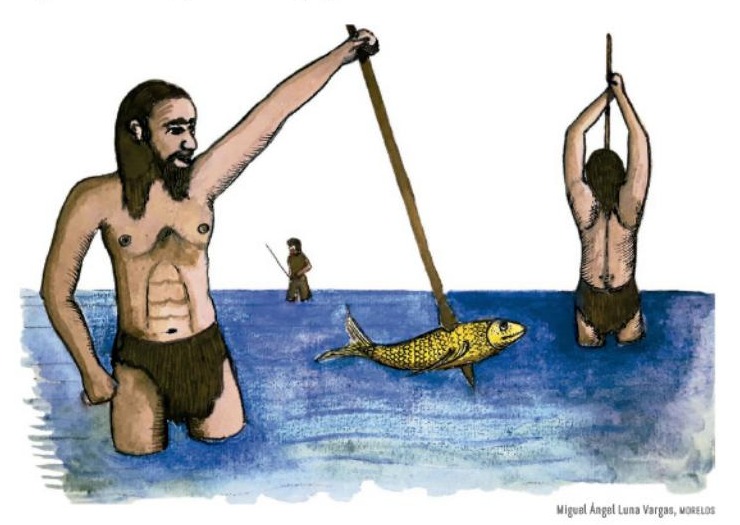
| Monday | Open the project by inviting students to consider whether everyone has always been able to meet the needs required for a dignified life. Read the opening conversation and examine the image in the textbook, then guide partners to answer the questions about which basic needs the people depicted meet and how their circumstances compare with life today (p. 210; image and questions, p. 211). Encourage students to support each comparison with an observable detail and to distinguish what they know from what they still need to investigate. Next, record their ideas about a dignified life, the right to a dignified life, and two types of basic needs in a shared classroom brainstorm (p. 212). Close by having students write a brief account of one past-and-present comparison; assess whether their narration is understandable and grounded in the discussion. | Textbook, p. 210, Textbook, p. 211, Textbook, p. 212, Notebook, Board, Markers |
| Tuesday | Invite students to trace how ways of meeting basic needs changed as human groups organized themselves as gatherers, hunters, and fishers, and later as farmers, herders, and livestock keepers. Read the historical context in the textbook and connect technological and industrial development with changes in social organization (p. 212). Then form research teams, assigning some to Ancient Mexico and others to the Viceroyalty period, and guide them to investigate social organization and how different groups met their needs using the sources named in the book (p. 213). Have each team record its findings in the textbook’s table format, identifying the historical period, social group, and physical, security, social, cognitive, or emotional needs addressed (p. 214). Finish with a partner review focused on accurate information and clear past-tense narration; ask students to note any unfamiliar terms for the next session. | Textbook, p. 212, Textbook, p. 213, Textbook, p. 214, Notebook, School library or classroom reference books, Markers |
| Wednesday | Use the words “tianguis,” “pepenero,” and “apapacho” to prompt students to notice how language can preserve traces of history in everyday life, as introduced in the textbook (p. 214). Ask research teams to share their findings and organize the information into a comparison of the historical periods they studied, drawing on their completed tables. Guide the class discussion with the book’s questions: what similarities and differences appear in how needs were met, which unjust conditions affected groups, which groups were most vulnerable, and how past and present compare (p. 215). Students should write concise main ideas in their notebooks and then shape one finding into a short narrative that identifies the period, group, need, and evidence. Conclude by checking that students distinguish historical evidence from opinion and can explain their comparison clearly. | Textbook, p. 214, Textbook, p. 215, Notebook, Research notes, Board, Markers |
| Thursday | Present the exhibition as the class’s way to make historical inequalities visible and consider alternatives that promote justice, keeping all planning and work within the classroom. Revisit the project’s guiding questions about how to show past inequalities and what they reveal about the present (p. 215), then organize teams to prepare the exhibition components described in the book. Students draw the social organization of their assigned period on poster board, add an explanatory caption and paper frame, model objects connected with basic needs and write an explanation, and recreate clothing and housing with paper and accompanying descriptions (p. 217). Have teams rehearse their assigned roles, including explaining social organization and needs, asking visitors to compare past and present, and recording responses; also draft the introduction and presentation summary using the listed themes of dignified life, its rights, and basic needs (p. 218). Provide feedback on clarity, historical accuracy, and the usefulness of visual details. | Textbook, p. 215, Textbook, p. 217, Textbook, p. 218, Poster board, Colored modeling clay, Reusable paper, Colored paper, Scissors, Markers, White glue, Red ribbon, Notebook |
| Friday | Transform the classroom into the planned museum-style exhibition by assigning an area to each historical period and arranging the drawings, explanatory captions, modeled objects, and introduction as directed in the textbook (p. 219). Guide students through the opening and presentations: they should speak clearly, refer to the displayed evidence, ask visitors which similarities and differences they notice, identify unjust conditions, and record responses (p. 220). Keep participation within the classroom group and use the collected comments to discuss proposals for reducing inequality and promoting justice. To evaluate learning, ask each student to complete the book’s “what I thought before / what I think now” reflection about basic needs and the right to a dignified life, then share selected reflections and agree on classroom proposals to record in notebooks (p. 221). Assess oral clarity, evidence-based comparison, written reflection, and creative use of the exhibition materials. | Textbook, p. 219, Textbook, p. 220, Textbook, p. 221, Notebook, Exhibition posters and captions, Modeled objects, Paper representations of clothing and housing, Red ribbon, Rotafolio, Markers |
Producto: Classroom museum-style exhibition with historical narratives and a written reflection comparing basic needs in the past and present.
Instrumento de evaluación de contenidos, PDA y producto del proyecto:
| Criterios de evaluación | Logrado | En proceso | Falta por consolidar |
|---|---|---|---|
| Students narrate how a researched social group organized itself and met basic needs, using accurate details from their sources | |||
| Students explain at least one relevant similarity and difference between the historical period studied and the present | |||
| Students communicate ideas orally with clear organization and refer appropriately to the exhibition’s visual evidence | |||
| Students create written captions and explanations that are understandable, relevant to the project, and consistent with their research | |||
| Students reflect on the right to a dignified life and formulate a reasoned classroom proposal related to reducing inequality and promoting justice |
Antes de descargar
Datos, propósito y contenidos
- Students will narrate and compare how social groups met basic needs in the past and how people meet them today. They will stren?
- Narration of events from the past and present.
Actividades, producto y evaluación
- Textbook, p. 210, Textbook, p. 211, Textbook, p. 212, Notebook, Board, Markers, Textbook, p. 212, Textbook, p. 213, Textbook, p?
- Classroom museum-style exhibition with historical narratives and a written reflection comparing basic needs in the past and pre?
Tu material está listo para descargar
Elige Word, PDF o anexos desde un solo lugar.
Mira lo que los maestros ya crearon con Hoja de Trabajo Infantil
Preguntas frecuentes sobre esta planeación
¿Para qué grado y semanas está diseñada esta planeación?
Está diseñada para cuarto grado, la semana 12 de noviembre de 2026, dentro del ciclo escolar 2026–2027.
¿Qué metodología utiliza la planeación?
La secuencia utiliza project-based learning through collaborative classroom inquiry and the creation of a museum-style exhibition. y organiza actividades situadas con evidencias y un producto final.
¿La planeación incluye contenidos y PDA de la NEM?
Sí. Incluye el campo formativo, el contenido, el proceso de desarrollo de aprendizaje, actividades y evaluación formativa alineados con la NEM.
¿Puedo editar y adaptar el archivo?
Sí. La versión Word es editable para ajustar actividades, materiales, apoyos, tiempos y evidencias. El PDF está listo para imprimir.
