
Planeación didáctica por proyectos de tercer grado — Semana 9 de noviembre 2026: ¿Cómo conservar nuestros alimentos?
 ChannelKids
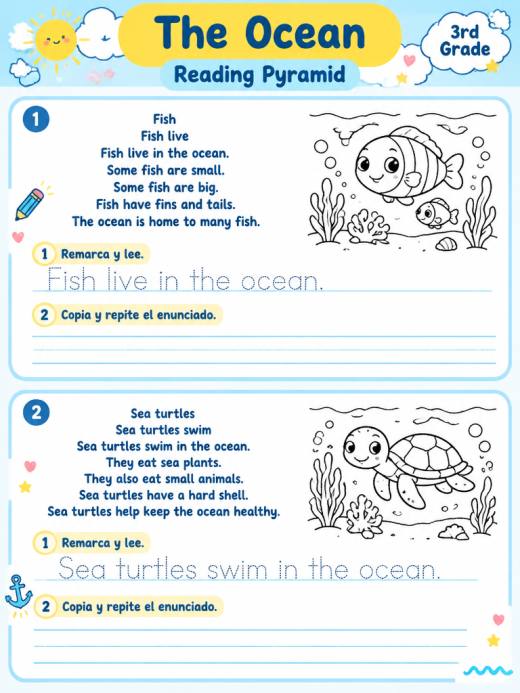
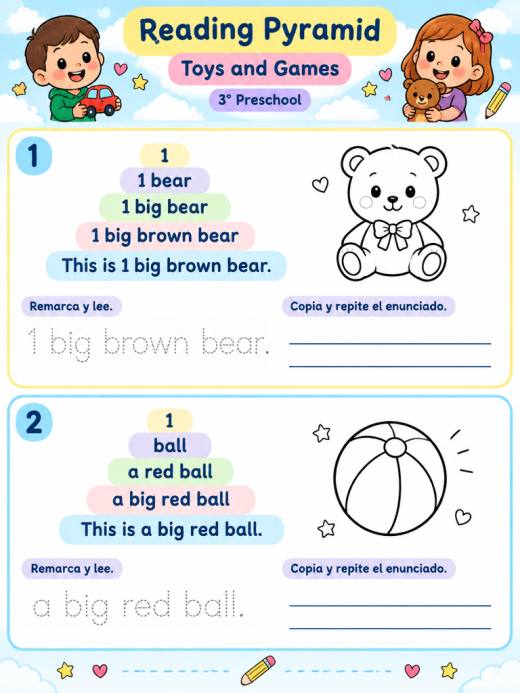
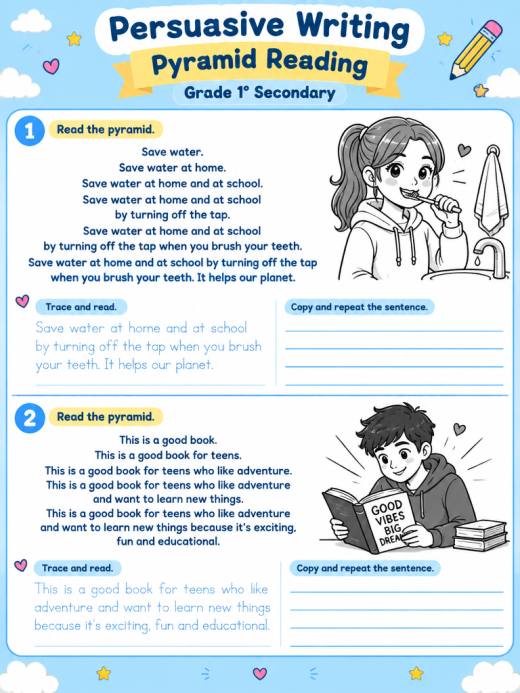
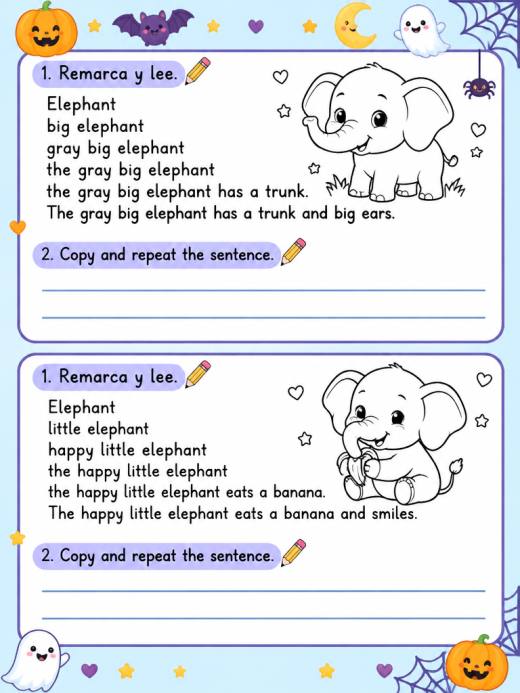
Mira lo que los maestros ya crearon con Pirámide de la Lectura

Tu planeación, en un vistazo
Una ruta clara para llevar el proyecto «¿Cómo conservar nuestros alimentos?» al aula y adaptarlo a las necesidades de tu grupo.
Ver contexto pedagógico, adaptaciones y materiales
Esta planeación didáctica por proyectos está pensada para tercer grado, Fase 4, durante la semana 9 de noviembre del ciclo escolar 2026–2027. El proyecto «¿Cómo conservar nuestros alimentos?» tiene como propósito students will develop oral, written, and creative expression by narrating observations and events from the food-preservation inquiry. They will identify the purpose and main characteristics of a narrative while communicating evidence and conclusions about water, mixtures, and the homemade refrigerator. La secuencia parte del contexto del grupo para convertir sus experiencias, preguntas y saberes previos en oportunidades de aprendizaje significativo.
La propuesta se desarrolla mediante inquiry-based learning with a steam approach, following the textbook project sequence. y articula principalmente el campo formativo los campos formativos de la Nueva Escuela Mexicana. El contenido central aborda narration of past and present events. Los PDA describen estos aprendizajes: students identify and understand the purpose and main characteristics of a narrative by examining and discussing the account of Samon’s fruit water and the events observed during the project. Students narrate, orally and in writing, the sequence of observations, experiments, and construction events, using relevant details to communicate what happened and what they learned. Las actividades se distribuyen por día con momentos de inicio, desarrollo y cierre, de modo que el docente pueda observar avances, recuperar producciones y ajustar la intervención sin perder el sentido del proyecto.
El producto final será a written and oral project narrative explaining the inquiry, observations, and homemade refrigerator. La evaluación es formativa y considera participación, procesos, producciones y reflexión del alumnado. Se sugieren recursos como notebook, Textbook, p. 124, Textbook, p. 125, Notebook, Textbook, p. 126, Textbook, p. 127, Plastic bottle with cap, Permanent marker or label, Potable water, Ruler, Notebook, Textbook, p. 128, Textbook, p. 129, Textbook, p. 130, Textbook, p. 131, Marked water bottle, Ruler, Notebook, Textbook, p. 132, Textbook, p. 133, Textbook, p. 134, Textbook, p. 135, Labeled containers, Water, Sugar, Soil or sand, Fruit, Oil, Alcohol, handled only with teacher supervision, Notebook, Textbook, p. 136, Textbook, p. 137, Textbook, p. 138, Textbook, p. 139, Textbook, p. 140, Textbook, p. 141, Textbook, p. 142, Textbook, p. 143, Textbook, p. 144, Textbook, p. 145, Project observation records, Drawing materials. Para atender distintos ritmos de aprendizaje, ofrece apoyos visuales, consignas breves, opciones de respuesta oral o gráfica y acompañamiento entre pares. El documento puede descargarse en Word editable o en PDF listo para imprimir. Ambas versiones permiten adecuar tiempos, materiales, lenguaje, apoyos y evidencias a las necesidades reales de cada escuela.
Ficha curricular de la planeación
Consulta primero los elementos de la NEM. Después encontrarás la secuencia completa organizada por día.
Datos generales y propósito del proyecto
Ciclo escolar 2026–2027 · Fase 4.
Propósito: Students will develop oral, written, and creative expression by narrating observations and events from the food-preservation inquiry. They will identify the purpose and main characteristics of a narrative while communicating evidence and conclusions about water, mixtures, and the homemade refrigerator.
Metodología: Inquiry-based learning with a STEAM approach, following the textbook project sequence.
Contenido
Narration of past and present events.
Proceso de Desarrollo de Aprendizaje (PDA)
Students identify and understand the purpose and main characteristics of a narrative by examining and discussing the account of Samon’s fruit water and the events observed during the project. Students narrate, orally and in writing, the sequence of observations, experiments, and construction events, using relevant details to communicate what happened and what they learned.
Ejes articuladores oficiales
Inclusión, Pensamiento crítico
Producto final
A written and oral project narrative explaining the inquiry, observations, and homemade refrigerator.
Evaluacion formativa
Ver criterios y evidencias
Students organize the project events in a logical chronological sequence and distinguish past observations from predictions. Students identify the people, situation, events, and outcome in the account of Samon’s fruit water. Students use relevant details from their observation records to explain changes in water and mixtures. Students communicate their written narrative with clear sentences, appropriate vocabulary, and legible writing. Students present the construction story orally, describe a difficulty, and support a proposed improvement with project evidence.
Materiales
Ver lista completa
Notebook, Textbook, p. 124, Textbook, p. 125, Notebook, Textbook, p. 126, Textbook, p. 127, Plastic bottle with cap, Permanent marker or label, Potable water, Ruler, Notebook, Textbook, p. 128, Textbook, p. 129, Textbook, p. 130, Textbook, p. 131, Marked water bottle, Ruler, Notebook, Textbook, p. 132, Textbook, p. 133, Textbook, p. 134, Textbook, p. 135, Labeled containers, Water, Sugar, Soil or sand, Fruit, Oil, Alcohol, handled only with teacher supervision, Notebook, Textbook, p. 136, Textbook, p. 137, Textbook, p. 138, Textbook, p. 139, Textbook, p. 140, Textbook, p. 141, Textbook, p. 142, Textbook, p. 143, Textbook, p. 144, Textbook, p. 145, Project observation records, Drawing materials
Adaptaciones para el grupo
Para atender distintos ritmos de aprendizaje, ofrece apoyos visuales, consignas breves, opciones de respuesta oral o gráfica y acompañamiento entre pares.
Desarrollo completo de la planeación
Aquí comienza la organización diaria con inicio, desarrollo, cierre, recursos y evidencias. El contenido y el PDA ya están separados en la ficha anterior.
¿Cómo conservar nuestros alimentos?
Semana: Semana 9 — Noviembre
Languages
Metodología: Inquiry-based learning with a STEAM approach, following the textbook project sequence.
Propósito: Students will develop oral, written, and creative expression by narrating observations and events from the food-preservation inquiry. They will identify the purpose and main characteristics of a narrative while communicating evidence and conclusions about water, mixtures, and the homemade refrigerator.
Ejes articuladores
- Inclusión
- Pensamiento crítico
| Campo formativo | Contenido | PDA |
|---|---|---|
| Languages | Narration of past and present events. | Students identify and understand the purpose and main characteristics of a narrative by examining and discussing the account of Samon’s fruit water and the events observed during the project. Students narrate, orally and in writing, the sequence of observations, experiments, and construction events, using relevant details to communicate what happened and what they learned. |
| Día | Secuencia de actividades | Recursos |
|---|---|---|
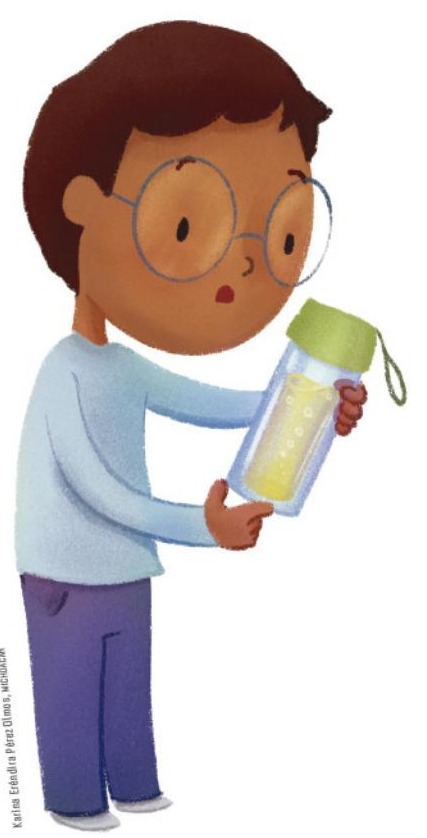
| Monday | Present the project question, “How can we preserve our food?”, by inviting students to connect it with the classroom situation in which Samon’s fruit water developed bubbles, an unusual taste, and an unpleasant effect. Read the account aloud with the class, taking turns and pausing to clarify the sequence of events; guide students to identify who was involved, what happened, and how the characters responded (textbook, p. 124). Then have pairs discuss why the drink may have changed and record a possible explanation and a way to prevent a similar occurrence at school in their notebooks. Continue with a respectful whole-class exchange about the project’s guiding questions, including what happens when water is mixed with other substances and how Samon’s drink might be preserved (textbook, p. 125). Observe whether students recount events in order and support an idea with a detail from the account. | Notebook, Textbook, p. 124, Textbook, p. 125 |
| Tuesday | Invite students to predict what might happen to plain water under different temperature conditions, referring back to the question of how Samon’s drink changed. Organize small classroom groups to examine the textbook procedure for labeling a bottle, noting the water level, describing whether the bottle feels firm or soft, and comparing the water before and after freezing overnight (textbook, pp. 126–127). Have students write a short, ordered account of the planned observations, distinguishing what has already happened from what they expect to happen; prompt them to use time words such as “before,” “after,” and “the next day.” Review the accounts with partners, checking that each includes the materials, the sequence, and a testable prediction, and remind students that the bottle observations will be recorded as evidence for explaining Samon’s experience. | Notebook, Textbook, p. 126, Textbook, p. 127, Plastic bottle with cap, Permanent marker or label, Potable water, Ruler |
| Wednesday | Use the students’ predictions to focus attention on how an observation becomes a clear account of an event. Guide groups to compare the bottle’s appearance, firmness, and marked water level after freezing and after exposure to a warm, sunny place, following the sequence described in the book (textbook, pp. 128–130). Have each student add dated notes to the group record and then turn those notes into a brief past-tense narrative that explains what was observed first, what changed, and what remained the same. Next, read the textbook explanation of water’s solid, liquid, and gaseous states and ask students to connect the information to their recorded evidence (textbook, p. 131). Assess whether the written accounts preserve the order of events, use precise observation words, and separate evidence from prediction. | Notebook, Textbook, p. 128, Textbook, p. 129, Textbook, p. 130, Textbook, p. 131, Marked water bottle, Ruler |
| Thursday | Display the project’s mixture investigation as a set of events students will need to describe accurately, and ask what details a reader would need in order to understand what was mixed and what happened afterward. In small groups, review the textbook’s materials, labels, and preparation sequence for water mixed with sugar, soil or sand, fruit, alcohol, and oil; record the initial properties and the changes observed after the mixtures rest and are exposed to warmth, following the book’s procedure (textbook, pp. 132–135). Have students compose a concise investigative narrative using their notes, with a clear beginning, ordered actions, and observations rather than unsupported claims. Invite partners to read each account aloud and offer one specific suggestion about sequence or clarity; reinforce safe handling and teacher supervision for all materials. | Notebook, Textbook, p. 132, Textbook, p. 133, Textbook, p. 134, Textbook, p. 135, Labeled containers, Water, Sugar, Soil or sand, Fruit, Oil, Alcohol, handled only with teacher supervision |
| Friday | Ask students to revisit the original problem and explain how evidence from the water and mixture investigations can inform a response to Samon’s experience. Support groups as they review their records and prepare an oral narrative of the project’s progression, including the observations, interview findings, and the construction of the homemade refrigerator described in the textbook (textbook, pp. 136–144). Then have students draw the refrigerator in their notebooks, label its materials and function, and write how it could help preserve Samon’s drink; conclude with a classroom sharing of the construction story, difficulties encountered, and a possible improvement, as prompted in the book (textbook, p. 145). Use the presentations to assess chronological organization, relevant details, clear oral delivery, and the ability to connect conclusions to recorded evidence. | Notebook, Textbook, p. 136, Textbook, p. 137, Textbook, p. 138, Textbook, p. 139, Textbook, p. 140, Textbook, p. 141, Textbook, p. 142, Textbook, p. 143, Textbook, p. 144, Textbook, p. 145, Project observation records, Drawing materials |
Producto: A written and oral project narrative explaining the inquiry, observations, and homemade refrigerator.
Instrumento de evaluación de contenidos, PDA y producto del proyecto:
| Criterios de evaluación | Logrado | En proceso | Falta por consolidar |
|---|---|---|---|
| Students organize the project events in a logical chronological sequence and distinguish past observations from predictions | |||
| Students identify the people, situation, events, and outcome in the account of Samon’s fruit water | |||
| Students use relevant details from their observation records to explain changes in water and mixtures | |||
| Students communicate their written narrative with clear sentences, appropriate vocabulary, and legible writing | |||
| Students present the construction story orally, describe a difficulty, and support a proposed improvement with project evidence |
Antes de descargar
Datos, propósito y contenidos
- Students will develop oral, written, and creative expression by narrating observations and events from the food-preservation in?
- Narration of past and present events.
Actividades, producto y evaluación
- Notebook, Textbook, p. 124, Textbook, p. 125, Notebook, Textbook, p. 126, Textbook, p. 127, Plastic bottle with cap, Permanent ?
- A written and oral project narrative explaining the inquiry, observations, and homemade refrigerator.
Tu material está listo para descargar
Elige Word, PDF o anexos desde un solo lugar.
Mira lo que los maestros ya crearon con Pirámide de la Lectura
Preguntas frecuentes sobre esta planeación
¿Para qué grado y semanas está diseñada esta planeación?
Está diseñada para tercer grado, la semana 9 de noviembre de 2026, dentro del ciclo escolar 2026–2027.
¿Qué metodología utiliza la planeación?
La secuencia utiliza inquiry-based learning with a steam approach, following the textbook project sequence. y organiza actividades situadas con evidencias y un producto final.
¿La planeación incluye contenidos y PDA de la NEM?
Sí. Incluye el campo formativo, el contenido, el proceso de desarrollo de aprendizaje, actividades y evaluación formativa alineados con la NEM.
¿Puedo editar y adaptar el archivo?
Sí. La versión Word es editable para ajustar actividades, materiales, apoyos, tiempos y evidencias. El PDF está listo para imprimir.
