
Planeación didáctica por proyectos de tercer grado — Semana 11 de noviembre 2026: ¡Descubro las historias de mi comunidad!
 ChannelKids
Mira lo que los maestros ya crearon con Hoja de Trabajo Infantil
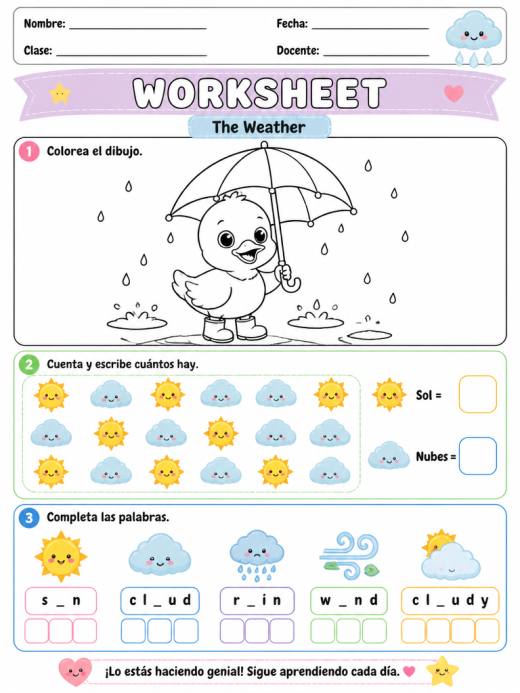
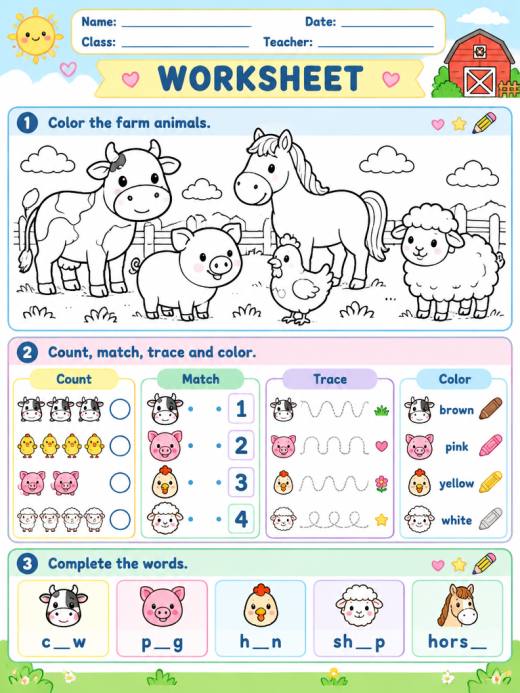
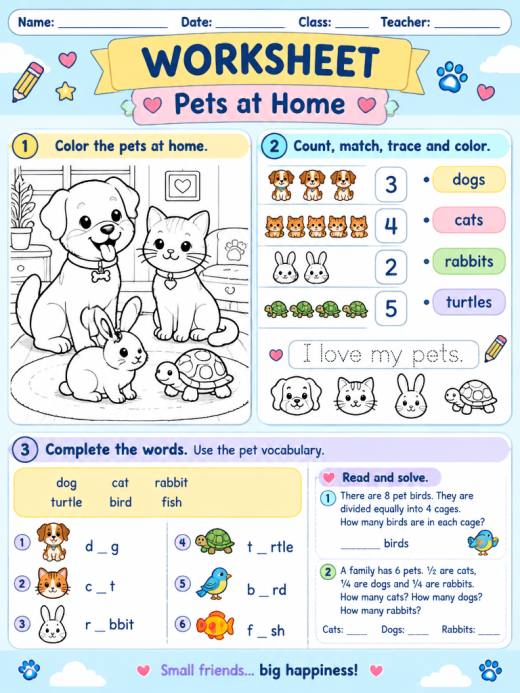
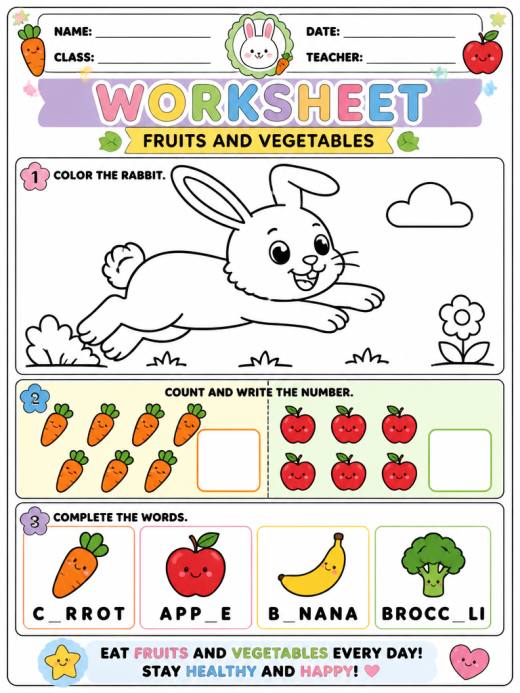

Tu planeación, en un vistazo
Una ruta clara para llevar el proyecto «¡Descubro las historias de mi comunidad!» al aula y adaptarlo a las necesidades de tu grupo.
Ver contexto pedagógico, adaptaciones y materiales
Esta planeación didáctica por proyectos está pensada para tercer grado, Fase 4, durante la semana 11 de noviembre del ciclo escolar 2026–2027. El proyecto «¡Descubro las historias de mi comunidad!» tiene como propósito students will develop oral, written, and creative expression by exploring stories about their classroom community and composing a narrative that shows change over time. They will identify the function and main characteristics of narrative texts while collaborating, revising, and sharing their work in the classroom. La secuencia parte del contexto del grupo para convertir sus experiencias, preguntas y saberes previos en oportunidades de aprendizaje significativo.
La propuesta se desarrolla mediante community-based project learning y articula principalmente el campo formativo los campos formativos de la Nueva Escuela Mexicana. El contenido central aborda narration of past and present events. Los PDA describen estos aprendizajes: students identify the function of a narrative and explain how it can recount events from the past and present. Students recognize the main characteristics of a narrative, including narrator, characters, setting, time, and the sequence of beginning, development, and ending. Students use oral discussion, written planning, and creative representation to develop and revise a narrative about their classroom community and a change connected to a selected problem. Las actividades se distribuyen por día con momentos de inicio, desarrollo y cierre, de modo que el docente pueda observar avances, recuperar producciones y ajustar la intervención sin perder el sentido del proyecto.
El producto final será revised classroom-community narrative and oral sharing. La evaluación es formativa y considera participación, procesos, producciones y reflexión del alumnado. Se sugieren recursos como community Projects textbook, page 12, Community Projects textbook, page 13, Student notebooks, Drawing paper, Pencils, Colored pencils, Community Projects textbook, page 14, Community Projects textbook, page 15, Student notebooks, Pencils, Colored pencils, Community Projects textbook, page 16, Community Projects textbook, page 17, Student notebooks, Pencils, Chart paper, Markers, Community Projects textbook, page 18, Community Projects textbook, page 19, Student notebooks, Draft paper, Pencils, Community Projects textbook, page 19, Community Projects textbook, page 20, Student notebooks, Draft narratives, Pencils, Classroom display space. Para atender distintos ritmos de aprendizaje, ofrece apoyos visuales, consignas breves, opciones de respuesta oral o gráfica y acompañamiento entre pares. El documento puede descargarse en Word editable o en PDF listo para imprimir. Ambas versiones permiten adecuar tiempos, materiales, lenguaje, apoyos y evidencias a las necesidades reales de cada escuela.
Ficha curricular de la planeación
Consulta primero los elementos de la NEM. Después encontrarás la secuencia completa organizada por día.
Datos generales y propósito del proyecto
Ciclo escolar 2026–2027 · Fase 4.
Propósito: Students will develop oral, written, and creative expression by exploring stories about their classroom community and composing a narrative that shows change over time. They will identify the function and main characteristics of narrative texts while collaborating, revising, and sharing their work in the classroom.
Metodología: Community-Based Project Learning
Contenido
Narration of past and present events.
Proceso de Desarrollo de Aprendizaje (PDA)
Students identify the function of a narrative and explain how it can recount events from the past and present. Students recognize the main characteristics of a narrative, including narrator, characters, setting, time, and the sequence of beginning, development, and ending. Students use oral discussion, written planning, and creative representation to develop and revise a narrative about their classroom community and a change connected to a selected problem.
Ejes articuladores oficiales
Inclusión, Pensamiento crítico
Producto final
Revised classroom-community narrative and oral sharing
Evaluacion formativa
Ver criterios y evidencias
The student identifies the purpose of a narrative and explains how it recounts events connected to the classroom community. The narrative includes an understandable narrator, characters, setting, and time. The written account presents a clear sequence showing the situation before and after a selected problem and its proposed solution. The student revises the draft using teacher and peer feedback to improve clarity and narrative organization. The student shares ideas orally with clear expression and listens respectfully to classmates.
Materiales
Ver lista completa
Community Projects textbook, page 12, Community Projects textbook, page 13, Student notebooks, Drawing paper, Pencils, Colored pencils, Community Projects textbook, page 14, Community Projects textbook, page 15, Student notebooks, Pencils, Colored pencils, Community Projects textbook, page 16, Community Projects textbook, page 17, Student notebooks, Pencils, Chart paper, Markers, Community Projects textbook, page 18, Community Projects textbook, page 19, Student notebooks, Draft paper, Pencils, Community Projects textbook, page 19, Community Projects textbook, page 20, Student notebooks, Draft narratives, Pencils, Classroom display space
Adaptaciones para el grupo
Para atender distintos ritmos de aprendizaje, ofrece apoyos visuales, consignas breves, opciones de respuesta oral o gráfica y acompañamiento entre pares.
Desarrollo completo de la planeación
Aquí comienza la organización diaria con inicio, desarrollo, cierre, recursos y evidencias. El contenido y el PDA ya están separados en la ficha anterior.
¡Descubro las historias de mi comunidad!
Semana: Semana 11 — Noviembre
Languages
Metodología: Community-Based Project Learning
Propósito: Students will develop oral, written, and creative expression by exploring stories about their classroom community and composing a narrative that shows change over time. They will identify the function and main characteristics of narrative texts while collaborating, revising, and sharing their work in the classroom.
Ejes articuladores
- Inclusión
- Pensamiento crítico
| Campo formativo | Contenido | PDA |
|---|---|---|
| Languages | Narration of past and present events. | Students identify the function of a narrative and explain how it can recount events from the past and present. Students recognize the main characteristics of a narrative, including narrator, characters, setting, time, and the sequence of beginning, development, and ending. Students use oral discussion, written planning, and creative representation to develop and revise a narrative about their classroom community and a change connected to a selected problem. |
| Día | Secuencia de actividades | Recursos |
|---|---|---|
| Monday | Invite students to consider how the classroom community has changed over time, asking them to recall a place, routine, or shared experience that feels different now from before. Read the project introduction and use the image and questions in the book to guide a respectful discussion about what makes a community, where it is located, who belongs to it, and which places are important; keep examples within the classroom setting and students’ shared experience (pp. 12–13). Then have each student draw a representation of the classroom community, adding people and meaningful places, and briefly explain one detail to a partner. Observe whether students connect their drawing and oral explanation to the project’s focus on community stories, and note their ability to listen and take turns. | Community Projects textbook, page 12, Community Projects textbook, page 13, Student notebooks, Drawing paper, Pencils, Colored pencils |
| Tuesday | Use the narrative “Not Everything Is as It Seems” to show how a story can give characters, feelings, and events a voice, then organize a shared reading in which students take turns reading short sections and listen for what happens and who participates (pp. 14–15). After reading, ask students to record individually what they understand about the text and identify the problems mentioned in the narration; support them in distinguishing characters from events and in explaining how the narrator responds. Students may draw one problem from the story in their notebooks and describe it orally to a partner. Conclude by inviting a few students to share how the text communicates events, while checking comprehension, clear speaking, and attentive listening. | Community Projects textbook, page 14, Community Projects textbook, page 15, Student notebooks, Pencils, Colored pencils |
| Wednesday | Present the project’s planning sequence as a way to turn a community experience into a narrative: review problems connected to the classroom community, choose one that students can discuss from their shared classroom experience, identify a possible solution, and consider what the situation was like before and after the change (p. 16). In small groups, have students list possible problems individually before discussing which one is most relevant, why it matters, and what benefit a solution could bring to the classroom community (p. 17). Ask each group to record its reasoning and the materials that might be needed for its proposed solution, without carrying out activities beyond the classroom. Formatively assess whether students can explain their choice and connect the problem to a clear before-and-after narrative. | Community Projects textbook, page 16, Community Projects textbook, page 17, Student notebooks, Pencils, Chart paper, Markers |
| Thursday | Guide students in examining how narrative structure helps readers follow a community story, using the book’s reference to narrator, characters, setting, time, linear narratives, and the beginning, development, and ending, as well as circular and in medias res narratives (p. 18). Keep the focus on the project’s planned story by asking groups to note which elements will help explain their selected classroom problem and its transformation. Then have each group gather relevant information from students’ shared classroom knowledge and prepare a first draft that establishes what happened before, what changed, and what followed after the proposed solution (pp. 18–19). Confer with groups as they write, prompting them to check sequence, clarity, and whether the narrator and setting are understandable; close with a brief oral sharing of one draft decision. | Community Projects textbook, page 18, Community Projects textbook, page 19, Student notebooks, Draft paper, Pencils |
| Friday | Arrange a classroom workshop in which small groups present their draft narratives and receive focused feedback from classmates and the teacher, following the book’s directions to review and revise the community story using the established planning sequence (pp. 19–20). Ask each group to improve the draft by checking that the problem, the proposed solution, and the before-and-after transformation are easy to follow, and that the narrative includes relevant characters, setting, and time. Students then share a revised passage aloud in a classroom forum, practicing clear expression and respectful listening; conclude by having them reflect on how reading, discussion, writing, and drawing helped them tell a story about their classroom community. Assess revision choices, narrative features, and participation in feedback. | Community Projects textbook, page 19, Community Projects textbook, page 20, Student notebooks, Draft narratives, Pencils, Classroom display space |
Producto: Revised classroom-community narrative and oral sharing
Instrumento de evaluación de contenidos, PDA y producto del proyecto:
| Criterios de evaluación | Logrado | En proceso | Falta por consolidar |
|---|---|---|---|
| The student identifies the purpose of a narrative and explains how it recounts events connected to the classroom community | |||
| The narrative includes an understandable narrator, characters, setting, and time | |||
| The written account presents a clear sequence showing the situation before and after a selected problem and its proposed solution | |||
| The student revises the draft using teacher and peer feedback to improve clarity and narrative organization | |||
| The student shares ideas orally with clear expression and listens respectfully to classmates |
Antes de descargar
Datos, propósito y contenidos
- Students will develop oral, written, and creative expression by exploring stories about their classroom community and composing?
- Narration of past and present events.
Actividades, producto y evaluación
- Community Projects textbook, page 12, Community Projects textbook, page 13, Student notebooks, Drawing paper, Pencils, Colored ?
- Revised classroom-community narrative and oral sharing
Tu material está listo para descargar
Elige Word, PDF o anexos desde un solo lugar.
Mira lo que los maestros ya crearon con Hoja de Trabajo Infantil
Preguntas frecuentes sobre esta planeación
¿Para qué grado y semanas está diseñada esta planeación?
Está diseñada para tercer grado, la semana 11 de noviembre de 2026, dentro del ciclo escolar 2026–2027.
¿Qué metodología utiliza la planeación?
La secuencia utiliza community-based project learning y organiza actividades situadas con evidencias y un producto final.
¿La planeación incluye contenidos y PDA de la NEM?
Sí. Incluye el campo formativo, el contenido, el proceso de desarrollo de aprendizaje, actividades y evaluación formativa alineados con la NEM.
¿Puedo editar y adaptar el archivo?
Sí. La versión Word es editable para ajustar actividades, materiales, apoyos, tiempos y evidencias. El PDF está listo para imprimir.
