
Planeación didáctica por proyectos de quinto grado — Semana 9 de noviembre 2026: ¿Cómo entendemos el arte?
 ChannelKids
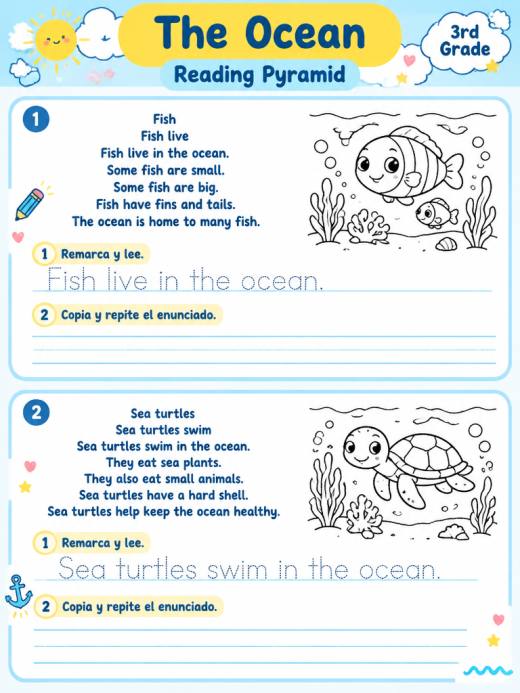
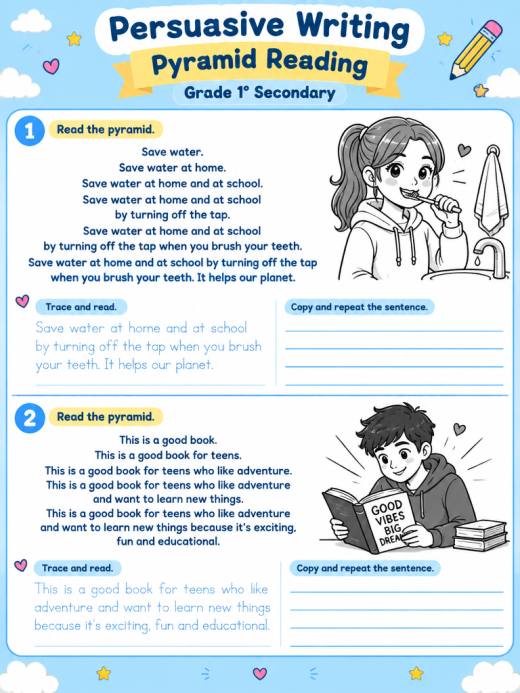
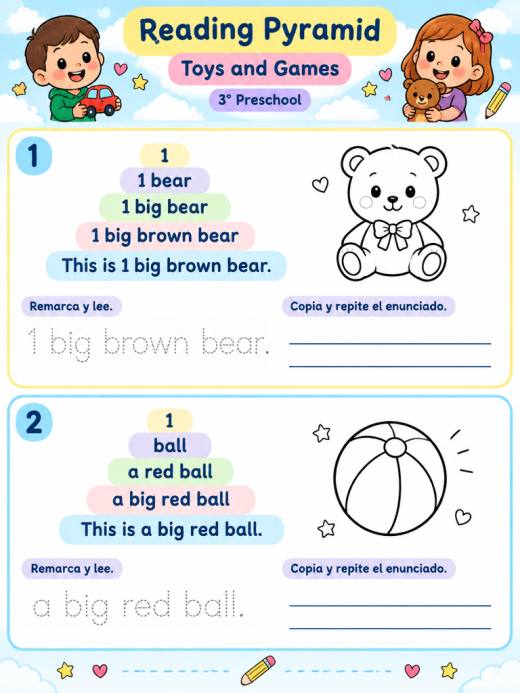
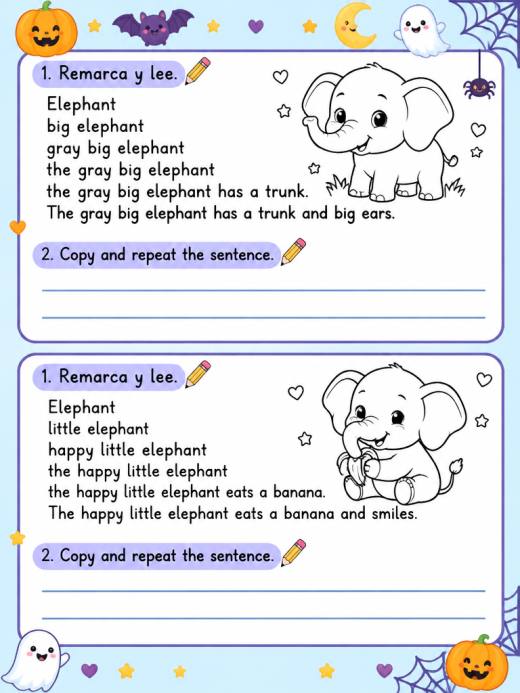
Mira lo que los maestros ya crearon con Pirámide de la Lectura

Tu planeación, en un vistazo
Una ruta clara para llevar el proyecto «¿Cómo entendemos el arte?» al aula y adaptarlo a las necesidades de tu grupo.
Ver contexto pedagógico, adaptaciones y materiales
Esta planeación didáctica por proyectos está pensada para quinto grado, Fase 5, durante la semana 9 de noviembre del ciclo escolar 2026–2027. El proyecto «¿Cómo entendemos el arte?» tiene como propósito students will explore artistic and cultural expressions and communicate their interpretations through speaking, writing, and creative representation. They will develop and present a classroom exhibition supported by research, narrative explanations, and reflection. La secuencia parte del contexto del grupo para convertir sus experiencias, preguntas y saberes previos en oportunidades de aprendizaje significativo.
La propuesta se desarrolla mediante classroom-based project learning, following the sequence of the official textbook project. y articula principalmente el campo formativo los campos formativos de la Nueva Escuela Mexicana. El contenido central aborda narration of past and present events. Los PDA describen estos aprendizajes: students recognize and use varied narrative styles, resources, and strategies to explain the artistic expression they selected, including the circumstances that led them to it, their interpretation, and the emotions it conveys. Students strengthen oral expression by presenting their artistic interpretations clearly, listening to classmates, and responding respectfully to feedback. Students produce and revise a written exhibition text by incorporating research about authors or creators, purpose, materials, and techniques. Las actividades se distribuyen por día con momentos de inicio, desarrollo y cierre, de modo que el docente pueda observar avances, recuperar producciones y ajustar la intervención sin perder el sentido del proyecto.
El producto final será classroom art exhibition with researched artwork, labels, and revised narrative explanations. La evaluación es formativa y considera participación, procesos, producciones y reflexión del alumnado. Se sugieren recursos como student notebook, Official textbook, School Projects, p. 38, Official textbook, School Projects, p. 39, Student notebook, Drawing paper, Pencils and colored pencils, Official textbook, School Projects, pp. 39–41, Student notebook, Official textbook, School Projects, pp. 42–43, Pencils, Student notebook, Drawing and craft materials appropriate to the selected expression, Available reference sources, Official textbook, School Projects, p. 44, Student notebook, Drawing or recreated artwork from Thursday, Cardstock or display paper, Markers, Official textbook, School Projects, pp. 45–46. Para atender distintos ritmos de aprendizaje, ofrece apoyos visuales, consignas breves, opciones de respuesta oral o gráfica y acompañamiento entre pares. El documento puede descargarse en Word editable o en PDF listo para imprimir. Ambas versiones permiten adecuar tiempos, materiales, lenguaje, apoyos y evidencias a las necesidades reales de cada escuela.
Ficha curricular de la planeación
Consulta primero los elementos de la NEM. Después encontrarás la secuencia completa organizada por día.
Datos generales y propósito del proyecto
Ciclo escolar 2026–2027 · Fase 5.
Propósito: Students will explore artistic and cultural expressions and communicate their interpretations through speaking, writing, and creative representation. They will develop and present a classroom exhibition supported by research, narrative explanations, and reflection.
Metodología: Classroom-based project learning, following the sequence of the official textbook project.
Contenido
Narration of past and present events.
Proceso de Desarrollo de Aprendizaje (PDA)
Students recognize and use varied narrative styles, resources, and strategies to explain the artistic expression they selected, including the circumstances that led them to it, their interpretation, and the emotions it conveys. Students strengthen oral expression by presenting their artistic interpretations clearly, listening to classmates, and responding respectfully to feedback. Students produce and revise a written exhibition text by incorporating research about authors or creators, purpose, materials, and techniques.
Ejes articuladores oficiales
Inclusión, Pensamiento crítico
Producto final
Classroom art exhibition with researched artwork, labels, and revised narrative explanations.
Evaluacion formativa
Ver criterios y evidencias
The student selects an artistic expression and explains the choice and emotion it conveys in a clear oral presentation. The student records relevant research about the creator or place of practice, intended communication, materials, and techniques. The student writes and revises a coherent explanation that distinguishes researched information from personal interpretation. The student contributes to the exhibition plan and prepares an accurate label for the displayed work. The student listens respectfully and gives feedback connected to clarity, sequence, and meaning.
Materiales
Ver lista completa
Student notebook, Official textbook, School Projects, p. 38, Official textbook, School Projects, p. 39, Student notebook, Drawing paper, Pencils and colored pencils, Official textbook, School Projects, pp. 39–41, Student notebook, Official textbook, School Projects, pp. 42–43, Pencils, Student notebook, Drawing and craft materials appropriate to the selected expression, Available reference sources, Official textbook, School Projects, p. 44, Student notebook, Drawing or recreated artwork from Thursday, Cardstock or display paper, Markers, Official textbook, School Projects, pp. 45–46
Adaptaciones para el grupo
Para atender distintos ritmos de aprendizaje, ofrece apoyos visuales, consignas breves, opciones de respuesta oral o gráfica y acompañamiento entre pares.
Desarrollo completo de la planeación
Aquí comienza la organización diaria con inicio, desarrollo, cierre, recursos y evidencias. El contenido y el PDA ya están separados en la ficha anterior.
¿Cómo entendemos el arte?
Semana: Semana 9 — Noviembre
Languages
Metodología: Classroom-based project learning, following the sequence of the official textbook project.
Propósito: Students will explore artistic and cultural expressions and communicate their interpretations through speaking, writing, and creative representation. They will develop and present a classroom exhibition supported by research, narrative explanations, and reflection.
Ejes articuladores
- Inclusión
- Pensamiento crítico
| Campo formativo | Contenido | PDA |
|---|---|---|
| Languages | Narration of past and present events. | Students recognize and use varied narrative styles, resources, and strategies to explain the artistic expression they selected, including the circumstances that led them to it, their interpretation, and the emotions it conveys. Students strengthen oral expression by presenting their artistic interpretations clearly, listening to classmates, and responding respectfully to feedback. Students produce and revise a written exhibition text by incorporating research about authors or creators, purpose, materials, and techniques. |
| Día | Secuencia de actividades | Recursos |
|---|---|---|
| Monday | Invite students to consider how an artistic experience can help someone understand and express emotions, then read aloud the personal account about discovering theater in the project opening (p. 38). Guide a brief discussion of the narrator’s earlier difficulty speaking with others and the changes associated with theater; ask students to identify which events belong to the past and how the narrator describes their present understanding. Continue by having students answer the textbook questions about why theater may help a person feel better, what an artistic expression and interpretation are, and which artistic expressions they know (p. 39). Assess whether their spoken and written responses refer to details in the account and communicate ideas clearly, and close by connecting their observations to the project’s goal of expressing ideas and emotions through art. | Student notebook, Official textbook, School Projects, p. 38, Official textbook, School Projects, p. 39 |
| Tuesday | Begin with a classroom conversation about artistic expressions students have encountered in their surroundings, such as sculpture, crafts, painting, murals, music, and dance, and clarify that the project asks each student to select one expression for further exploration. Have students read the textbook’s description of art as a language through which people give form to emotions, thoughts, and ideas, then choose an expression and draw or attach a photograph representing it (pp. 39–40). Next, organize a seated circle so every student can show the drawing or photograph, name the selected expression, explain why it was chosen, and describe the emotion it conveys; after each presentation, invite classmates to identify the emotion they perceived (p. 41). Provide respectful response stems as needed and note whether each speaker explains a choice and whether listeners distinguish their own response from the presenter’s intention. | Student notebook, Drawing paper, Pencils and colored pencils, Official textbook, School Projects, pp. 39–41 |
| Wednesday | Use the students’ selected artistic expressions to establish a shared purpose for the classroom exhibition, then guide the group through the planning organizer in the textbook. Have students consider what they already know about art, what they need to investigate, what they will present, where the exhibition will be arranged within the classroom, who will take responsibility for each task, and how they will gather audience responses (pp. 42–43). Ask them to agree on a feasible plan that remains within the classroom and to record responsibilities and decisions in their notebooks. As teams compare proposals, prompt them to explain how each choice will help visitors understand the artwork and the emotions it communicates; assess participation, clarity of reasoning, and the completeness of the recorded plan before confirming the next day’s research focus. | Student notebook, Official textbook, School Projects, pp. 42–43, Pencils |
| Thursday | Set up a focused research session by asking students to revisit their selected artistic expression and identify what information a classroom audience would need in order to understand it. Following the textbook’s research prompts, have each student investigate who created the expression or where it is practiced, what it seeks to communicate, and which materials and techniques are used; where feasible, students may consult an available creator or knowledgeable person, while recording notes in their notebooks (p. 44). Then ask them to represent or recreate the expression using similar materials or techniques when possible, keeping the work connected to the researched example (p. 44). Confer with students as they work, checking that notes distinguish researched facts from personal interpretations and that the creative representation reflects the selected expression rather than an unrelated design. | Student notebook, Drawing and craft materials appropriate to the selected expression, Available reference sources, Official textbook, School Projects, p. 44 |
| Friday | Bring the research and representations together by asking students to draft an explanation of the artistic expression they will exhibit, including why they selected it, how they interpret it, and which emotion it represents, then add relevant research findings (p. 45). Arrange a classroom read-aloud so peers can offer respectful, specific feedback on clarity, sequence, and whether the explanation connects the artwork with the writer’s interpretation; students revise their texts accordingly. Guide the class to assign presentation responsibilities and prepare a final display text and artwork label with the information specified in the book, including title, creator, technique, description, dimensions, and date, while planning the order of presentations and suitable accompanying elements (p. 46). Conclude with a brief rehearsal and formative review of oral clarity, evidence-based details, and respectful listening, keeping the exhibition and its audience within the classroom. | Student notebook, Drawing or recreated artwork from Thursday, Cardstock or display paper, Markers, Official textbook, School Projects, pp. 45–46 |
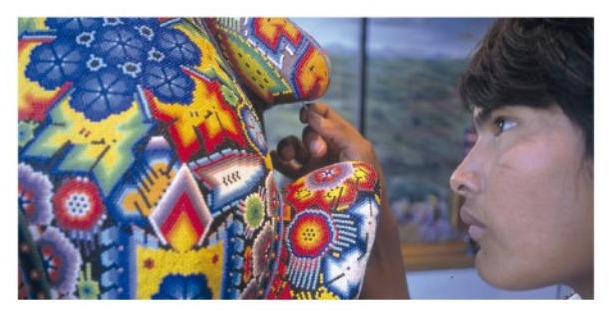
Producto: Classroom art exhibition with researched artwork, labels, and revised narrative explanations.
Instrumento de evaluación de contenidos, PDA y producto del proyecto:
| Criterios de evaluación | Logrado | En proceso | Falta por consolidar |
|---|---|---|---|
| The student selects an artistic expression and explains the choice and emotion it conveys in a clear oral presentation | |||
| The student records relevant research about the creator or place of practice, intended communication, materials, and techniques | |||
| The student writes and revises a coherent explanation that distinguishes researched information from personal interpretation | |||
| The student contributes to the exhibition plan and prepares an accurate label for the displayed work | |||
| The student listens respectfully and gives feedback connected to clarity, sequence, and meaning |
Antes de descargar
Datos, propósito y contenidos
- Students will explore artistic and cultural expressions and communicate their interpretations through speaking, writing, and cr?
- Narration of past and present events.
Actividades, producto y evaluación
- Student notebook, Official textbook, School Projects, p. 38, Official textbook, School Projects, p. 39, Student notebook, Drawi?
- Classroom art exhibition with researched artwork, labels, and revised narrative explanations.
Tu material está listo para descargar
Elige Word, PDF o anexos desde un solo lugar.
Mira lo que los maestros ya crearon con Pirámide de la Lectura
Preguntas frecuentes sobre esta planeación
¿Para qué grado y semanas está diseñada esta planeación?
Está diseñada para quinto grado, la semana 9 de noviembre de 2026, dentro del ciclo escolar 2026–2027.
¿Qué metodología utiliza la planeación?
La secuencia utiliza classroom-based project learning, following the sequence of the official textbook project. y organiza actividades situadas con evidencias y un producto final.
¿La planeación incluye contenidos y PDA de la NEM?
Sí. Incluye el campo formativo, el contenido, el proceso de desarrollo de aprendizaje, actividades y evaluación formativa alineados con la NEM.
¿Puedo editar y adaptar el archivo?
Sí. La versión Word es editable para ajustar actividades, materiales, apoyos, tiempos y evidencias. El PDF está listo para imprimir.
