
Planeación didáctica por proyectos de quinto grado — Semana 5 de octubre 2026: Maíz, el sabor de México
 ChannelKids
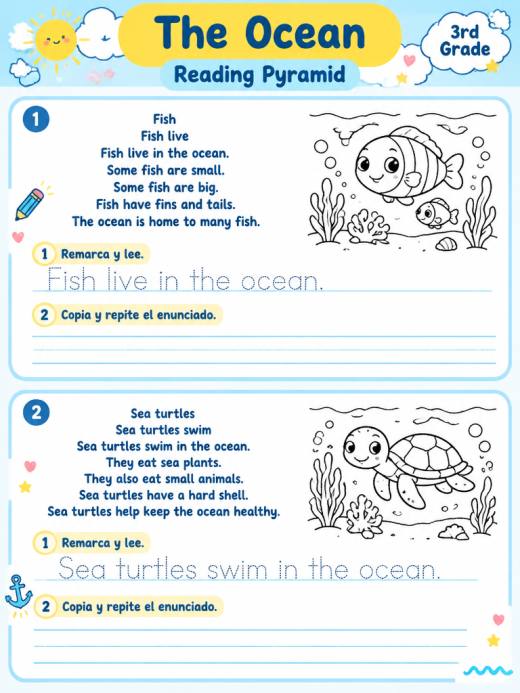
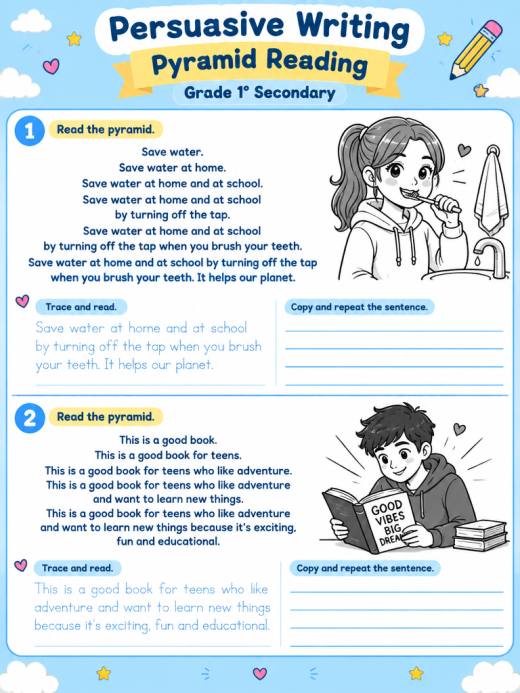
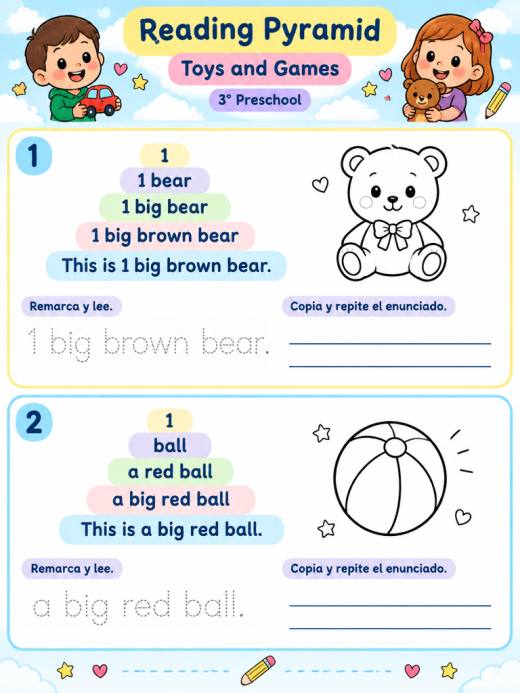
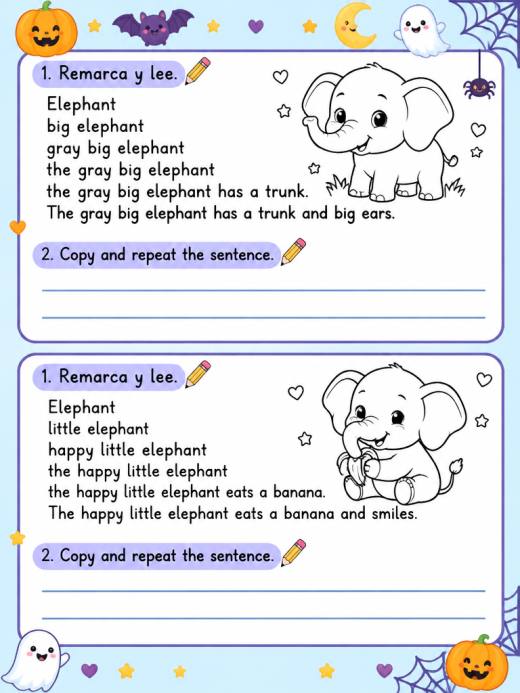
Mira lo que los maestros ya crearon con Pirámide de la Lectura

Tu planeación, en un vistazo
Una ruta clara para llevar el proyecto «Maíz, el sabor de México» al aula y adaptarlo a las necesidades de tu grupo.
Ver contexto pedagógico, adaptaciones y materiales
Esta planeación didáctica por proyectos está pensada para quinto grado, Fase 5, durante la semana 5 de octubre del ciclo escolar 2026–2027. El proyecto «Maíz, el sabor de México» tiene como propósito students will narrate what they learned through the project and reflect on their participation using clear oral and written expression. They will recognize and use narrative resources to record past experiences and communicate their reflections about the project. La secuencia parte del contexto del grupo para convertir sus experiencias, preguntas y saberes previos en oportunidades de aprendizaje significativo.
La propuesta se desarrolla mediante classroom-based project work using the official textbook’s reflection and documentation sequence. y articula principalmente el campo formativo los campos formativos de la Nueva Escuela Mexicana. El contenido central aborda narration of past and present events. Los PDA describen estos aprendizajes: students recognize and use varied narrative styles, resources, and strategies to communicate what they learned about the project and their experiences participating in it. Students organize oral and written reflections about the project in a clear sequence, distinguishing what happened, what they learned, and what they would improve. Las actividades se distribuyen por día con momentos de inicio, desarrollo y cierre, de modo que el docente pueda observar avances, recuperar producciones y ajustar la intervención sin perder el sentido del proyecto.
El producto final será classroom project reflection record. La evaluación es formativa y considera participación, procesos, producciones y reflexión del alumnado. Se sugieren recursos como notebook, Official textbook, page 242, Notebook, Classroom board and chalk or markers, Official textbook, page 242. Para atender distintos ritmos de aprendizaje, ofrece apoyos visuales, consignas breves, opciones de respuesta oral o gráfica y acompañamiento entre pares. El documento puede descargarse en Word editable o en PDF listo para imprimir. Ambas versiones permiten adecuar tiempos, materiales, lenguaje, apoyos y evidencias a las necesidades reales de cada escuela.
Ficha curricular de la planeación
Consulta primero los elementos de la NEM. Después encontrarás la secuencia completa organizada por día.
Datos generales y propósito del proyecto
Ciclo escolar 2026–2027 · Fase 5.
Propósito: Students will narrate what they learned through the project and reflect on their participation using clear oral and written expression. They will recognize and use narrative resources to record past experiences and communicate their reflections about the project.
Metodología: Classroom-based project work using the official textbook’s reflection and documentation sequence.
Contenido
Narration of past and present events.
Proceso de Desarrollo de Aprendizaje (PDA)
Students recognize and use varied narrative styles, resources, and strategies to communicate what they learned about the project and their experiences participating in it. Students organize oral and written reflections about the project in a clear sequence, distinguishing what happened, what they learned, and what they would improve.
Ejes articuladores oficiales
Inclusión, Pensamiento crítico
Producto final
Classroom project reflection record
Evaluacion formativa
Ver criterios y evidencias
The student records project learning and reflections in a coherent sequence that distinguishes past events from present understanding. The student uses relevant narrative details to explain participation, interests, and documented agreements from the project. The student communicates ideas orally with clear wording, attentive listening, and respectful responses to classmates. The student revises or clarifies written reflections in response to self-assessment or peer feedback.
Materiales
Ver lista completa
Notebook, Official textbook, page 242, Notebook, Classroom board and chalk or markers, Official textbook, page 242
Adaptaciones para el grupo
Para atender distintos ritmos de aprendizaje, ofrece apoyos visuales, consignas breves, opciones de respuesta oral o gráfica y acompañamiento entre pares.
Desarrollo completo de la planeación
Aquí comienza la organización diaria con inicio, desarrollo, cierre, recursos y evidencias. El contenido y el PDA ya están separados en la ficha anterior.
Maíz, el sabor de México
Semana: Semana 5 — Octubre
Languages
Metodología: Classroom-based project work using the official textbook’s reflection and documentation sequence.
Propósito: Students will narrate what they learned through the project and reflect on their participation using clear oral and written expression. They will recognize and use narrative resources to record past experiences and communicate their reflections about the project.
Ejes articuladores
- Inclusión
- Pensamiento crítico
| Campo formativo | Contenido | PDA |
|---|---|---|
| Languages | Narration of past and present events. | Students recognize and use varied narrative styles, resources, and strategies to communicate what they learned about the project and their experiences participating in it. Students organize oral and written reflections about the project in a clear sequence, distinguishing what happened, what they learned, and what they would improve. |
| Día | Secuencia de actividades | Recursos |
|---|---|---|
| Monday | Invite students to recall the classroom project “Corn, the Taste of Mexico” and explain that they will use their own project experiences to create an accurate account of what they learned. Following the individual reflection prompt on page 242, ask each student to review the information generated during the project and write in a notebook what they learned about the protection of personal data of girls, boys, and adolescents, preserving the source text’s topic rather than substituting a different subject. Encourage students to arrange their account in a clear sequence, using time expressions and details that distinguish earlier learning from present understanding. As students write, confer briefly about whether each statement communicates a specific learning; close by inviting volunteers to read a sentence and offering formative feedback on clarity, sequence, and narrative detail. | Notebook, Official textbook, page 242 |
| Tuesday | Use the students’ written reflections as a bridge to a classroom conversation about how they participated in the project. Direct students to the community reflection on page 242 and record their responses on the board to the source questions about what they liked about the project and what could be improved in future projects. Ask students to support each response with a concrete event from their own experience, then help them distinguish a description of what happened from an opinion about it. Organize turns so that classmates can listen and respond respectfully, and note examples of precise oral narration, relevant details, and clear explanations. Before the session ends, have students add one sentence to their notebooks describing a project moment and one sentence explaining their view of it. | Notebook, Classroom board and chalk or markers, Official textbook, page 242 |
| Wednesday | Turn attention to how participation was shared during the project by guiding students through the reflection on page 242 about their own participation and that of their community. Keep the discussion within the classroom: students should refer to the participation represented in the project and to their own contributions, without extending the activity to people outside the group. Ask each learner to prepare a brief oral account that names an action, places it in the sequence of the project, and explains its significance; classmates may ask clarifying questions that help the speaker add missing details. Support students in choosing narrative expressions that make the order of events understandable. Conclude with a quick self-assessment in which each student identifies one strength in their account and one detail they could make clearer. | Notebook, Official textbook, page 242 |
| Thursday | Present the next reflection as an opportunity to compare initial interest with what students now understand. Read the questions on page 242 about what most interested them in the topic of protecting personal data for girls, boys, and adolescents and whether their family would be interested in using a family protection plan at home. Ask students to write a short, respectful response that clearly separates their own interest from what they think their family might find useful, without requiring them to disclose private family information. Then arrange pairs to exchange notebooks and identify whether each response includes a reason and a detail connected to the project. Invite a few students to share their reasoning orally, and provide feedback on respectful wording, coherent explanation, and the use of narrative details to connect learning with present-day reflection. | Notebook, Official textbook, page 242 |
| Friday | Bring the week’s reflections together by returning to the final prompts on page 242, which ask students to consider which campaign activity interested classmates most and which interested people in their community most, and to record the community agreements reached about protecting children’s and adolescents’ personal data. Keep the work grounded in the source: students should report only ideas and agreements actually discussed or documented during the project, distinguishing evidence from assumptions. Have each student compose a concise concluding account that links a remembered activity, a reflection on participation, and the recorded agreements; then invite students to share selected passages with the classroom group. Close by reviewing how effectively the writing and oral sharing communicate past events and present learning, using sequence, relevance of details, and clarity as formative criteria. | Notebook, Official textbook, page 242 |
Producto: Classroom project reflection record
Instrumento de evaluación de contenidos, PDA y producto del proyecto:
| Criterios de evaluación | Logrado | En proceso | Falta por consolidar |
|---|---|---|---|
| The student records project learning and reflections in a coherent sequence that distinguishes past events from present understanding | |||
| The student uses relevant narrative details to explain participation, interests, and documented agreements from the project | |||
| The student communicates ideas orally with clear wording, attentive listening, and respectful responses to classmates | |||
| The student revises or clarifies written reflections in response to self-assessment or peer feedback |
Antes de descargar
Datos, propósito y contenidos
- Students will narrate what they learned through the project and reflect on their participation using clear oral and written exp?
- Narration of past and present events.
Actividades, producto y evaluación
- Notebook, Official textbook, page 242, Notebook, Classroom board and chalk or markers, Official textbook, page 242
- Classroom project reflection record
Tu material está listo para descargar
Elige Word, PDF o anexos desde un solo lugar.
Mira lo que los maestros ya crearon con Pirámide de la Lectura
Preguntas frecuentes sobre esta planeación
¿Para qué grado y semanas está diseñada esta planeación?
Está diseñada para quinto grado, la semana 5 de octubre de 2026, dentro del ciclo escolar 2026–2027.
¿Qué metodología utiliza la planeación?
La secuencia utiliza classroom-based project work using the official textbook’s reflection and documentation sequence. y organiza actividades situadas con evidencias y un producto final.
¿La planeación incluye contenidos y PDA de la NEM?
Sí. Incluye el campo formativo, el contenido, el proceso de desarrollo de aprendizaje, actividades y evaluación formativa alineados con la NEM.
¿Puedo editar y adaptar el archivo?
Sí. La versión Word es editable para ajustar actividades, materiales, apoyos, tiempos y evidencias. El PDF está listo para imprimir.
