
Planeación didáctica por proyectos de sexto grado — Semana 8 de octubre 2026: Tormenta de miradas. cosecha de ideas
 ChannelKids
Mira lo que los maestros ya crearon con Gamificación Educativa

Tu planeación, en un vistazo
Una ruta clara para llevar el proyecto «Tormenta de miradas. cosecha de ideas» al aula y adaptarlo a las necesidades de tu grupo.
Ver contexto pedagógico, adaptaciones y materiales
Esta planeación didáctica por proyectos está pensada para sexto grado, Fase 5, durante la semana 8 de octubre del ciclo escolar 2026–2027. El proyecto «Tormenta de miradas. cosecha de ideas» tiene como propósito students will interpret how cultural and artistic expressions represent social realities and will communicate their ideas orally, in writing, and visually. They will use the project’s observations and discussions to develop and refine a mural that represents a selected social issue. La secuencia parte del contexto del grupo para convertir sus experiencias, preguntas y saberes previos en oportunidades de aprendizaje significativo.
La propuesta se desarrolla mediante project-based learning through collaborative artistic inquiry and classroom-based creation. y articula principalmente el campo formativo los campos formativos de la Nueva Escuela Mexicana. El contenido central aborda narration of past and present events. Los PDA describen estos aprendizajes: students read autobiographical texts and identify temporal relationships of sequence, simultaneity, and duration. Students describe how artistic and cultural expressions represent social issues, traditions, and experiences from different periods, using oral discussion and written observations to develop ideas for the project mural. Las actividades se distribuyen por día con momentos de inicio, desarrollo y cierre, de modo que el docente pueda observar avances, recuperar producciones y ajustar la intervención sin perder el sentido del proyecto.
El producto final será collaborative mural draft and written reflection connecting artistic expression with a selected social issue. La evaluación es formativa y considera participación, procesos, producciones y reflexión del alumnado. Se sugieren recursos como student notebook, Official textbook, pp. 74–76, Student notebook, Official textbook, pp. 76–77, Student notebook, Official textbook, pp. 78–80, Student notebook, Official textbook, pp. 81–83, Cards or sturdy paper, Pencils, Student notebook, Official textbook, pp. 83–84, Drafts on paper, Large paper or mural surface, Pencils and coloring materials. Para atender distintos ritmos de aprendizaje, ofrece apoyos visuales, consignas breves, opciones de respuesta oral o gráfica y acompañamiento entre pares. El documento puede descargarse en Word editable o en PDF listo para imprimir. Ambas versiones permiten adecuar tiempos, materiales, lenguaje, apoyos y evidencias a las necesidades reales de cada escuela.
Ficha curricular de la planeación
Consulta primero los elementos de la NEM. Después encontrarás la secuencia completa organizada por día.
Datos generales y propósito del proyecto
Ciclo escolar 2026–2027 · Fase 5.
Propósito: Students will interpret how cultural and artistic expressions represent social realities and will communicate their ideas orally, in writing, and visually. They will use the project’s observations and discussions to develop and refine a mural that represents a selected social issue.
Metodología: Project-based learning through collaborative artistic inquiry and classroom-based creation.
Contenido
Narration of past and present events.
Proceso de Desarrollo de Aprendizaje (PDA)
Students read autobiographical texts and identify temporal relationships of sequence, simultaneity, and duration. Students describe how artistic and cultural expressions represent social issues, traditions, and experiences from different periods, using oral discussion and written observations to develop ideas for the project mural.
Ejes articuladores oficiales
Inclusión, Pensamiento crítico
Producto final
Collaborative mural draft and written reflection connecting artistic expression with a selected social issue.
Evaluacion formativa
Ver criterios y evidencias
Students identify sequence and duration in the historical account and relate its context to the artistic expressions discussed. Students describe a cultural or artistic expression using specific observations and explain the message they interpret. Students contribute oral and written ideas that connect the selected social issue to the mural’s characters, setting, time, place, and visual elements. Students use peer feedback respectfully to evaluate and refine the mural draft. Students present a clear explanation of how their mural represents the selected social issue.
Materiales
Ver lista completa
Student notebook, Official textbook, pp. 74–76, Student notebook, Official textbook, pp. 76–77, Student notebook, Official textbook, pp. 78–80, Student notebook, Official textbook, pp. 81–83, Cards or sturdy paper, Pencils, Student notebook, Official textbook, pp. 83–84, Drafts on paper, Large paper or mural surface, Pencils and coloring materials
Adaptaciones para el grupo
Para atender distintos ritmos de aprendizaje, ofrece apoyos visuales, consignas breves, opciones de respuesta oral o gráfica y acompañamiento entre pares.
Desarrollo completo de la planeación
Aquí comienza la organización diaria con inicio, desarrollo, cierre, recursos y evidencias. El contenido y el PDA ya están separados en la ficha anterior.
Tormenta de miradas. cosecha de ideas
Semana: Semana 8 — Octubre
Languages
Metodología: Project-based learning through collaborative artistic inquiry and classroom-based creation.
Propósito: Students will interpret how cultural and artistic expressions represent social realities and will communicate their ideas orally, in writing, and visually. They will use the project’s observations and discussions to develop and refine a mural that represents a selected social issue.
Ejes articuladores
- Inclusión
- Pensamiento crítico
| Campo formativo | Contenido | PDA |
|---|---|---|
| Languages | Narration of past and present events. | Students read autobiographical texts and identify temporal relationships of sequence, simultaneity, and duration. Students describe how artistic and cultural expressions represent social issues, traditions, and experiences from different periods, using oral discussion and written observations to develop ideas for the project mural. |
| Día | Secuencia de actividades | Recursos |
|---|---|---|
| Monday | To connect the project with the social realities students encounter in their surroundings, invite them to read the account of the 2006 social movement in Oaxaca and the formation of the Assembly of Revolutionary Artists, then discuss how artistic expression can communicate what a society is experiencing (pp. 74–75). Guide students to identify events in the account that occurred in sequence and to distinguish the period described from individual moments within it. Next, use the questions on page 76 to elicit what they understand by cultural and artistic expressions and whether such expressions help people understand events around them. Ask students to record one idea and explain it aloud; assess whether their comments refer to evidence in the text and whether they listen and respond respectfully. | Student notebook, Official textbook, pp. 74–76 |
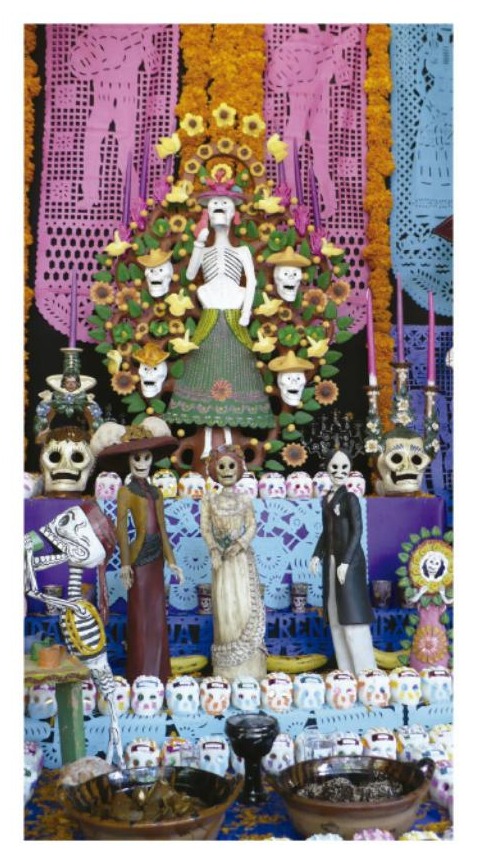
| Tuesday | Invite students to examine the artistic and cultural expressions they have noticed and to consider how observation can become a source of ideas for the mural. Read the observation guidance on page 76 and have each student select a visual, sound-based, performing, or craft expression to describe in a notebook entry, recording what it is, the message they interpret, and what draws their attention; keep this work within the classroom by recalling observations already made rather than requiring a trip beyond it. Continue with the reading on page 77 about how expressions preserve traditions and can address social problems, then discuss the image and its associations with a celebration, its meaning, and the memories it evokes. Review entries for specific details, clear interpretation, and a meaningful connection between past and present. | Student notebook, Official textbook, pp. 76–77 |
| Wednesday | Present the mural as a visual account of people and periods in Mexican history, then have student groups observe Diego Rivera’s work and name any figures they recognize (p. 78). Read the accompanying account of the mural on page 79 and invite groups to explain how a single artwork can bring together people and events from different times. Proceed to the identification of José Guadalupe Posada’s calavera garbancera and its satirical meaning, relating the historical context described in the book to the Day of the Dead tradition (p. 80). Students should share their interpretations orally and note one connection between historical context and artistic message; assess whether they distinguish the period represented from the present and support their interpretation with details from the reading. | Student notebook, Official textbook, pp. 78–80 |
| Thursday | Ask groups to investigate how artistic elements help communicate meaning, using the book’s references to form, space, time, movement, rhythm, color, and sound (p. 81). Have them complete the comparison table for the calavera garbancera, Rivera’s mural, and Day of the Dead crafts, attending to beliefs, community traditions, objects and ways of life, form, space, time, and color. Then facilitate the “Questioning Card” activity: groups select a social issue from those provided in the book, such as poverty, insecurity, inequality, exclusion, injustice, or violence and bullying, and propose ideas that could represent it in a mural (p. 82). Students should explain their choices and record character, setting, time, place, and other elements for a draft (p. 83); assess collaboration, clarity of oral explanations, and the relevance of visual choices to the selected issue. | Student notebook, Official textbook, pp. 81–83, Cards or sturdy paper, Pencils |
| Friday | Set aside time for groups to exchange their mural drafts, observe them carefully, and write what they understand the mural to communicate and what could be improved, following the book’s peer-review guidance (p. 83). Establish a respectful discussion in which every group considers the feedback before deciding whether to revise its draft. Continue by having students plan the classroom mural’s location and materials, make a larger pencil draft before using permanent materials, and discuss whether the design clearly approaches the chosen social issue and includes meaningful details (p. 84). Close by having each group present its revised idea and record a shared reflection on how artistic expression can help people consider social issues; assess the connection between the image and message, the use of feedback, and the clarity of the presentation. | Student notebook, Official textbook, pp. 83–84, Drafts on paper, Large paper or mural surface, Pencils and coloring materials |
Producto: Collaborative mural draft and written reflection connecting artistic expression with a selected social issue.
Instrumento de evaluación de contenidos, PDA y producto del proyecto:
| Criterios de evaluación | Logrado | En proceso | Falta por consolidar |
|---|---|---|---|
| Students identify sequence and duration in the historical account and relate its context to the artistic expressions discussed | |||
| Students describe a cultural or artistic expression using specific observations and explain the message they interpret | |||
| Students contribute oral and written ideas that connect the selected social issue to the mural’s characters, setting, time, place, and visual elements | |||
| Students use peer feedback respectfully to evaluate and refine the mural draft | |||
| Students present a clear explanation of how their mural represents the selected social issue |
Antes de descargar
Datos, propósito y contenidos
- Students will interpret how cultural and artistic expressions represent social realities and will communicate their ideas orall?
- Narration of past and present events.
Actividades, producto y evaluación
- Student notebook, Official textbook, pp. 74–76, Student notebook, Official textbook, pp. 76–77, Student notebook, Official text?
- Collaborative mural draft and written reflection connecting artistic expression with a selected social issue.
Tu material está listo para descargar
Elige Word, PDF o anexos desde un solo lugar.
Mira lo que los maestros ya crearon con Gamificación Educativa
Preguntas frecuentes sobre esta planeación
¿Para qué grado y semanas está diseñada esta planeación?
Está diseñada para sexto grado, la semana 8 de octubre de 2026, dentro del ciclo escolar 2026–2027.
¿Qué metodología utiliza la planeación?
La secuencia utiliza project-based learning through collaborative artistic inquiry and classroom-based creation. y organiza actividades situadas con evidencias y un producto final.
¿La planeación incluye contenidos y PDA de la NEM?
Sí. Incluye el campo formativo, el contenido, el proceso de desarrollo de aprendizaje, actividades y evaluación formativa alineados con la NEM.
¿Puedo editar y adaptar el archivo?
Sí. La versión Word es editable para ajustar actividades, materiales, apoyos, tiempos y evidencias. El PDF está listo para imprimir.
