
Planeación didáctica por proyectos de sexto grado — Semana 10 de noviembre 2026: Valoro la democracia y su historia
 ChannelKids
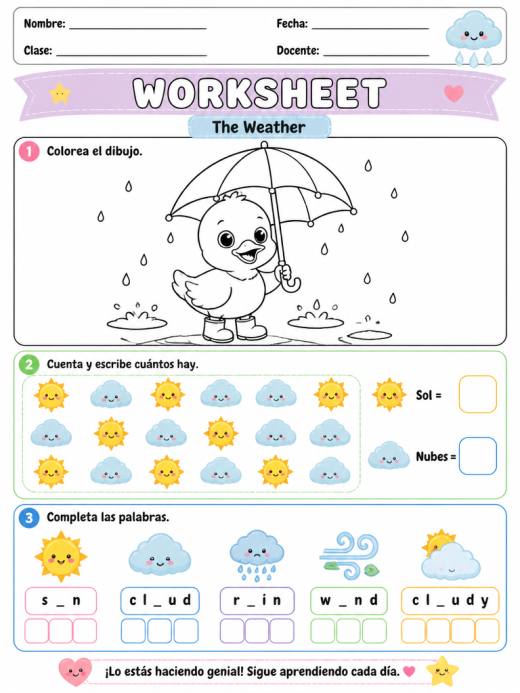
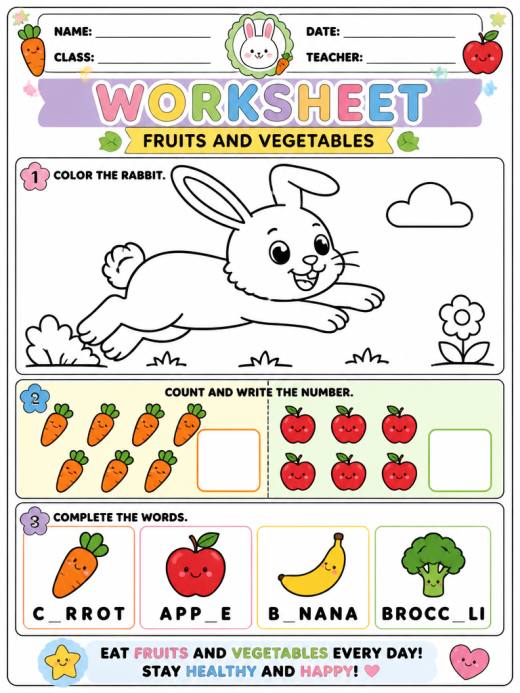
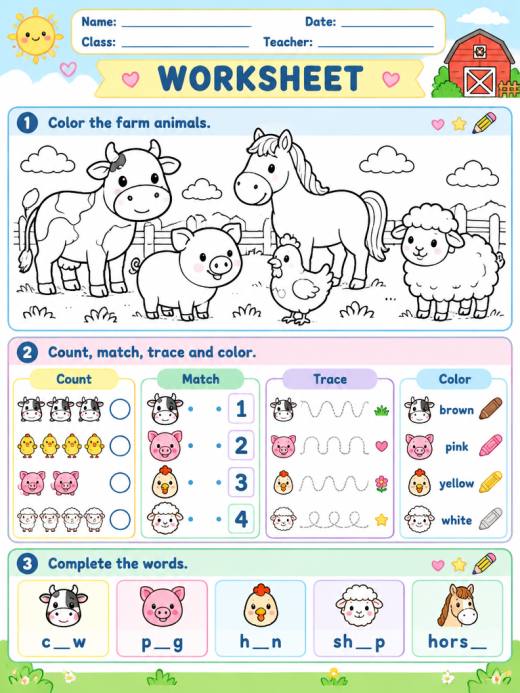
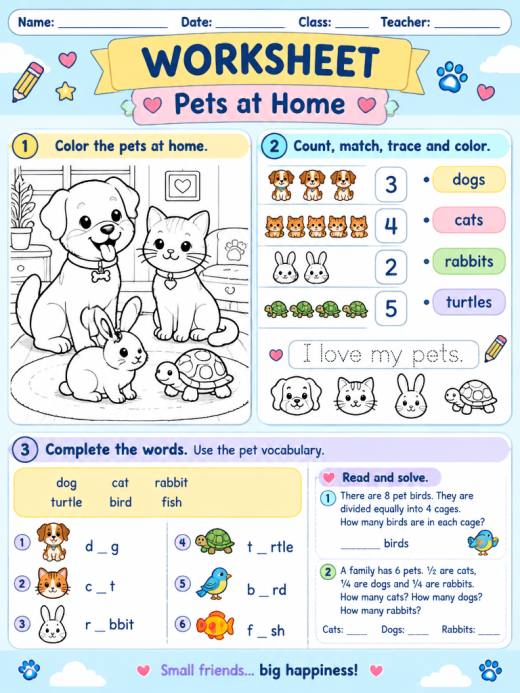
Mira lo que los maestros ya crearon con Hoja de Trabajo Infantil

Tu planeación, en un vistazo
Una ruta clara para llevar el proyecto «Valoro la democracia y su historia» al aula y adaptarlo a las necesidades de tu grupo.
Ver contexto pedagógico, adaptaciones y materiales
Esta planeación didáctica por proyectos está pensada para sexto grado, Fase 5, durante la semana 10 de noviembre del ciclo escolar 2026–2027. El proyecto «Valoro la democracia y su historia» tiene como propósito develop students’ oral, written, and creative expression as they explore the project “I Value Democracy and Its History.” Consolidate their ability to recognize sequence, simultaneity, and duration when reading autobiographical texts, while using the project’s source material faithfully. La secuencia parte del contexto del grupo para convertir sus experiencias, preguntas y saberes previos en oportunidades de aprendizaje significativo.
La propuesta se desarrolla mediante project-based learning through collaborative classroom inquiry, discussion, and writing. y articula principalmente el campo formativo los campos formativos de la Nueva Escuela Mexicana. El contenido central aborda narration of past and present events. Los PDA describen estos aprendizajes: students read autobiographical texts and identify temporal relationships of sequence, simultaneity, and duration. Students communicate ideas orally, in writing, and creatively by organizing events and reflections with clear temporal relationships. Las actividades se distribuyen por día con momentos de inicio, desarrollo y cierre, de modo que el docente pueda observar avances, recuperar producciones y ajustar la intervención sin perder el sentido del proyecto.
El producto final será revised first-person classroom account with an illustrated sequence of events. La evaluación es formativa y considera participación, procesos, producciones y reflexión del alumnado. Se sugieren recursos como notebook, Board, Markers, Notebook, Pencils, Highlighters, Students’ written accounts, Notebook, Pencils, Plain paper, Pencils, Colored pencils, Students’ written accounts, Students’ written accounts, Illustrated event sequences, Notebook. Para atender distintos ritmos de aprendizaje, ofrece apoyos visuales, consignas breves, opciones de respuesta oral o gráfica y acompañamiento entre pares. El documento puede descargarse en Word editable o en PDF listo para imprimir. Ambas versiones permiten adecuar tiempos, materiales, lenguaje, apoyos y evidencias a las necesidades reales de cada escuela.
Ficha curricular de la planeación
Consulta primero los elementos de la NEM. Después encontrarás la secuencia completa organizada por día.
Datos generales y propósito del proyecto
Ciclo escolar 2026–2027 · Fase 5.
Propósito: Develop students’ oral, written, and creative expression as they explore the project “I Value Democracy and Its History.” Consolidate their ability to recognize sequence, simultaneity, and duration when reading autobiographical texts, while using the project’s source material faithfully.
Metodología: Project-based learning through collaborative classroom inquiry, discussion, and writing.
Contenido
Narration of past and present events.
Proceso de Desarrollo de Aprendizaje (PDA)
Students read autobiographical texts and identify temporal relationships of sequence, simultaneity, and duration. Students communicate ideas orally, in writing, and creatively by organizing events and reflections with clear temporal relationships.
Ejes articuladores oficiales
Inclusión, Pensamiento crítico
Producto final
Revised first-person classroom account with an illustrated sequence of events.
Evaluacion formativa
Ver criterios y evidencias
The student reads an autobiographical account and identifies temporal relationships of sequence, simultaneity, and duration using evidence from the text. The written account presents real events in a coherent order and uses temporal language accurately. The student communicates the account orally with clear diction, relevant details, and an understandable progression of ideas. The illustrated sequence corresponds to the written account and makes its temporal relationships understandable. The student uses peer feedback to revise the clarity and organization of the account.
Materiales
Ver lista completa
Notebook, Board, Markers, Notebook, Pencils, Highlighters, Students’ written accounts, Notebook, Pencils, Plain paper, Pencils, Colored pencils, Students’ written accounts, Students’ written accounts, Illustrated event sequences, Notebook
Adaptaciones para el grupo
Para atender distintos ritmos de aprendizaje, ofrece apoyos visuales, consignas breves, opciones de respuesta oral o gráfica y acompañamiento entre pares.
Desarrollo completo de la planeación
Aquí comienza la organización diaria con inicio, desarrollo, cierre, recursos y evidencias. El contenido y el PDA ya están separados en la ficha anterior.
Valoro la democracia y su historia
Semana: Semana 10 — Noviembre
Languages
Metodología: Project-based learning through collaborative classroom inquiry, discussion, and writing.
Propósito: Develop students’ oral, written, and creative expression as they explore the project “I Value Democracy and Its History.” Consolidate their ability to recognize sequence, simultaneity, and duration when reading autobiographical texts, while using the project’s source material faithfully.
Ejes articuladores
- Inclusión
- Pensamiento crítico
| Campo formativo | Contenido | PDA |
|---|---|---|
| Languages | Narration of past and present events. | Students read autobiographical texts and identify temporal relationships of sequence, simultaneity, and duration. Students communicate ideas orally, in writing, and creatively by organizing events and reflections with clear temporal relationships. |
| Día | Secuencia de actividades | Recursos |
|---|---|---|
| Monday | Begin by inviting students to connect the project title, “I Value Democracy and Its History,” with decisions and agreements made within the classroom group; clarify that the week’s work will develop oral, written, and creative expression through the official project, without adding activities that change its content. Explain that the supplied excerpt from page 192 concerns a different project about biodiversity, so it cannot be presented as a democracy activity or used as evidence for the democracy project. Ask students to describe orally what they understand by a shared classroom decision, then record their ideas in their notebooks as brief statements about past and present experiences. Guide them to distinguish what happened first, what occurred at the same time, and how long an event lasted, and close by listening for clear sequencing and respectful participation. | Notebook, Board, Markers |
| Tuesday | Invite students to examine how a personal account can make the history of an idea understandable, and explain that the selected learning process calls for reading autobiographical texts and identifying temporal relationships. Since the provided book extract contains no autobiographical text about democracy and includes only a biodiversity project excerpt on page 192, do not attribute a democracy reading or exercises to that page. Instead, have students reread the notes they wrote on Monday and shape them into a short first-person account of a real classroom decision, preserving its actual events rather than inventing historical facts. Ask partners to mark words that signal sequence, simultaneity, or duration, then use their observations to revise the account for clarity and accurate time relationships. | Notebook, Pencils, Highlighters |
| Wednesday | Place students’ developing accounts at the center of a collaborative oral-language workshop by asking each writer to share one moment that changed or clarified their understanding of classroom decision-making. Have listeners identify whether the speaker presents events in sequence, describes events happening simultaneously, or indicates how long an experience continued; encourage them to support their observations with words or details from the account. The available official extract for page 192 directs students to revisit a biodiversity drawing and reflect on changes in their initial understanding, but it does not provide democracy content, so do not recast that exercise as a democracy task. Conclude with a brief peer response focused on audible delivery, specific details, and accurate temporal connections, and have each student note one revision to make. | Students’ written accounts, Notebook, Pencils |
| Thursday | Offer students a creative way to make the temporal structure of their own classroom account visible by having them arrange its real events in a simple illustrated sequence, adding a clear indication wherever two events occurred at the same time or an experience continued over a period. Keep the work grounded in the students’ accounts and in the stated learning process; do not claim that the supplied page 192 instructions about a biodiversity letter, images, or a time capsule belong to the democracy project. As students draft, confer with them about whether each illustration matches the written event and whether the temporal wording is precise. Invite classmates to view the drafts and ask one clarifying question, then have authors record a final adjustment based on the feedback. | Plain paper, Pencils, Colored pencils, Students’ written accounts |
| Friday | Conclude the week with a classroom sharing session in which students present their revised first-person accounts and illustrated event sequences, explaining how their organization communicates what happened first, what took place simultaneously, and how long an event lasted. Refer to the book source accurately: the only supplied extract is page 192, and its directions concern biodiversity rather than “I Value Democracy and Its History”; therefore, do not cite it as the source of democracy activities or invent pages 193–207. After each presentation, invite a brief, evidence-based response about clarity, oral expression, and the accuracy of the temporal relationships, then ask students to write one reflection on how revision strengthened their communication. Collect the accounts and illustrations as the week’s evidence of learning. | Students’ written accounts, Illustrated event sequences, Notebook |
Producto: Revised first-person classroom account with an illustrated sequence of events.
Instrumento de evaluación de contenidos, PDA y producto del proyecto:
| Criterios de evaluación | Logrado | En proceso | Falta por consolidar |
|---|---|---|---|
| The student reads an autobiographical account and identifies temporal relationships of sequence, simultaneity, and duration using evidence from the text | |||
| The written account presents real events in a coherent order and uses temporal language accurately | |||
| The student communicates the account orally with clear diction, relevant details, and an understandable progression of ideas | |||
| The illustrated sequence corresponds to the written account and makes its temporal relationships understandable | |||
| The student uses peer feedback to revise the clarity and organization of the account |
Antes de descargar
Datos, propósito y contenidos
- Develop students’ oral, written, and creative expression as they explore the project “I Value Democracy and Its History.” Conso?
- Narration of past and present events.
Actividades, producto y evaluación
- Notebook, Board, Markers, Notebook, Pencils, Highlighters, Students’ written accounts, Notebook, Pencils, Plain paper, Pencils,?
- Revised first-person classroom account with an illustrated sequence of events.
Tu material está listo para descargar
Elige Word, PDF o anexos desde un solo lugar.
Mira lo que los maestros ya crearon con Hoja de Trabajo Infantil
Preguntas frecuentes sobre esta planeación
¿Para qué grado y semanas está diseñada esta planeación?
Está diseñada para sexto grado, la semana 10 de noviembre de 2026, dentro del ciclo escolar 2026–2027.
¿Qué metodología utiliza la planeación?
La secuencia utiliza project-based learning through collaborative classroom inquiry, discussion, and writing. y organiza actividades situadas con evidencias y un producto final.
¿La planeación incluye contenidos y PDA de la NEM?
Sí. Incluye el campo formativo, el contenido, el proceso de desarrollo de aprendizaje, actividades y evaluación formativa alineados con la NEM.
¿Puedo editar y adaptar el archivo?
Sí. La versión Word es editable para ajustar actividades, materiales, apoyos, tiempos y evidencias. El PDF está listo para imprimir.
