
Planeación didáctica por proyectos de quinto grado — Semana 9 de noviembre 2026: Pensamos y protegemos la biodiversidad en México
 ChannelKids
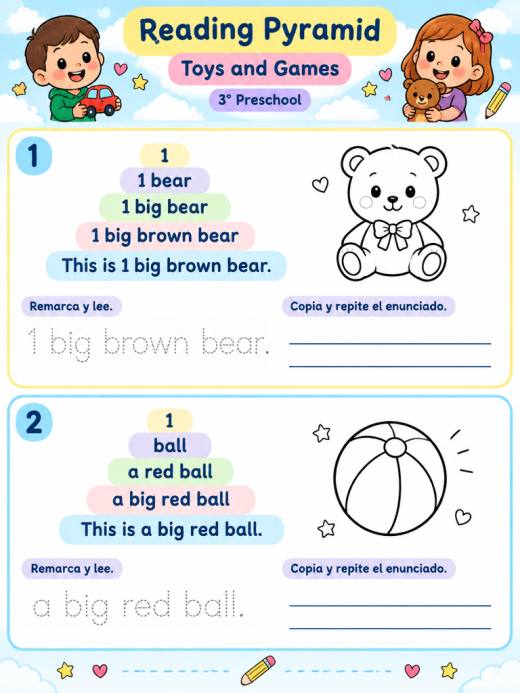
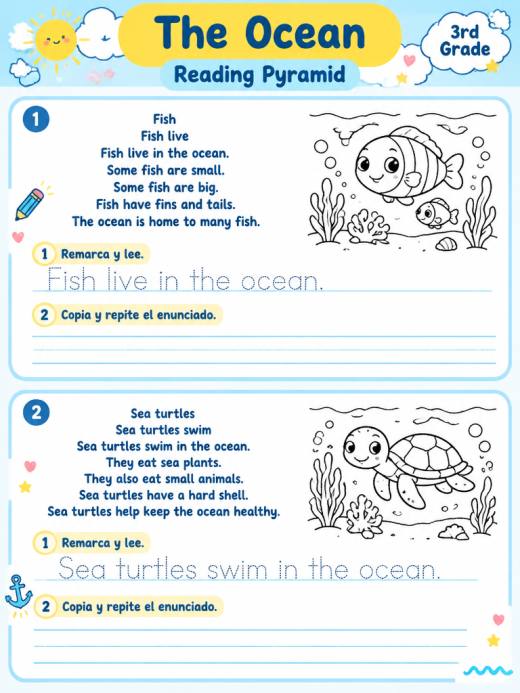
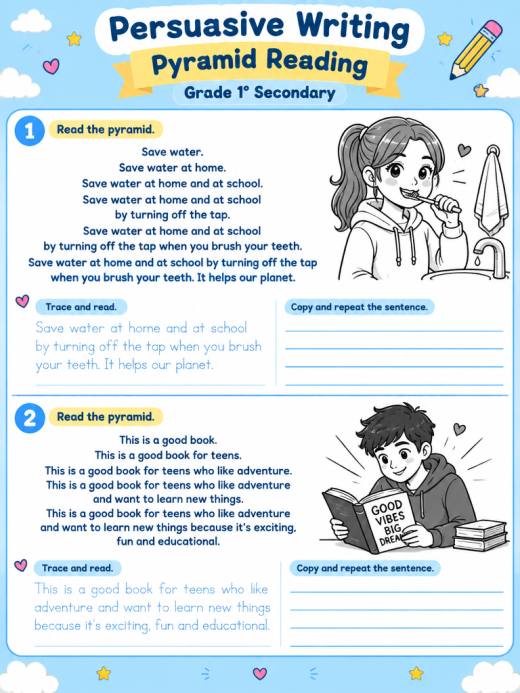
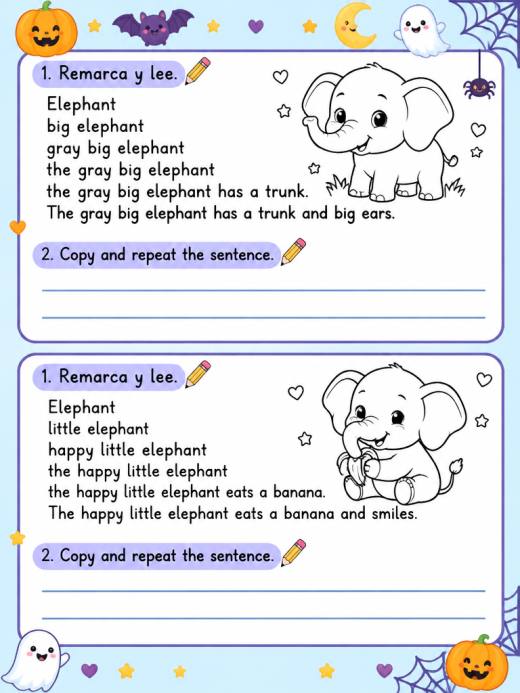
Mira lo que los maestros ya crearon con Pirámide de la Lectura

Tu planeación, en un vistazo
Una ruta clara para llevar el proyecto «Pensamos y protegemos la biodiversidad en México» al aula y adaptarlo a las necesidades de tu grupo.
Ver contexto pedagógico, adaptaciones y materiales
Esta planeación didáctica por proyectos está pensada para quinto grado, Fase 5, durante la semana 9 de noviembre del ciclo escolar 2026–2027. El proyecto «Pensamos y protegemos la biodiversidad en México» tiene como propósito students will develop oral, written, and creative expression by examining biodiversity in Mexico, biocultural practices, and human actions that affect ecosystems. They will use narrative strategies to create and present a story that encourages reflection and proposes ways to protect biodiversity. La secuencia parte del contexto del grupo para convertir sus experiencias, preguntas y saberes previos en oportunidades de aprendizaje significativo.
La propuesta se desarrolla mediante project-based learning, organized around the official classroom project and its sequence of reading, inquiry, narrative creation, presentation, and reflection. y articula principalmente el campo formativo los campos formativos de la Nueva Escuela Mexicana. El contenido central aborda narration of past and present events. Los PDA describen estos aprendizajes: students recognize and use diverse narrative styles, resources, and strategies to develop a story about a biocultural region or Indigenous culture that includes a proposal for protecting biodiversity. Students organize narrative elements, including characters, narrator, actions, time, and setting, and use oral expression, gestures, movement, and illustrations to communicate their story and encourage reflection on biodiversity. Las actividades se distribuyen por día con momentos de inicio, desarrollo y cierre, de modo que el docente pueda observar avances, recuperar producciones y ajustar la intervención sin perder el sentido del proyecto.
El producto final será illustrated biodiversity-protection story and oral presentation. La evaluación es formativa y considera participación, procesos, producciones y reflexión del alumnado. Se sugieren recursos como notebook, Official textbook, Projects for the Classroom, pp. 188–190, Pencils, Notebook, Official textbook, Projects for the Classroom, pp. 190–191, Pencils, Dictionary or teacher-selected reference materials, Notebook, Official textbook, Projects for the Classroom, pp. 192–195, Dictionary, Teacher-approved reference materials, Notebook, Official textbook, Projects for the Classroom, pp. 195–196 and 198–201, Pencils, Teacher-approved reference materials, Notebook, Official textbook, Projects for the Classroom, pp. 202–205, Writing paper, Pencils, Colored pencils or crayons. Para atender distintos ritmos de aprendizaje, ofrece apoyos visuales, consignas breves, opciones de respuesta oral o gráfica y acompañamiento entre pares. El documento puede descargarse en Word editable o en PDF listo para imprimir. Ambas versiones permiten adecuar tiempos, materiales, lenguaje, apoyos y evidencias a las necesidades reales de cada escuela.
Ficha curricular de la planeación
Consulta primero los elementos de la NEM. Después encontrarás la secuencia completa organizada por día.
Datos generales y propósito del proyecto
Ciclo escolar 2026–2027 · Fase 5.
Propósito: Students will develop oral, written, and creative expression by examining biodiversity in Mexico, biocultural practices, and human actions that affect ecosystems. They will use narrative strategies to create and present a story that encourages reflection and proposes ways to protect biodiversity.
Metodología: Project-Based Learning, organized around the official classroom project and its sequence of reading, inquiry, narrative creation, presentation, and reflection.
Contenido
Narration of past and present events.
Proceso de Desarrollo de Aprendizaje (PDA)
Students recognize and use diverse narrative styles, resources, and strategies to develop a story about a biocultural region or Indigenous culture that includes a proposal for protecting biodiversity. Students organize narrative elements, including characters, narrator, actions, time, and setting, and use oral expression, gestures, movement, and illustrations to communicate their story and encourage reflection on biodiversity.
Ejes articuladores oficiales
Inclusión, Pensamiento crítico
Producto final
Illustrated biodiversity-protection story and oral presentation
Evaluacion formativa
Ver criterios y evidencias
The student organizes a coherent story with a narrator, characters, actions, time, and setting. The story represents a biocultural region or Indigenous culture respectfully and connects its details to biodiversity. The student includes a specific, relevant proposal for protecting biodiversity and develops events that encourage reflection. The student communicates the story orally with clear diction, appropriate pacing, and expressive voice or gestures. The student uses illustrations and responds to classmates’ stories by identifying and explaining their protection proposals.
Materiales
Ver lista completa
Notebook, Official textbook, Projects for the Classroom, pp. 188–190, Pencils, Notebook, Official textbook, Projects for the Classroom, pp. 190–191, Pencils, Dictionary or teacher-selected reference materials, Notebook, Official textbook, Projects for the Classroom, pp. 192–195, Dictionary, Teacher-approved reference materials, Notebook, Official textbook, Projects for the Classroom, pp. 195–196 and 198–201, Pencils, Teacher-approved reference materials, Notebook, Official textbook, Projects for the Classroom, pp. 202–205, Writing paper, Pencils, Colored pencils or crayons
Adaptaciones para el grupo
Para atender distintos ritmos de aprendizaje, ofrece apoyos visuales, consignas breves, opciones de respuesta oral o gráfica y acompañamiento entre pares.
Desarrollo completo de la planeación
Aquí comienza la organización diaria con inicio, desarrollo, cierre, recursos y evidencias. El contenido y el PDA ya están separados en la ficha anterior.
Pensamos y protegemos la biodiversidad en México
Semana: Semana 9 — Noviembre
Languages
Metodología: Project-Based Learning, organized around the official classroom project and its sequence of reading, inquiry, narrative creation, presentation, and reflection.
Propósito: Students will develop oral, written, and creative expression by examining biodiversity in Mexico, biocultural practices, and human actions that affect ecosystems. They will use narrative strategies to create and present a story that encourages reflection and proposes ways to protect biodiversity.
Ejes articuladores
- Inclusión
- Pensamiento crítico
| Campo formativo | Contenido | PDA |
|---|---|---|
| Languages | Narration of past and present events. | Students recognize and use diverse narrative styles, resources, and strategies to develop a story about a biocultural region or Indigenous culture that includes a proposal for protecting biodiversity. Students organize narrative elements, including characters, narrator, actions, time, and setting, and use oral expression, gestures, movement, and illustrations to communicate their story and encourage reflection on biodiversity. |
| Día | Secuencia de actividades | Recursos |
|---|---|---|
| Monday | To introduce the project through a specific literary situation, ask students to read the opening of “A Fire in the Forest” individually and identify how the narrator, animal characters, setting, and dialogue establish the story’s conflict (pp. 188–189). Invite them to explain orally what the forest’s inhabitants fear and which human actions may threaten the habitat. Then have each student write one positive and one negative possible ending, following the book’s prompt, and answer the questions about effects on plants and animals and advice for forest visitors (p. 190). Bring the class together to compare how different endings change the message; assess whether students use connected events, clear language, and evidence from the reading to express their ideas about protecting biodiversity. | Notebook, Official textbook, Projects for the Classroom, pp. 188–190, Pencils |
| Tuesday | Begin with students’ observations of animals represented in the textbook, asking them to distinguish animals they have seen from those they know only through images and descriptions. Guide them in making the book’s requested list and discussing Mexico’s biodiversity and endemic species (p. 190). Next, direct small groups to investigate the listed forms of nature commodification—such as exotic-animal sales, privatization of natural resources, deforestation for crops, food overproduction, and environmental tourism—and record a definition and example for each in the textbook table (p. 191). Have students share one finding orally and explain how it could affect biodiversity; provide formative feedback on the accuracy of information, clarity of explanations, and use of specific examples. | Notebook, Official textbook, Projects for the Classroom, pp. 190–191, Pencils, Dictionary or teacher-selected reference materials |
| Wednesday | Use the contrast between harmful practices and protective traditions to focus the class on biocultural knowledge. Ask students to consult age-appropriate reference materials and record the meanings of “biocultural” and “biocultural practice” in their notebooks, as directed in the book (p. 192). Continue by having pairs research the deer dance and jaguar dance, completing the textbook table with descriptions, clothing, meanings, regions, and Indigenous cultures associated with each tradition; then discuss how these dances represent relationships with nature (pp. 192–193). Extend the inquiry to chinampas: students consult a dictionary or reference source, describe their uses and current regions, and consider whether they can support biodiversity and sustainable agriculture (pp. 194–195). Check that students distinguish sourced information from opinion and support their oral responses with details. | Notebook, Official textbook, Projects for the Classroom, pp. 192–195, Dictionary, Teacher-approved reference materials |
| Thursday | Invite students to examine how places and practices change over time, connecting the book’s examples to the story they will create. First, guide them in defining the criteria used to describe biocultural regions and researching the nearest such region, its Indigenous or pre-Hispanic culture, and languages, using the textbook prompts and reference sources (pp. 195–196). Then have groups compare the historical images and descriptions of the Columbus Monument and Caleta Beach, writing observations about changes and environmental effects (pp. 198–199). Ask students to classify practices that benefit or harm biodiversity and discuss which harmful practices are hardest to change, drawing on the book’s examples (pp. 200–201). Close by having each student select a relevant setting, cultural detail, and environmental conflict for a story; assess the relevance and clarity of these narrative choices. | Notebook, Official textbook, Projects for the Classroom, pp. 195–196 and 198–201, Pencils, Teacher-approved reference materials |
| Friday | With students’ research and story plans in view, guide each student in drafting a tale that presents a biocultural region or Indigenous culture and includes a proposal to protect biodiversity, while respecting traditions and ways of thinking (p. 202). Remind writers to include a narrator, principal and secondary characters, actions, time, setting, and illustrations, and to shape the story so that it invites reflection. Organize classroom practice of the stories, coaching students to use voice, gestures, movement, and expression to hold listeners’ interest; then facilitate presentations and have classmates record the protection proposals they hear (pp. 202–203). Conclude with individual reflection on the project and a class discussion of which proposals are practicable in the classroom, recording agreements for caring for nature; assess narrative organization, oral clarity, and the connection between each proposal and biodiversity (pp. 204–205). | Notebook, Official textbook, Projects for the Classroom, pp. 202–205, Writing paper, Pencils, Colored pencils or crayons |
Producto: Illustrated biodiversity-protection story and oral presentation
Instrumento de evaluación de contenidos, PDA y producto del proyecto:
| Criterios de evaluación | Logrado | En proceso | Falta por consolidar |
|---|---|---|---|
| The student organizes a coherent story with a narrator, characters, actions, time, and setting | |||
| The story represents a biocultural region or Indigenous culture respectfully and connects its details to biodiversity | |||
| The student includes a specific, relevant proposal for protecting biodiversity and develops events that encourage reflection | |||
| The student communicates the story orally with clear diction, appropriate pacing, and expressive voice or gestures | |||
| The student uses illustrations and responds to classmates’ stories by identifying and explaining their protection proposals |
Antes de descargar
Datos, propósito y contenidos
- Students will develop oral, written, and creative expression by examining biodiversity in Mexico, biocultural practices, and hu?
- Narration of past and present events.
Actividades, producto y evaluación
- Notebook, Official textbook, Projects for the Classroom, pp. 188–190, Pencils, Notebook, Official textbook, Projects for the Cl?
- Illustrated biodiversity-protection story and oral presentation
Tu material está listo para descargar
Elige Word, PDF o anexos desde un solo lugar.
Mira lo que los maestros ya crearon con Pirámide de la Lectura
Preguntas frecuentes sobre esta planeación
¿Para qué grado y semanas está diseñada esta planeación?
Está diseñada para quinto grado, la semana 9 de noviembre de 2026, dentro del ciclo escolar 2026–2027.
¿Qué metodología utiliza la planeación?
La secuencia utiliza project-based learning, organized around the official classroom project and its sequence of reading, inquiry, narrative creation, presentation, and reflection. y organiza actividades situadas con evidencias y un producto final.
¿La planeación incluye contenidos y PDA de la NEM?
Sí. Incluye el campo formativo, el contenido, el proceso de desarrollo de aprendizaje, actividades y evaluación formativa alineados con la NEM.
¿Puedo editar y adaptar el archivo?
Sí. La versión Word es editable para ajustar actividades, materiales, apoyos, tiempos y evidencias. El PDF está listo para imprimir.
