
Planeación didáctica por proyectos de cuarto grado — Semana 12 de noviembre 2026: Las necesidades básicas de hoy y de ayer
 ChannelKids
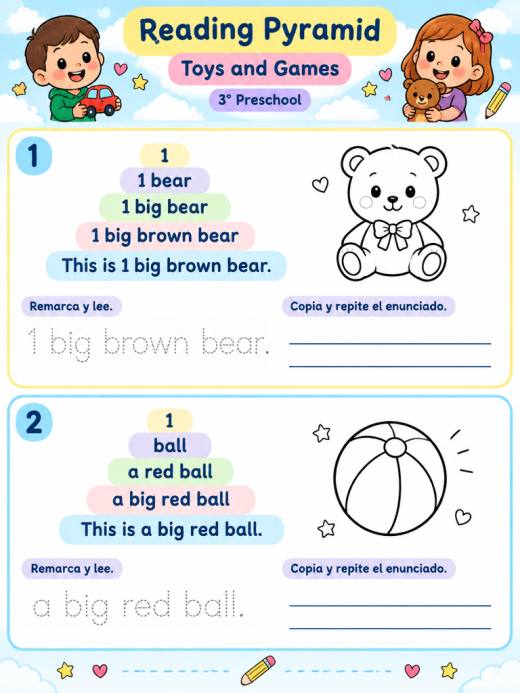
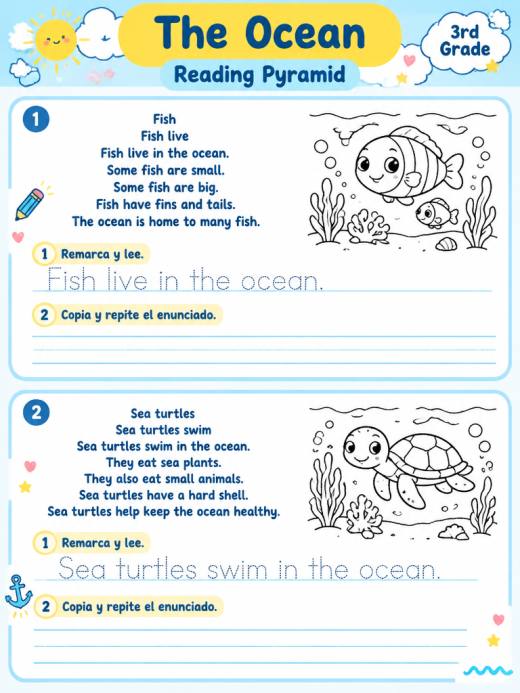
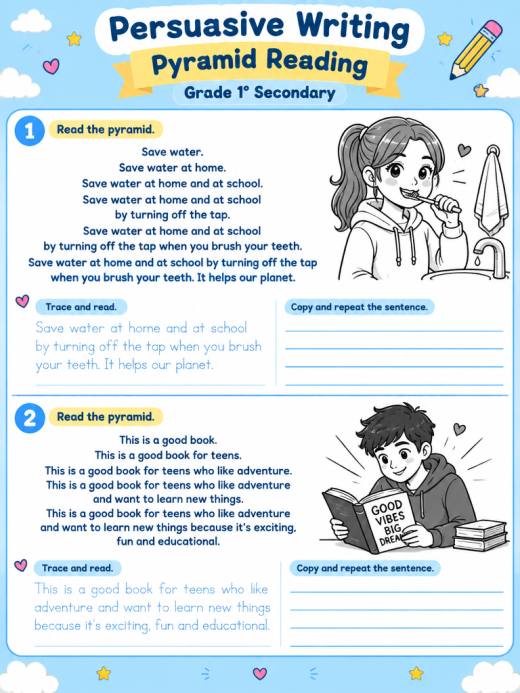
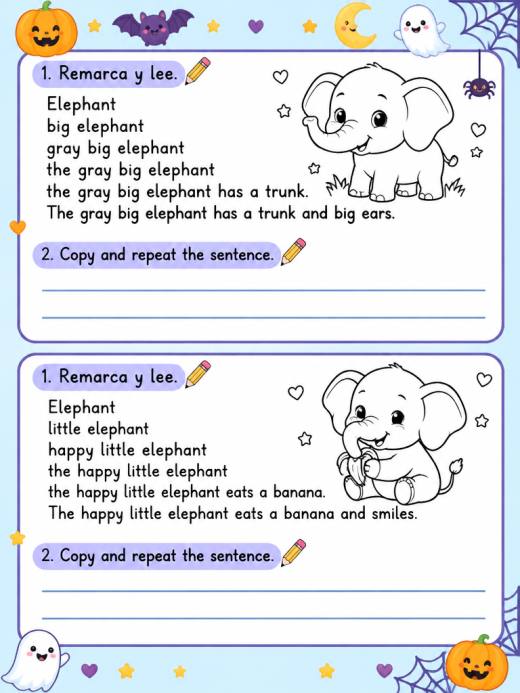
Mira lo que los maestros ya crearon con Pirámide de la Lectura

Tu planeación, en un vistazo
Una ruta clara para llevar el proyecto «Las necesidades básicas de hoy y de ayer» al aula y adaptarlo a las necesidades de tu grupo.
Ver contexto pedagógico, adaptaciones y materiales
Esta planeación didáctica por proyectos está pensada para cuarto grado, Fase 4, durante la semana 12 de noviembre del ciclo escolar 2026–2027. El proyecto «Las necesidades básicas de hoy y de ayer» tiene como propósito students will develop oral, written, and creative expression by narrating and comparing how social groups met basic needs in different historical periods. They will communicate their findings through the classroom museum exhibition described in the official textbook project. La secuencia parte del contexto del grupo para convertir sus experiencias, preguntas y saberes previos en oportunidades de aprendizaje significativo.
La propuesta se desarrolla mediante project-based learning y articula principalmente el campo formativo los campos formativos de la Nueva Escuela Mexicana. El contenido central aborda narration of events from the past and present. Los PDA describen estos aprendizajes: students recognize and use narrative styles, resources, and strategies to explain how social organization and the satisfaction of basic needs changed across the historical periods investigated. Students communicate historical information orally and in writing, distinguishing similarities, differences, and injustices between the past and present while supporting their explanations with images and models. Las actividades se distribuyen por día con momentos de inicio, desarrollo y cierre, de modo que el docente pueda observar avances, recuperar producciones y ajustar la intervención sin perder el sentido del proyecto.
El producto final será classroom museum exhibition with historical narratives and a written reflection. La evaluación es formativa y considera participación, procesos, producciones y reflexión del alumnado. Se sugieren recursos como notebook, Textbook, p. 210, Textbook, p. 211, Notebook, Textbook, p. 212, Textbook, p. 213, Classroom library books, Board and markers, Notebook, Textbook, p. 214, Research notes, Pencils, Notebook, Textbook, p. 215, Textbook, p. 216, Research notes, Reusable paper, Pencils, Textbook, p. 217, Textbook, p. 218, Textbook, p. 219, Textbook, p. 220, Textbook, p. 221, Cardboard, Reusable paper, Colored modeling clay, Colored paper, Scissors, Markers, White glue, Red ribbon, Classroom tables, Chart paper, Notebook. Para atender distintos ritmos de aprendizaje, ofrece apoyos visuales, consignas breves, opciones de respuesta oral o gráfica y acompañamiento entre pares. El documento puede descargarse en Word editable o en PDF listo para imprimir. Ambas versiones permiten adecuar tiempos, materiales, lenguaje, apoyos y evidencias a las necesidades reales de cada escuela.
Ficha curricular de la planeación
Consulta primero los elementos de la NEM. Después encontrarás la secuencia completa organizada por día.
Datos generales y propósito del proyecto
Ciclo escolar 2026–2027 · Fase 4.
Propósito: Students will develop oral, written, and creative expression by narrating and comparing how social groups met basic needs in different historical periods. They will communicate their findings through the classroom museum exhibition described in the official textbook project.
Metodología: Project-Based Learning
Contenido
Narration of events from the past and present.
Proceso de Desarrollo de Aprendizaje (PDA)
Students recognize and use narrative styles, resources, and strategies to explain how social organization and the satisfaction of basic needs changed across the historical periods investigated. Students communicate historical information orally and in writing, distinguishing similarities, differences, and injustices between the past and present while supporting their explanations with images and models.
Ejes articuladores oficiales
Inclusión, Pensamiento crítico
Producto final
Classroom museum exhibition with historical narratives and a written reflection
Evaluacion formativa
Ver criterios y evidencias
Students produce an organized written account that accurately explains how a selected social group met basic needs in its historical period. Students use time references, connecting words, and relevant details to make past-and-present comparisons understandable. Students present their findings orally with clear diction, an appropriate sequence, and support from the display materials. Students identify historical inequalities and communicate a reasoned proposal for promoting justice in the present. Students complete a reflection that describes how their understanding of basic needs and the right to a dignified life changed.
Materiales
Ver lista completa
Notebook, Textbook, p. 210, Textbook, p. 211, Notebook, Textbook, p. 212, Textbook, p. 213, Classroom library books, Board and markers, Notebook, Textbook, p. 214, Research notes, Pencils, Notebook, Textbook, p. 215, Textbook, p. 216, Research notes, Reusable paper, Pencils, Textbook, p. 217, Textbook, p. 218, Textbook, p. 219, Textbook, p. 220, Textbook, p. 221, Cardboard, Reusable paper, Colored modeling clay, Colored paper, Scissors, Markers, White glue, Red ribbon, Classroom tables, Chart paper, Notebook
Adaptaciones para el grupo
Para atender distintos ritmos de aprendizaje, ofrece apoyos visuales, consignas breves, opciones de respuesta oral o gráfica y acompañamiento entre pares.
Desarrollo completo de la planeación
Aquí comienza la organización diaria con inicio, desarrollo, cierre, recursos y evidencias. El contenido y el PDA ya están separados en la ficha anterior.
Las necesidades básicas de hoy y de ayer
Semana: Semana 12 — Noviembre
Languages
Metodología: Project-Based Learning
Propósito: Students will develop oral, written, and creative expression by narrating and comparing how social groups met basic needs in different historical periods. They will communicate their findings through the classroom museum exhibition described in the official textbook project.
Ejes articuladores
- Inclusión
- Pensamiento crítico
| Campo formativo | Contenido | PDA |
|---|---|---|
| Languages | Narration of events from the past and present. | Students recognize and use narrative styles, resources, and strategies to explain how social organization and the satisfaction of basic needs changed across the historical periods investigated. Students communicate historical information orally and in writing, distinguishing similarities, differences, and injustices between the past and present while supporting their explanations with images and models. |
| Día | Secuencia de actividades | Recursos |
|---|---|---|
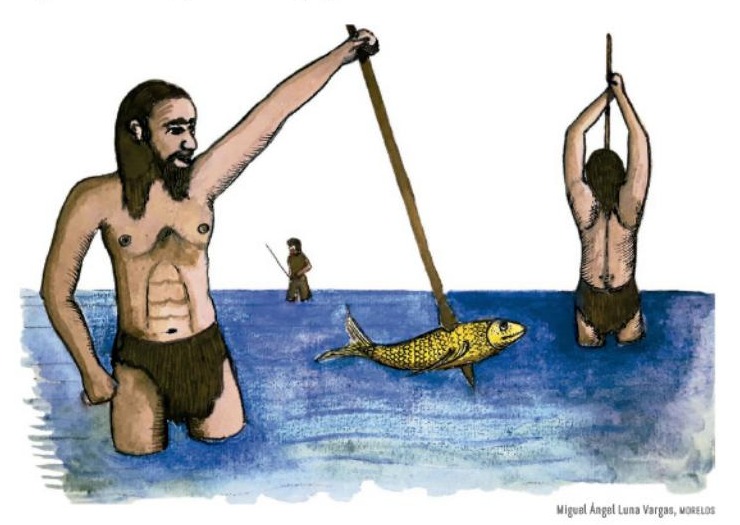
| Monday | Begin by inviting students to consider which basic needs—such as food, clothing, housing, companionship, and learning—must be met for people to live with dignity. Read the opening situation and examine the image in the textbook, then guide students in discussing which needs the people depicted meet and how those needs are met today (p. 210). Have students write brief responses in their notebooks and share them with a partner, encouraging complete sentences and precise words that distinguish past and present. Continue by reading the related questions and organizing a whole-class exchange in which students support their comparisons with details from the image. Conclude by listening for clear oral explanations and checking whether written responses identify both a basic need and a way it is satisfied. | Notebook, Textbook, p. 210, Textbook, p. 211 |
| Tuesday | Use students’ initial comparisons to introduce the idea that ways of meeting needs change with social organization and historical conditions. Read the textbook account of early communities and later agricultural, pastoral, and industrial societies, then lead a brainstorming session about the meaning of a dignified life, the right to a dignified life, and two types of basic needs (p. 212). Record key ideas on the board while students copy and refine them in their notebooks, modeling how to turn spoken contributions into concise written statements. Next, organize the class into research groups focused on Ancient Mexico or the Viceroyalty and direct them to investigate social organization and how different groups met their needs, using the sources named in the book (p. 213). Assess whether students can frame relevant research questions and distinguish an explanation from an unsupported opinion. | Notebook, Textbook, p. 212, Textbook, p. 213, Classroom library books, Board and markers |
| Wednesday | Invite each research group to transform its findings into an organized historical account rather than a collection of disconnected facts. Have students complete the textbook table by recording the historical period, social group, and ways basic physical, security, social, cognitive, and emotional needs were met; allow them to add rows when their evidence requires them (p. 214). As they write, prompt them to use time references and connecting words that make the sequence and relationships understandable, and draw attention to the Indigenous-origin words mentioned in the book that remain in use today (p. 214). Then facilitate group sharing and ask listeners to note one similarity and one difference between the periods presented. Review the table entries for relevance and clarity, and provide feedback on whether each group can explain its evidence orally. | Notebook, Textbook, p. 214, Research notes, Pencils |
| Thursday | Turn the research into a purposeful narrative by asking groups to compare how needs were met in their selected periods and to identify injustices and social groups that were especially vulnerable. Use the questions in the textbook to guide students as they write their main ideas and consider how past and present conditions are alike or different (p. 215). Continue by introducing the classroom museum exhibition as the means of presenting those comparisons and proposing alternatives that promote justice; keep planning within the classroom, adapting the exhibition to the available space and materials (p. 216). Each group should draft an explanation of its social organization and a short account of how its selected group met basic needs. Conclude with peer review focused on factual support, sequence, readable sentences, and respectful language about groups and historical experiences. | Notebook, Textbook, p. 215, Textbook, p. 216, Research notes, Reusable paper, Pencils |
| Friday | Open the final session by asking groups to rehearse how they will guide classmates through the historical displays, using the textbook’s roles and prompts to explain social organization, describe how basic needs were met, and ask visitors to compare those experiences with the present (p. 218). Have students prepare the display materials and written explanations, then arrange the classroom exhibition with a place for each historical period and an introduction presenting the concept of a dignified life, the right to a dignified life, and types of basic needs (pp. 217–219). Groups should present in turn, record classmates’ responses to the question about reducing inequality and promoting justice, and thank their audience. Finish with an individual before-and-after reflection and a class discussion of the proposals that could be put into practice, assessing clarity, narrative sequence, use of evidence, and thoughtful reflection (pp. 220–221). | Textbook, p. 217, Textbook, p. 218, Textbook, p. 219, Textbook, p. 220, Textbook, p. 221, Cardboard, Reusable paper, Colored modeling clay, Colored paper, Scissors, Markers, White glue, Red ribbon, Classroom tables, Chart paper, Notebook |
Producto: Classroom museum exhibition with historical narratives and a written reflection
Instrumento de evaluación de contenidos, PDA y producto del proyecto:
| Criterios de evaluación | Logrado | En proceso | Falta por consolidar |
|---|---|---|---|
| Students produce an organized written account that accurately explains how a selected social group met basic needs in its historical period | |||
| Students use time references, connecting words, and relevant details to make past-and-present comparisons understandable | |||
| Students present their findings orally with clear diction, an appropriate sequence, and support from the display materials | |||
| Students identify historical inequalities and communicate a reasoned proposal for promoting justice in the present | |||
| Students complete a reflection that describes how their understanding of basic needs and the right to a dignified life changed |
Antes de descargar
Datos, propósito y contenidos
- Students will develop oral, written, and creative expression by narrating and comparing how social groups met basic needs in di?
- Narration of events from the past and present.
Actividades, producto y evaluación
- Notebook, Textbook, p. 210, Textbook, p. 211, Notebook, Textbook, p. 212, Textbook, p. 213, Classroom library books, Board and ?
- Classroom museum exhibition with historical narratives and a written reflection
Tu material está listo para descargar
Elige Word, PDF o anexos desde un solo lugar.
Mira lo que los maestros ya crearon con Pirámide de la Lectura
Preguntas frecuentes sobre esta planeación
¿Para qué grado y semanas está diseñada esta planeación?
Está diseñada para cuarto grado, la semana 12 de noviembre de 2026, dentro del ciclo escolar 2026–2027.
¿Qué metodología utiliza la planeación?
La secuencia utiliza project-based learning y organiza actividades situadas con evidencias y un producto final.
¿La planeación incluye contenidos y PDA de la NEM?
Sí. Incluye el campo formativo, el contenido, el proceso de desarrollo de aprendizaje, actividades y evaluación formativa alineados con la NEM.
¿Puedo editar y adaptar el archivo?
Sí. La versión Word es editable para ajustar actividades, materiales, apoyos, tiempos y evidencias. El PDF está listo para imprimir.
