
Planeación didáctica por proyectos de tercer grado — Semana 9 de noviembre 2026: Hablemos de higiene en el salón de clases
 ChannelKids
Mira lo que los maestros ya crearon con Hoja de Trabajo Infantil
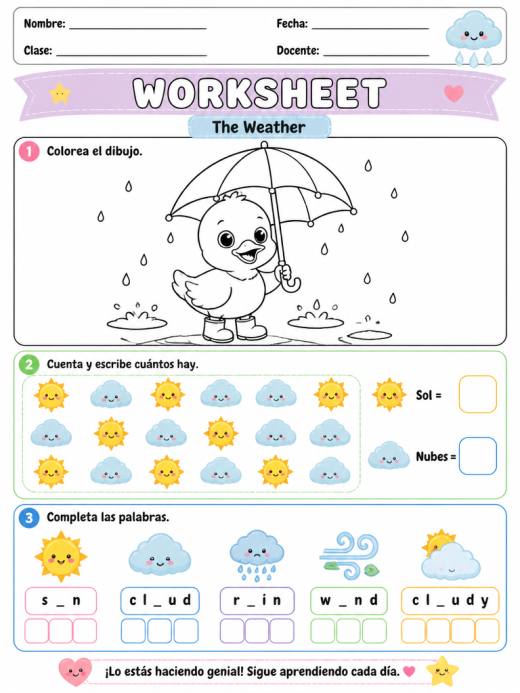
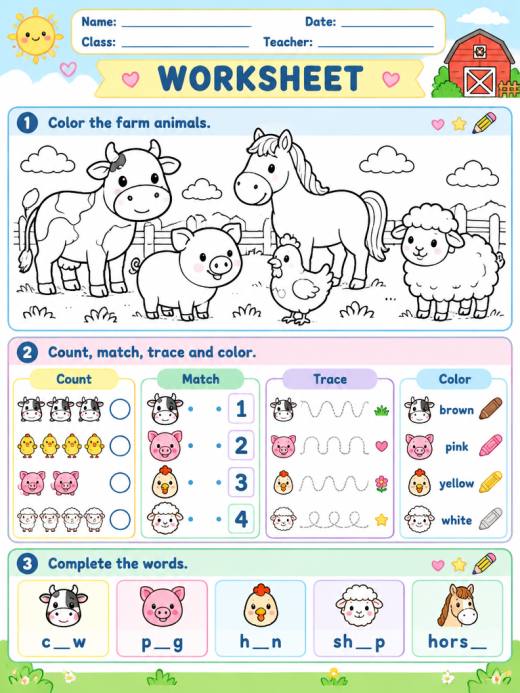
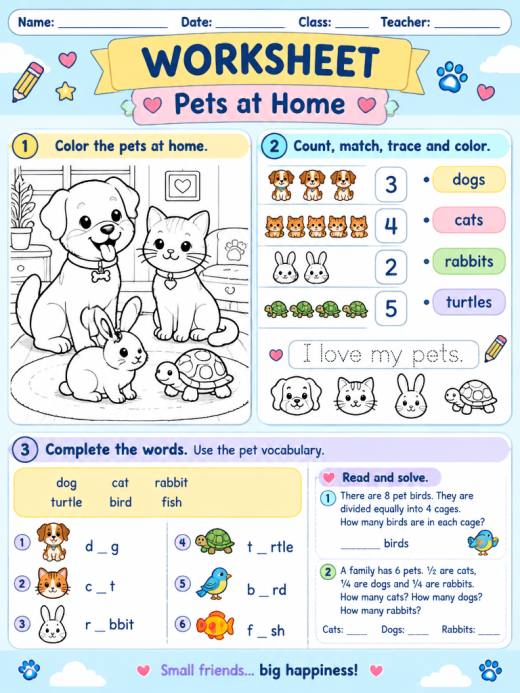
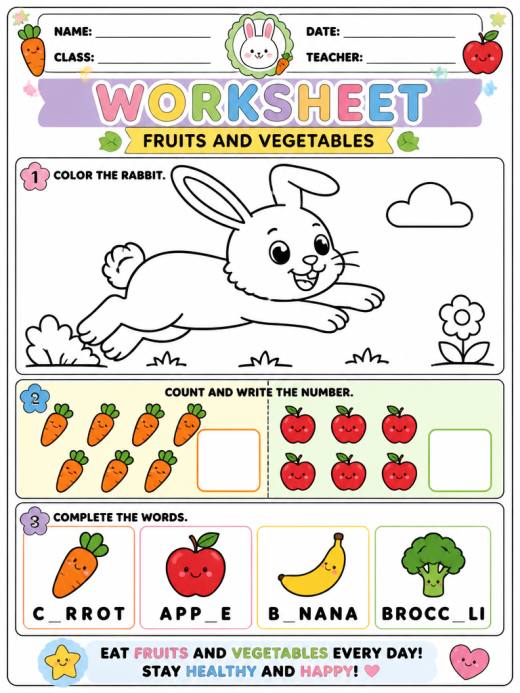

Tu planeación, en un vistazo
Una ruta clara para llevar el proyecto «Hablemos de higiene en el salón de clases» al aula y adaptarlo a las necesidades de tu grupo.
Ver contexto pedagógico, adaptaciones y materiales
Esta planeación didáctica por proyectos está pensada para tercer grado, Fase 4, durante la semana 9 de noviembre del ciclo escolar 2026–2027. El proyecto «Hablemos de higiene en el salón de clases» tiene como propósito strengthen students’ oral, written, and creative expression as they explore classroom hygiene through the project’s drawings, discussions, reading, guided research, and written conclusions. Students will identify and understand the function and main characteristics of narration while communicating hygiene practices and explaining how they help prevent illness. La secuencia parte del contexto del grupo para convertir sus experiencias, preguntas y saberes previos en oportunidades de aprendizaje significativo.
La propuesta se desarrolla mediante service-learning, grounded in the official classroom project and limited to the class group. y articula principalmente el campo formativo los campos formativos de la Nueva Escuela Mexicana. El contenido central aborda narration of past and present events. Los PDA describen estos aprendizajes: students identify and understand the function and main characteristics of narration by recounting hygiene-related events from the past and present. Students communicate ideas about classroom hygiene through clear oral contributions, written responses, and creative representations grounded in the project activities. Las actividades se distribuyen por día con momentos de inicio, desarrollo y cierre, de modo que el docente pueda observar avances, recuperar producciones y ajustar la intervención sin perder el sentido del proyecto.
El producto final será classroom hygiene narrative and reflection record. La evaluación es formativa y considera participación, procesos, producciones y reflexión del alumnado. Se sugieren recursos como notebook, Pencils, Colored pencils, Official textbook, Projects for the Classroom, page 315, Official textbook, Projects for the Classroom, page 316, Notebook, Official textbook, Projects for the Classroom, pages 316–317, Pencils, Notebook, Official textbook, Projects for the Classroom, pages 317–318, Board, Chalk or dry-erase markers, Notebook, Official textbook, Projects for the Classroom, page 318, Available reference book or health pamphlet, if accessible, Teacher-approved government or university website, if accessible, Notebook, Official textbook, Projects for the Classroom, page 319, Pencils. Para atender distintos ritmos de aprendizaje, ofrece apoyos visuales, consignas breves, opciones de respuesta oral o gráfica y acompañamiento entre pares. El documento puede descargarse en Word editable o en PDF listo para imprimir. Ambas versiones permiten adecuar tiempos, materiales, lenguaje, apoyos y evidencias a las necesidades reales de cada escuela.
Ficha curricular de la planeación
Consulta primero los elementos de la NEM. Después encontrarás la secuencia completa organizada por día.
Datos generales y propósito del proyecto
Ciclo escolar 2026–2027 · Fase 4.
Propósito: Strengthen students’ oral, written, and creative expression as they explore classroom hygiene through the project’s drawings, discussions, reading, guided research, and written conclusions. Students will identify and understand the function and main characteristics of narration while communicating hygiene practices and explaining how they help prevent illness.
Metodología: Service-learning, grounded in the official classroom project and limited to the class group.
Contenido
Narration of past and present events.
Proceso de Desarrollo de Aprendizaje (PDA)
Students identify and understand the function and main characteristics of narration by recounting hygiene-related events from the past and present. Students communicate ideas about classroom hygiene through clear oral contributions, written responses, and creative representations grounded in the project activities.
Ejes articuladores oficiales
Inclusión, Pensamiento crítico
Producto final
Classroom hygiene narrative and reflection record.
Evaluacion formativa
Ver criterios y evidencias
Students identify the sequence and key details of the hygiene-related event described in the textbook. Students explain orally how specific hygiene actions can help prevent the spread of illness, using information from the project text or a consulted source. Students communicate ideas in complete, understandable oral and written statements and distinguish narrated events from opinions. Students complete the hygiene comparison and reflection activities with relevant examples and reasoned conclusions. Students listen respectfully, contribute to small-community discussions, and respond constructively to classmates’ ideas.
Materiales
Ver lista completa
Notebook, Pencils, Colored pencils, Official textbook, Projects for the Classroom, page 315, Official textbook, Projects for the Classroom, page 316, Notebook, Official textbook, Projects for the Classroom, pages 316–317, Pencils, Notebook, Official textbook, Projects for the Classroom, pages 317–318, Board, Chalk or dry-erase markers, Notebook, Official textbook, Projects for the Classroom, page 318, Available reference book or health pamphlet, if accessible, Teacher-approved government or university website, if accessible, Notebook, Official textbook, Projects for the Classroom, page 319, Pencils
Adaptaciones para el grupo
Para atender distintos ritmos de aprendizaje, ofrece apoyos visuales, consignas breves, opciones de respuesta oral o gráfica y acompañamiento entre pares.
Desarrollo completo de la planeación
Aquí comienza la organización diaria con inicio, desarrollo, cierre, recursos y evidencias. El contenido y el PDA ya están separados en la ficha anterior.
Hablemos de higiene en el salón de clases
Semana: Semana 9 — Noviembre
Languages
Metodología: Service-learning, grounded in the official classroom project and limited to the class group.
Propósito: Strengthen students’ oral, written, and creative expression as they explore classroom hygiene through the project’s drawings, discussions, reading, guided research, and written conclusions. Students will identify and understand the function and main characteristics of narration while communicating hygiene practices and explaining how they help prevent illness.
Ejes articuladores
- Inclusión
- Pensamiento crítico
| Campo formativo | Contenido | PDA |
|---|---|---|
| Languages | Narration of past and present events. | Students identify and understand the function and main characteristics of narration by recounting hygiene-related events from the past and present. Students communicate ideas about classroom hygiene through clear oral contributions, written responses, and creative representations grounded in the project activities. |
| Día | Secuencia de actividades | Recursos |
|---|---|---|
| Monday | To connect the project with students’ everyday classroom experience, introduce the need for healthy hygiene habits and read the project overview on page 315. Ask each student to draw three hygiene habits practiced at school to care for health, then invite partners to describe when and why they use each habit. As students share, guide them to distinguish a narrated event from a simple list by asking who acted, what happened, and when it happened. Continue with the small-community comparison on page 316: select three actions considered especially important, write them in order of importance, and prepare a reason for the ranking. Close with a brief class discussion in which students explain their choices and receive feedback on clarity, relevant details, and respectful listening. | Notebook, Pencils, Colored pencils, Official textbook, Projects for the Classroom, page 315, Official textbook, Projects for the Classroom, page 316 |
| Tuesday | Invite students to revisit the hygiene actions ranked the previous day and consider how habits practiced at home relate to caring for health in the classroom. Following page 316, have students independently circle the illustrated actions they practice at home, then compare their choices in small communities and discuss any actions left uncircled, why each illustrated practice matters, and how home and school habits may differ. Ask each group to formulate one additional personal hygiene action not shown in the illustrations and record it in the space provided on page 317. Next, read the short account of students who cough and sneeze into their hands and then touch classroom objects; guide students to retell the sequence in their own words, identifying the events that occurred first and later. Assess whether their oral retellings preserve the sequence and explain the connection between actions and illness prevention. | Notebook, Official textbook, Projects for the Classroom, pages 316–317, Pencils |
| Wednesday | Present the classroom illness account as a problem the group can understand through careful reading and evidence-based discussion. Have small communities reread the account on page 317 and answer why more students may have become ill and how transmission might have been prevented; then use the explanation on page 318 to clarify how germs may spread when a person covers a cough or sneeze with a hand and touches people or objects without washing. Direct students to compare the events in the account with the explanation and orally narrate a safer sequence of actions, including handwashing and appropriate cough or sneeze practices. Record the group’s most clearly supported explanations on the board, and close by checking that students distinguish what happened in the account from the preventive actions they propose, using complete sentences and an understandable sequence. | Notebook, Official textbook, Projects for the Classroom, pages 317–318, Board, Chalk or dry-erase markers |
| Thursday | Use students’ questions about contagious illnesses to guide a focused, teacher-supported investigation that remains within the classroom project. On page 318, the book asks students to find information about COVID-19, actions recommended by the health authority to prevent its spread, hygiene habits that help prevent transmission, and other infectious illnesses common in schools; organize small communities to consult an available book, health pamphlet, approved government or university website, or an adult health specialist, as the text suggests. Have students record the source and key information in their notebooks, then prepare a short oral account explaining what the source says and which hygiene actions are relevant to the classroom. Conclude with a group exchange and formative feedback on accurate information, clear sequencing, and the ability to distinguish a source-based fact from a personal opinion. | Notebook, Official textbook, Projects for the Classroom, page 318, Available reference book or health pamphlet, if accessible, Teacher-approved government or university website, if accessible |
| Friday | Bring the week’s learning together by returning to the classroom hygiene actions students identified and the information they gathered. Following page 319, ask each student, with support from a family member, to complete the two-column table by listing hygiene habits practiced at home, underlining those that help prevent illness, and noting habits that could be improved or implemented; use this completed reflection in class to compare similarities and differences without judging families. Facilitate the page’s assembly discussion about why habits may vary and how they can improve, then have students write a concise conclusion and share it with their classroom community. Close by inviting students to narrate one past or present hygiene event and explain its lesson, assessing sequence, relevant details, written clarity, and respectful participation. | Notebook, Official textbook, Projects for the Classroom, page 319, Pencils |
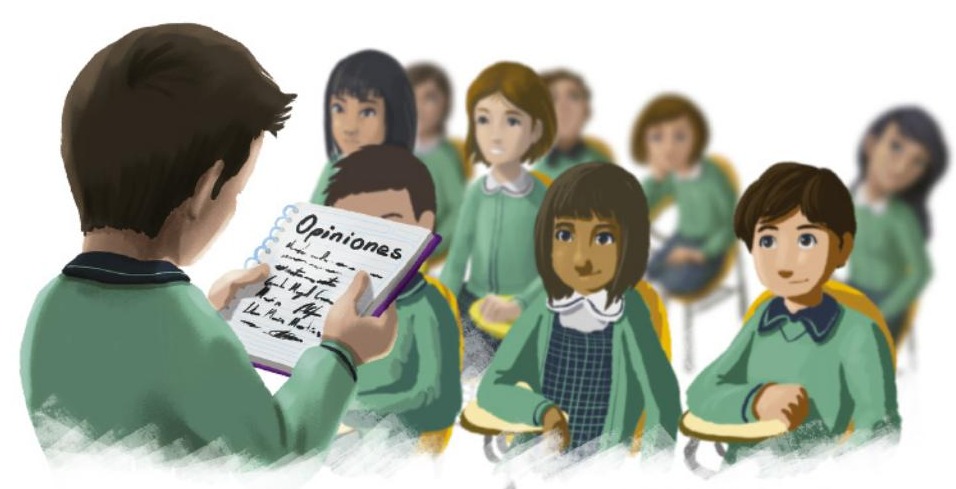
Producto: Classroom hygiene narrative and reflection record.
Instrumento de evaluación de contenidos, PDA y producto del proyecto:
| Criterios de evaluación | Logrado | En proceso | Falta por consolidar |
|---|---|---|---|
| Students identify the sequence and key details of the hygiene-related event described in the textbook | |||
| Students explain orally how specific hygiene actions can help prevent the spread of illness, using information from the project text or a consulted source | |||
| Students communicate ideas in complete, understandable oral and written statements and distinguish narrated events from opinions | |||
| Students complete the hygiene comparison and reflection activities with relevant examples and reasoned conclusions | |||
| Students listen respectfully, contribute to small-community discussions, and respond constructively to classmates’ ideas |
Antes de descargar
Datos, propósito y contenidos
- Strengthen students’ oral, written, and creative expression as they explore classroom hygiene through the project’s drawings, d?
- Narration of past and present events.
Actividades, producto y evaluación
- Notebook, Pencils, Colored pencils, Official textbook, Projects for the Classroom, page 315, Official textbook, Projects for th?
- Classroom hygiene narrative and reflection record.
Tu material está listo para descargar
Elige Word, PDF o anexos desde un solo lugar.
Mira lo que los maestros ya crearon con Hoja de Trabajo Infantil
Preguntas frecuentes sobre esta planeación
¿Para qué grado y semanas está diseñada esta planeación?
Está diseñada para tercer grado, la semana 9 de noviembre de 2026, dentro del ciclo escolar 2026–2027.
¿Qué metodología utiliza la planeación?
La secuencia utiliza service-learning, grounded in the official classroom project and limited to the class group. y organiza actividades situadas con evidencias y un producto final.
¿La planeación incluye contenidos y PDA de la NEM?
Sí. Incluye el campo formativo, el contenido, el proceso de desarrollo de aprendizaje, actividades y evaluación formativa alineados con la NEM.
¿Puedo editar y adaptar el archivo?
Sí. La versión Word es editable para ajustar actividades, materiales, apoyos, tiempos y evidencias. El PDF está listo para imprimir.
