
Planeación didáctica por proyectos de segundo grado — Semana 16 de diciembre 2026: Escribimos nombres y movemos cargas pesadas
 ChannelKids
Mira lo que los maestros ya crearon con Gamificación Educativa
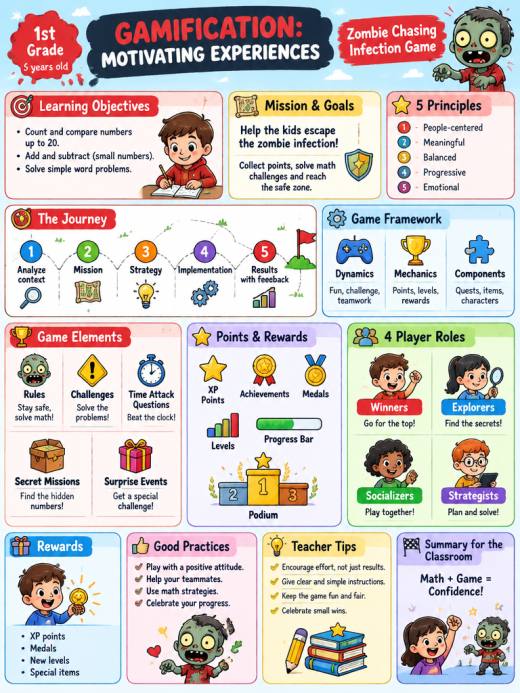
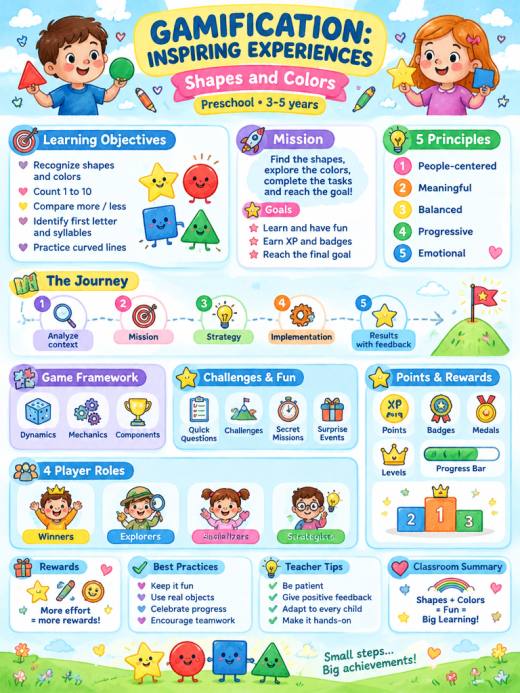
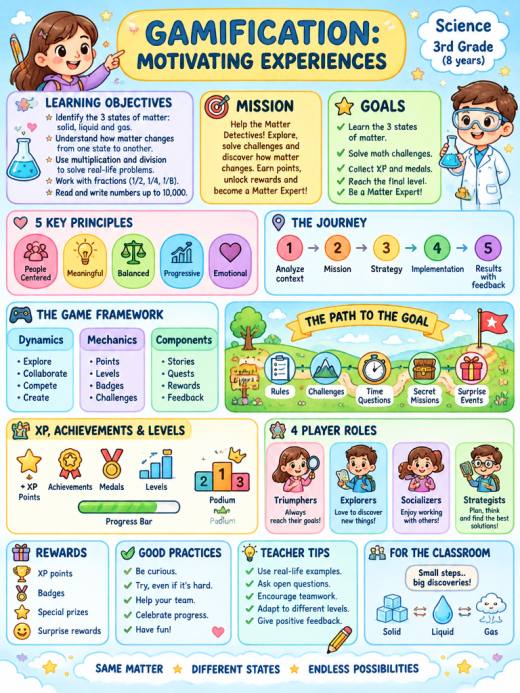
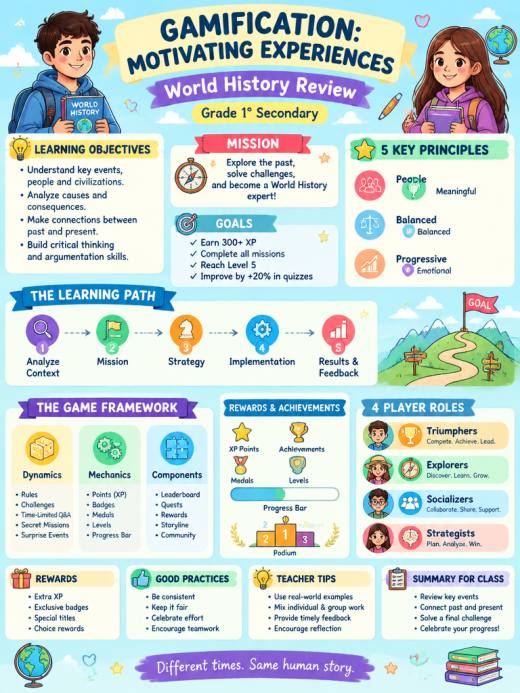

Tu planeación, en un vistazo
Una ruta clara para llevar el proyecto «¿Cómo cargamos objetos pesados?» al aula y adaptarlo a las necesidades de tu grupo.
Ver contexto pedagógico, adaptaciones y materiales
Esta planeación didáctica por proyectos está pensada para segundo grado, Fase 3, durante la semana 16 de diciembre del ciclo escolar 2026–2027. El proyecto «¿Cómo cargamos objetos pesados?» tiene como propósito students will use speaking, writing, and creative expression to explore how heavy objects are moved and to communicate ideas about the project. They will write their own names and the names of people in their surroundings to identify authorship, belonging, and identity in their records and project contributions. La secuencia parte del contexto del grupo para convertir sus experiencias, preguntas y saberes previos en oportunidades de aprendizaje significativo.
La propuesta se desarrolla mediante project-based learning, supported by guided inquiry and collaborative discussion. y articula principalmente el campo formativo los campos formativos de la Nueva Escuela Mexicana. El contenido central aborda writing names in the home language. Los PDA describen estos aprendizajes: students write their first and last names and the names of family members, teachers, peers, and other people in their surroundings to indicate authorship, belonging, and identity. Students communicate orally and in writing their observations about the effort required to lift objects of different weights, recording their ideas with clear authorship. Las actividades se distribuyen por día con momentos de inicio, desarrollo y cierre, de modo que el docente pueda observar avances, recuperar producciones y ajustar la intervención sin perder el sentido del proyecto.
El producto final será signed project observation and reflection record. La evaluación es formativa y considera participación, procesos, producciones y reflexión del alumnado. Se sugieren recursos como notebook, Textbook, p. 95, Pencils, Notebook, Textbook, p. 96, Board, Chalk or board markers, Pencils, Two 10-liter buckets, Three books of the same shape and size, Notebook, Textbook, p. 96, Pencils, Notebook, Textbook, p. 96, Pencils. Para atender distintos ritmos de aprendizaje, ofrece apoyos visuales, consignas breves, opciones de respuesta oral o gráfica y acompañamiento entre pares. El documento puede descargarse en Word editable o en PDF listo para imprimir. Ambas versiones permiten adecuar tiempos, materiales, lenguaje, apoyos y evidencias a las necesidades reales de cada escuela.
Ficha curricular de la planeación
Consulta primero los elementos de la NEM. Después encontrarás la secuencia completa organizada por día.
Datos generales y propósito del proyecto
Ciclo escolar 2026–2027 · Fase 3.
Propósito: Students will use speaking, writing, and creative expression to explore how heavy objects are moved and to communicate ideas about the project. They will write their own names and the names of people in their surroundings to identify authorship, belonging, and identity in their records and project contributions.
Metodología: Project-Based Learning, supported by guided inquiry and collaborative discussion.
Contenido
Writing names in the home language.
Proceso de Desarrollo de Aprendizaje (PDA)
Students write their first and last names and the names of family members, teachers, peers, and other people in their surroundings to indicate authorship, belonging, and identity. Students communicate orally and in writing their observations about the effort required to lift objects of different weights, recording their ideas with clear authorship.
Ejes articuladores oficiales
Inclusión, Pensamiento crítico
Producto final
Signed project observation and reflection record.
Evaluacion formativa
Ver criterios y evidencias
The student writes their first and last names legibly to identify authorship of project records. The student accurately records the name of a classmate whose opinion is included in the notebook. The student orally describes a heavy-object lifting experience or observation using understandable, relevant details. The student compares the effort involved in lifting the bucket with one book and with three books using evidence from the classroom investigation. The student contributes a written reflection connected to the project question and identifies its author.
Materiales
Ver lista completa
Notebook, Textbook, p. 95, Pencils, Notebook, Textbook, p. 96, Board, Chalk or board markers, Pencils, Two 10-liter buckets, Three books of the same shape and size, Notebook, Textbook, p. 96, Pencils, Notebook, Textbook, p. 96, Pencils
Adaptaciones para el grupo
Para atender distintos ritmos de aprendizaje, ofrece apoyos visuales, consignas breves, opciones de respuesta oral o gráfica y acompañamiento entre pares.
Desarrollo completo de la planeación
Aquí comienza la organización diaria con inicio, desarrollo, cierre, recursos y evidencias. El contenido y el PDA ya están separados en la ficha anterior.
¿Cómo cargamos objetos pesados?
Semana: Semana 16 — Diciembre
Languages
Metodología: Project-Based Learning, supported by guided inquiry and collaborative discussion.
Propósito: Students will use speaking, writing, and creative expression to explore how heavy objects are moved and to communicate ideas about the project. They will write their own names and the names of people in their surroundings to identify authorship, belonging, and identity in their records and project contributions.
Ejes articuladores
- Inclusión
- Pensamiento crítico
| Campo formativo | Contenido | PDA |
|---|---|---|
| Languages | Writing names in the home language. | Students write their first and last names and the names of family members, teachers, peers, and other people in their surroundings to indicate authorship, belonging, and identity. Students communicate orally and in writing their observations about the effort required to lift objects of different weights, recording their ideas with clear authorship. |
| Día | Secuencia de actividades | Recursos |
|---|---|---|
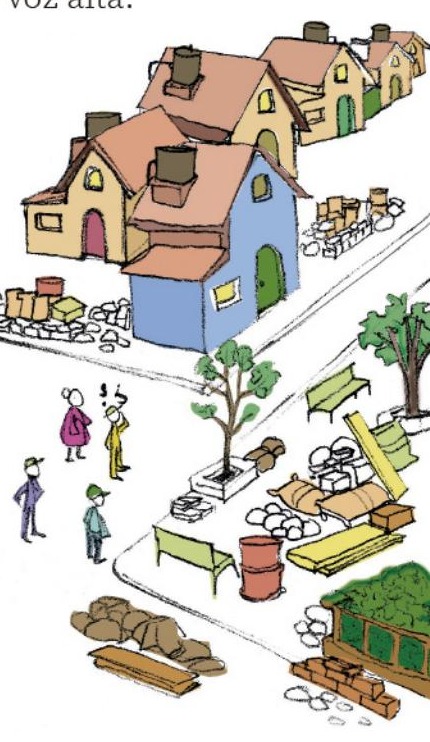
| Monday | Introduce the project through the question, “How do people move heavy objects?” and invite students to connect it with objects they have seen moved in their classroom or homes. Read the opening of “How Do We Carry Heavy Objects?” together, including the project purpose and the account of leftover construction materials piled in a local park (textbook, p. 95). Guide students to identify the problem in the account and explain orally why bricks, blocks, and boards may be difficult to move. Then have each student write a short response in a notebook and sign it with their first and last names, emphasizing that the signature identifies the author. Close by inviting several students to share their responses and checking whether their written names and explanations are legible and connected to the project problem. | Notebook, Textbook, p. 95, Pencils |
| Tuesday | Invite students to recall a time they tried to lift a heavy object and describe how they handled the situation, following the prompt on page 96. Organize a classroom discussion in which each speaker names the object, explains what made it difficult to lift, and listens respectfully to classmates’ accounts. As students share, record selected ideas on the board and have them copy one observation into their notebooks, adding their first and last names as authors. Support students in distinguishing a personal experience from an observation about someone else, and prompt them to use clear, complete sentences. Conclude with a brief partner exchange in which students read their entries aloud and offer feedback on whether the account is understandable and correctly attributed. | Notebook, Textbook, p. 96, Board, Chalk or board markers, Pencils |
| Wednesday | Set up the book-and-bucket investigation described on page 96, keeping the work within the classroom and supervising students as they take turns attempting to lift the bucket with one book and then with additional books. Before each attempt, ask students to predict what will change; afterward, invite them to describe the effort they noticed and compare the one-book and three-book experiences. Record student observations on the board using their own words, then have each student write one comparison in a notebook and sign it with their first and last names. Check that students connect their written statement to evidence from the experiment, such as the change in effort as the number of books increases, and invite a few to explain their reasoning aloud. | Two 10-liter buckets, Three books of the same shape and size, Notebook, Textbook, p. 96, Pencils |
| Thursday | Return to the comparison question on page 96 and guide students in discussing the differences they found when attempting to lift the bucket with one book and with three books. Ask them to state an observation, support it with what happened during the classroom experiment, and record classmates’ opinions in their notebooks as directed by the text. Model how to identify whose idea is being recorded by writing a classmate’s name accurately, then have students include the speaker’s name alongside one recorded opinion and their own name as the writer. Encourage respectful listening and precise oral descriptions rather than guesses about the experiment. Close by reviewing a few entries for accurate names, clear attribution, and a meaningful comparison of the lifting effort. | Notebook, Textbook, p. 96, Board, Chalk or board markers, Pencils |
| Friday | Use the discussion prompt on page 96 to ask students about situations they have observed in their surroundings where people need to carry heavy objects, keeping examples and discussion within the classroom project. Have students share one example orally and explain what makes the object challenging to move; then revisit the project’s announced goal of building a machine to make carrying objects easier. Each student prepares a brief written project reflection that includes their name, one observation from the book-and-bucket investigation, and one question or idea about the planned machine. Invite students to present their reflections to the class, acknowledge the authors by name, and assess whether each contribution is understandable, relevant to the heavy-object problem, and clearly attributed. Finish by recognizing that the class has identified the problem and is ready to continue the project. | Notebook, Textbook, p. 96, Pencils |
Producto: Signed project observation and reflection record.
Instrumento de evaluación de contenidos, PDA y producto del proyecto:
| Criterios de evaluación | Logrado | En proceso | Falta por consolidar |
|---|---|---|---|
| The student writes their first and last names legibly to identify authorship of project records | |||
| The student accurately records the name of a classmate whose opinion is included in the notebook | |||
| The student orally describes a heavy-object lifting experience or observation using understandable, relevant details | |||
| The student compares the effort involved in lifting the bucket with one book and with three books using evidence from the classroom investigation | |||
| The student contributes a written reflection connected to the project question and identifies its author |
Antes de descargar
Datos, propósito y contenidos
- Students will use speaking, writing, and creative expression to explore how heavy objects are moved and to communicate ideas ab?
- Writing names in the home language.
Actividades, producto y evaluación
- Notebook, Textbook, p. 95, Pencils, Notebook, Textbook, p. 96, Board, Chalk or board markers, Pencils, Two 10-liter buckets, Th?
- Signed project observation and reflection record.
Tu material está listo para descargar
Elige Word, PDF o anexos desde un solo lugar.
Mira lo que los maestros ya crearon con Gamificación Educativa
Preguntas frecuentes sobre esta planeación
¿Para qué grado y semanas está diseñada esta planeación?
Está diseñada para segundo grado, la semana 16 de diciembre de 2026, dentro del ciclo escolar 2026–2027.
¿Qué metodología utiliza la planeación?
La secuencia utiliza project-based learning, supported by guided inquiry and collaborative discussion. y organiza actividades situadas con evidencias y un producto final.
¿La planeación incluye contenidos y PDA de la NEM?
Sí. Incluye el campo formativo, el contenido, el proceso de desarrollo de aprendizaje, actividades y evaluación formativa alineados con la NEM.
¿Puedo editar y adaptar el archivo?
Sí. La versión Word es editable para ajustar actividades, materiales, apoyos, tiempos y evidencias. El PDF está listo para imprimir.
