
Planeación didáctica por proyectos de sexto grado — Semana 12 de noviembre 2026: Promovemos las manifestaciones culturales
 ChannelKids
Mira lo que los maestros ya crearon con Gamificación Educativa

Tu planeación, en un vistazo
Una ruta clara para llevar el proyecto «Promovemos las manifestaciones culturales» al aula y adaptarlo a las necesidades de tu grupo.
Ver contexto pedagógico, adaptaciones y materiales
Esta planeación didáctica por proyectos está pensada para sexto grado, Fase 5, durante la semana 12 de noviembre del ciclo escolar 2026–2027. El proyecto «Promovemos las manifestaciones culturales» tiene como propósito students will strengthen oral, written, and creative expression by examining cultural practices, identifying a conflict connected with a cultural manifestation, and developing a dramatic text that presents a solution. They will also narrate their project experience using clear temporal relationships among events. La secuencia parte del contexto del grupo para convertir sus experiencias, preguntas y saberes previos en oportunidades de aprendizaje significativo.
La propuesta se desarrolla mediante service-learning y articula principalmente el campo formativo los campos formativos de la Nueva Escuela Mexicana. El contenido central aborda narration of past and present events. Los PDA describen estos aprendizajes: students read autobiographical texts and identify temporal relationships of sequence, simultaneity, and duration. Students narrate their participation in the cultural-manifestation project by organizing past and present events in a coherent sequence and identifying events that occurred simultaneously or lasted over time. Las actividades se distribuyen por día con momentos de inicio, desarrollo y cierre, de modo que el docente pueda observar avances, recuperar producciones y ajustar la intervención sin perder el sentido del proyecto.
El producto final será classroom dramatic presentation and illustrated project-experience narrative. La evaluación es formativa y considera participación, procesos, producciones y reflexión del alumnado. Se sugieren recursos como notebook, Official textbook, p. 266, Official textbook, p. 269, Pencils, Colored pencils, Notebook, Official textbook, pp. 269–271, Pencils, Board and markers, Notebook, Official textbook, pp. 271–273, Dictionary, Pencils, Notebook, Official textbook, pp. 275–277, Class interview notes, Script paper, Pencils, Available costume and scenery materials, Notebook, Official textbook, pp. 278–279, Community-agreement format, Paper, Pencils, Drawing materials, Completed dramatic text, Available costume and scenery materials. Para atender distintos ritmos de aprendizaje, ofrece apoyos visuales, consignas breves, opciones de respuesta oral o gráfica y acompañamiento entre pares. El documento puede descargarse en Word editable o en PDF listo para imprimir. Ambas versiones permiten adecuar tiempos, materiales, lenguaje, apoyos y evidencias a las necesidades reales de cada escuela.
Ficha curricular de la planeación
Consulta primero los elementos de la NEM. Después encontrarás la secuencia completa organizada por día.
Datos generales y propósito del proyecto
Ciclo escolar 2026–2027 · Fase 5.
Propósito: Students will strengthen oral, written, and creative expression by examining cultural practices, identifying a conflict connected with a cultural manifestation, and developing a dramatic text that presents a solution. They will also narrate their project experience using clear temporal relationships among events.
Metodología: Service-Learning
Contenido
Narration of past and present events.
Proceso de Desarrollo de Aprendizaje (PDA)
Students read autobiographical texts and identify temporal relationships of sequence, simultaneity, and duration. Students narrate their participation in the cultural-manifestation project by organizing past and present events in a coherent sequence and identifying events that occurred simultaneously or lasted over time.
Ejes articuladores oficiales
Inclusión, Pensamiento crítico
Producto final
Classroom dramatic presentation and illustrated project-experience narrative
Evaluacion formativa
Ver criterios y evidencias
The student narrates project events in a coherent sequence and uses temporal details to distinguish sequence, simultaneity, and duration. The student explains a selected cultural manifestation and describes its related conflict using relevant details from the reading, group research, or interview responses. The student contributes clear, expressive oral language and written dialogue to a dramatic text that presents a proposed solution and a conflict-prevention message. The student’s illustrated reflection recounts personal participation in the project and connects the experience to respectful coexistence.
Materiales
Ver lista completa
Notebook, Official textbook, p. 266, Official textbook, p. 269, Pencils, Colored pencils, Notebook, Official textbook, pp. 269–271, Pencils, Board and markers, Notebook, Official textbook, pp. 271–273, Dictionary, Pencils, Notebook, Official textbook, pp. 275–277, Class interview notes, Script paper, Pencils, Available costume and scenery materials, Notebook, Official textbook, pp. 278–279, Community-agreement format, Paper, Pencils, Drawing materials, Completed dramatic text, Available costume and scenery materials
Adaptaciones para el grupo
Para atender distintos ritmos de aprendizaje, ofrece apoyos visuales, consignas breves, opciones de respuesta oral o gráfica y acompañamiento entre pares.
Desarrollo completo de la planeación
Aquí comienza la organización diaria con inicio, desarrollo, cierre, recursos y evidencias. El contenido y el PDA ya están separados en la ficha anterior.
Promovemos las manifestaciones culturales
Semana: Semana 12 — Noviembre
Languages
Metodología: Service-Learning
Propósito: Students will strengthen oral, written, and creative expression by examining cultural practices, identifying a conflict connected with a cultural manifestation, and developing a dramatic text that presents a solution. They will also narrate their project experience using clear temporal relationships among events.
Ejes articuladores
- Inclusión
- Pensamiento crítico
| Campo formativo | Contenido | PDA |
|---|---|---|
| Languages | Narration of past and present events. | Students read autobiographical texts and identify temporal relationships of sequence, simultaneity, and duration. Students narrate their participation in the cultural-manifestation project by organizing past and present events in a coherent sequence and identifying events that occurred simultaneously or lasted over time. |
| Día | Secuencia de actividades | Recursos |
|---|---|---|
| Monday | Begin by inviting students to recall a cultural manifestation they have experienced and to describe when it took place, what happened first, and what continued over time. Connect these recollections with the project’s purpose: recognizing cultural expressions and promoting respectful coexistence through oral, written, and creative work. Guide students through the book’s opening images and request that they investigate what the depicted manifestations involve, using available classroom reference materials or information previously gathered with an adult (p. 266). Then read the community definition together and have students write in their notebooks about important cultural manifestations in their own experience, whether they have participated, when each occurs, and what one looks like in a drawing (p. 269). Invite several students to share their accounts; formatively note whether they communicate events in a comprehensible sequence and distinguish a single occurrence from an activity that takes time. | Notebook, Official textbook, p. 266, Official textbook, p. 269, Pencils, Colored pencils |
| Tuesday | Use the class’s recorded cultural examples to organize the textbook’s numbered-grid activity, keeping every group focused on researching and discussing one manifestation identified by students. Assign numbered groups, direct each group to examine its selected example, and have a representative present what the group learned to the class; encourage listeners to ask when the manifestation takes place, which activities occur during it, and how long its preparations or events may last (pp. 269–270). Continue with the reading about manifestations and cultural diversity, asking students to connect its ideas to the examples already shared (p. 271). To make the reading-and-narration learning visible, ask each student to record a brief account of one group’s presentation, using temporal expressions to show the order and duration of events. Close by reviewing whether the account preserves the information presented and whether the student can identify events occurring at the same time. | Notebook, Official textbook, pp. 269–271, Pencils, Board and markers |
| Wednesday | Present the conflict in “Canastitas en serie” as a prompt for careful reading and discussion: ask students to notice what each character says, what the artisan explains about the time and work required, and how the disagreement develops. Read the excerpt from the story, pause to clarify unfamiliar vocabulary with a dictionary, and have students answer in their notebooks how they would describe the buyer’s attitude, what they think about the basket-making process, and why the conflict arose (pp. 271–273). Next, in small groups, ask students to identify a conflict that could occur during a cultural manifestation and write an account of what happened; invite them to present their descriptions and collectively select one conflict and one possible solution as the dramatic project’s central subject (p. 273). Assess whether students support their interpretation with details from the reading and describe the conflict clearly rather than reducing it to an unsupported opinion. | Notebook, Official textbook, pp. 271–273, Dictionary, Pencils |
| Thursday | Invite students to bring forward information about cultural manifestations and conflicts gathered through the textbook interview prompts, then share interview responses in a class discussion focused on the selected conflict and a workable solution (p. 275). Ask students to attend to the interview’s temporal details—when and where a manifestation occurs, what happens during it, and how the conflict emerged—so these details can inform the dramatic text. Guide the class in writing a script that draws on the interview responses and includes a final message about preventing conflict (p. 276). After reading the script aloud, support students in assigning responsibilities for acting, costumes, and scenery, using available classroom materials and objects or clothing brought from home as the book suggests (p. 277). Begin rehearsals and provide formative feedback on clear dialogue, expressive oral delivery, coherent sequencing of events, and whether the proposed solution is understandable. | Notebook, Official textbook, pp. 275–277, Class interview notes, Script paper, Pencils, Available costume and scenery materials |
| Friday | Turn the class’s completed dramatic work into an opportunity to communicate and reflect within the classroom: have students finalize the community-agreement format by recording the conflict, proposed solution, commitments, responsible participants, and agreement (p. 278). Organize the presentation for classmates and invited family members, using the invitations described in the book and keeping the activity within the classroom setting; after the performance, gather audience responses and discuss whether the dramatic text made the conflict and solution clear (p. 279). Conclude with the book’s reflection activity by asking students to draw and write a personal account of their participation, arranging events in sequence and identifying any that happened simultaneously or lasted over time (p. 279). Review the narrative and oral contributions formatively for temporal clarity, relevant details, and a thoughtful connection between cultural expression and respectful coexistence. | Notebook, Official textbook, pp. 278–279, Community-agreement format, Paper, Pencils, Drawing materials, Completed dramatic text, Available costume and scenery materials |
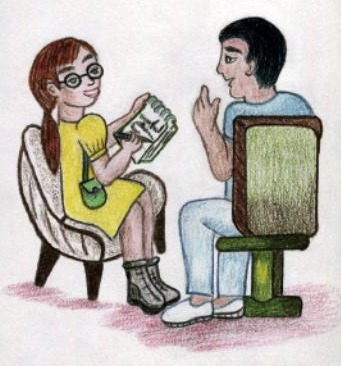
Producto: Classroom dramatic presentation and illustrated project-experience narrative
Instrumento de evaluación de contenidos, PDA y producto del proyecto:
| Criterios de evaluación | Logrado | En proceso | Falta por consolidar |
|---|---|---|---|
| The student narrates project events in a coherent sequence and uses temporal details to distinguish sequence, simultaneity, and duration | |||
| The student explains a selected cultural manifestation and describes its related conflict using relevant details from the reading, group research, or interview responses | |||
| The student contributes clear, expressive oral language and written dialogue to a dramatic text that presents a proposed solution and a conflict-prevention message | |||
| The student’s illustrated reflection recounts personal participation in the project and connects the experience to respectful coexistence |
Antes de descargar
Datos, propósito y contenidos
- Students will strengthen oral, written, and creative expression by examining cultural practices, identifying a conflict connect?
- Narration of past and present events.
Actividades, producto y evaluación
- Notebook, Official textbook, p. 266, Official textbook, p. 269, Pencils, Colored pencils, Notebook, Official textbook, pp. 269–?
- Classroom dramatic presentation and illustrated project-experience narrative
Tu material está listo para descargar
Elige Word, PDF o anexos desde un solo lugar.
Mira lo que los maestros ya crearon con Gamificación Educativa
Preguntas frecuentes sobre esta planeación
¿Para qué grado y semanas está diseñada esta planeación?
Está diseñada para sexto grado, la semana 12 de noviembre de 2026, dentro del ciclo escolar 2026–2027.
¿Qué metodología utiliza la planeación?
La secuencia utiliza service-learning y organiza actividades situadas con evidencias y un producto final.
¿La planeación incluye contenidos y PDA de la NEM?
Sí. Incluye el campo formativo, el contenido, el proceso de desarrollo de aprendizaje, actividades y evaluación formativa alineados con la NEM.
¿Puedo editar y adaptar el archivo?
Sí. La versión Word es editable para ajustar actividades, materiales, apoyos, tiempos y evidencias. El PDF está listo para imprimir.
