
Planeación didáctica por proyectos de cuarto grado — Semana 14 de diciembre 2026: En sus marcas. Listos. ¡A nutrirnos y desarrollarnos! — Relatos de nutrición y desarrollo
 ChannelKids
Tu planeación, en un vistazo
Una ruta clara para llevar el proyecto «En sus marcas. Listos. ¡A nutrirnos y desarrollarnos!» al aula y adaptarlo a las necesidades de tu grupo.
Ver contexto pedagógico, adaptaciones y materiales
Esta planeación didáctica por proyectos está pensada para cuarto grado, Fase 4, durante la semana 14 de diciembre del ciclo escolar 2026–2027. El proyecto «En sus marcas. Listos. ¡A nutrirnos y desarrollarnos!» tiene como propósito develop students’ oral, written, and creative expression through the project’s narrative about nutrition, living things, and environmental conditions. Students will recognize and use narrative styles, resources, and strategies to recount events and communicate ideas clearly. La secuencia parte del contexto del grupo para convertir sus experiencias, preguntas y saberes previos en oportunidades de aprendizaje significativo.
La propuesta se desarrolla mediante inquiry-based project learning, using the official project sequence as the source for oral, written, and creative expression. y articula principalmente el campo formativo los campos formativos de la Nueva Escuela Mexicana. El contenido central aborda narration of past and present events. Los PDA describen estos aprendizajes: recognizes and uses diverse narrative styles, resources, and strategies to recount the events in the project reading and communicate how changes in an ecosystem affect plants, animals, and people. Organizes oral and written ideas about the project’s guiding questions, using details from the reading, clear sequencing, and vocabulary related to living things and their environment. Las actividades se distribuyen por día con momentos de inicio, desarrollo y cierre, de modo que el docente pueda observar avances, recuperar producciones y ajustar la intervención sin perder el sentido del proyecto.
El producto final será a sequenced written narrative with an oral presentation connecting the project reading to its guiding questions. La evaluación es formativa y considera participación, procesos, producciones y reflexión del alumnado. Se sugieren recursos como official textbook, p. 125, Student notebooks, Pencils, Official textbook, p. 126, Student notebooks, Pencils, Official textbook, pp. 127–128, Student notebooks, Pencils, Official textbook, p. 128, Student notebooks, Pencils, Blank paper. Para atender distintos ritmos de aprendizaje, ofrece apoyos visuales, consignas breves, opciones de respuesta oral o gráfica y acompañamiento entre pares. El documento puede descargarse en Word editable o en PDF listo para imprimir. Ambas versiones permiten adecuar tiempos, materiales, lenguaje, apoyos y evidencias a las necesidades reales de cada escuela.
Ficha curricular de la planeación
Consulta primero los elementos de la NEM. Después encontrarás la secuencia completa organizada por día.
Datos generales y propósito del proyecto
Ciclo escolar 2026–2027 · Fase 4.
Propósito: Develop students’ oral, written, and creative expression through the project’s narrative about nutrition, living things, and environmental conditions. Students will recognize and use narrative styles, resources, and strategies to recount events and communicate ideas clearly.
Metodología: Inquiry-based project learning, using the official project sequence as the source for oral, written, and creative expression.
Contenido
Narration of past and present events.
Proceso de Desarrollo de Aprendizaje (PDA)
Recognizes and uses diverse narrative styles, resources, and strategies to recount the events in the project reading and communicate how changes in an ecosystem affect plants, animals, and people. Organizes oral and written ideas about the project’s guiding questions, using details from the reading, clear sequencing, and vocabulary related to living things and their environment.
Ejes articuladores oficiales
Inclusión, Pensamiento crítico
Producto final
A sequenced written narrative with an oral presentation connecting the project reading to its guiding questions.
Evaluación formativa
Ver criterios y evidencias
Recounts events from the official project reading in a coherent sequence and does not add unsupported details. Uses descriptive language and project vocabulary to distinguish the setting, events, and consequences. Communicates ideas orally with understandable diction, attentive listening, and relevant contributions. Writes a clear response that connects evidence from the narrative with at least one project guiding question.
Materiales
Ver lista completa
Official textbook, p. 125, Student notebooks, Pencils, Official textbook, p. 126, Student notebooks, Pencils, Official textbook, pp. 127–128, Student notebooks, Pencils, Official textbook, p. 128, Student notebooks, Pencils, Blank paper
Adaptaciones para el grupo
Para atender distintos ritmos de aprendizaje, ofrece apoyos visuales, consignas breves, opciones de respuesta oral o gráfica y acompañamiento entre pares.
Desarrollo completo de la planeación
Aquí comienza la organización diaria con inicio, desarrollo, cierre, recursos y evidencias. El contenido y el PDA ya están separados en la ficha anterior.
En sus marcas. Listos. ¡A nutrirnos y desarrollarnos!
Semana: Semana 14 — Diciembre
Languages
Metodología: Inquiry-based project learning, using the official project sequence as the source for oral, written, and creative expression.
Propósito: Develop students’ oral, written, and creative expression through the project’s narrative about nutrition, living things, and environmental conditions. Students will recognize and use narrative styles, resources, and strategies to recount events and communicate ideas clearly.
Ejes articuladores
- Inclusión
- Pensamiento crítico
| Campo formativo | Contenido | PDA |
|---|---|---|
| Languages | Narration of past and present events. | Recognizes and uses diverse narrative styles, resources, and strategies to recount the events in the project reading and communicate how changes in an ecosystem affect plants, animals, and people. Organizes oral and written ideas about the project’s guiding questions, using details from the reading, clear sequencing, and vocabulary related to living things and their environment. |
| Día | Secuencia de actividades | Recursos |
|---|---|---|
Monday | Present the project through the title “Ready, Set… Let’s Nourish and Grow!” and invite students to connect it with foods and living things they know from their classroom discussions, keeping the work within the classroom setting. Read aloud the opening narrative about the Guerrero landscape, its river, plants, animals, and crops from the official book (p. 125); pause at descriptive details so students can identify how the narrator helps readers picture the setting. Then ask partners to retell the scene orally, preserving its sequence and selecting precise words from the text. Have each student record a brief written description of one detail that made the setting vivid, and close by listening to several readings and noting clarity, sequencing, and use of descriptive language. | Official textbook, p. 125, Student notebooks, Pencils |
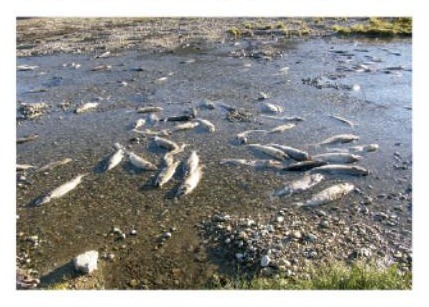
Tuesday | Invite students to consider how a familiar landscape might change when its river and vegetation are harmed, then continue reading the account of the dead fish, drying trees, disappearing animals, and contaminated river (p. 126). Guide a close comparison between the earlier description and these later events, asking students to identify signal words and details that show a change over time. In pairs, students will orally recount what happened using a clear beginning, sequence, and consequence; afterward, each will write a short account that distinguishes the event from its effects on people and the environment. Review selected accounts with the class, offering feedback on accurate details, coherent sequencing, and respectful listening without adding events absent from the book. | Official textbook, p. 126, Student notebooks, Pencils |
Wednesday | Use the reading’s unresolved questions as a reason to strengthen collaborative speaking and listening: ask students to recall what the village wanted to understand after the river was contaminated. Revisit the book’s prompts for discussing what happened to affected plants and animals, the environmental consequences, and the effects on people, then have small groups formulate and share their responses using evidence from the narrative (p. 126). Next, students will record their group’s agreements in the book’s designated discussion space or in their notebooks, preserving the distinction between an event, its consequence, and a question that remains. Close with a brief exchange in which classmates identify one clearly supported idea and one question that merits further inquiry. | Official textbook, p. 126, Student notebooks, Pencils |
Thursday | Bring energy and rhythm into the classroom by organizing the book’s naming game as a spoken-language exercise, using its categories of carnivores, herbivores, omnivores, and plants (pp. 127–128). First, clarify the meaning of the food-chain description printed on page 127, then guide students in taking turns naming organisms in the refrain described on page 128; maintain the book’s option of naming ecosystems only if the class agrees. Add the suggested claps and finger snaps to support attentive listening and clear diction, restarting the refrain when a participant becomes confused, as the text directs. After the game, students will explain orally how the categories differ and write one accurate sentence using a project-related term; assess participation, pronunciation, and meaning. | Official textbook, pp. 127–128, Student notebooks, Pencils |
Friday | Return to the three guiding questions printed in the project—where living things obtain energy, what happens to plants when environmental conditions change, and how nutritious foods can be produced easily—and invite students to use the week’s reading and discussions to shape their responses (p. 128). Students will prepare a short written narrative that connects one event from the Guerrero account with an explanation informed by the project’s questions, then rehearse reading it aloud to a partner. Ask partners to check whether the account follows a clear sequence, uses details supported by the book, and communicates ideas understandably; students may revise wording before sharing selected work with the class. Conclude by reflecting on how careful reading, speaking, and writing helped the group understand the project’s central questions. | Official textbook, p. 128, Student notebooks, Pencils, Blank paper |
Producto: A sequenced written narrative with an oral presentation connecting the project reading to its guiding questions.
Instrumento de evaluación de contenidos, PDA y producto del proyecto:
| Criterios de evaluación | Logrado | En proceso | Falta por consolidar |
|---|---|---|---|
| Recounts events from the official project reading in a coherent sequence and does not add unsupported details | |||
| Uses descriptive language and project vocabulary to distinguish the setting, events, and consequences | |||
| Communicates ideas orally with understandable diction, attentive listening, and relevant contributions | |||
| Writes a clear response that connects evidence from the narrative with at least one project guiding question |
Antes de descargar
Datos, propósito y contenidos
- Develop students’ oral, written, and creative expression through the project’s narrative about nutrition, living things, and en?
- Narration of past and present events.
Actividades, producto y evaluación
- Official textbook, p. 125, Student notebooks, Pencils, Official textbook, p. 126, Student notebooks, Pencils, Official textbook?
- A sequenced written narrative with an oral presentation connecting the project reading to its guiding questions.
Tu material está listo para descargar
Elige Word, PDF o anexos desde un solo lugar.
Preguntas frecuentes sobre esta planeación
¿Para qué grado y semana está diseñada esta planeación?
Está diseñada para cuarto grado, la semana 14 de diciembre de 2026, dentro del ciclo escolar 2026–2027.
¿Qué metodología utiliza la planeación?
La secuencia utiliza inquiry-based project learning, using the official project sequence as the source for oral, written, and creative expression. y organiza actividades situadas con evidencias y un producto final.
¿La planeación incluye contenidos y PDA de la NEM?
Sí. Incluye el campo formativo, el contenido, el proceso de desarrollo de aprendizaje, actividades y evaluación formativa alineados con la NEM.
¿Puedo editar y adaptar el archivo?
Sí. La versión Word es editable para ajustar actividades, materiales, apoyos, tiempos y evidencias. El PDF está listo para imprimir.
