
Planeación didáctica por proyectos de quinto grado — Semana 11 de noviembre 2026: ¡Una bomba en mi cuerpo!
 ChannelKids
Mira lo que los maestros ya crearon con Gamificación Educativa

Tu planeación, en un vistazo
Una ruta clara para llevar el proyecto «¡Una bomba en mi cuerpo!» al aula y adaptarlo a las necesidades de tu grupo.
Ver contexto pedagógico, adaptaciones y materiales
Esta planeación didáctica por proyectos está pensada para quinto grado, Fase 5, durante la semana 11 de noviembre del ciclo escolar 2026–2027. El proyecto «¡Una bomba en mi cuerpo!» tiene como propósito students will develop oral, written, and creative expression by narrating and explaining their observations as they explore the heart, pulse, and breathing through the activities in the official project. They will organize evidence and communicate conclusions clearly, using narrative resources to connect their experiences with the functions and care of the circulatory and respiratory systems. La secuencia parte del contexto del grupo para convertir sus experiencias, preguntas y saberes previos en oportunidades de aprendizaje significativo.
La propuesta se desarrolla mediante inquiry-based learning with a steam approach, centered on the official classroom project. y articula principalmente el campo formativo los campos formativos de la Nueva Escuela Mexicana. El contenido central aborda narration of past and present events. Los PDA describen estos aprendizajes: students recognize and use varied narrative styles, resources, and strategies to recount the project’s reading, observations, measurements, and discoveries about the heart and respiratory system. Students communicate their findings orally and in writing, organizing relevant details and using clear language to explain how their observations relate to the care of the circulatory and respiratory systems. Las actividades se distribuyen por día con momentos de inicio, desarrollo y cierre, de modo que el docente pueda observar avances, recuperar producciones y ajustar la intervención sin perder el sentido del proyecto.
El producto final será classroom poster and oral presentation explaining project observations and healthy habits. La evaluación es formativa y considera participación, procesos, producciones y reflexión del alumnado. Se sugieren recursos como student notebook, Official textbook, Projects for the Classroom, pp. 130–133, Student notebook, Official textbook, Projects for the Classroom, pp. 134–135, Clock or stopwatch, Suitable exercise clothing, Student notebook, Official textbook, Projects for the Classroom, pp. 136–137, Clear 200 ml bottle, Small and large balloons, Flexible straws, Water, Red and blue food coloring, Rubber bands, Adhesive tape, Scissors, Container for stabilizing the bottle, Student notebook, Official textbook, Projects for the Classroom, pp. 139–143, Clock or stopwatch, Suitable exercise clothing, Our Knowledge: Book for Students, Teachers, and Families, Student notebook, Official textbook, Projects for the Classroom, pp. 144–145, Poster paper, Markers, Classroom-made stethoscope materials: two funnels or cardboard cones, flexible tubing, modeling clay or plasticine, two balloons, tape, and scissors. Para atender distintos ritmos de aprendizaje, ofrece apoyos visuales, consignas breves, opciones de respuesta oral o gráfica y acompañamiento entre pares. El documento puede descargarse en Word editable o en PDF listo para imprimir. Ambas versiones permiten adecuar tiempos, materiales, lenguaje, apoyos y evidencias a las necesidades reales de cada escuela.
Ficha curricular de la planeación
Consulta primero los elementos de la NEM. Después encontrarás la secuencia completa organizada por día.
Datos generales y propósito del proyecto
Ciclo escolar 2026–2027 · Fase 5.
Propósito: Students will develop oral, written, and creative expression by narrating and explaining their observations as they explore the heart, pulse, and breathing through the activities in the official project. They will organize evidence and communicate conclusions clearly, using narrative resources to connect their experiences with the functions and care of the circulatory and respiratory systems.
Metodología: Inquiry-based learning with a STEAM approach, centered on the official classroom project.
Contenido
Narration of past and present events.
Proceso de Desarrollo de Aprendizaje (PDA)
Students recognize and use varied narrative styles, resources, and strategies to recount the project’s reading, observations, measurements, and discoveries about the heart and respiratory system. Students communicate their findings orally and in writing, organizing relevant details and using clear language to explain how their observations relate to the care of the circulatory and respiratory systems.
Ejes articuladores oficiales
Inclusión, Pensamiento crítico
Producto final
Classroom poster and oral presentation explaining project observations and healthy habits.
Evaluacion formativa
Ver criterios y evidencias
Students narrate project events and observations in a clear sequence, using relevant details from the official reading and classroom investigations. Students communicate pulse and breathing observations accurately and distinguish recorded evidence from predictions or interpretations. Students explain the heart model and the relationship between the circulatory and respiratory systems using appropriate vocabulary. Students contribute a readable, well-organized poster and present its message clearly and creatively to classmates. Students listen respectfully, respond constructively to peer presentations, and identify a specific learning achievement or improvement.
Materiales
Ver lista completa
Student notebook, Official textbook, Projects for the Classroom, pp. 130–133, Student notebook, Official textbook, Projects for the Classroom, pp. 134–135, Clock or stopwatch, Suitable exercise clothing, Student notebook, Official textbook, Projects for the Classroom, pp. 136–137, Clear 200 ml bottle, Small and large balloons, Flexible straws, Water, Red and blue food coloring, Rubber bands, Adhesive tape, Scissors, Container for stabilizing the bottle, Student notebook, Official textbook, Projects for the Classroom, pp. 139–143, Clock or stopwatch, Suitable exercise clothing, Our Knowledge: Book for Students, Teachers, and Families, Student notebook, Official textbook, Projects for the Classroom, pp. 144–145, Poster paper, Markers, Classroom-made stethoscope materials: two funnels or cardboard cones, flexible tubing, modeling clay or plasticine, two balloons, tape, and scissors
Adaptaciones para el grupo
Para atender distintos ritmos de aprendizaje, ofrece apoyos visuales, consignas breves, opciones de respuesta oral o gráfica y acompañamiento entre pares.
Desarrollo completo de la planeación
Aquí comienza la organización diaria con inicio, desarrollo, cierre, recursos y evidencias. El contenido y el PDA ya están separados en la ficha anterior.
¡Una bomba en mi cuerpo!
Semana: Semana 11 — Noviembre
Languages
Metodología: Inquiry-based learning with a STEAM approach, centered on the official classroom project.
Propósito: Students will develop oral, written, and creative expression by narrating and explaining their observations as they explore the heart, pulse, and breathing through the activities in the official project. They will organize evidence and communicate conclusions clearly, using narrative resources to connect their experiences with the functions and care of the circulatory and respiratory systems.
Ejes articuladores
- Inclusión
- Pensamiento crítico
| Campo formativo | Contenido | PDA |
|---|---|---|
| Languages | Narration of past and present events. | Students recognize and use varied narrative styles, resources, and strategies to recount the project’s reading, observations, measurements, and discoveries about the heart and respiratory system. Students communicate their findings orally and in writing, organizing relevant details and using clear language to explain how their observations relate to the care of the circulatory and respiratory systems. |
| Día | Secuencia de actividades | Recursos |
|---|---|---|
| Monday | Present the project question, “How do the heart and lungs work together, and how can we explain what we discover?” and invite students to connect it with the account of Emiliano and his grandfather’s medical visit. Read and discuss the narrative on pages 130–131, pausing to identify who is involved, what happened, and which details explain the relationship between high blood pressure, the heart, and the lungs. Ask students to retell the event orally in their own words, distinguishing the account’s events from the medical information it presents. Then use the organ diagram and community health discussion on pages 132–133 to help students record the organs’ functions and describe one healthy habit they have observed or practiced. Close with a brief written reflection in which students explain what they already know and pose a question to investigate; assess whether their retellings are coherent and their questions connect directly to the project. | Student notebook, Official textbook, Projects for the Classroom, pp. 130–133 |
| Tuesday | Invite students to recall a time when their breathing or heartbeat changed during movement, then frame the inquiry around how physical activity affects pulse. Following the classroom agreements and pulse-taking guidance on page 134, model how to locate the pulse safely and how to record a one-minute count; students practice in pairs and write a short sequence describing what they did and noticed. Continue with the activity and recording table on page 135, adapting the setting to the classroom by having students complete the prescribed rest, moderate-exercise, and more strenuous movement only when the room and each student’s health allow, with the teacher supervising and offering a seated alternative. Students record the measurements and compare them with their resting count, then share one evidence-based observation. Review accurate recording, respectful cooperation, and the use of time-order words in their oral and written accounts. | Student notebook, Official textbook, Projects for the Classroom, pp. 134–135, Clock or stopwatch, Suitable exercise clothing |
| Wednesday | Use students’ pulse records to raise a new question: how does the heart’s rhythm change during continued movement, and how can a model help explain its action? In the classroom, organize pairs to follow the pulse-monitoring sequence and recording table on page 136, keeping the activity within safe classroom limits and stopping immediately if anyone feels unwell. Students describe their sensations and compare observations without treating the measurements as a diagnosis. Next, guide small groups through the heart-model procedure on pages 136–137, assigning roles for handling the materials and documenting each stage; have them narrate what happens when the balloon is pressed and released, relating these actions to systole and diastole. End with a short group explanation supported by the model, checking that students distinguish observed evidence from the model’s representation and use precise sequence language. | Student notebook, Official textbook, Projects for the Classroom, pp. 136–137, Clear 200 ml bottle, Small and large balloons, Flexible straws, Water, Red and blue food coloring, Rubber bands, Adhesive tape, Scissors, Container for stabilizing the bottle |
| Thursday | Ask students to predict whether their breathing rate will remain the same during rest and movement, and have them explain the reason for their prediction before collecting evidence. Use the respiratory-rate table and activity on pages 139–140, pairing students to count breaths and record observations at the indicated times while the teacher manages timing and ensures safe participation in the classroom. Students then consult the referenced learning resources to investigate care of the circulatory and respiratory systems and the components of the circulatory system, recording information in their notebooks with a note identifying its source. Connect this research with the pulse data and the relationship between systole and diastole addressed on pages 140–143; students draft a brief explanatory account that contrasts their prediction with their findings. Provide formative feedback on clarity, relevant details, and whether conclusions are supported by recorded evidence. | Student notebook, Official textbook, Projects for the Classroom, pp. 139–143, Clock or stopwatch, Suitable exercise clothing, Our Knowledge: Book for Students, Teachers, and Families |
| Friday | Challenge students to turn the week’s observations into a clear message for their classroom peers: what did the pulse and breathing records reveal, and which habits support these systems? Revisit the discussion and poster task on page 144, asking groups to organize information about the heart, veins, arteries, and breathing into a classroom poster with a title, concise explanations, and evidence drawn from their records. Use the homemade stethoscope instructions and listening activity on pages 144–145 as a final opportunity to narrate a procedure and describe what students can—and cannot—conclude from listening; keep all materials and demonstrations within the classroom. Conclude with the learning reflection and gallery process on page 145, adapting the reflection prompts on page 146 to a classroom gallery: students present their poster, listen to peers, and write what they learned and what they would improve. Assess oral clarity, written organization, creative communication, and responsible interpretation of evidence. | Student notebook, Official textbook, Projects for the Classroom, pp. 144–145, Poster paper, Markers, Classroom-made stethoscope materials: two funnels or cardboard cones, flexible tubing, modeling clay or plasticine, two balloons, tape, and scissors |
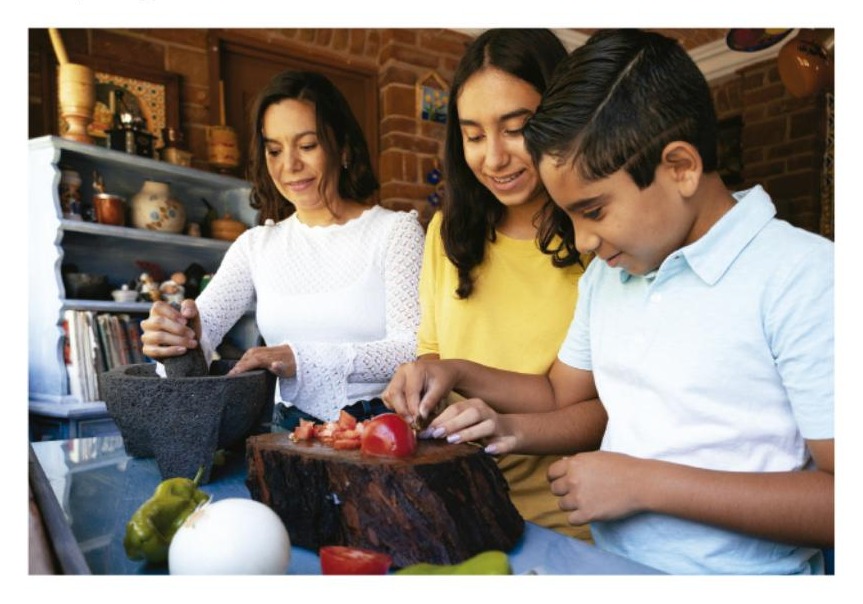
Producto: Classroom poster and oral presentation explaining project observations and healthy habits.
Instrumento de evaluación de contenidos, PDA y producto del proyecto:
| Criterios de evaluación | Logrado | En proceso | Falta por consolidar |
|---|---|---|---|
| Students narrate project events and observations in a clear sequence, using relevant details from the official reading and classroom investigations | |||
| Students communicate pulse and breathing observations accurately and distinguish recorded evidence from predictions or interpretations | |||
| Students explain the heart model and the relationship between the circulatory and respiratory systems using appropriate vocabulary | |||
| Students contribute a readable, well-organized poster and present its message clearly and creatively to classmates | |||
| Students listen respectfully, respond constructively to peer presentations, and identify a specific learning achievement or improvement |
Antes de descargar
Datos, propósito y contenidos
- Students will develop oral, written, and creative expression by narrating and explaining their observations as they explore the?
- Narration of past and present events.
Actividades, producto y evaluación
- Student notebook, Official textbook, Projects for the Classroom, pp. 130–133, Student notebook, Official textbook, Projects for?
- Classroom poster and oral presentation explaining project observations and healthy habits.
Tu material está listo para descargar
Elige Word, PDF o anexos desde un solo lugar.
Mira lo que los maestros ya crearon con Gamificación Educativa
Preguntas frecuentes sobre esta planeación
¿Para qué grado y semanas está diseñada esta planeación?
Está diseñada para quinto grado, la semana 11 de noviembre de 2026, dentro del ciclo escolar 2026–2027.
¿Qué metodología utiliza la planeación?
La secuencia utiliza inquiry-based learning with a steam approach, centered on the official classroom project. y organiza actividades situadas con evidencias y un producto final.
¿La planeación incluye contenidos y PDA de la NEM?
Sí. Incluye el campo formativo, el contenido, el proceso de desarrollo de aprendizaje, actividades y evaluación formativa alineados con la NEM.
¿Puedo editar y adaptar el archivo?
Sí. La versión Word es editable para ajustar actividades, materiales, apoyos, tiempos y evidencias. El PDF está listo para imprimir.
