
Planeación didáctica por proyectos de primer grado: La importancia del bosque — Nombres entre árboles
 ChannelKids
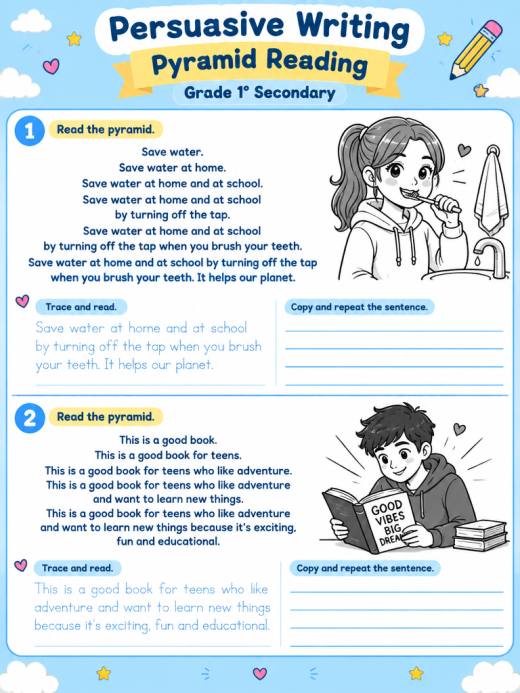
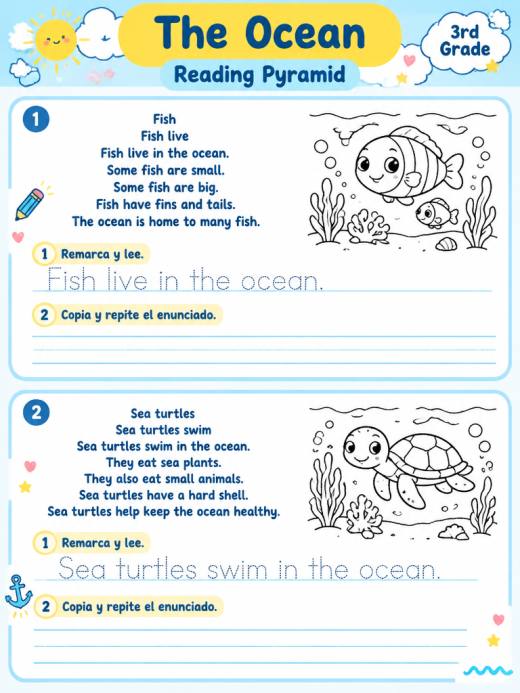
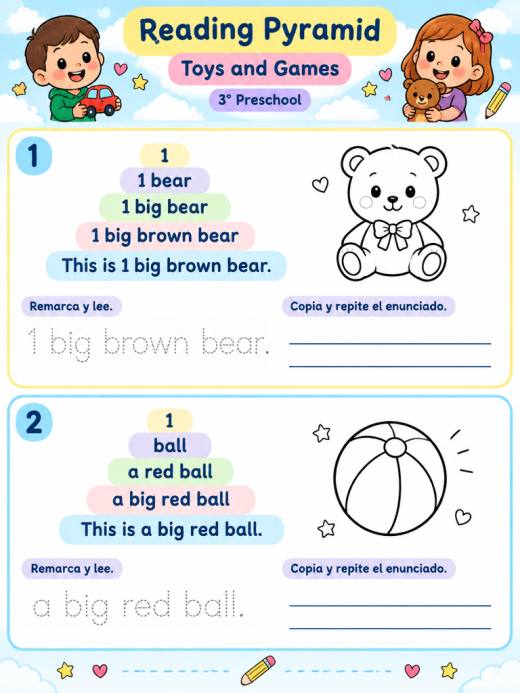
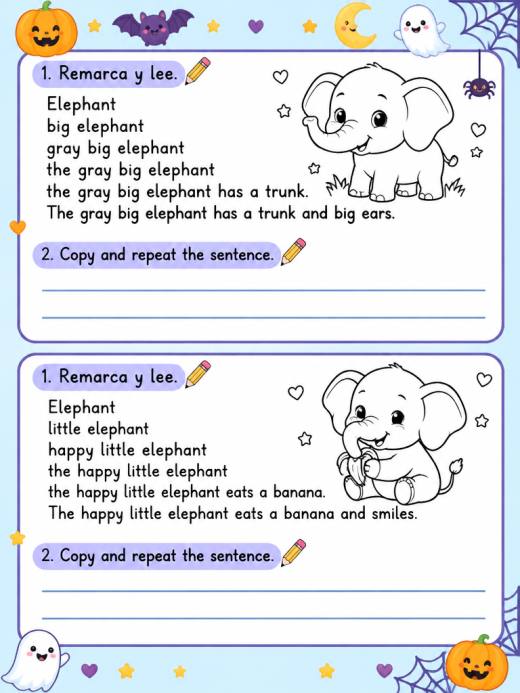
Tu planeación, en un vistazo
Una ruta clara para llevar el proyecto «La importancia del bosque» al aula y adaptarlo a las necesidades de tu grupo.
Ver contexto pedagógico, adaptaciones y materiales
Esta planeación didáctica por proyectos está pensada para primer grado, Fase 3, para el ciclo escolar 2026–2027. El proyecto «La importancia del bosque» tiene como propósito students will use their names to identify authorship of their forest-project work and will develop oral, written, and creative expression while exploring how forests help purify water. They will communicate observations and findings through the experiment records, a poster, and a mind map. La secuencia parte del contexto del grupo para convertir sus experiencias, preguntas y saberes previos en oportunidades de aprendizaje significativo.
La propuesta se desarrolla mediante project-based learning with guided inquiry, grounded in the classroom project “the importance of the forest.” y articula principalmente el campo formativo los campos formativos de la Nueva Escuela Mexicana. El contenido central aborda writing names in the home language. Los PDA describen estos aprendizajes: students write their names and compare them with classmates’ names, using their names to identify authorship of their forest-project work. Students record observations and communicate ideas about the benefits of forests and water purification through oral discussion, writing, and creative representations. Las actividades se distribuyen por día con momentos de inicio, desarrollo y cierre, de modo que el docente pueda observar avances, recuperar producciones y ajustar la intervención sin perder el sentido del proyecto.
El producto final será named forest-investigation record and initial experiment setup. La evaluación es formativa y considera participación, procesos, producciones y reflexión del alumnado. Se sugieren recursos como student notebook, White sheets, Markers, Official classroom projects book, p. 158, Official classroom projects book, p. 159, Student notebook, Classroom reference books, White sheets, Pencils, Colored pencils, Official classroom projects book, p. 159, Official classroom projects book, p. 160, Student notebook, Three one-liter plastic bottles, Rounded-tip scissors, Permanent marker, Seeds, Official classroom projects book, p. 160, Official classroom projects book, p. 161, Student notebook, Three prepared plastic bottles, Small stones, Small branches, Soil, Seeds, Three plastic trays, Water, Cup, Official classroom projects book, pp. 162–164, Student notebook, Pencils, Prepared experiment bottles and trays, Water, Cup, Official classroom projects book, p. 164. Para atender distintos ritmos de aprendizaje, ofrece apoyos visuales, consignas breves, opciones de respuesta oral o gráfica y acompañamiento entre pares. El documento puede descargarse en Word editable o en PDF listo para imprimir. Ambas versiones permiten adecuar tiempos, materiales, lenguaje, apoyos y evidencias a las necesidades reales de cada escuela.
Ficha curricular de la planeación
Consulta primero los elementos de la NEM. Después encontrarás la secuencia completa organizada por día.
Datos generales y propósito del proyecto
Ciclo escolar 2026–2027 · Fase 3.
Propósito: Students will use their names to identify authorship of their forest-project work and will develop oral, written, and creative expression while exploring how forests help purify water. They will communicate observations and findings through the experiment records, a poster, and a mind map.
Metodología: Project-based learning with guided inquiry, grounded in the classroom project “The Importance of the Forest.”
Contenido
Writing names in the home language.
Proceso de Desarrollo de Aprendizaje (PDA)
Students write their names and compare them with classmates’ names, using their names to identify authorship of their forest-project work. Students record observations and communicate ideas about the benefits of forests and water purification through oral discussion, writing, and creative representations.
Ejes articuladores oficiales
Inclusión, Pensamiento crítico
Producto final
Named forest-investigation record and initial experiment setup
Evaluación formativa
Ver criterios y evidencias
The student writes their name legibly to identify authorship of forest-project work. The student compares their written name with classmates’ names respectfully and uses it consistently to mark their record. The student communicates an oral idea or prediction that relates to forests, water, or the classroom experiment. The student records the experiment setup and identifies the observations to be tracked without presenting unobserved results as findings.
Materiales
Ver lista completa
Student notebook, White sheets, Markers, Official classroom projects book, p. 158, Official classroom projects book, p. 159, Student notebook, Classroom reference books, White sheets, Pencils, Colored pencils, Official classroom projects book, p. 159, Official classroom projects book, p. 160, Student notebook, Three one-liter plastic bottles, Rounded-tip scissors, Permanent marker, Seeds, Official classroom projects book, p. 160, Official classroom projects book, p. 161, Student notebook, Three prepared plastic bottles, Small stones, Small branches, Soil, Seeds, Three plastic trays, Water, Cup, Official classroom projects book, pp. 162–164, Student notebook, Pencils, Prepared experiment bottles and trays, Water, Cup, Official classroom projects book, p. 164
Adaptaciones para el grupo
Para atender distintos ritmos de aprendizaje, ofrece apoyos visuales, consignas breves, opciones de respuesta oral o gráfica y acompañamiento entre pares.
Desarrollo completo de la planeación
Aquí comienza la organización diaria con inicio, desarrollo, cierre, recursos y evidencias. El contenido y el PDA ya están separados en la ficha anterior.
La importancia del bosque
Languages
Metodología: Project-based learning with guided inquiry, grounded in the classroom project “The Importance of the Forest.”
Propósito: Students will use their names to identify authorship of their forest-project work and will develop oral, written, and creative expression while exploring how forests help purify water. They will communicate observations and findings through the experiment records, a poster, and a mind map.
Ejes articuladores
- Inclusión
- Pensamiento crítico
| Campo formativo | Contenido | PDA |
|---|---|---|
| Languages | Writing names in the home language. | Students write their names and compare them with classmates’ names, using their names to identify authorship of their forest-project work. Students record observations and communicate ideas about the benefits of forests and water purification through oral discussion, writing, and creative representations. |
| Día | Secuencia de actividades | Recursos |
|---|---|---|
Monday | Present the classroom project “The Importance of the Forest” by inviting students to consider what may happen to a forest when trees disappear and how that change could affect animals and water. Read the story about Ariana’s family and Banderillas aloud from the official classroom projects book (p. 158), then guide students in discussing the questions on the following page: what might have happened to the forest, and what would happen if there were no trees? Invite each student to write their name on a sheet and add it to a shared record of ideas, making authorship visible as classmates compare how their names are written. Continue with the book’s explanation of how forests filter water (p. 159) and have students share one idea they understood; note their oral contributions and the legibility of their names as initial evidence. | Student notebook, White sheets, Markers, Official classroom projects book, p. 158, Official classroom projects book, p. 159 |
Tuesday | Invite students to revisit the forest’s role in supporting life and connect the discussion to the book’s invitation to exchange proposals for caring for forests (p. 159). Organize a classroom conversation in which each student states one proposal and listens to classmates before adding an idea to a shared chart; ask students to sign or write their names beside their contributions so that the group can identify authorship and compare name forms respectfully. Next, use the book’s research prompts about forest benefits, water, and tree parts (p. 160) to guide a teacher-supported search using available classroom reference materials. Students record one relevant finding in their notebooks and draw a tree with labels for its parts, then share their drawings in pairs. Assess whether each student’s name clearly identifies their work and whether their spoken and written contribution relates to the importance of forests. | Student notebook, Classroom reference books, White sheets, Pencils, Colored pencils, Official classroom projects book, p. 159, Official classroom projects book, p. 160 |
Wednesday | Use the question raised by Ariana and Jorge—how forests help purify water—to focus the class on the project’s investigation, and read the continuation of their story from the official book (p. 160). Ask students to explain what changed when the forest disappeared, then connect their ideas to the experiment “The Forest Cleans Water,” introduced in the book (p. 161). In small classroom groups, prepare the three plastic bottles with teacher assistance, following the book’s instructions for cutting the openings and marking Bottle 1 with many seeds, Bottle 2 with ten seeds, and Bottle 3 with no seeds (p. 161). Have each group write its members’ names in the notebook beside the setup record and orally predict what may happen to the water in each tray. Observe safe participation, clear name writing, and predictions connected to the investigation question. | Student notebook, Three one-liter plastic bottles, Rounded-tip scissors, Permanent marker, Seeds, Official classroom projects book, p. 160, Official classroom projects book, p. 161 |
Thursday | Guide students to continue assembling the experiment by following the book’s sequence: place small stones in each bottle, add small branches and a layer of soil, then distribute seeds according to the three bottle conditions (pp. 162–163). Keep the work within the classroom and have the teacher supervise all cutting and handling of materials. Ask each group to check the bottle labels and record the names of the students responsible for the setup, reinforcing that names identify authorship and participation. Place the bottles in trays on a flat surface in a safe classroom location, as directed in the book (p. 163), and explain that the class will add one cup of water to each bottle daily and record observations over ten days (p. 164). Close by asking students to state what they will observe and how their group will keep its records; assess accurate labeling and clear oral explanations. | Student notebook, Three prepared plastic bottles, Small stones, Small branches, Soil, Seeds, Three plastic trays, Water, Cup, Official classroom projects book, pp. 162–164 |
Friday | Return to the experiment’s observation plan and use the book’s recording format to model how students will document each day’s changes (p. 164). In their small classroom groups, students copy the observation format into their notebooks, write their names to identify their records, and practice answering the prompts about seeds, roots, and the color of the water in each tray (p. 164). Since the experiment requires ten days of observations, clarify that this week’s record begins the ongoing investigation rather than presenting results that have not yet been observed. Invite each group to share its first prediction and explain what evidence it will look for, then collect a brief oral reflection on why the forest and its vegetation matter for water purification. Assess name use, completeness of the initial record, and the relevance of students’ explanations to the project question. | Student notebook, Pencils, Prepared experiment bottles and trays, Water, Cup, Official classroom projects book, p. 164 |
Producto: Named forest-investigation record and initial experiment setup
Instrumento de evaluación de contenidos, PDA y producto del proyecto:
| Criterios de evaluación | Logrado | En proceso | Falta por consolidar |
|---|---|---|---|
| The student writes their name legibly to identify authorship of forest-project work | |||
| The student compares their written name with classmates’ names respectfully and uses it consistently to mark their record | |||
| The student communicates an oral idea or prediction that relates to forests, water, or the classroom experiment | |||
| The student records the experiment setup and identifies the observations to be tracked without presenting unobserved results as findings |
Antes de descargar
Datos, propósito y contenidos
- Students will use their names to identify authorship of their forest-project work and will develop oral, written, and creative ?
- Writing names in the home language.
Actividades, producto y evaluación
- Student notebook, White sheets, Markers, Official classroom projects book, p. 158, Official classroom projects book, p. 159, St?
- Named forest-investigation record and initial experiment setup
Tu material está listo para descargar
Elige Word, PDF o anexos desde un solo lugar.
Preguntas frecuentes sobre esta planeación
¿Para qué nivel y grado está diseñada esta planeación?
Está diseñada para primer grado, correspondiente a Fase 3 de la Nueva Escuela Mexicana, dentro del ciclo escolar 2026–2027.
¿Qué metodología utiliza la planeación?
La secuencia utiliza project-based learning with guided inquiry, grounded in the classroom project “the importance of the forest.” y organiza actividades situadas con evidencias y un producto final.
¿La planeación incluye contenidos y PDA de la NEM?
Sí. Incluye el campo formativo, el contenido, el proceso de desarrollo de aprendizaje, actividades y evaluación formativa alineados con la NEM.
¿Puedo editar y adaptar el archivo?
Sí. La versión Word es editable para ajustar actividades, materiales, apoyos, tiempos y evidencias. El PDF está listo para imprimir.
