
Planeación didáctica por proyectos de primer grado — Semana 15 de diciembre 2026: Los sonidos en la naturaleza — Nombres que suenan
 ChannelKids
Tu planeación, en un vistazo
Una ruta clara para llevar el proyecto «Los sonidos en la naturaleza» al aula y adaptarlo a las necesidades de tu grupo.
Ver contexto pedagógico, adaptaciones y materiales
Esta planeación didáctica por proyectos está pensada para primer grado, Fase 3, durante la semana 15 de diciembre del ciclo escolar 2026–2027. El proyecto «Los sonidos en la naturaleza» tiene como propósito develop students’ oral, written, and creative expression by exploring how sounds in nature can be imitated, described, and connected to natural phenomena. Students will use their names to identify authorship of their project records and communicate their learning about a classroom seismic alarm design. La secuencia parte del contexto del grupo para convertir sus experiencias, preguntas y saberes previos en oportunidades de aprendizaje significativo.
La propuesta se desarrolla mediante project-based learning with guided inquiry and collaborative documentation. y articula principalmente el campo formativo los campos formativos de la Nueva Escuela Mexicana. El contenido central aborda writing names in the mother tongue. Los PDA describen estos aprendizajes: students write their names and compare them with classmates’ names, using their names to identify authorship of their sound observations, drawings, and project records. Students orally describe and creatively represent sounds associated with natural phenomena, recording their observations under their names and sharing their ideas about the proposed seismic alarm. Las actividades se distribuyen por día con momentos de inicio, desarrollo y cierre, de modo que el docente pueda observar avances, recuperar producciones y ajustar la intervención sin perder el sentido del proyecto.
El producto final será signed sound investigation records and a group seismic-alarm design and model. La evaluación es formativa y considera participación, procesos, producciones y reflexión del alumnado. Se sugieren recursos como textbook, pp. 152–154, Notebook, Board, Markers, Colored pencils, Textbook, pp. 155–156, Notebook, Clean aluminum tray, A small handful of beans or lentils, Clean plastic bottle, Water, Marker, Colored pencils, Textbook, pp. 157–159, Notebook, Metal ruler, Pencil with a metal cap, Clock or timer, Aluminum tray, Marker, Textbook, pp. 160–162, Notebook, Aluminum tray, Pencil with a metal cap, Clock or timer, Classroom objects suitable for supervised sound-making, Markers, Textbook, pp. 163–165, Notebook, Poster board, Flattened cardboard tube, String, Marble, Cardboard, Modeling clay, Two craft sticks, Teacher-supervised adhesive, Markers, Colored pencils. Para atender distintos ritmos de aprendizaje, ofrece apoyos visuales, consignas breves, opciones de respuesta oral o gráfica y acompañamiento entre pares. El documento puede descargarse en Word editable o en PDF listo para imprimir. Ambas versiones permiten adecuar tiempos, materiales, lenguaje, apoyos y evidencias a las necesidades reales de cada escuela.
Ficha curricular de la planeación
Consulta primero los elementos de la NEM. Después encontrarás la secuencia completa organizada por día.
Datos generales y propósito del proyecto
Ciclo escolar 2026–2027 · Fase 3.
Propósito: Develop students’ oral, written, and creative expression by exploring how sounds in nature can be imitated, described, and connected to natural phenomena. Students will use their names to identify authorship of their project records and communicate their learning about a classroom seismic alarm design.
Metodología: Project-based learning with guided inquiry and collaborative documentation.
Contenido
Writing names in the mother tongue.
Proceso de Desarrollo de Aprendizaje (PDA)
Students write their names and compare them with classmates’ names, using their names to identify authorship of their sound observations, drawings, and project records. Students orally describe and creatively represent sounds associated with natural phenomena, recording their observations under their names and sharing their ideas about the proposed seismic alarm.
Ejes articuladores oficiales
Inclusión, Pensamiento crítico
Producto final
Signed sound investigation records and a group seismic-alarm design and model.
Evaluación formativa
Ver criterios y evidencias
The student writes their name legibly on sound observations, drawings, and other records to identify authorship. The student describes and compares sounds using observable characteristics such as duration, intensity, and pitch. The student connects an imitated or investigated sound with a natural phenomenon and communicates that connection orally or through a drawing. The student contributes a relevant idea to the group’s seismic-alarm design and explains how the proposed sound could serve as an alert.
Materiales
Ver lista completa
Textbook, pp. 152–154, Notebook, Board, Markers, Colored pencils, Textbook, pp. 155–156, Notebook, Clean aluminum tray, A small handful of beans or lentils, Clean plastic bottle, Water, Marker, Colored pencils, Textbook, pp. 157–159, Notebook, Metal ruler, Pencil with a metal cap, Clock or timer, Aluminum tray, Marker, Textbook, pp. 160–162, Notebook, Aluminum tray, Pencil with a metal cap, Clock or timer, Classroom objects suitable for supervised sound-making, Markers, Textbook, pp. 163–165, Notebook, Poster board, Flattened cardboard tube, String, Marble, Cardboard, Modeling clay, Two craft sticks, Teacher-supervised adhesive, Markers, Colored pencils
Adaptaciones para el grupo
Para atender distintos ritmos de aprendizaje, ofrece apoyos visuales, consignas breves, opciones de respuesta oral o gráfica y acompañamiento entre pares.
Desarrollo completo de la planeación
Aquí comienza la organización diaria con inicio, desarrollo, cierre, recursos y evidencias. El contenido y el PDA ya están separados en la ficha anterior.
Los sonidos en la naturaleza
Semana: Semana 15 — Diciembre
Languages
Metodología: Project-based learning with guided inquiry and collaborative documentation.
Propósito: Develop students’ oral, written, and creative expression by exploring how sounds in nature can be imitated, described, and connected to natural phenomena. Students will use their names to identify authorship of their project records and communicate their learning about a classroom seismic alarm design.
Ejes articuladores
- Inclusión
- Pensamiento crítico
| Campo formativo | Contenido | PDA |
|---|---|---|
| Languages | Writing names in the mother tongue. | Students write their names and compare them with classmates’ names, using their names to identify authorship of their sound observations, drawings, and project records. Students orally describe and creatively represent sounds associated with natural phenomena, recording their observations under their names and sharing their ideas about the proposed seismic alarm. |
| Día | Secuencia de actividades | Recursos |
|---|---|---|
Monday | Present the project’s central situation by reading the opening story about a loud sound mistaken for an approaching animal and then recognized as thunder, inviting students to explain what clues helped the characters identify the sound (pp. 152–153). Guide a classroom brainstorm about natural sounds that announce or characterize a phenomenon, recording student contributions on the board for them to copy and illustrate in their notebooks (p. 153). Ask students to write their names beside their entries and compare how their names differ from those of classmates, reinforcing authorship of the shared record. Close by discussing the project questions—how sounds can be made, what sounds are like, and what emotions they cause—and observe whether students contribute an idea, listen to others, and identify their own written work (p. 154). | Textbook, pp. 152–154, Notebook, Board, Markers, Colored pencils |
Tuesday | Invite students to revisit one sound named in the class brainstorm and consider how it might be imitated with safe objects available in the classroom. Organize small groups to try the book’s seed-and-aluminum-tray proposal, letting seeds fall gradually onto the tray; then have each student draw a natural phenomenon that the resulting sound could represent and write their name to mark the work as their own (p. 155). Continue with the bottle investigation: add water, mark the level, blow across the bottle as directed, compare the sound with that of an empty bottle, and repeat with a higher water level, with the teacher handling and supervising materials (p. 156). Ask students to describe what changed using their own words, and review their drawings and name writing for clear authorship and a meaningful connection between the sound and the phenomenon. | Textbook, pp. 155–156, Notebook, Clean aluminum tray, A small handful of beans or lentils, Clean plastic bottle, Water, Marker, Colored pencils |
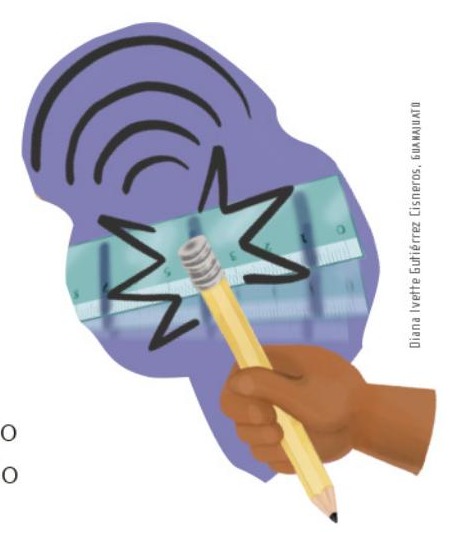
Wednesday | Set up the ruler investigation by asking how changing the length of a ruler extending beyond a desk might change its sound, then guide small groups through the book’s procedure: mark several separated points, position the ruler at each mark, hold it securely, and gently strike the overhanging end with a pencil’s metal-capped end (pp. 157–158). Students record whether each sound is long or short, strong or weak, and use a clock or timer to note its duration, writing their names on the observations. Next, follow the book’s aluminum-tray investigation by striking different marked points, comparing the sounds, measuring their durations, and recording which was longest and shortest (p. 159). Conclude with a brief oral comparison in which students support a description with an observation; check that each record is attributable to its writer and that sound words match the evidence gathered. | Textbook, pp. 157–159, Notebook, Metal ruler, Pencil with a metal cap, Clock or timer, Aluminum tray, Marker |
Thursday | Use the students’ sound records to open a discussion about how the same object can produce different sounds when its position or the way it is struck changes. Have groups carry out Xóchitl’s and Cuauhtémoc’s proposals for the aluminum tray, then try scraping it or striking it with different objects as described in the book; students describe each sound and measure its duration, recording their findings under their names (pp. 160–161). Guide a classroom conversation about which sound characteristics could make a seismic alert noticeable, and have pairs complete the book’s comparison of feelings associated with a guitar, bell, seismic alarm, trumpet, and storm (pp. 161–162). Bring the class together to sort recorded sounds as strong or soft, high or low, and long or short, then prepare the corresponding count table in notebooks (p. 162). Assess whether students express an emotion or sound characteristic clearly and identify their written contributions. | Textbook, pp. 160–162, Notebook, Aluminum tray, Pencil with a metal cap, Clock or timer, Classroom objects suitable for supervised sound-making, Markers |
Friday | Ask groups to use the sound characteristics and class records to draw on poster board an object that could alert the school community to an earthquake, explaining the materials, the sound it would produce, and the safety measures to follow during an earthquake (p. 163). Then guide construction of the book’s proposed seismic alarm using a flattened cardboard tube, string, a marble, cardboard, modeling clay, and craft sticks; follow the illustrated sequence and have the teacher make any necessary cuts and supervise adhesive use (pp. 163–164). Invite each student to draw the group’s completed device in a notebook, sign the drawing, and explain to classmates how it was made, including a difficulty and how the group addressed it (p. 165). Close by recording the class’s conclusions about recognizing sounds and discussing how the device might work during an earthquake; evaluate the clarity of oral explanations, the connection between design and sound evidence, and the use of names to identify authorship. | Textbook, pp. 163–165, Notebook, Poster board, Flattened cardboard tube, String, Marble, Cardboard, Modeling clay, Two craft sticks, Teacher-supervised adhesive, Markers, Colored pencils |
Producto: Signed sound investigation records and a group seismic-alarm design and model.
Instrumento de evaluación de contenidos, PDA y producto del proyecto:
| Criterios de evaluación | Logrado | En proceso | Falta por consolidar |
|---|---|---|---|
| The student writes their name legibly on sound observations, drawings, and other records to identify authorship | |||
| The student describes and compares sounds using observable characteristics such as duration, intensity, and pitch | |||
| The student connects an imitated or investigated sound with a natural phenomenon and communicates that connection orally or through a drawing | |||
| The student contributes a relevant idea to the group’s seismic-alarm design and explains how the proposed sound could serve as an alert |
Antes de descargar
Datos, propósito y contenidos
- Develop students’ oral, written, and creative expression by exploring how sounds in nature can be imitated, described, and conn?
- Writing names in the mother tongue.
Actividades, producto y evaluación
- Textbook, pp. 152–154, Notebook, Board, Markers, Colored pencils, Textbook, pp. 155–156, Notebook, Clean aluminum tray, A small?
- Signed sound investigation records and a group seismic-alarm design and model.
Tu material está listo para descargar
Elige Word, PDF o anexos desde un solo lugar.
Preguntas frecuentes sobre esta planeación
¿Para qué grado y semana está diseñada esta planeación?
Está diseñada para primer grado, la semana 15 de diciembre de 2026, dentro del ciclo escolar 2026–2027.
¿Qué metodología utiliza la planeación?
La secuencia utiliza project-based learning with guided inquiry and collaborative documentation. y organiza actividades situadas con evidencias y un producto final.
¿La planeación incluye contenidos y PDA de la NEM?
Sí. Incluye el campo formativo, el contenido, el proceso de desarrollo de aprendizaje, actividades y evaluación formativa alineados con la NEM.
¿Puedo editar y adaptar el archivo?
Sí. La versión Word es editable para ajustar actividades, materiales, apoyos, tiempos y evidencias. El PDF está listo para imprimir.
